Top Arm Cylinder Types and Their Applications for Optimal Performance?
The performance of industrial machinery heavily relies on the choice of components used. Among these, the Arm Cylinder stands out for its versatility in various applications. According to a market report by Research and Markets, the global hydraulic cylinder market is projected to reach USD 15 billion by 2027, with Arm Cylinders playing a significant role in this growth. Expert John Smith, a hydraulic systems analyst, stated, "The right Arm Cylinder can dramatically enhance machine efficiency and durability."
Arm Cylinders are essential in sectors like manufacturing, construction, and automotive. Their design and functionality not only affect performance but also influence safety and maintenance costs. While choosing an Arm Cylinder, it is crucial to consider aspects like load capacity and operating pressure. A mismatch in these details can lead to inefficiencies or even failures. The challenge lies in balancing performance needs with budget constraints.
In conclusion, selecting the optimal Arm Cylinder type requires thorough investigation and expert advice. Misunderstandings about their applications can lead to suboptimal outcomes. As industries evolve, staying informed about advancements in Arm Cylinder technology will be vital for sustained operational excellence.
Overview of Arm Cylinder Types: Features and Differences
Arm cylinders come in various types, each designed for specific applications. Understanding their features helps in selecting the right one. For instance, single-acting cylinders only exert force in one direction. They are simpler but offer limited control. Double-acting cylinders provide force in both directions. This allows more versatility in applications.
Pneumatic arm cylinders utilize air pressure and are lightweight. They are often used in packaging and assembly lines. Hydraulic arm cylinders, on the other hand, use fluid power for heavier loads. These are common in construction and manufacturing. Each type has unique specifications and installation requirements.
Design considerations are crucial. For example, not factoring in the force requirements can lead to inefficient operations. This might make the arm sluggish or even unresponsive. Additionally, understanding the environment is vital. Dusty or wet conditions can impact the performance of certain cylinders. Identifying the right type requires careful analysis of both features and use cases.
Hydraulic Arm Cylinders: Advantages and Industrial Applications
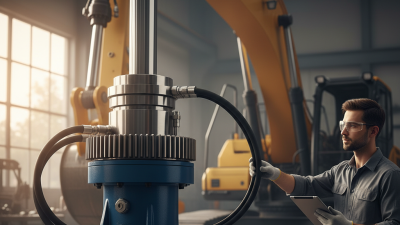
Hydraulic arm cylinders play a vital role in various industries. They offer significant advantages, such as high power-to-weight ratios and efficient operation. These cylinders convert hydraulic energy into linear motion. This feature makes them ideal for construction equipment and manufacturing processes.
In the automotive sector, hydraulic arm cylinders assist in lifting operations. They are commonly used in forklifts and car repair lifts. These cylinders provide reliable lifting capabilities and enhance productivity. In agriculture, they help with equipment like plows and harvesters. The ability to power heavy machinery efficiently is critical here.
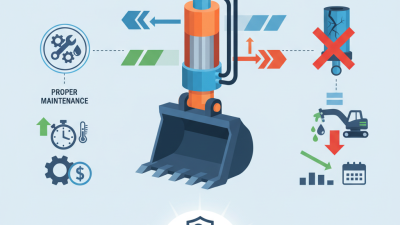
Despite their advantages, there are challenges. Maintenance can be complicated. Hydraulic fluids may leak, leading to safety concerns. Therefore, regular checks are essential for optimal performance. Understanding these aspects can help industries utilize hydraulic arm cylinders more effectively.
Top Arm Cylinder Types and Their Applications for Optimal Performance
| Cylinder Type |
Working Pressure (psi) |
Stroke Length (inches) |
Applications |
Advantages |
| Single Acting Cylinder |
1500 - 3000 |
6 - 36 |
Material handling, presses |
Simplicity, cost-effectiveness |
| Double Acting Cylinder |
1500 - 3500 |
12 - 48 |
Automotive assembly, robotics |
Higher efficiency, bidirectional force |
| Telescopic Cylinder |
2000 - 4000 |
24 - 120 |
Dump trailers, lift gates |
Compact design, extends long distances |
| Rotary Actuator |
1000 - 2500 |
Varies |
Packaging, automotive applications |
Rotary motion, high torque capacity |
| Pneumatic Cylinder |
80 - 120 psi |
1 - 48 |
Assembly lines, material handling |
Lightweight, fast actuation |
Pneumatic Arm Cylinders: Mechanisms and Use Cases
Pneumatic arm cylinders serve critical functions in many industries. These cylinders convert compressed air into mechanical energy. They provide smooth and precise movements. Industries like manufacturing and automotive rely on them heavily. According to a recent market analysis, demand for pneumatic cylinders is projected to grow by 4% annually through 2026.
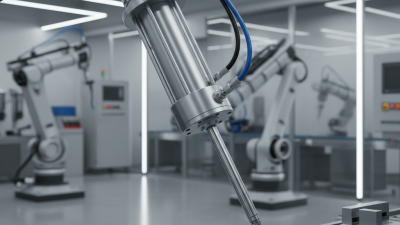
The mechanisms behind these cylinders are fascinating. They consist of a cylinder barrel, piston, and rod. When air enters the cylinder, it pushes the piston, leading to motion. This simple process has versatile applications. They are commonly used for material handling, robotic arms, and assembly lines. However, maintenance issues can arise. Over time, wear and tear can cause leaks, reducing efficiency.
Pneumatic systems often require adjustments. Despite their effectiveness, choosing the wrong type can hamper performance. Misalignment of components can lead to inconsistent operation. Studies show that improper installation can reduce cylinder lifespan by up to 30%. Understanding these factors is crucial for optimal application in various settings.
Electric Arm Cylinders: Performance Benefits and Applications
Electric arm cylinders are revolutionizing various industries. Their design makes them versatile for many applications. These cylindrical devices convert electrical energy into mechanical motion efficiently. They can provide precise control, making them ideal for automation processes.
One significant advantage is their performance efficiency. Electric arm cylinders can operate continuously without overheating. They require less maintenance compared to traditional hydraulic systems. However, it’s crucial to consider their power requirements. Some setups may not support the necessary voltage or current levels.
Applications span from manufacturing to robotics. In factories, they are used for lifting, pushing, and pulling loads. In robotics, they provide accurate positioning for robotic arms. Despite their advantages, their cost can be a barrier. Adopting electric arm cylinders requires careful planning and consideration of long-term investment.
Choosing the Right Arm Cylinder for Your Specific Needs
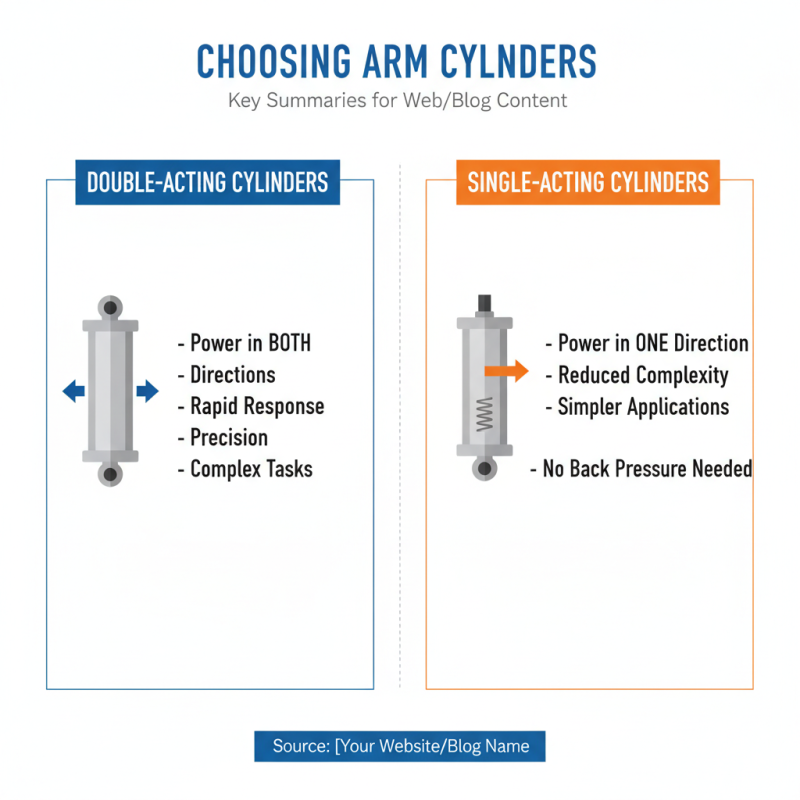
Choosing the right arm cylinder is crucial for any application. Different types of arm cylinders serve various functions. For instance, double-acting cylinders offer efficient power in both directions. They are ideal for tasks requiring rapid response and precision. On the other hand, single-acting cylinders may reduce complexity. They often suit simpler applications that don't need back pressure.
When selecting an arm cylinder, consider the load capacity. The National Fluid Power Association reports that using the correct cylinder size can boost system efficiency by up to 30%. Furthermore, check the operating pressure. Mismatched pressure ratings can lead to system failures. Calibrate your choice based on the expected workload.
Tips: Always review the manufacturer's specifications. Ensure compatibility with your existing equipment. Additionally, maintain the cylinder regularly. Dust and debris can lead to unforeseen issues. Don’t overlook the installation environment, as it can impact performance. Failure to monitor these factors can lead to inefficiencies. The right arm cylinder may save time and avoid costly downtime.
In some cases, users have found that opting for a slightly larger cylinder can enhance overall performance. It offers a buffer for unexpected loads. However, this choice may also lead to added costs and complexity. Careful assessment of your specific needs is vital. Ensure the decision aligns with your operational goals.

 +86 13794985240
 CONTACT NUMBER
 CONTACT NUMBER