2026 Best Cylinder Seal Kits for Optimal Performance and Durability?
In the dynamic world of machinery, the importance of high-quality Cylinder Seal Kits cannot be overstated. These kits play a crucial role in ensuring optimal performance, reducing downtime, and enhancing durability. A recent industry report indicates that about 30% of equipment failures are linked to the failure of seals. Such statistics highlight the need for selecting reliable seal kits that maintain equipment integrity.
Several manufacturers are pushing the boundaries of technology. They focus on materials and designs that can withstand extreme conditions. For instance, advanced rubber compounds now resist oil and high temperatures better than ever before. However, not all Cylinder Seal Kits are created equal. Some products may fall short in performance, leading to costly repairs. Choosing the right kit requires diligence and research.
The year 2026 is approaching, and the competition among suppliers is intensifying. With so many options available, making a wise decision becomes critical. What works perfectly for one application may not suit another. Always consider the specific requirements of your machinery. Reflecting on these factors can lead to enhanced performance and prolonged equipment life.
Understanding Cylinder Seal Kits: Definition and Purpose
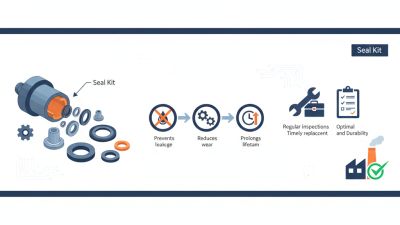
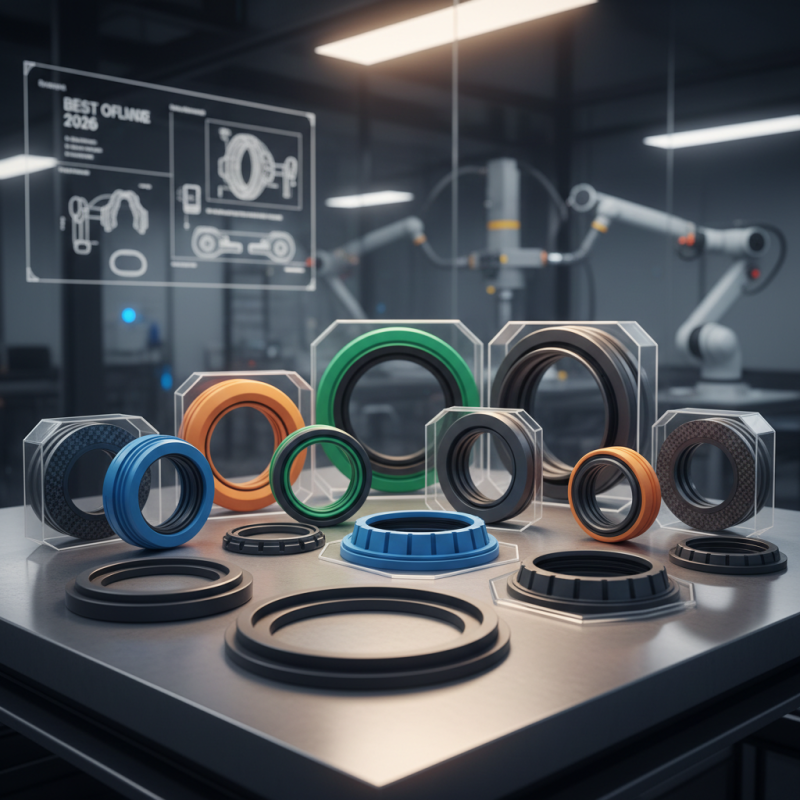
Cylinder seal kits are essential components in various machinery and vehicles. They ensure a tight seal, preventing leaks of fluids and gases. A good seal kit enhances the longevity of equipment. It also improves performance steadily over time. Understanding their purpose helps in making informed decisions when maintenance is necessary.
When choosing a cylinder seal kit, consider its material. Different applications require different materials for optimal sealing performance. For instance, rubber seals work well for hydraulic applications. Check for compatibility with the fluid types they will encounter. This choice directly impacts durability and functionality.
Tips: Always inspect seals for wear and tear during regular maintenance. Replace them promptly to avoid leakage and costly damage. Additionally, refer to equipment manuals for seal specifications. Mismatched seals can lead to failures. Be mindful that a seal kit must be correctly installed; misalignment can cause issues. Regular checks can save time and money in the long run.
2026 Best Cylinder Seal Kits for Optimal Performance and Durability
Key Features to Look for in a Cylinder Seal Kit for Optimal Performance
When selecting a cylinder seal kit, a few key features significantly impact performance. Material choice is vital. High-quality materials like Viton or Nitrile ensure resistance to wear and heat. This resistance prolongs the life of your seals.
According to a recent industry report, seals made from these materials last up to 30% longer than standard options. Longevity means fewer replacements and less downtime.
Proper fit is another crucial aspect. Seals must match the dimensions of the cylinder precisely. A poor fit can lead to leaks and performance issues. Industry studies show that a 1mm discrepancy in seal size can reduce efficiency by 20%. This loss may seem small, but it can dramatically increase operational costs over time.
Additionally, consider the environmental conditions. If seals are exposed to extreme temperatures or chemicals, ensure they are designed for those conditions. Some kits may not hold up under pressure, leading to failures. Always check reviews and data sheets for evidence of performance in specific environments. Disregarding this may lead to costly mistakes.
Top Brands in Cylinder Seal Kits for 2026 and Their Unique Offerings
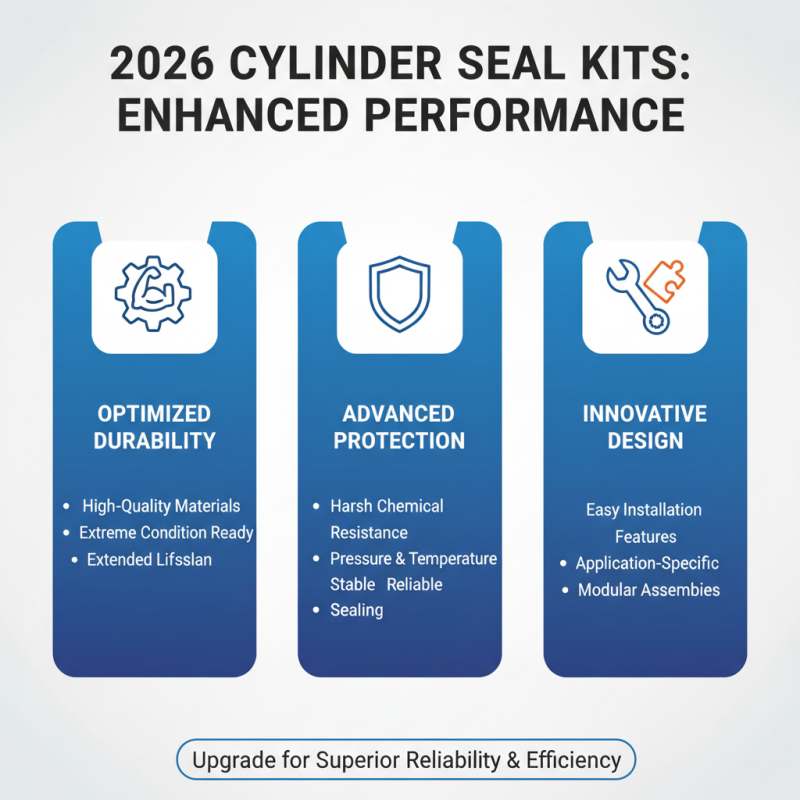
When considering cylinder seal kits for 2026, various options stand out. These kits promise enhanced performance and durability for different applications. Many brands focus on high-quality materials, ensuring longevity under extreme conditions. Their offerings range from basic kits to advanced assemblies that include unique features. Some incorporate innovative designs that facilitate easier installation, while others emphasize resistance to harsh chemicals.
In the realm of cylinder seal kits, attention to detail is crucial. Brands often highlight how their kits can withstand pressure and friction. It's vital to look for seals that remain flexible over time. Some users may find that not every kit lives up to the marketing claims. Performance can vary based on the specific machinery or vehicle type.
Technical specifications often reveal nuances that distinguish one kit from another. For example, differences in temperature ranges can affect performance. A kit that excels in one environment might falter in another. This emphasizes the importance of researching and matching products to specific demands. Choices should be informed by both performance metrics and real user experiences.
Maintenance Tips for Maximizing Durability of Cylinder Seal Kits
Maintaining cylinder seal kits
is crucial for optimal performance. Regular inspection can prevent unexpected failures. Check for signs of wear or cracks regularly. A small issue can lead to significant problems if left unaddressed.
Remove the seals and look closely for any deformities. Proper cleaning is vital as well. Use mild cleaning solutions to avoid damage. Harsh chemicals may degrade the material. After cleaning, ensure everything is dry before reassembling.
Pay attention to installation. Misalignment can lead to premature failure. Ensure all surfaces are smooth and free of debris. Frequent maintenance checks can increase the lifespan of your cylinder seal kits.
However, not all users commit to this practice. This oversight could lead to costly repairs later. Consider setting regular reminders for inspection. Making maintenance a habit pays off in durability. The difference can be significant.
Common Issues and Solutions Related to Cylinder Seal Kits Usage
Cylinder seal kits are essential for optimal performance. However, users often encounter common issues that affect their function. A common problem is wear and tear due to friction. This can lead to leaks and decreased efficiency. Regular checks can help identify these signs early.
Tips: Inspect seals regularly for signs of damage. Look for cracks or hardening. Replace them promptly to maintain performance.
Another issue is incorrect installation. Misalignment can cause uneven stress on seals. This may result in premature failure. It's important to follow the installation guidelines closely. Make sure seals are clean and properly seated.
Tips: Use a lubricant during installation. It aids in proper positioning and reduces the risk of damage. Always double-check alignment before finalizing the installation.
Lastly, environmental factors can impact seal longevity. Extreme temperatures and chemicals can accelerate wear. Be aware of the operating environment. Consider using materials that withstand harsh conditions better.
Tips: Store your seals properly when not in use. Keep them in a cool, dry place to avoid degradation. This simple step can significantly extend their lifespan.
2026 Best Cylinder Seal Kits for Optimal Performance and Durability
| Seal Kit Type |
Material |
Temperature Range (°C) |
Common Issues |
Solutions |
| Rubber O-ring |
Nitrile |
-20 to 80 |
Deformation under pressure |
Ensure correct installation, replace with proper size |
| Polyurethane Seal |
Polyurethane |
-30 to 90 |
Tearing or cutting |
Avoid sharp edges, use smoother mating surfaces |
| Metal Backup Ring |
Steel |
-20 to 120 |
Corrosion |
Use protective coatings or choose corrosion-resistant alloys |
| Silicone Seal |
Silicone |
-60 to 200 |
Low compression set |
Select higher quality silicone grades |

 +86 13794985240
 CONTACT NUMBER
 CONTACT NUMBER