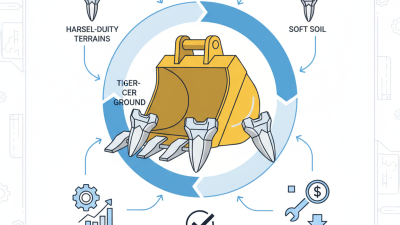
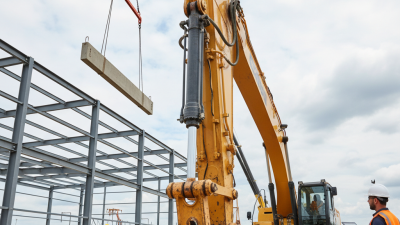
What is Bucket Teeth and Why Are They Important for Excavators?
In the construction industry, the significance of Bucket Teeth cannot be overstated. These vital components are essential for excavators to perform their tasks effectively. According to Jennifer Thompson, a leading expert in heavy machinery, “Bucket Teeth are the unsung heroes of excavation.” Her insight highlights the crucial role they play in enhancing efficiency and precision.
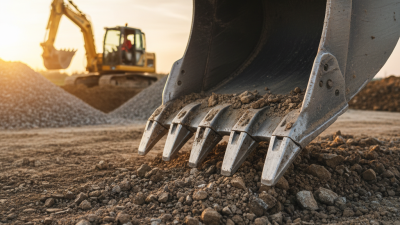
Bucket Teeth are designed to dig, penetrate, and scoop various materials. From soil to gravel, these teeth face harsh conditions daily. Their durability determines the overall performance of an excavator. When they wear out or break, it can lead to costly downtime. Additionally, selecting the right type of Bucket Teeth can significantly affect excavation accuracy.
While many overlook their importance, it's essential to recognize their impact on the project timeline and budget. A well-maintained set of Bucket Teeth can save money and improve productivity. However, improper installation or neglect can lead to frequent replacements. Reflecting on these factors can help companies optimize their operations and minimize unexpected setbacks.
What Are Bucket Teeth in Excavators?
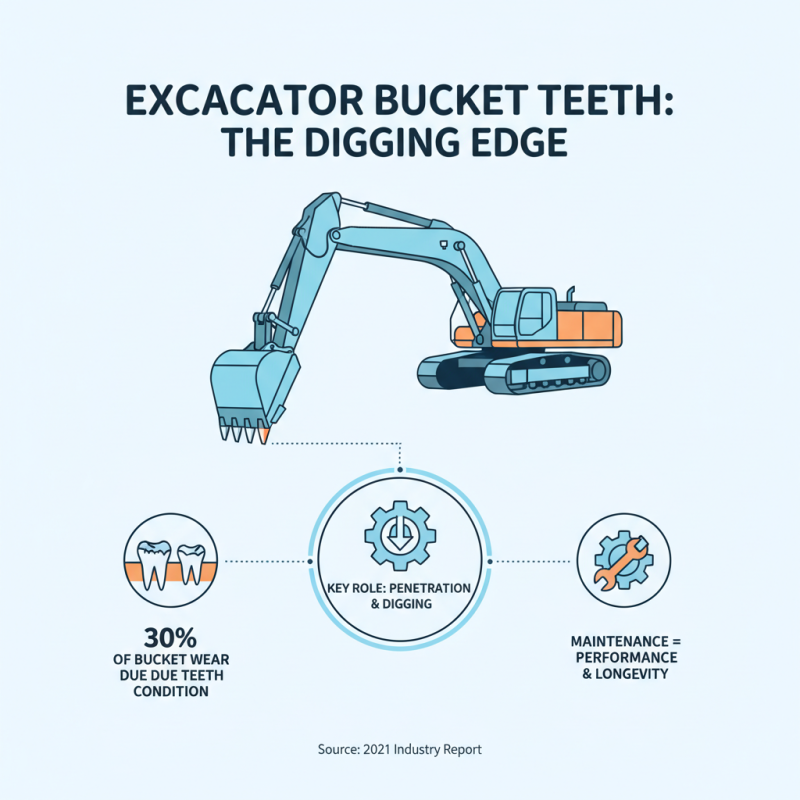
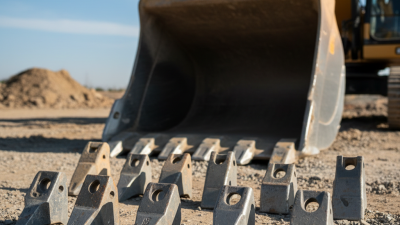
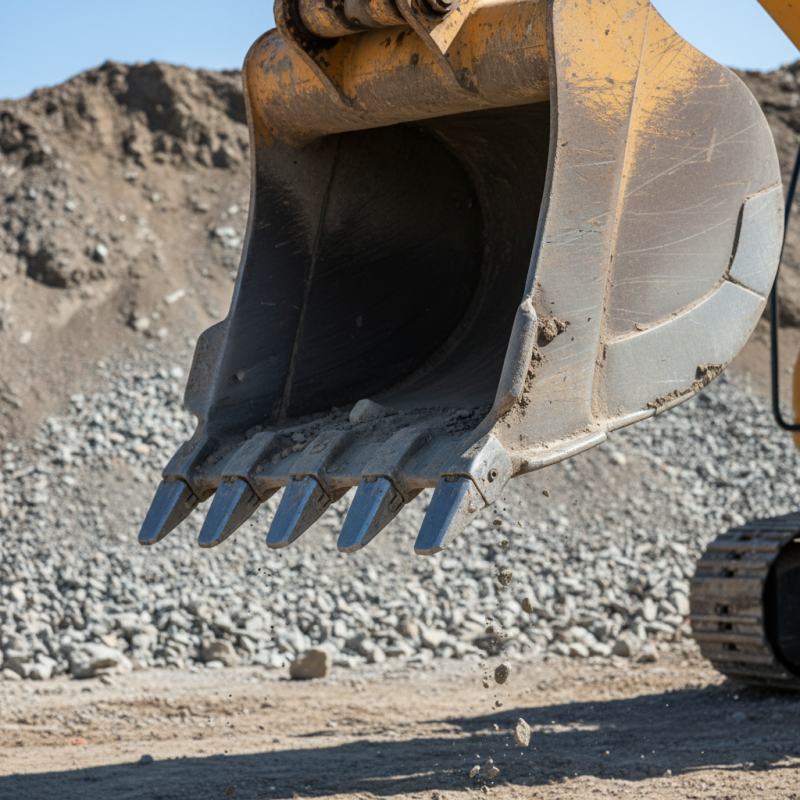
Bucket teeth play a crucial role in excavators. They are the metal tips attached to the bucket's edge. These components are designed to penetrate various materials, enabling effective digging and scooping. A 2021 industry report noted that approximately 30% of bucket wear can be attributed to the condition of the teeth. Proper maintenance of bucket teeth is essential for optimal performance and longevity.
When bucket teeth are worn or damaged, efficiency drops. This can lead to increased fuel consumption and higher operational costs. A study indicated that excavators with well-maintained bucket teeth perform up to 15% better than those with neglected parts. It's not just about function; these teeth also protect the bucket from unnecessary wear and tear. Replacing worn teeth can ultimately extend the life of the entire bucket.
Choosing the right type of bucket teeth is vital. Different applications require different designs. For instance, rock teeth are ideal for harder materials, while general-purpose teeth work well for softer conditions. However, many operators underestimate the impact of the right teeth for their specific tasks. It's essential to analyze the working environment and select accordingly. This decision can significantly affect productivity and costs.
Types of Bucket Teeth and Their Applications
Bucket teeth play a crucial role in the performance of excavators. They are designed for various applications, allowing for improved efficiency and precision during digging. Understanding the different types of bucket teeth is essential for operators seeking optimal results.
There are several types of bucket teeth. Standard teeth are ideal for general digging tasks. They provide good penetration and durability. On the other hand, rock teeth are meant for tougher materials. Their hardened design allows them to handle solid surfaces effectively. Additionally, side-cutting teeth help in creating precise edges. They are often used for trenching and precision excavation.
Each tooth type has unique applications. Choosing the right one is vital for project success. Improper selection can lead to excessive wear and tear. It can also affect productivity levels. Operators should constantly evaluate their equipment performance. Reflecting on the effectiveness of bucket teeth can enhance overall efficiency.
Importance of Bucket Teeth for Excavation Efficiency
Bucket teeth play a crucial role in excavation efficiency.
These components are attached to the bucket of an excavator. Their primary function is to penetrate various materials, from soil to rock.
Efficient digging is essential for productivity on any construction site. Properly designed bucket teeth can significantly improve the speed
and precision of excavation.
When bucket teeth wear down, they lose effectiveness. This inefficiency can lead to increased operational time. Operators need to be aware of the
condition of their bucket teeth. Regular inspections can prevent costly delays. Choosing the right type of bucket teeth for specific tasks is vital.
Different materials require different tooth designs to maximize performance.
Keep in mind that not all bucket teeth are created equal. Some may excel in softer conditions but struggle with harder substrates.
Understanding the materials being excavated is essential. Misjudging the environment can lead to poor performance and breakdowns.
In the long run, investing in quality bucket teeth pays off with enhanced excavation efficiency.
Factors Influencing Bucket Tooth Performance
Bucket teeth play a critical role in the efficiency of excavators. Their performance is influenced by several factors, including material composition, design, and operational conditions. A recent report by the International Institute of Research highlighted that the right bucket tooth can improve digging productivity by up to 30%. The material used affects durability and wear rates. For instance, high-strength steel teeth can withstand harsh conditions better than standard options.
Design features also contribute to how bucket teeth perform in specific tasks. Sharper teeth enable better penetration into tough soil types. Contrarily, broader teeth are ideal for handling loose materials. According to industry experts, selecting the appropriate design based on the job type is essential. Ignoring this can lead to inefficient operations and increased costs.
Operational factors cannot be overlooked. The angle of the bucket during excavation significantly impacts tooth life. A study showed that maintaining the correct angle can extend the lifespan of the teeth by nearly 25%. Operators must assess job conditions continuously. Not paying attention to these variables can result in unexpected failures or reduced productivity. Optimal bucket tooth performance is a balance of design, materials, and operational practices.
What is Bucket Teeth and Why Are They Important for Excavators? - Factors Influencing Bucket Tooth Performance
| Bucket Tooth Type |
Material |
Weight (kg) |
Durability (hours) |
Application |
| Standard Tooth |
Alloy Steel |
2.5 |
150 |
General Excavation |
| Rock Tooth |
High Carbon Steel |
3.0 |
200 |
Rock and Hard Materials |
| Wear Tooth |
Chrome Molybdenum |
2.8 |
180 |
Heavy-Duty Excavation |
| Mud Tooth |
Alloy Steel |
2.4 |
120 |
Soft and Wet Materials |
| Multi-Purpose Tooth |
High Strength Steel |
2.6 |
170 |
Varied Applications |
Maintenance and Replacement of Bucket Teeth in Excavators
Maintaining bucket teeth in excavators is crucial for optimal performance. These components undergo significant wear due to constant contact with various materials. Regular inspections help identify signs of wear or damage early. If left unaddressed, worn teeth can lead to increased stress on the bucket and operational inefficiencies.
Replacement of bucket teeth should be part of a routine maintenance schedule. Operators should have a clear understanding of when to replace teeth. If they notice excessive wear or chips, it’s time for a change. Generally, a visual check every few weeks can prevent larger issues down the line.
Tips for maintaining bucket teeth:
- Keep a checklist for daily inspections.
- Look for cracks or signs of breakage.
- Proper cleaning after each use can prolong tooth life.
- Ensure proper installation during replacements; secure all fasteners and alignment.
Regular maintenance not only
saves time but also reduces costs associated with repairs. A little attention goes a long way.

 +86 18578756148
 CONTACT NUMBER
 CONTACT NUMBER
 CONTACT NUMBER
 CONTACT NUMBER