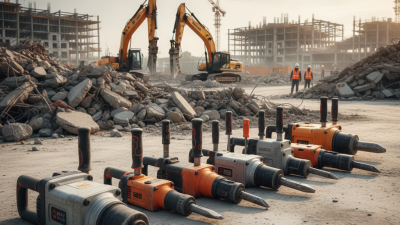
What is Bucket Teeth and How Do They Impact Excavation Equipment?
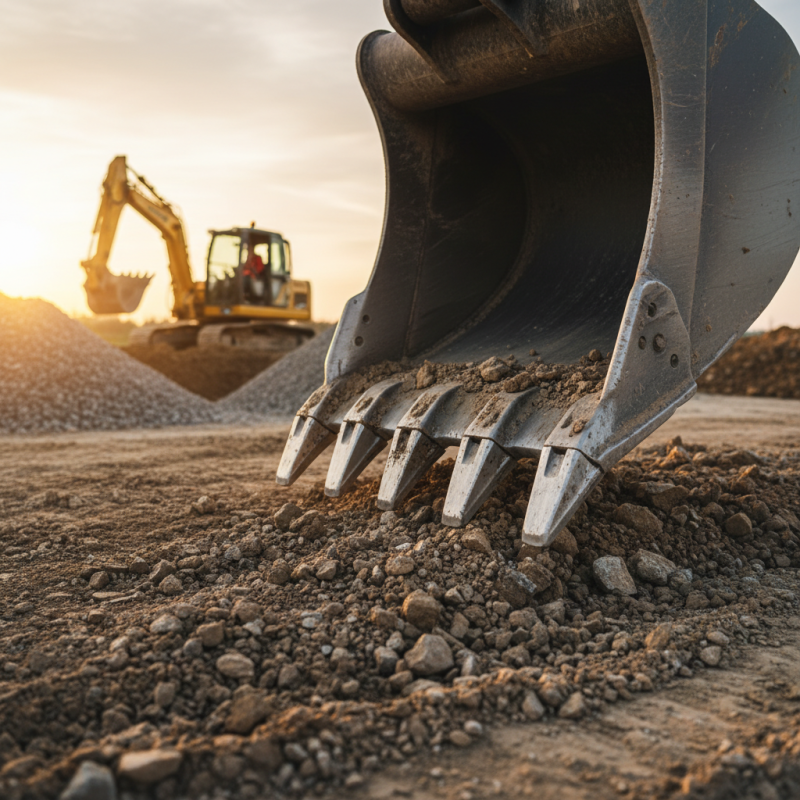
Bucket teeth are crucial components of excavating equipment. They enhance the performance of machines like excavators and backhoes. These teeth are attached to the edge of buckets to improve digging efficiency and precision.
Their design affects how effectively dirt and debris are moved. Different shapes can handle various materials better. For example, sharp teeth penetrate tougher ground, while wider teeth scoop loose soil efficiently. However, selecting the right bucket teeth can be challenging.
In some cases, contractors may underestimate their importance. Poor choices can lead to reduced productivity. Regularly inspected and maintained teeth can prolong the life of excavation equipment. The right bucket teeth not only improve performance but also reduce operational costs.
Understanding Bucket Teeth: Definition and Purpose
Bucket teeth are essential components of excavation equipment.
They play a crucial role in digging, grading, and moving materials.
These teeth allow the bucket to cut through tough surfaces like dirt, clay, and rock.
They ensure efficiency and enhance the performance of excavators.
Understanding bucket teeth involves recognizing their design and function.
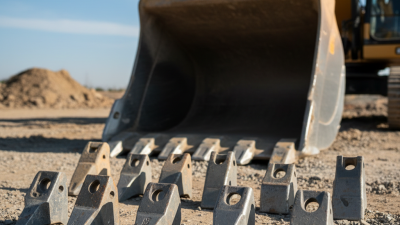
Typically made from durable materials, they come in various shapes and sizes.
Some teeth are wide for digging, while others are pointed for precision.
The choice greatly impacts excavation tasks. However, wear and tear can affect their effectiveness.
Regular inspections are necessary to maintain optimal performance.
In practice, many operators overlook the importance of changing worn teeth promptly.
This oversight can lead to decreased efficiency and increased operational costs.
Furthermore, using the wrong type of teeth might complicate digging tasks.
The balance between performance and maintenance is delicate but essential for effective excavation operations.
The right bucket teeth can make a palpable difference in productivity.
Types of Bucket Teeth and Their Applications in Excavation
Bucket teeth play a vital role in excavation equipment. They are the cutting edges of buckets used on excavators and loaders. Different types of bucket teeth are designed for varied applications. Understanding these types can help improve performance and efficiency.
For instance, standard teeth are versatile. They work well for general excavation tasks on soft and medium soils. However, they lack durability in rocky or hard conditions.
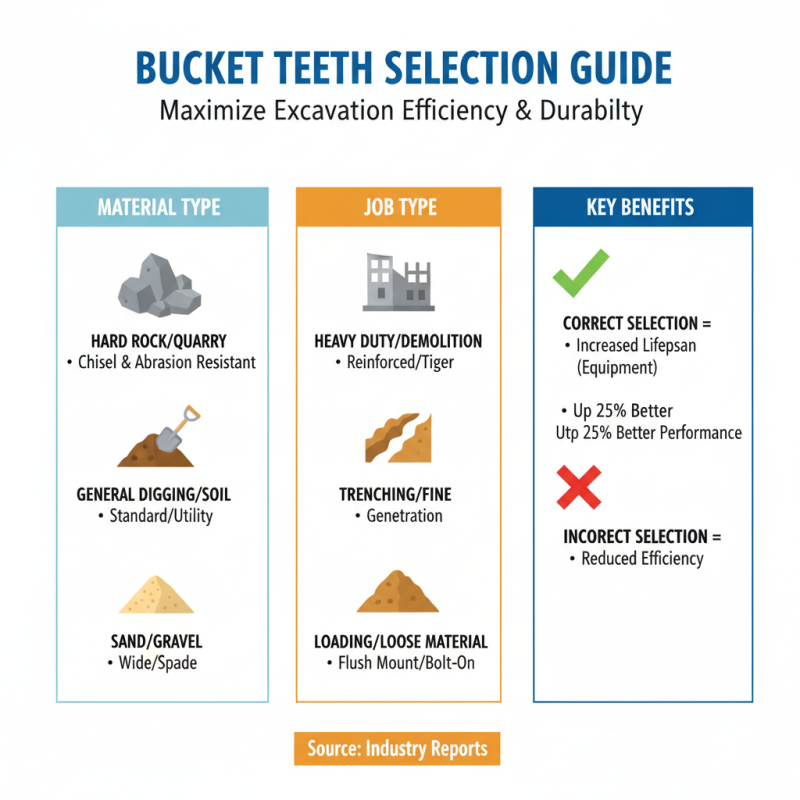
Heavy-duty teeth are made for tougher environments. They feature reinforced tips, allowing for better penetration in abrasive materials. According to industry reports, using the right type of bucket teeth can increase excavation efficiency by up to 25%.
Additionally, there are specialized teeth like wide and narrow options. Wide teeth offer stability and minimize wear, while narrow teeth excel in precision digging. Using the wrong type can lead to equipment wear and project delays. Data indicates that teams often face 15% more downtime due to inefficient tooth choices. The selection of bucket teeth should be strategic, considering factors like soil composition and project goals. Making informed decisions can lead to more successful excavation projects.
How Bucket Teeth Affect the Performance of Excavation Equipment
Bucket teeth are crucial components of excavation equipment. They directly influence performance and efficiency. According to a recent industry report, the right bucket teeth can increase productivity by up to 20%. This boost is vital for contractors who face tight deadlines. Correct tooth selection enhances digging capabilities. It also improves material handling.
Underestimating bucket teeth can lead to problems. For example, using the wrong size or type can result in excessive wear on the bucket. This causes downtime and adds to repair costs. Some studies indicate that machine failures are linked to inappropriate bucket teeth. A staggering 25% of maintenance issues derive from this oversight.
Moreover, the right teeth can minimize fuel consumption. A well-designed tooth structure allows for more precise digging. This efficiency can lead to a 15% reduction in fuel costs. However, many operators overlook this aspect. Regular training on bucket teeth selection could mitigate errors. Investing time in understanding these components is essential for maximizing efficiency.
Impact of Bucket Teeth on Excavation Equipment Performance
This chart illustrates the impact scores of different performance aspects related to bucket teeth in excavation equipment. Scores are rated on a scale of 1 to 10, where higher scores indicate a greater positive impact on the performance, durability, cost efficiency, maintenance ease, and material wear.
Maintenance and Replacement of Bucket Teeth for Optimal Efficiency
Bucket teeth play a crucial role in excavation equipment. They are the first contact point with the ground. Their design influences digging efficiency. Regular maintenance is often overlooked. This can lead to premature wear and inefficient performance.
To maintain optimal efficiency, check bucket teeth frequently. Look for cracks, chipping, or excessive wear. Replacing worn teeth is vital. It ensures smooth operation and prolongs the life of the excavator. However, many operators put off replacements. This can lead to increased fuel consumption and reduced productivity.
Incorporating a maintenance schedule can prevent issues. A simple weekly check can catch problems early. Also, consider the type of materials being excavated. Softer materials may lead to faster wear. Recognizing these factors is essential for reducing costs and improving performance.
Choosing the Right Bucket Teeth for Specific Excavation Tasks
Choosing the right bucket teeth is crucial for successful excavation tasks. Different jobs require specific types of teeth to ensure efficiency and durability. According to industry reports, using the incorrect bucket teeth can lead to increased wear on equipment and reduced overall performance by as much as 25%. Selecting teeth that suit the material being excavated directly impacts the effectiveness of the task.
For example, digging in rocky terrain necessitates stronger, more durable teeth. Conversely, softer soils allow for lighter, sharper teeth, promoting better penetration. It's essential to analyze the environment before making a choice. A mismatched bucket tooth can cause excessive vibration, which might damage the machine over time.
Tips: Always consider the weight and pressure your equipment will encounter. Consult with experienced operators to gain insights into the most effective tooth styles for specific jobs. Regularly inspect and replace worn teeth to avoid unexpected failures. This small step can save costs and enhance performance significantly. Use a systematic approach when deciding; don't rush the choice.

 +86 13794985240
 CONTACT NUMBER
 CONTACT NUMBER