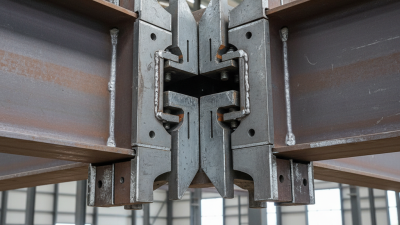
What is a Center Joint and How Does It Work?
A Center Joint plays a crucial role in modern machinery and equipment. It is a pivotal component often found in various mechanical systems, ensuring smooth operation and flexibility. Understanding its function can enhance your knowledge of engineering principles and design.
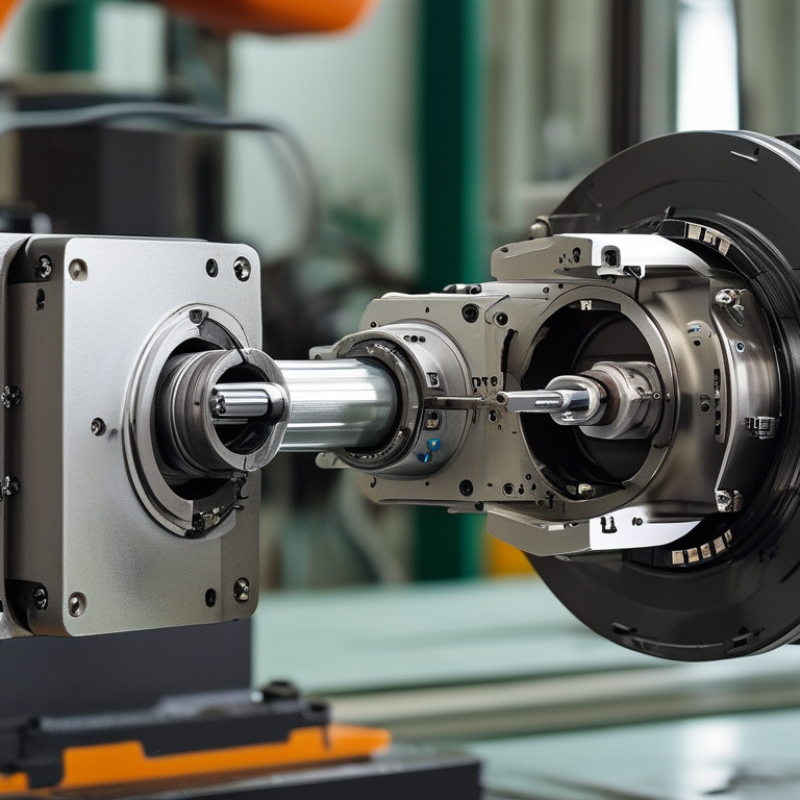
The Center Joint connects different parts, allowing for movement and stability. It works by enabling rotation and flexibility, making it essential in applications like robotics and automation. This connection facilitates precise movement, contributing to the overall effectiveness of the system.
However, many overlook its importance until issues arise. A malfunctioning Center Joint can lead to operational failures. Recognizing the signs of wear can prevent costly repairs. By paying attention to this component, one can ensure long-term reliability and performance improvements.
Definition of a Center Joint in Mechanical Systems
A center joint is a critical component in mechanical systems. It connects two or more parts while allowing rotation or angular movement. This design enhances flexibility and efficiency in various applications. Center joints are often used in vehicles, industrial machinery, and robotics. According to a report by the International Journal of Mechanical Engineering, effective use of center joints can reduce wear by 30% in continuous motion applications.
These joints perform under varying stress conditions. They must withstand torque and ensure optimal motion. A study conducted by the American Society of Mechanical Engineers found that poorly designed center joints can lead to mechanical failure. This emphasizes the importance of precision in design and material selection. Engineers must analyze the operating conditions to avoid common pitfalls.
For effective application, consider the following: ensure proper alignment during installation to prevent early wear. Regular maintenance checks are essential to identify issues early. Monitoring performance can provide critical data. Addressing small problems can save resources in the long run.
Components of a Center Joint and Their Functions
A center joint is an essential component in various machinery and vehicles. It plays a critical role in facilitating movement between two parts. Understanding its components can provide insight into how it functions effectively.
The main components of a center joint include the body, sealing elements, and bearings. The body serves as the primary structure, housing other components. Its design must be robust yet flexible enough to accommodate movement. Sealing elements prevent contamination from dirt and moisture, which can lead to premature failure. These seals ensure the longevity of the joint by keeping lubricants in place. The bearings allow for smooth rotation between interconnected parts, reducing friction and wear.
Despite its seemingly simple structure, the center joint requires careful design and maintenance. Often, users overlook the importance of routine checks. Neglecting to inspect seals can lead to leaks. These leaks may compromise the joint’s performance, resulting in costly damages. Engineers must consider the environment where the center joint operates. Different conditions can affect the efficiency and durability of each component. Reflecting on these aspects can lead to better performance in machinery and vehicles.
Mechanisms of Movement in a Center Joint
A center joint is critical in facilitating movement in the human body. Its design allows for a wide range of motion, often seen in various joints like the shoulder and hip. The center joint acts as a pivot point. Multiple muscles and tendons surround it, enabling complex movements. These movements can be as simple as rotation or as intricate as the coordinated motion required for sports.
Understanding the mechanics of movement in a center joint is essential for anatomy enthusiasts. The humeral head, for example, fits into the glenoid cavity, creating a ball-and-socket structure. This allows for fluid transitions between actions like lifting, throwing, or reaching. However, overuse or improper mechanics can lead to injuries. The alignment of bones and the condition of cartilage also influence how well this joint operates. Regular assessments and adjustments might be necessary as one ages or engages in rigorous activity.
Exploring a center joint's movement reveals its complex nature. Each joint varies in its range of motion and stability, which can be influenced by personal anatomy. Weakness in surrounding muscles can restrict movement. Athletes might find themselves compensating, leading to imbalances. Recognizing these issues requires awareness and reflection, making it important for physical health and mobility.
Applications of Center Joints in Various Industries
Center joints play a crucial role in various industries by providing flexible and stable connections within mechanical systems. In the automotive sector, for instance, center joints are integral to driveshaft assemblies. They allow for smooth power transfer between the engine and wheels, especially when negotiating sharp turns. According to a 2022 report from the Automotive Research Institute, improper functioning of center joints can lead to significant power loss, estimated at around 10% under heavy loads.
In construction equipment, center joints facilitate articulation in machinery like excavators and cranes. These joints enable a 360-degree movement, enhancing operational efficiency. A study from the Construction Equipment Journal noted that equipment equipped with high-quality center joints can improve productivity by up to 15%. This illustrates the impact of robust center joints on operational success in demanding conditions.
It’s essential to conduct regular maintenance on center joints. Neglect can lead to unexpected failures, causing costly downtime. Inspect joints for wear and ensure proper lubrication. Always prioritize quality in replacements when needed. Small negligence can result in larger issues, affecting safety and efficiency.
What is a Center Joint and How Does It Work? - Applications of Center Joints in Various Industries
| Industry |
Application |
Functionality |
Material Used |
| Automotive |
Driveline Systems |
Transmit torque and accommodate misalignment |
Steel, Aluminum |
| Marine |
Steering Systems |
Allow flexible connection between steering gears and rudders |
Stainless Steel, Bronze |
| Aerospace |
Control Surface Actuation |
Maintain control surface alignment during flight |
Titanium, Composite Materials |
| Construction |
Moving Joints in Machinery |
Enable rotation and flexibility of equipment |
High-Strength Steel |
| Textile |
Fabric Machinery |
Connect shafts while accommodating fabric movements |
Polymer Composites |
Maintenance and Troubleshooting of Center Joints
Center joints are crucial components in many mechanical systems. They connect rotating parts and allow for angular misalignment. However, these joints can encounter issues over time, affecting overall performance. Regular maintenance is essential to ensure their longevity and efficiency.
Inspecting center joints involves checking for wear and tear. Look for signs of corrosion or unusual noise during operation. Lubrication is key to preventing friction and reducing wear. Use the appropriate lubricant to ensure smooth movement. If a joint becomes damaged, replacing it promptly can prevent further complications.
When troubleshooting, assess the alignment of connected parts. Misalignment can lead to premature wear. Listen for strange sounds while the machine operates. Addressing small issues early can save time and money later. Remember, even minor irregularities can indicate bigger problems. Regular checks and maintenance habits make a significant difference in prolonging the life of center joints.
Center Joint Maintenance and Performance Data

 +86 18578756148
 CONTACT NUMBER
 CONTACT NUMBER
 CONTACT NUMBER
 CONTACT NUMBER