Why Choose an Arm Cylinder for Your Industrial Applications?
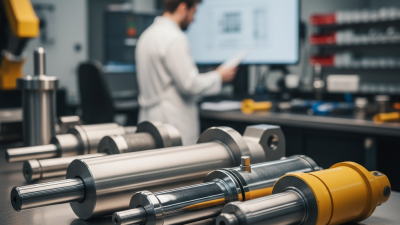
In today’s industrial landscape, choosing the right components can greatly influence operational efficiency. The Arm Cylinder is a notable option, renowned for its durability and flexibility across various applications. Market reports highlight that hydraulic cylinders, including Arm Cylinders, are projected to grow significantly, driven by advancements in automation and robotics.
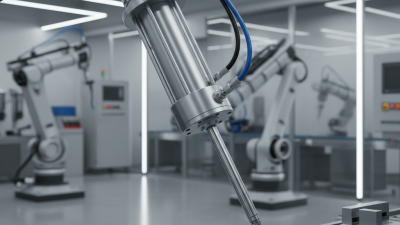
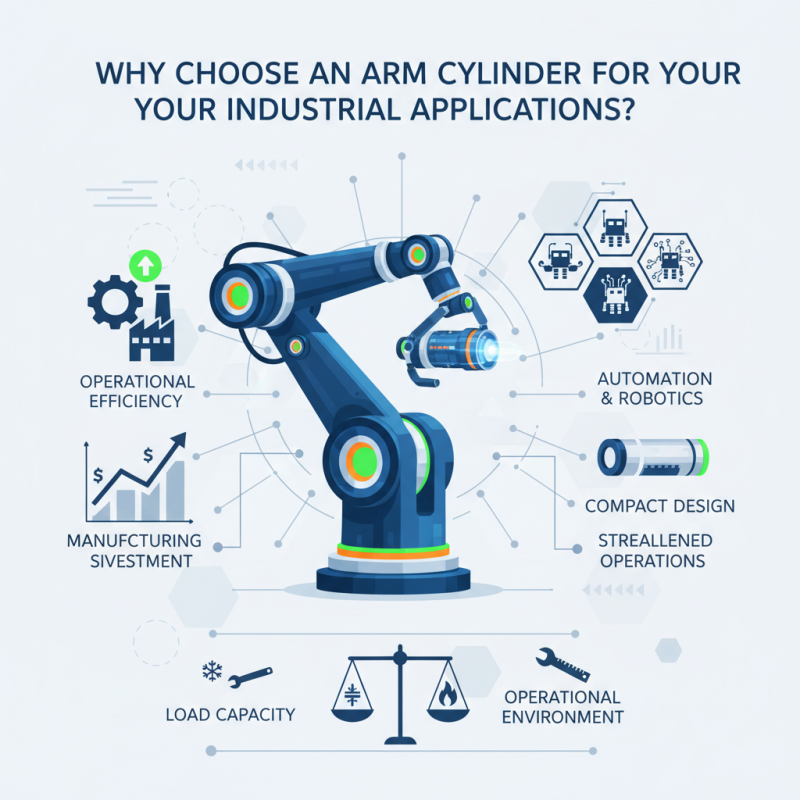
Data indicates that manufacturing sectors increasingly favor components that enhance performance. Arm Cylinders offer compact designs, making them ideal for tight spaces. This feature can lead to more streamlined operations. However, selecting an Arm Cylinder requires careful consideration of application-specific needs.
Many organizations still struggle with optimizing their equipment choices. Not every application is suited for an Arm Cylinder. Potential buyers should evaluate factors such as load capacity and operational environment. Engaging with industry reports and supplier expertise can guide effective decision-making. This ensures that the investment in Arm Cylinders aligns with both current and future production goals.
Benefits of Using Arm Cylinders in Industrial Settings
Arm cylinders are increasingly popular in industrial applications due to their unique advantages. They provide consistent force and precision in various tasks. For instance, during assembly work, they ensure components align perfectly, reducing errors. The durability of these cylinders also stands out. They can withstand harsh environments, from high temperatures to dust exposure, making them a reliable choice.
Another key benefit is their efficiency. Arm cylinders help minimize downtime by quickly performing repetitive tasks. This efficiency can lead to a notable increase in productivity. However, choosing the right size and type can be challenging. Too small an arm cylinder may lack the necessary power, while an oversized one could lead to inefficiencies.
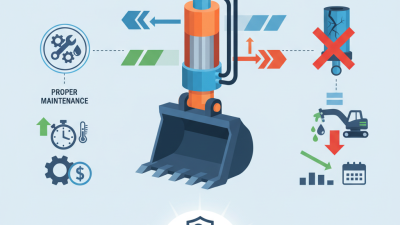
Moreover, maintenance is crucial. Neglecting regular checks can lead to failures. Some facilities struggle with maintenance schedules, causing unexpected issues. Despite these challenges, the adaptability of arm cylinders makes them suitable for a wide range of industries, from automotive to aerospace. By recognizing both their strengths and potential pitfalls, businesses can make informed decisions.
Benefits of Using Arm Cylinders in Industrial Settings
Key Features of Arm Cylinders for Enhanced Performance
Arm cylinders are increasingly becoming the go-to choice for various industrial applications. Their design offers unique advantages that cater specifically to heavy-duty tasks. These cylinders excel in offering high force output while maintaining a compact size. Reports show that arm cylinders can achieve up to 1,000 pounds of force in trucks and heavy machinery. This capability is significant in environments where space is limited but performance demands are high.
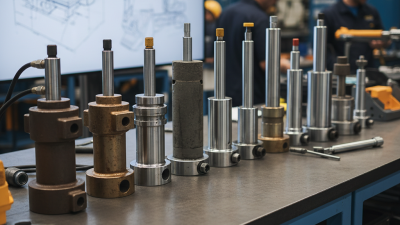
One key feature is their adaptability. Arm cylinders can be customized to fit specific operational needs. They support a variety of attachment styles, making them versatile in use. The materials used in arm cylinders enhance durability and resistance to wear. A study indicates that cylinders made from high-strength steel can last nearly 20% longer than conventional materials under similar conditions.
However, not all arm cylinders are created equal. Selecting the right type requires careful consideration of application and load requirements. Some operators may find they overestimate the necessary specs. This could lead to inefficiencies or even mechanical failures. Proper training on usage and maintenance is crucial for maximizing performance. Balancing features with actual needs can drive better outcomes in demanding industrial settings.
Why Choose an Arm Cylinder for Your Industrial Applications? - Key Features of Arm Cylinders for Enhanced Performance
| Feature |
Description |
Benefits |
| High Load Capacity |
Designed to handle heavy loads efficiently. |
Increases productivity and reduces downtime. |
| Compact Design |
Space-saving design that fits in tight areas. |
Maximizes available workspace. |
| Durability |
Made from high-quality materials for long lifespan. |
Minimizes maintenance costs. |
| Precision Control |
Allows for accurate positioning and movement. |
Enhances operational efficiency. |
| Versatility |
Used in various applications from manufacturing to robotics. |
Adaptable to different operational needs. |
Applications of Arm Cylinders in Various Industries
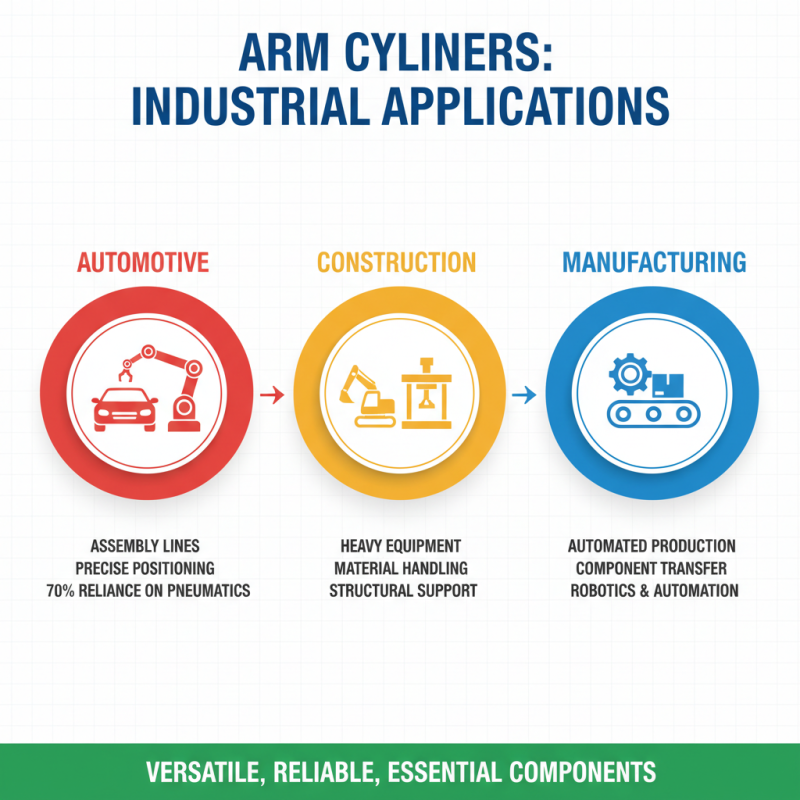
Arm cylinders are versatile components used in many industrial applications. They offer reliable performance, making them essential for various industries. For instance, in the automotive sector, arm cylinders are pivotal in assembly lines. They help position and move heavy components with precision. Reports indicate that about 70% of manufacturers in this field rely on pneumatic solutions for efficiency.
In the construction industry, arm cylinders are utilized in equipment like excavators and cranes. These cylinders provide the necessary force for lifting and moving heavy materials. Data shows that using advanced hydraulic systems can improve operational speed by up to 30%. However, the need for regular maintenance is crucial here. Neglecting it can lead to malfunctions and costly repairs.
Tip: Always inspect your arm cylinders for leaks or wear. Regular checks can prevent unexpected downtime. Additionally, ensure proper filtration in hydraulic systems. Contaminants can lead to reduced efficiency and potential failures. Selecting the right type for your specific application can enhance performance.
Comparison of Arm Cylinders with Other Actuation Devices
Arm cylinders offer unique advantages in industrial applications. Their compact design allows them to fit into tight spaces. This is crucial in manufacturing settings where every inch counts. A recent report from the International Fluid Power Exposition highlighted that arm cylinders provide up to 30% more efficiency compared to traditional hydraulic systems. This efficiency translates to lower energy consumption and reduced operational costs.
In contrast, pneumatic actuators often struggle with energy losses due to leaks. Industry data shows that leakages in pneumatics can exceed 30% under certain conditions. This inefficiency can lead to increased costs and downtime. Moreover, electric actuators, while precise, may lack the robustness needed for heavy-duty tasks. They can overheat under continuous operation, leading to performance issues.
Arm cylinders excel in environments requiring durability. With their ability to handle high loads without deformation, they stand out. Reports indicate that arm cylinders maintain performance over time, reducing the need for frequent replacements. However, it is essential to consider the application context. In some cases, other devices may better suit specific operational demands. That's where careful evaluation is critical.
Maintenance Tips for Maximizing Arm Cylinder Longevity
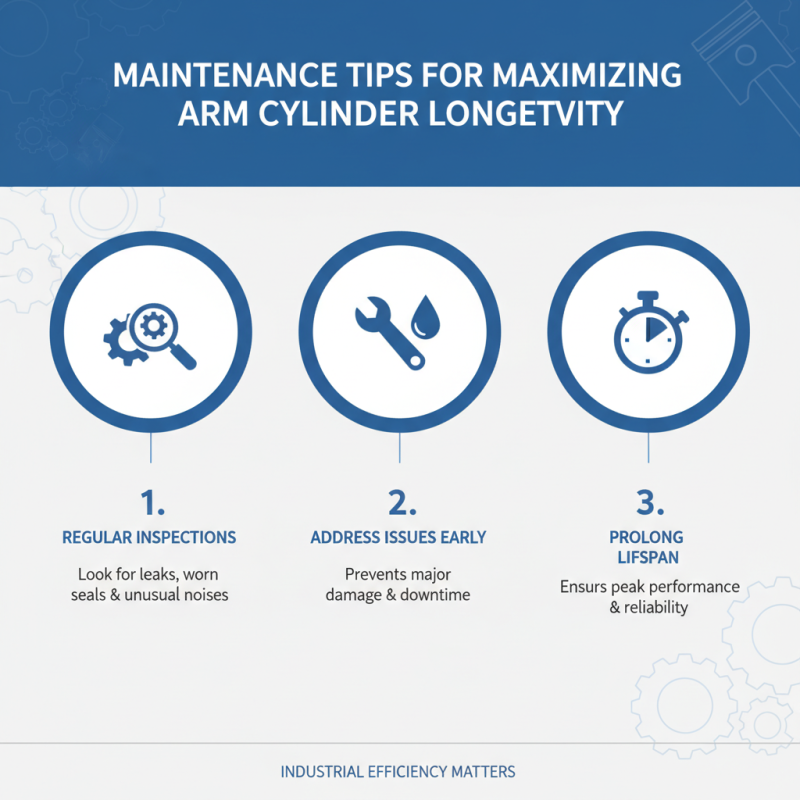
Arm cylinders play a critical role in various industrial applications. To maximize their lifespan, proper maintenance is essential. Regular inspections can catch potential issues early. Check for leaks, worn seals, or unusual noises during operation. These signs can indicate the need for immediate attention.
Lubrication is another vital aspect of maintaining arm cylinders. Use appropriate lubricants to prevent excessive wear. Too much or too little can lead to problems. A simple grease application schedule can make a big difference. However, make sure not to overdo it. Excess grease can trap dirt and moisture.
Cleaning the surrounding area also contributes to longevity. Dust and debris can enter the cylinder, causing damage. Regularly clear the workspace to prevent contamination. Keep the cylinder itself clean after heavy use. These small actions can lead to significant improvements in performance. Remember, neglecting maintenance can result in costly repairs. Reflect on your practices and adjust as needed.

 +86 13794985240
 CONTACT NUMBER
 CONTACT NUMBER