How to Choose the Best Air Filter for Your Needs?
Choosing the right air filter can significantly impact indoor air quality. Many people underestimate its importance. An air filter plays a crucial role in trapping dust, allergens, and pathogens. With countless options available, selecting the best one may seem overwhelming.
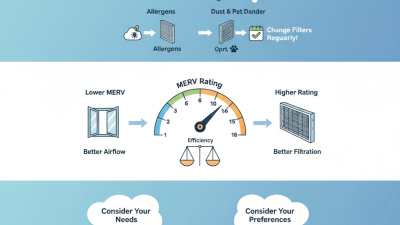
Consider your specific needs. Are you dealing with allergies? Or do you have pets that shed hair? Your situation requires careful consideration. The right air filter should fit your lifestyle. Features to explore include the filter's MERV rating, size, and type. A higher MERV rating indicates better filtration, but may also restrict airflow.
Ultimately, it's a balancing act. You want clean air without straining your HVAC system. Take time to research filter types. Look for user reviews and expert recommendations. Understanding your home’s air quality needs will guide your decision. Remember, a poor choice can lead to health issues and wasted money.
Understanding the Importance of Air Filters for Health and Comfort
Air filters play a vital role in ensuring a healthy living environment. They help reduce allergens, dust, and pollutants in the air. This is essential for those prone to allergies or respiratory issues. The right air filter can enhance your comfort level at home. Yet, many overlook their importance.
When selecting an air filter, consider your specific needs. Different filters cater to various concerns. For example, HEPA filters are effective against small particles. If you have pets, look for filters designed to capture pet dander.
Tips: Change your air filter regularly. This not only improves air quality but also maintains your HVAC system's efficiency. Dust buildup can reduce airflow, leading to higher energy bills. Also, consider the MERV rating. A higher MERV means better filtration but could restrict airflow if too high for your system.
Remember, there isn't a one-size-fits-all solution. Testing different options might be necessary. Evaluate how you feel after installing a new filter. If you notice improvements in air quality, you may have made a good choice. If not, reflect and consider other types of filters.
Types of Air Filters: HEPA, Activated Carbon, and Others
When selecting an air filter, understanding the types available is crucial. HEPA filters are renowned for their efficiency. They can capture 99.97% of particles that are 0.3 microns in size. This includes common allergens like dust mites, pollen, and pet dander. Many studies emphasize that these filters can significantly reduce asthma and allergy symptoms. Their performance is widely recognized in the air purification industry.
Activated carbon filters offer a different approach. They are adept at removing odors and volatile organic compounds (VOCs). These filters work by adsorbing harmful gases. Reports indicate that when combined with HEPA filters, they can provide comprehensive air filtration. However, they do not capture small particulate matter effectively. This mix could lead to gaps in filtration, especially in highly polluted areas.
Other options, like fiberglass filters, are less efficient but more affordable. They trap larger particles but fail against smaller contaminants. With a wide variety available, assessing your specific needs is vital. Choosing the right filter involves trade-offs between cost, efficiency, and maintenance. Balancing these factors can be challenging, yet necessary for optimal air quality.
Factors to Consider When Choosing an Air Filter
Choosing the right air filter is crucial for maintaining indoor air quality. Factors to consider include the filter's MERV rating, size, and type. The Minimum Efficiency Reporting Value, or MERV, indicates how effectively a filter captures particles. A higher rating means better filtration, but it may restrict airflow. Thus, understanding your HVAC system's compatibility is essential.
Another factor to consider is the type of filter. HEPA filters are popular for their efficiency in trapping allergens and dust. However, they may not be necessary for all spaces. Some homes may benefit from pleated filters that capture larger particles while allowing for better air circulation. Size matters too; the filter must fit snugly in the system. An ill-fitting filter reduces efficiency, leading to dust buildup in your space.
While seeking the best option, consider your specific needs. If allergies are a concern, opt for high-efficiency filters. Alternatively, if you're looking for routine maintenance, a standard filter might suffice. Regularly evaluating your choice can also enhance performance. Adapting to changing conditions, like seasons, can help you achieve the optimal air quality you desire.
Evaluating Filter Efficiency Ratings and Life Span
When selecting an air filter, understanding efficiency ratings is crucial. Filters are rated by their Minimum Efficiency Reporting Value (MERV). A higher MERV means better filtration of allergens. For example, a filter with a MERV of 13 captures dust, pet dander, and pollen effectively. However, overly high MERV ratings can restrict airflow, which may strain your HVAC system.
The lifespan of air filters also plays a vital role. Most disposable filters last between one and three months, depending on use and environment. Frequent changing is essential for optimal performance. Dirty filters can harbor bacteria and mold, reducing indoor air quality. Monitoring the condition of your filters helps avoid issues.
It's not always clear which filter is best for your space. Each home has specific needs. Consider factors like the presence of pets, allergies, or asthma. While higher-rated filters seem ideal, they might not fit every system. Balancing efficiency and lifespan is key to a functional choice. Reflection on your environment will guide you.
Air Filter Efficiency Ratings and Life Span
Maintaining and Replacing Your Air Filter for Optimal Performance
Replacing your air filter regularly is crucial for optimal performance. Studies suggest that a clogged filter can reduce air quality by 50%. This poses health risks, especially for vulnerable populations. Maintaining a clean filter enhances airflow, improves system efficiency, and prolongs the life of your HVAC system.
Air filters should typically be inspected every month and replaced every three months. However, factors like pets, local air quality, and system usage can alter this schedule. For instance, homes with pets may require more frequent changes. The Environmental Protection Agency (EPA) recommends a MERV rating between 7 and 12 for residential use. Filters with higher ratings can trap smaller pollutants, leading to cleaner air.
It's imperative to understand that choosing the right filter is only part of the equation. Proper installation is equally important. A poorly installed filter can allow unfiltered air to bypass it. Regular checks can help identify potential issues. Remember, a proactive approach to filter maintenance can significantly enhance indoor air quality and your overall well-being.
How to Choose the Best Air Filter for Your Needs? - Maintaining and Replacing Your Air Filter for Optimal Performance
| Filter Type |
MERV Rating |
Efficiency |
Lifespan (months) |
Maintenance Frequency |
| Fiberglass Filters |
1-4 |
Low |
1-3 |
Monthly |
| Pleated Filters |
5-13 |
Medium |
3-6 |
Every 3 months |
| HEPA Filters |
13-16 |
High |
6-12 |
Every 6 months |
| Activated Carbon Filters |
1-3 |
Variable |
3-5 |
Every 3 months |
| Electrostatic Filters |
5-10 |
Medium to High |
6-12 |
Every 6 months |

 +86 18578756148
 CONTACT NUMBER
 CONTACT NUMBER
 CONTACT NUMBER
 CONTACT NUMBER