How to Choose the Best Frame Support Bracket for Your Needs?
Choosing the right Frame Support Bracket is essential for ensuring stability and durability in various projects. These brackets come in different styles, materials, and sizes, which can be overwhelming. Preferences vary based on specific needs, such as weight capacity and environmental conditions.
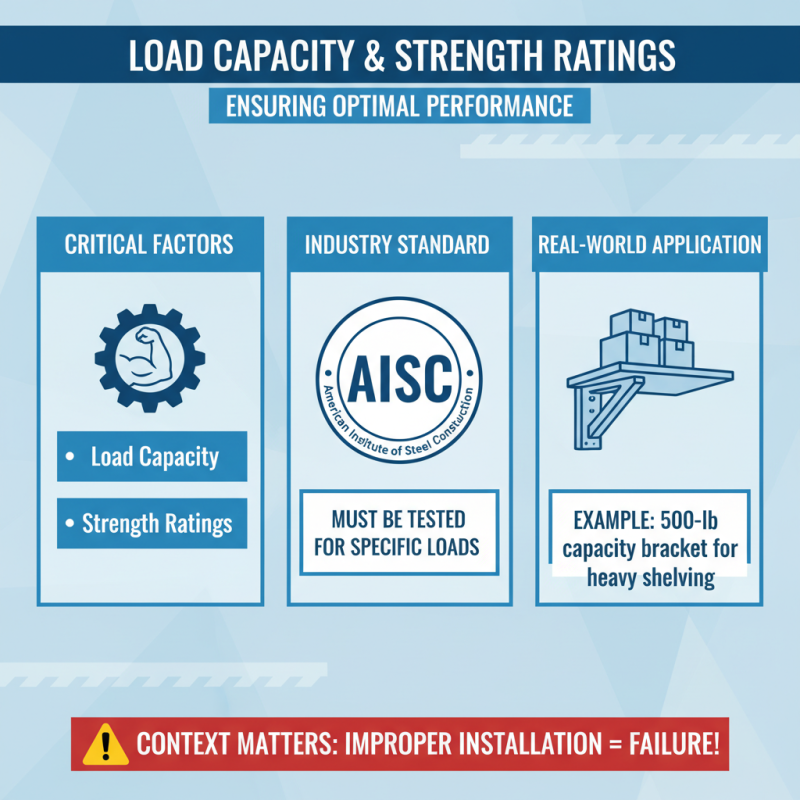
Before making a decision, consider the intended application. A heavy-duty bracket may be necessary for structural support, while lighter options suffice for decorative purposes. Understanding the weight your frame must bear is critical. Additionally, the material can impact longevity. For example, metal brackets may offer greater strength than plastic counterparts but might not fit all designs.
Moreover, it is crucial to look for reputable manufacturers. Doing so ensures that your Frame Support Bracket will perform reliably over time. Reading customer reviews can provide insights into their experience. Pay attention to the installation process. Some brackets may be easier to install than others, affecting your overall project timeline. It is a choice that requires careful thought and a bit of trial and error.
Understanding Frame Support Brackets: Types and Materials Explained
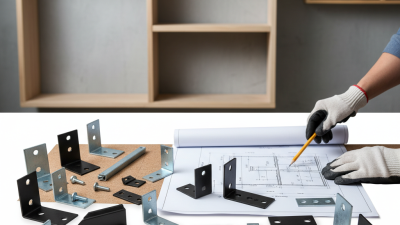
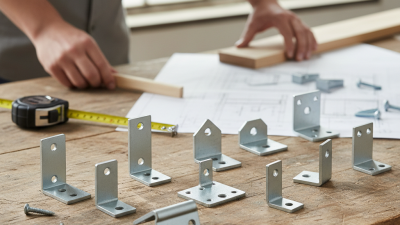
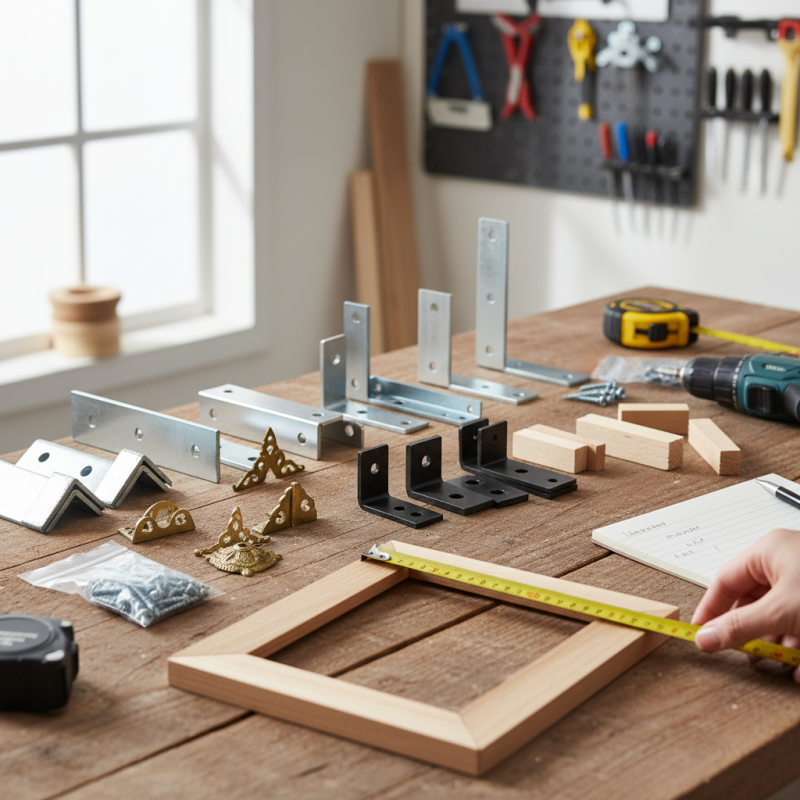
Frame support brackets are essential components in various construction projects. Understanding the types and materials of these brackets can significantly impact their performance. Common types include L-shaped, straight, and corner brackets. Each type serves specific functions and offers unique strengths. For instance, L-shaped brackets provide sturdy corner reinforcement. Meanwhile, straight brackets excel in spanning long distances.
Materials matter as well. Metal brackets are often favored for their durability and strength. Stainless steel is resistant to rust, making it ideal for outdoor use. Plastic brackets, while lightweight, may lack the strength required for heavy applications. Using the wrong material can lead to structural failures.
Reflecting on your choice of brackets is crucial. Consider the load they'll support and the environmental conditions they will face. An inappropriate selection can compromise safety. Always analyze the specific demands of your project before finalizing your choice. This careful consideration ensures that functional requirements are met while also maintaining aesthetic values.
Comparison of Frame Support Bracket Materials
This bar chart compares the weight capacity of various frame support bracket materials. Steel brackets offer the highest weight capacity, making them ideal for heavy-duty applications, while plastic brackets are suitable for lighter loads.
Key Factors to Consider When Selecting Frame Support Brackets
When selecting frame support brackets, consider the material and strength. Aluminum and steel are common choices. Aluminum is lightweight but may not bear heavy loads. Steel offers more strength but adds weight. Assess where the brackets will be used. Indoor applications might allow for lighter materials, while outdoor settings require durable, weather-resistant options.
Evaluate the size and weight specifications too. Measurement accuracy is vital. If your brackets are too small or weak, they won't perform. Look for recommendations from building professionals. Their experience helps you avoid common pitfalls. Consider installation ease. Some brackets come with clear instructions, while others do not. Take time to review before purchasing.
Think about aesthetics. Some may prioritize looks over performance. Brackets should complement your overall design. Be wary of trends that don’t last. These may not suit your long-term needs. Remember to balance functionality and style. Finding the right support bracket blends various factors into a cohesive choice.
Installation Techniques and Best Practices for Frame Support Brackets
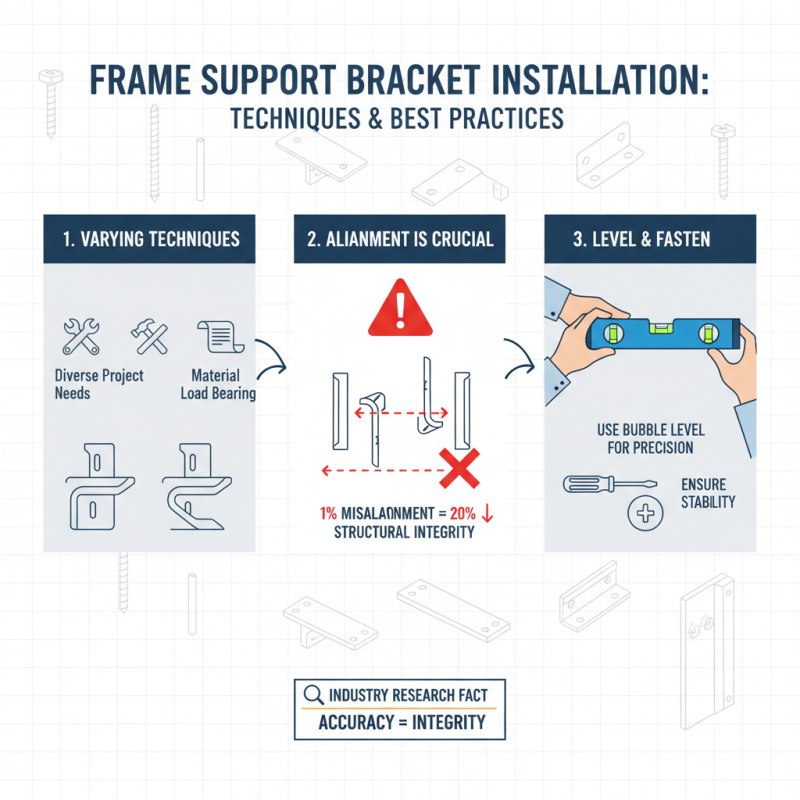
Installation techniques for frame support brackets can vary widely based on project requirements. Proper alignment is crucial to ensure stability. According to industry research, a mere 1% misalignment can lead to a 20% decrease in structural integrity. It is essential to level the brackets accurately before fastening them, using a bubble level for precise alignment.
When placing frame support brackets, consider their load-bearing capacity. Reports indicate that improper installation can result in catastrophic failures in construction projects. Use the appropriate screws and anchors for the material you are working with. For instance, wood screws should never be used for concrete applications. Each material requires specific fasteners to maintain optimal support.
Regular maintenance checks are vital post-installation. A study revealed that 30% of structural failures are due to neglected support systems. Inspect for signs of wear, rust, or corrosion. Addressing minor issues during routine checks can prevent larger, costly repairs in the future. Knowledge of these practices helps ensure the longevity and reliability of your frame support systems.
Maintenance and Longevity: Extending the Life of Your Bracket System
Maintaining your frame support bracket system is crucial for longevity. Regular inspections can prevent minor issues from becoming major problems. Look for signs of wear, such as rust or cracks. Even small rust spots can lead to bigger structural failures if ignored. Check bolts and screws for tightness; loose components can compromise stability.
Cleaning your brackets is another vital aspect of maintenance. Dust and grime can accumulate, hindering performance. Use a soft cloth and appropriate cleaner to remove buildup. Ensure that water does not linger on surfaces, as moisture can accelerate deterioration. Understanding the materials used in your brackets can inform better maintenance strategies. Some materials may require specific products to avoid damage.
Over time, all systems face wear. Don't overlook small changes in support behavior; it could signal a need for adjustment or replacement. Listening to your structure can provide clues. If something seems off, it’s worth investigating. Being proactive can save time and money in the long run. Regular maintenance is not just about fixing but also about preventing issues before they arise.
How to Choose the Best Frame Support Bracket for Your Needs? - Maintenance and Longevity: Extending the Life of Your Bracket System
| Type of Bracket |
Material |
Load Capacity (lbs) |
Corrosion Resistance |
Maintenance Required |
Expected Lifespan (Years) |
| L-Bracket |
Steel |
200 |
Moderate |
Annual check |
10 |
| Z-Bracket |
Aluminum |
150 |
High |
None |
15 |
| Corner Bracket |
Plastic |
100 |
Low |
Every 6 months |
5 |
| Heavy Duty Bracket |
Stainless Steel |
300 |
Very High |
Annual check |
20 |

 +86 18578756148
 CONTACT NUMBER
 CONTACT NUMBER
 CONTACT NUMBER
 CONTACT NUMBER