Why Choose Cylinder Seal Kits for Optimal Performance?
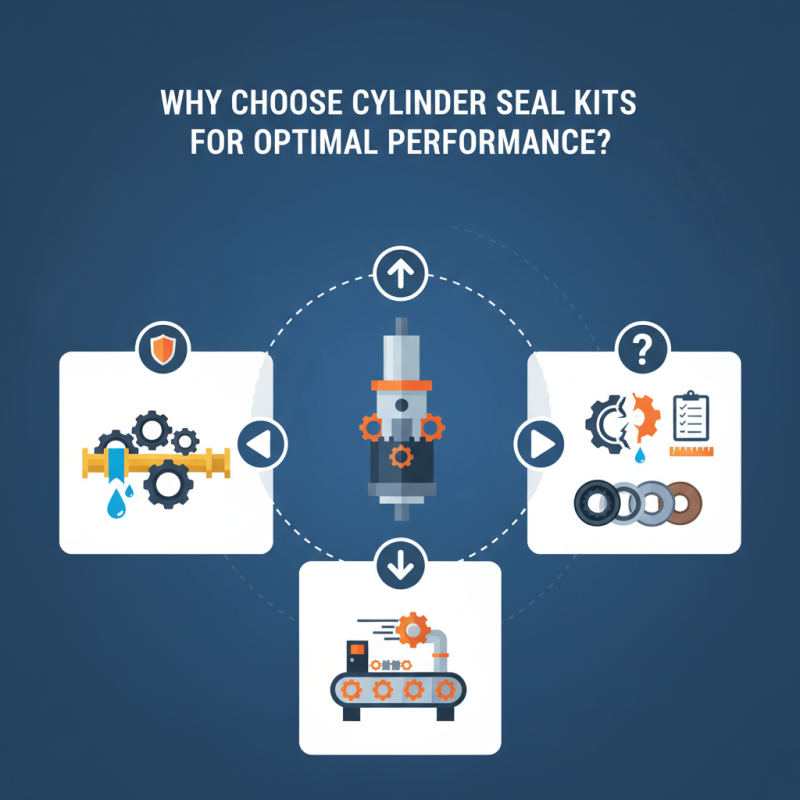
Cylinder Seal Kits play a crucial role in enhancing machine performance. These kits are essential for various industries. They ensure reliable operations in hydraulic systems, preventing leaks and failures. Proper sealing directly impacts efficiency and longevity.
Using high-quality Cylinder Seal Kits can be a game changer. They provide optimal sealing solutions that improve overall machinery output. When components fit perfectly, machines operate smoothly. This reduces downtime and increases productivity.
Yet, not all Cylinder Seal Kits are created equal. Picking the right one requires careful consideration. Factors like material, size, and compatibility matter. An improper choice can lead to performance issues. It's important to reflect on these aspects when investing in these critical components.
Understanding Cylinder Seal Kits: An Overview
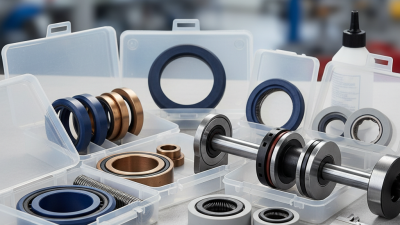
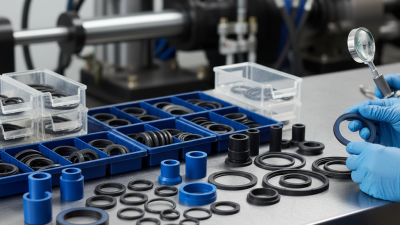
Cylinder seal kits are essential components in many hydraulic and pneumatic systems. They play a crucial role in ensuring that these systems operate efficiently. Properly functioning seals prevent leaks and maintain pressure, which is vital for optimal performance. These kits typically contain O-rings, backup rings, and guide rings that work together to create a reliable barrier.
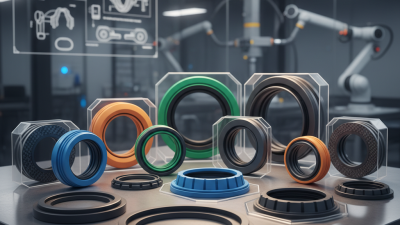
Understanding the materials used in cylinder seal kits is important. Different applications may require seals made of various elastomers. Each material offers unique properties, such as temperature resistance and chemical compatibility. This diversity allows for tailored solutions that meet specific needs. However, selecting the right seal kit can be challenging. Sometimes, the wrong choice leads to premature wear or failure. It's critical to analyze requirements thoroughly.
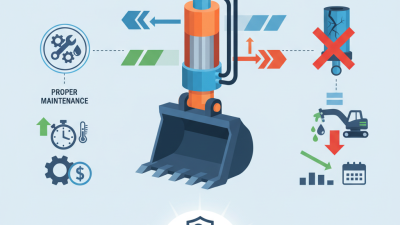
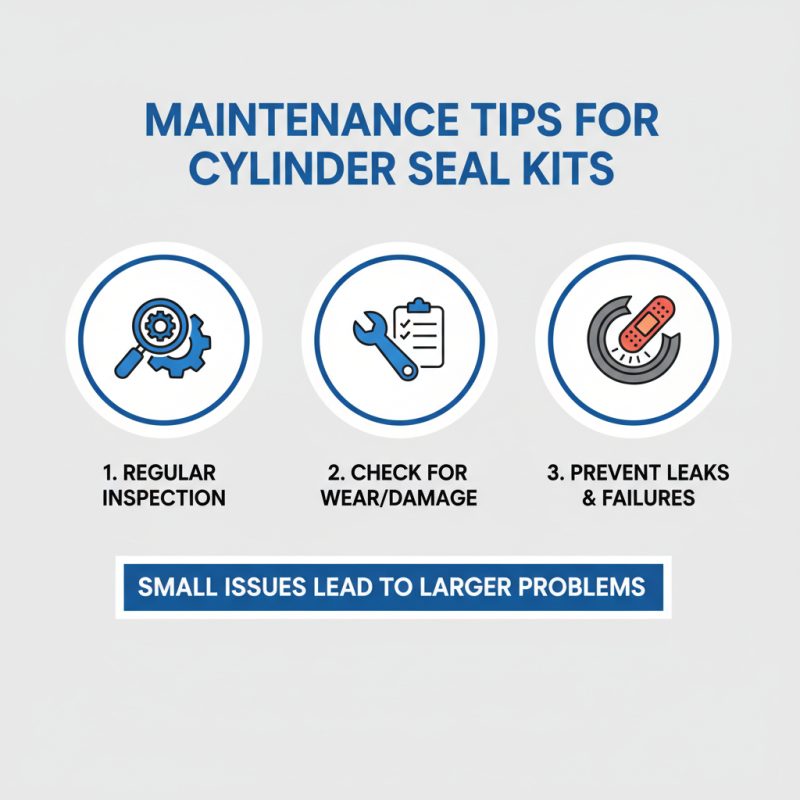
Regular maintenance is also a key aspect of using these kits. Over time, seals degrade due to pressure and friction. Monitoring their condition helps prevent unexpected downtime. Installing a new seal kit without addressing the underlying issues is often a short-sighted approach. A complete understanding of the system is vital for long-term reliability. Balancing performance with cost can be tricky. Seeking expert advice can improve decision-making in this regard.
Performance Comparison of Cylinder Seal Kits
This chart illustrates the performance ratings of different cylinder seal kits based on testing data. Each kit's performance is rated on a scale from 1 to 10, showcasing Kit D with the highest performance score and Kit E with the lowest. This comparative analysis can assist users in selecting the most effective cylinder seal kit for optimal performance.
Benefits of Using Cylinder Seal Kits for Equipment Performance
Cylinder seal kits play a crucial role in enhancing equipment performance. These kits are designed to provide effective sealing for hydraulic and pneumatic systems. When properly installed, they prevent leaks and protect against contamination. A good seal ensures that the equipment runs smoothly, maintaining optimal performance levels.
Using cylinder seal kits can lead to better efficiency and reduced downtime. With proper seals, the risk of fluid loss decreases significantly. This preservation of hydraulic fluid not only helps in reducing costs but also minimizes environmental impact. In addition to cost savings, reliable seals contribute to equipment longevity. Yet, selecting appropriate kits can be challenging, as incompatible seals may lead to performance issues.
Regular maintenance and timely replacement of seals are vital. Equipment operators might overlook this aspect due to busy schedules. Neglecting seal condition may result in unexpected failures. This can become a costly oversight. Evaluating seal integrity is essential for maintaining overall equipment reliability. Investing time in routine checks can yield substantial long-term benefits.
Key Components of Cylinder Seal Kits and Their Functions
Cylinder seal kits are crucial for the optimal performance of hydraulic and pneumatic systems. These kits typically include O-rings, seals, and wipers. Each component plays a specific role in maintaining system efficiency. O-rings provide a tight seal to prevent leakage. Seals protect against dust and contaminants. Wipers keep surfaces clean, thereby extending the life of the equipment.
When choosing cylinder seal kits, consider the materials used. High-quality elastomers can withstand temperature fluctuations and chemical exposure. They help maintain system integrity under various conditions. For instance, proper sealing can improve energy efficiency and reduce downtime.
**Tip:** Regularly inspect seal kits for wear and tear. Even small cracks can lead to significant fluid loss. Replacing seals proactively can save on costly repairs later. Always maintain an inventory of common seal sizes. This ensures quick replacements when needed, minimizing interruption in operations.
Why Choose Cylinder Seal Kits for Optimal Performance?
| Component |
Function |
Material |
Common Use Cases |
| O-Rings |
Creating a seal between two parts to prevent leaks |
Nitrile Rubber (NBR) |
Hydraulic systems, automotive applications |
| Seal Caps |
Capping off exposed parts to enhance sealing efficiency |
Plastic or Metal |
Industrial machinery, automotive |
| Back-up Rings |
Prevents O-ring extrusion under high pressure |
Polyurethane |
Heavy machinery, pneumatic systems |
| Gaskets |
Seals two surfaces together to prevent leakage |
Cork, Rubber |
Automotive engines, HVAC systems |
| Cylinder Seals |
Control fluid movement in hydraulic cylinders |
Fluorocarbon (FKM) |
Hydraulic systems, heavy machinery |
Factors to Consider When Selecting Cylinder Seal Kits
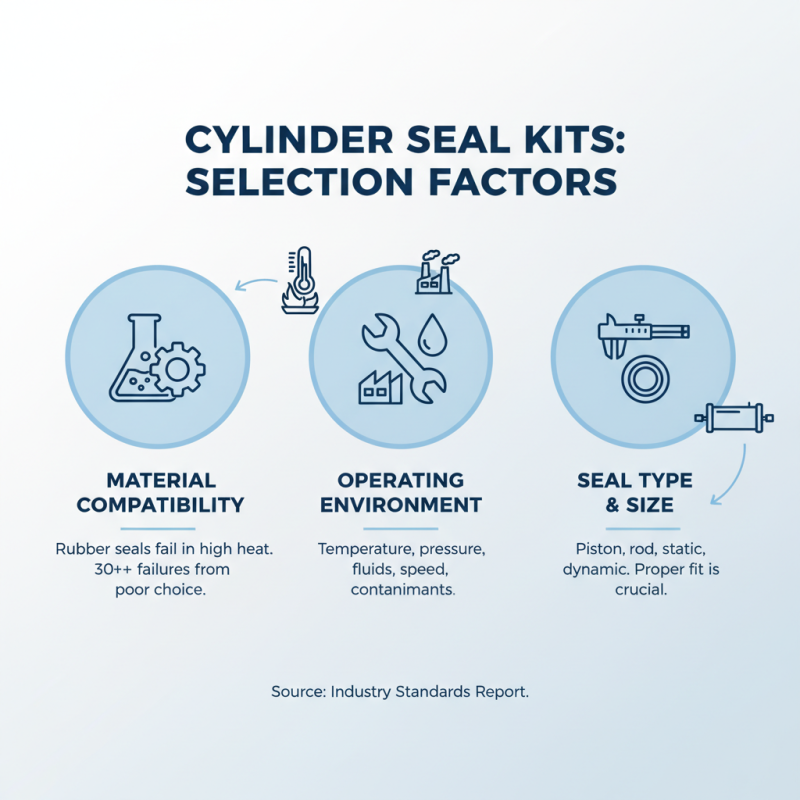
When selecting cylinder seal kits, various factors come into play. Material compatibility is paramount. For example, rubber seals might fail in high-temperature environments. According to industry standards, over 30% of seal failures stem from poor material choice. It’s crucial to assess the environment in which the seals will operate.
Next, consider the size and fit of the seals. An incorrect size can lead to significant performance issues. Research indicates that improper seal installation can reduce equipment efficiency by up to 25%. Ensure precise measurements before purchasing. Also, examine the seal design, as factors like surface finish and profile impact sealing effectiveness.
Lastly, don't overlook the manufacturer’s reputation. Reliable sources suggest that seals from established manufacturers tend to perform better in demanding conditions. Checking for industry certifications can also provide valuable insights. While cost is essential, opting for the lowest price might lead to higher long-term costs due to failures or replacements. Balancing cost with performance and reliability is key.

 +86 18578756148
 CONTACT NUMBER
 CONTACT NUMBER
 CONTACT NUMBER
 CONTACT NUMBER