How to Choose the Right Air Filter for Your Home?
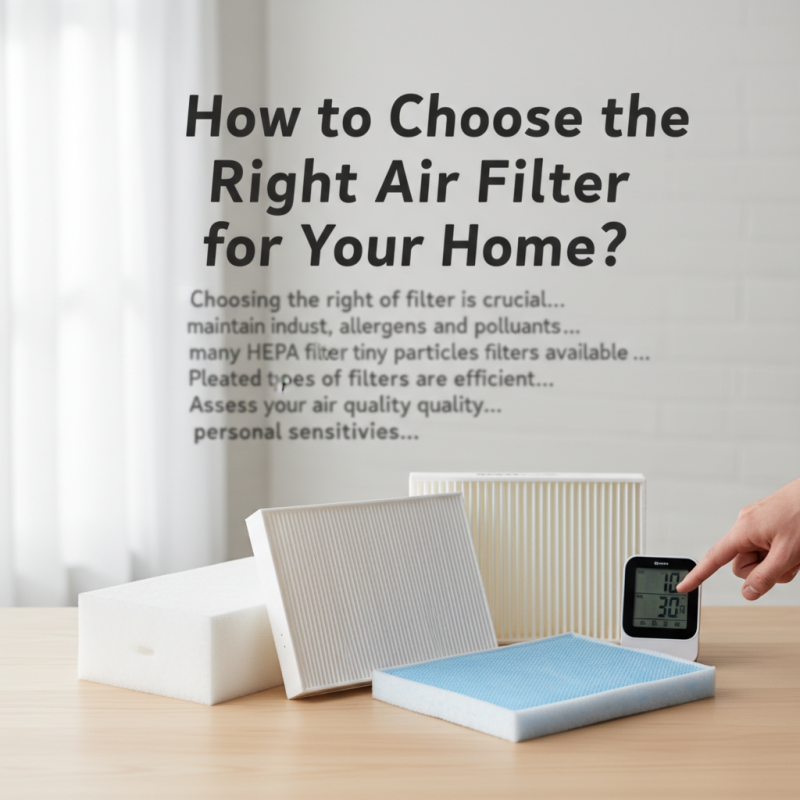
Choosing the right air filter is crucial for every home. Air filters are essential for maintaining indoor air quality. They help remove dust, allergens, and pollutants from the air.
There are many types of air filters available. Each type has its specific benefits and downsides. For instance, HEPA filters capture tiny particles but may restrict airflow. Pleated filters are efficient but can be less effective with larger particles. It’s important to think about your specific needs.
Remember that not every filter is suitable for all environments. Incomplete research can lead to poor choices. Assess your air quality and consider personal sensitivities. A wrong air filter can make matters worse. Selecting the right air filter involves careful consideration. Be sure to weigh all options before making a decision.
Understanding the Importance of Air Filters in Home Air Quality
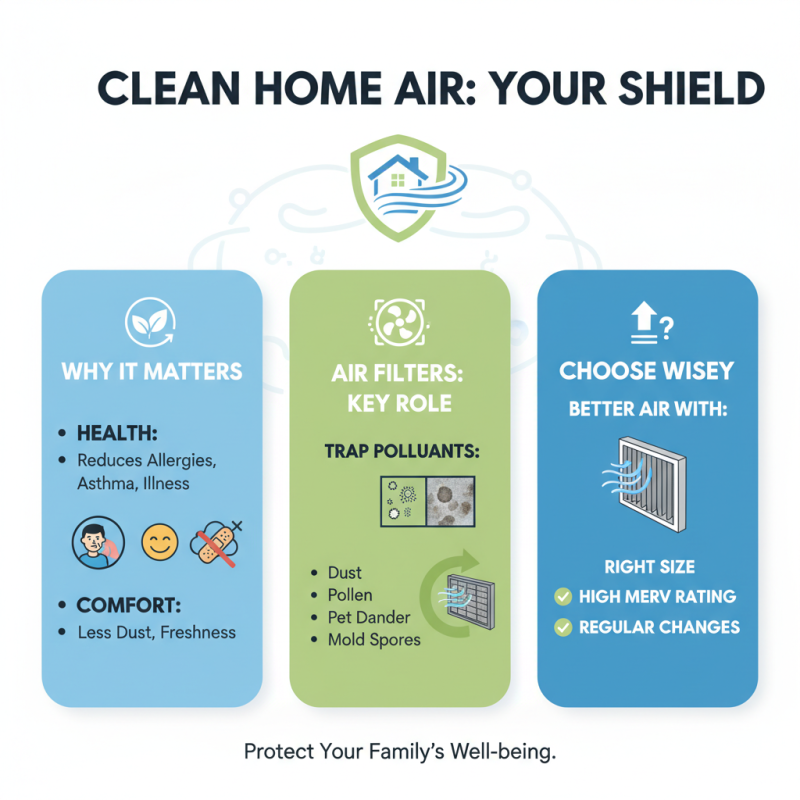
Air quality significantly impacts our health and comfort at home. Air filters play a crucial role in maintaining clean indoor air. They help capture dust, allergens, and other pollutants. Without a good filter, your home could become a breeding ground for harmful particles. Choosing the right filter is vital for your family's well-being.
Tips: Look for filters with a high MERV rating. A higher rating means better filtration. Consider replacing filters regularly. Clogged filters reduce efficiency. Often, people forget to check the filter status. This oversight can lead to poor air quality.
Many types of air filters are available. Some focus on allergens, while others target odors and chemical pollutants. Weigh your needs carefully. You might prioritize allergy relief over odor control or vice versa. Ensure you assess your specific circumstances. It’s easy to assume all filters are equal, but they are not. Each has strengths and weaknesses, and this is sometimes overlooked.
Types of Air Filters and Their Functionality Explained
When selecting an air filter for your home, understanding different types is essential. HEPA filters are popular for their efficiency. They can capture 99.97% of particles as small as 0.3 microns. These filters excel at trapping dust, pollen, and pet dander. However, they can restrict airflow if not maintained properly. Regular replacement is necessary to keep them effective.
Electrostatic filters use static electricity to attract particles. They are washable, so you save on replacements. Yet, if not cleaned regularly, their performance may decline. Activated carbon filters target odors and gases. They are helpful in kitchens. But, they might not catch smaller particles effectively. Balancing filter types can enhance indoor air quality and create a fresher environment.
How to Choose the Right Air Filter for Your Home? - Types of Air Filters and Their Functionality Explained
| Type of Air Filter |
Functionality |
Efficiency Rating (MERV) |
Lifespan |
Best For |
| HEPA Filter |
Traps 99.97% of particles 0.3 microns and larger |
17-20 |
3-5 years |
Allergy sufferers, asthma patients |
| Activated Carbon Filter |
Absorbs odors, gases, and VOCs |
5-8 |
6-12 months |
Removing odors, smoke, chemical pollutants |
| Fiberglass Filter |
Traps larger particles like dust and lint |
1-4 |
1-3 months |
Cost-effective solution for basic filtration |
| Pleated Filter |
More surface area for better filtration |
8-13 |
3-6 months |
General indoor air quality improvement |
| Electronic Air Filter |
Uses electrostatic charge to attract particles |
7-12 |
3-5 years |
Reducing small particles and allergens |
Factors to Consider When Choosing an Air Filter for Your Home
Choosing the right air filter for your home can significantly impact indoor air quality. One key factor is the filter's MERV rating. The Minimum Efficiency Reporting Value (MERV) indicates how well a filter captures particles. A filter with a MERV rating of 11 or higher can capture 95% of airborne particles. This can be crucial for people with allergies or respiratory issues.
Another factor to consider is the type of filter media. HEPA filters are often recommended because they can trap particles as small as 0.3 microns. This includes dust, pollen, and pet dander. However, they require more frequent replacement. Many users find that they forget to change filters regularly. Neglecting this task may lead to reduced airflow and inefficient filtration.
Consider your home's specific needs. Homes in urban areas might need filters designed for pollutants like smoke and industrial dust. Reports suggest that indoor air can be 2 to 5 times more polluted than outdoor air. Regular testing can help determine the right type of filter for your circumstances, ensuring clean air in your living space. Many homeowners overlook this aspect, leading to poor air quality.
Maintenance Tips for Prolonging the Life of Your Air Filter
Regular maintenance of your air filter can significantly enhance its lifespan and efficiency. According to the Environmental Protection Agency, air filters in residential settings should be replaced every 1 to 3 months. Dust and allergens can build up quickly. Regular checks can prevent lower air quality.
Monitor the filter’s condition visually. A clogged filter may look visibly dirty. This means it’s time for a change. Some filters have a warning system, but relying on your eyes can be more reliable. The performance of your HVAC system can suffer from a neglected filter. This can lead to higher energy bills.
Consider cleaning reusable filters. Washing them once a month can prolong their life. This can save money in the long run. However, don’t overdo it. An excessive wash can degrade the filter's material. Check the manufacturer's guidelines. Be aware that improperly maintained filters can lead to mold growth. This can impact your family's health. Stay proactive with your air filter care. Your home's air quality depends on it.
How to Properly Install Your Air Filter for Maximum Efficiency
Proper installation of your air filter is crucial for maintaining indoor air quality. An efficient air filter can capture airborne pollutants effectively, but if it’s not installed correctly, it may not perform as intended. According to the U.S. Environmental Protection Agency, indoor air can be two to five times more polluted than outdoor air. This highlights the need for effective air filtration at home.
When installing your air filter, ensure it fits snugly in the filter slot. Gaps can let unfiltered air pass through, reducing efficiency. Also, check the direction of airflow. Most filters have arrows indicating the airflow direction. If installed backwards, the filter might not capture dust and allergens effectively. The American Lung Association suggests changing your air filter every one to three months. A neglected filter can become clogged, increasing strain on your HVAC system and leading to higher energy bills.
While it can be easy to overlook, keeping your air filter in check is vital. Regular maintenance and proper installation are often forgotten aspects of home care. If you notice fluctuating air quality, it might be time to reevaluate your filter choice and installation method. It's essential to reflect on whether you're doing enough to keep your indoor environment healthy.
Air Filter Efficiency by Type
This chart illustrates the efficiency percentages of different types of air filters available for home use. Selecting the right air filter based on its efficiency can significantly enhance your home's air quality.

 +86 13794985240
 CONTACT NUMBER
 CONTACT NUMBER