How to Choose the Right Bucket Teeth for Your Excavator?
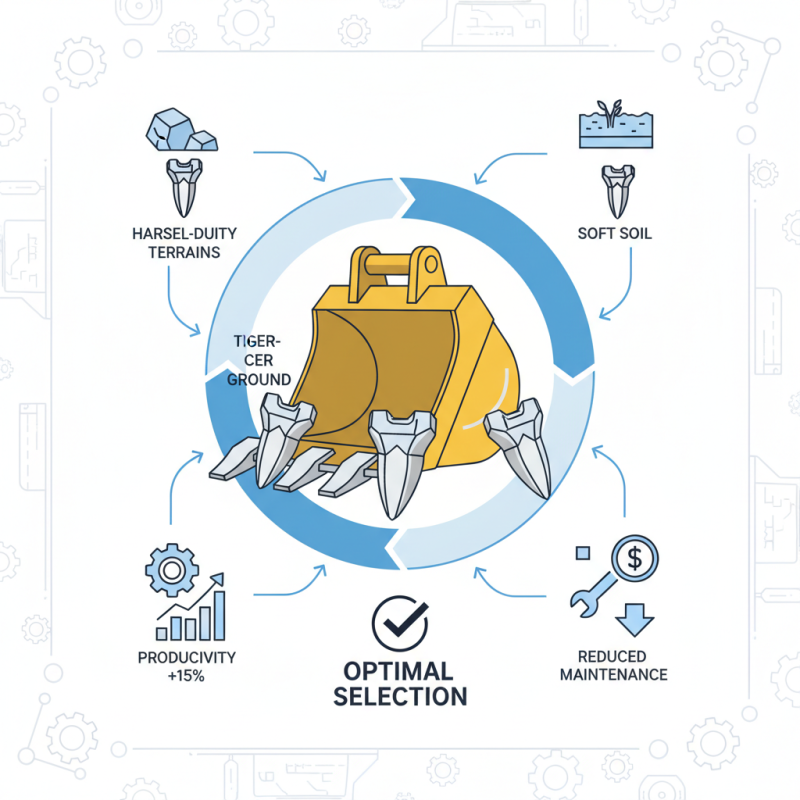
Choosing the right bucket teeth for your excavator is a critical decision in the construction industry. Bucket teeth play a significant role in optimizing the efficiency of excavation projects. According to a recent report by the Association of Equipment Manufacturers, using quality bucket teeth can enhance productivity by up to 15%. Proper teeth selection can minimize wear and tear on your equipment, reducing overall operating costs.
When selecting bucket teeth, one must consider the specific application and soil type. For instance, harsh terrains demand more robust bucket teeth that can withstand extreme conditions. Different materials and designs serve different purposes. Statistics indicate that improper selection can lead to a 30% increase in maintenance costs. A reflection on this might reveal that many operators overlook the importance of correct specifications, leading to potential setbacks in their projects.
With a multitude of options available, it’s essential to understand which features to prioritize. Factors like durability, wear resistance, and compatibility with existing equipment are pivotal. It's easy to get caught up in aesthetics or price, but the long-term implications of your choice are considerable. What works for one project might not suit another, making careful consideration vital.
Understanding the Different Types of Excavator Bucket Teeth
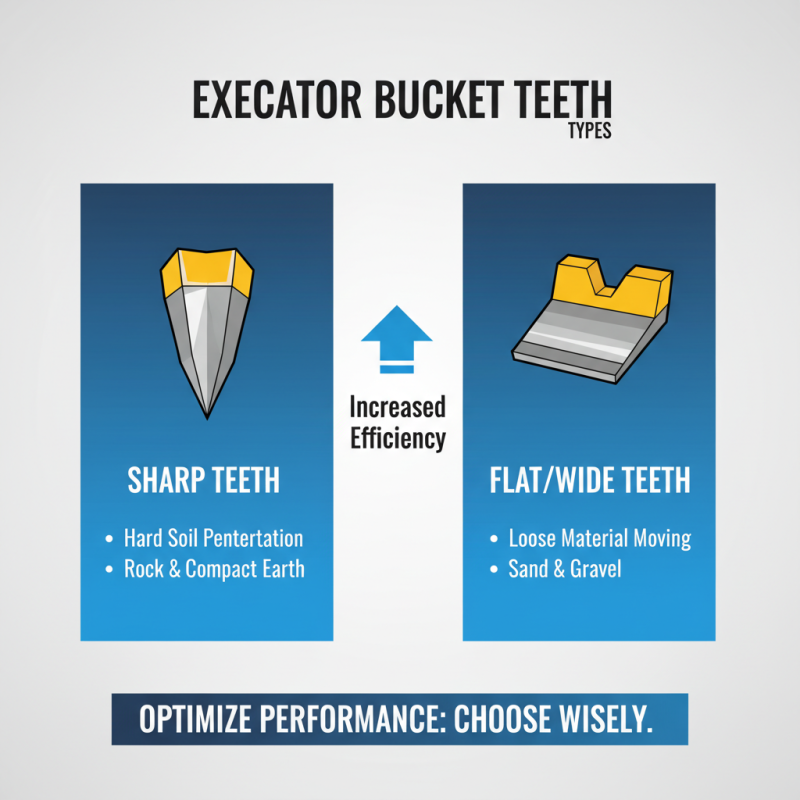
When selecting the right bucket teeth for your excavator, understanding the different types is crucial. Bucket teeth come in various shapes and sizes, and each type serves a specific purpose. For instance, sharp teeth are perfect for penetrating hard soil, while wider, flatter teeth excel in moving loose materials. Choosing the right one can significantly impact your project's efficiency and performance.
Additionally, consider the material and durability of the teeth. High-quality steel teeth tend to last longer and withstand heavy wear. However, some users might find that cheaper alternatives offer short-term savings but require more frequent replacements. This can lead to increased downtime and costs in the long run. Reflecting on past choices can help refine your criteria for future purchases.
It’s also vital to match the bucket teeth to your excavator's size and type. A mismatch can lead to ineffective digging and even damage to the machine. Think about the specific tasks you regularly perform. If you frequently switch tasks, consider a versatile option. Careful evaluation today can save time and effort tomorrow.
Evaluating Your Excavator's Job Requirements for Bucket Teeth Selection
When selecting bucket teeth for your excavator, understanding job requirements is crucial. Assess the materials you'll encounter. For example, digging in hard rock demands tougher teeth, while softer soil requires less robust options. According to a report by the Construction Equipment Association, nearly 40% of equipment downtime is due to improper attachments.
Additionally, consider the bucket size and machine capability. A smaller excavator may perform poorly with oversized teeth. The American Society of Civil Engineers reports that matching bucket teeth to excavator specs can improve efficiency by 15%. This highlights the importance of tailored choices.
Keep in mind potential wear and tear. Teeth that are too hard can chip under pressure. Conversely, softer materials may wear out quickly in tough conditions. Evaluating different types allows for better long-term investment. Remember, imperfect choices can lead to unexpected costs.
Analyze your needs and make adjustments as you gather experience on-site. This reflective practice can drive improved performance in future projects.
Matching Bucket Teeth Material to Work Environment Conditions
Choosing the right bucket teeth for an excavator is crucial. The material of the bucket teeth must match the work environment. Different environments have distinct demands. For example, abrasive soils require tougher materials.
According to industry reports, up to 70% of excavator wear occurs through ground contact. High-carbon steel teeth offer durability in rocky terrains. Conversely, tougher, heat-treated options are better suited for harsher, more abrasive conditions. Each project may require a different approach. Insight from equipment analysts shows that using the wrong teeth can lead to a 20% increase in operational costs.
Professionals often overlook the effect wear and tear have on efficiency. Regularly monitoring teeth conditions can reveal unexpected wear patterns. Some tests suggest that 15% of excavators operate with improperly matched teeth. This misalignment can lead to greater downtime. Understanding specific project needs is essential. Evaluating soil types and working conditions enhances performance and reduces expenses. Proper selections yield optimal results, but many still fall short of this standard.
How to Choose the Right Bucket Teeth for Your Excavator?
| Material Type |
Best Use Conditions |
Durability (Hours) |
Weight (lbs) |
Cost ($) |
| High Carbon Steel |
Soft Soil |
500 |
5 |
30 |
| Tungsten Carbide |
Rocks & Hard Soil |
1000 |
6 |
60 |
| Alloy Steel |
General Use |
700 |
5.5 |
45 |
| Bi-Metal |
Wet & Sticky Conditions |
800 |
5.2 |
55 |
| Plastic Composite |
Sensitive Terrain |
300 |
4.5 |
35 |
Choosing the Right Size and Shape for Optimal Excavation Performance
Choosing the right size and shape of bucket teeth is crucial for optimal excavation performance. The task begins with understanding the specific job requirements. Different projects demand different excavation techniques. Analyzing soil conditions can guide your choice. For instance,
digging in rock formations requires a more robust tooth design. Conversely, softer soils may benefit from a sharper edge.
The shape of the teeth also impacts efficiency. Wider teeth can provide better stability and balance during excavation. They distribute the load more evenly. On the other hand, narrow teeth might excel at penetrating tough materials. The depth of your excavation can dictate the necessary size as well. If you're reaching greater depths,
longer teeth may improve performance. Yet, using oversized teeth can lead to inefficiencies.
It's important to prototype your choices. Testing various sizes and shapes can illuminate the strengths and weaknesses of each design. Collecting feedback from operators is essential. While one design may seem ideal, real-world applications can tell a different story. This iterative process fosters a better understanding of what truly enhances performance on the job site.
Maintaining and Replacing Bucket Teeth: Best Practices and Tips
Maintaining and replacing bucket teeth is crucial for optimizing the performance of an excavator.
Damaged or worn-out teeth can significantly affect digging efficiency. A 2023 industry report indicates that approximately
30% of excavator downtime is linked to bucket maintenance issues. Regular inspections can help identify wear and tear before they escalate.
The best practice is to inspect bucket teeth frequently. Signs of wear include chipping, cracking, or excessive abrasion. Replace teeth when they lose their sharpness or when
wear reaches a critical level. Many experts recommend a replacement every 200 to 400 operational hours, depending on the
material handled. Not replacing them can lead to costly repairs down the line.
It's essential to use the correct tools for replacement. Improperly installed teeth can lead to further damage. Always follow manufacturer
guidelines for fitting and adjusting. An estimated 15% of excavator operators report that they struggle with the installation process.
Training staff in proper maintenance techniques can mitigate this issue.

 +86 18578756148
 CONTACT NUMBER
 CONTACT NUMBER
 CONTACT NUMBER
 CONTACT NUMBER