How to Choose the Right Bucket Teeth for Your Excavator?
Choosing the right Bucket Teeth is crucial for maximizing excavator performance. A report by Industry Insights indicates that the right teeth can enhance digging efficiency by up to 25%. Proper selection leads to reduced wear and tear on equipment, ultimately saving costs.
John Smith, an expert in construction machinery, states, "Selecting the right Bucket Teeth is not just about performance; it’s about longevity." His insight reflects the need for careful assessment when selecting specific types of teeth. Factors influencing this choice include soil type, material density, and job requirements.
Many operators overlook these details. They might choose a cheaper option, believing all Bucket Teeth are the same. However, they may end up spending more on repairs. Consider the long term: investing in quality teeth pays off through increased productivity and less downtime. A thoughtful approach leads to better results in any excavation project.
Understanding the Different Types of Bucket Teeth Available for Excavators
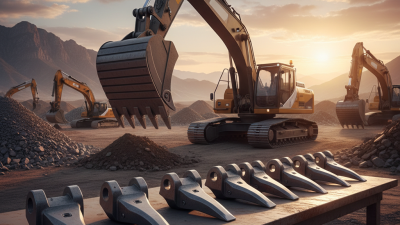
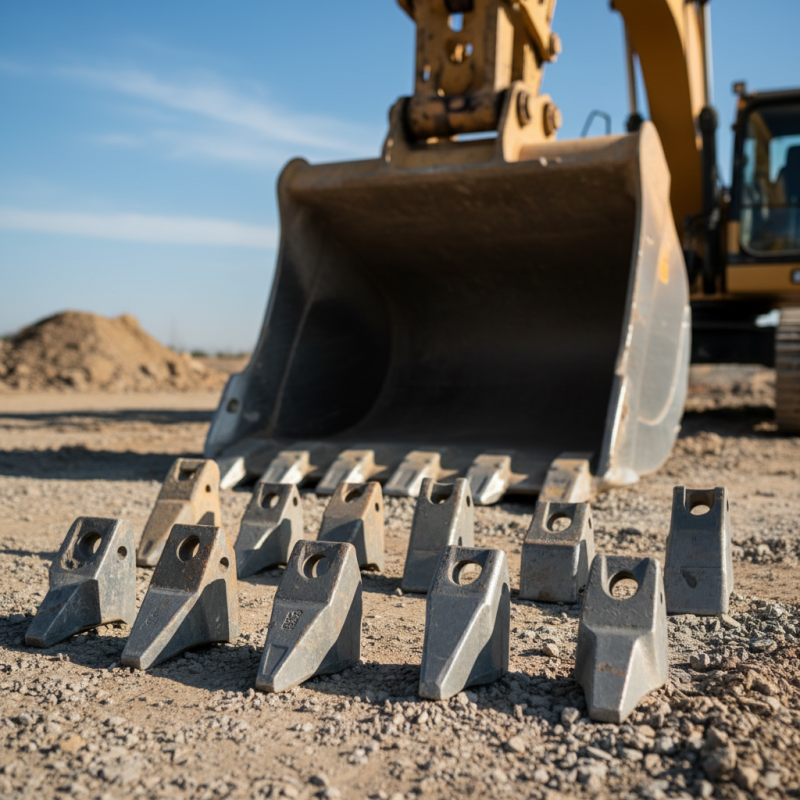
When choosing bucket teeth for your excavator, it’s essential to understand the different types available. There are three main categories: sharp, flat, and pointed. Sharp teeth excel in digging through tough soil. Flat teeth work better in loose or soft materials. Pointed teeth are ideal for precision work in confined areas.
Tips: Assess the material you’ll be working with. If you’re in rocky terrain, sharp teeth may break easily. Flat teeth can struggle in hard ground. Always consider the conditions.
Also, bucket sizes vary. Ensure you match the tooth size to your bucket’s dimensions. A mismatched tooth can lead to inefficiency. Some users overlook this, leading to frustration on the job site.
Tip: Regularly inspect your bucket teeth for wear and damage. Replacing worn-out teeth prevents bigger problems. Don’t ignore small cracks; they can lead to costly repairs later. Make thoughtful choices to enhance your excavator’s performance.
Factors to Consider When Selecting Bucket Teeth for Excavation Tasks
Choosing the right bucket teeth for your excavator is crucial for effective excavation tasks. Several factors impact your decision. The type of soil you work with is one of them. Soft soil requires different teeth than rocky terrain. You might find it challenging to pick the right design, especially when many options exist.
Consider tooth shape and material. A sharp edge helps penetrate tough surfaces. Conversely, a blunt tooth may be better for softer ground. Each design has its pros and cons. You may struggle with wear rates as well. Buckets wear down over time. If the teeth wear out too quickly, it can lead to unexpected costs.
Don’t overlook the compatibility with your excavator model. Each machine has specific requirements for tooth mounting. Misalignment can hinder performance. You might have to try multiple options before finding the perfect fit. This process can be frustrating, but it's essential for optimal performance.
Evaluating the Material and Durability of Bucket Teeth
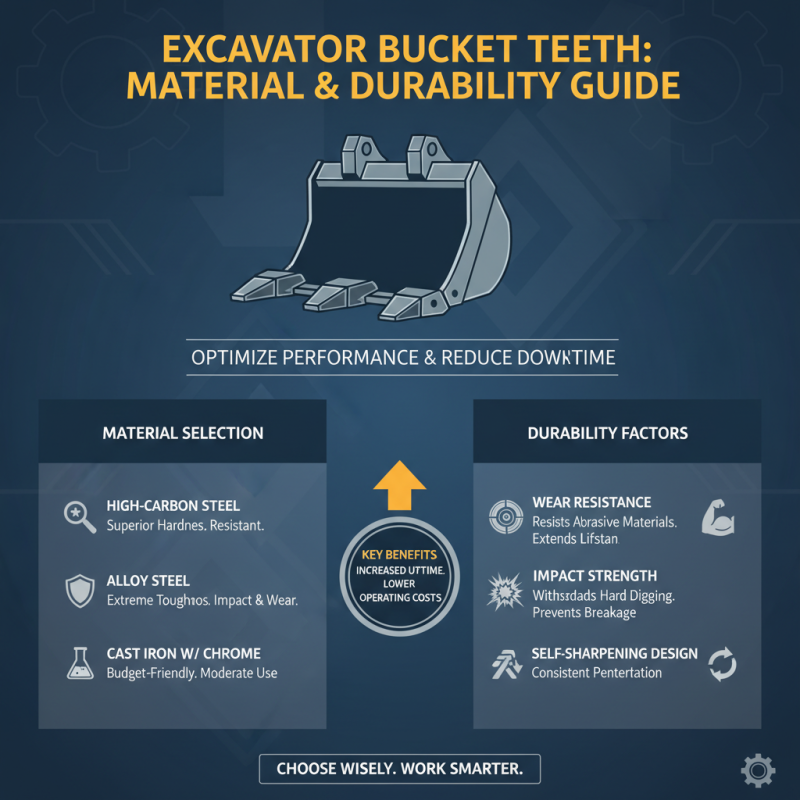
Choosing the right bucket teeth for your excavator involves a deep dive into material and durability. The effectiveness of these components directly impacts your operation. High-quality bucket teeth can endure tough conditions, reducing the frequency of replacements. They need to resist wear and tear from abrasive materials.
Materials like carbon steel or alloy steel are common choices for bucket teeth. These materials offer varying degrees of hardness and toughness. Carbon steel provides a good balance of flexibility and strength, while alloy steel often boasts better wear resistance. Selecting the appropriate hardness can be challenging. Too soft, and they wear out quickly. Too hard, and they can crack under pressure.
Durability is not just about material. Design plays a vital role, too. Teeth that are well-designed will distribute stress evenly. This minimizes the risk of breakage. Reflect on your project's specific demands. Each application poses unique challenges. Factors like soil type and climate can influence performance. Sometimes the perfect fit isn’t clear-cut. Testing various options may lead to discovering unexpected solutions.
Matching Bucket Teeth to Specific Soil Conditions and Applications
Choosing the right bucket teeth for your excavator depends heavily on soil conditions and project requirements. Different soil types demand specific designs. For instance, hard clay requires sharper teeth to penetrate denser material. In contrast, sandy soils are less resistant. They may benefit from a wider shape to efficiently scoop more material at once.
It’s also essential to consider the application. If excavation involves rocky terrain, you may need heavier-duty teeth. These should withstand impacts and abrasions. Conversely, lighter tasks in softer soils might require standard teeth, which are more economical. However, using the wrong teeth can lead to inefficient digging, slower progress, and higher costs. Reflecting on past projects can help to avoid these mistakes. Each project presents unique challenges that demand careful thought. Are you prepared for those challenges?
How to Choose the Right Bucket Teeth for Your Excavator?
| Soil Condition |
Recommended Bucket Tooth Type |
Application |
Durability Rating |
| Clay |
Flat Tooth |
Excavation and Grading |
Moderate |
| Rocky |
Pointed Tooth |
Heavy Excavation |
High |
| Sand |
Standard Tooth |
General Digging |
Low |
| Soft Soil |
Triple Shank Tooth |
Demolition and Landscaping |
Moderate |
| Gravel |
Bucket with Side Cutters |
Loading and Transport |
High |
Maintenance Tips for Prolonging the Life of Your Bucket Teeth
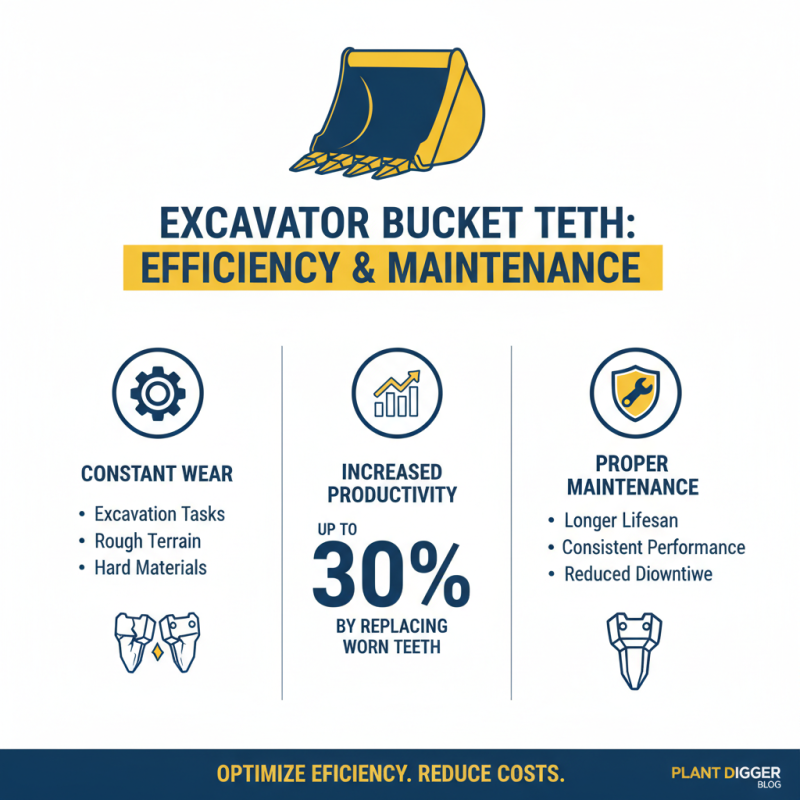
Maintaining bucket teeth is essential for excavator efficiency. They undergo constant wear during excavation tasks. Rough terrains and hard materials can damage them quickly. According to industry reports, replacing worn bucket teeth can increase productivity by up to 30%. Proper maintenance ensures they last longer.
Regular inspection is vital. Check for cracks, chips, and excessive wear. If you notice significant damage, replace the teeth promptly. Remember, even minor wear can affect performance. Clean the teeth after rigorous use to prevent rust. Dirt and debris can accumulate, leading to further deterioration.
Here are some tips for maintaining bucket teeth. Use a wire brush to remove buildup. This simple act can extend their lifespan. Consider adjusting the operational procedures, reducing stress on the teeth. Proper use prolongs their effectiveness. Monitor usage patterns and adjust accordingly. Regular maintenance saves money in the long run. It reduces the need for frequent replacements while keeping your excavator running efficiently.

 +86 13794985240
 CONTACT NUMBER
 CONTACT NUMBER