How to Choose the Best Air Filter for Your Needs?
Choosing the best air filter is crucial for improving indoor air quality. Studies show that poor air quality can lead to respiratory issues and allergies. According to the Environmental Protection Agency (EPA), indoor air can be five times more polluted than outdoor air. This highlights the importance of selecting the right air filter.
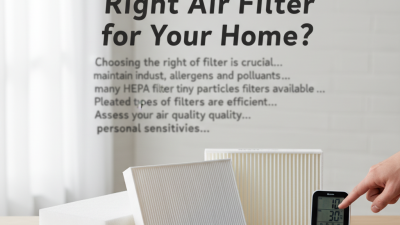
When evaluating air filters, consider factors like the Minimum Efficiency Reporting Value (MERV). Filters with higher MERV ratings capture more airborne particles. The American Lung Association emphasizes that HEPA filters can trap 99.97% of particles down to 0.3 microns. This level of filtration is vital for households with allergy sufferers.
However, not all air filters are the same. Some users may find high-efficiency filters too restrictive for their HVAC systems, which can decrease airflow. It's essential to balance filtration efficiency with system compatibility. Understanding your specific needs is vital in making the best choice. Be thoughtful and deliberate when selecting your air filter, and consult with professionals when in doubt.
Understanding the Importance of Air Filters for Health and Comfort
Air filters play a crucial role in enhancing indoor air quality, impacting health and comfort significantly. According to the Environmental Protection Agency, indoor air can be up to five times more polluted than outdoor air. This statistic highlights the importance of selecting the right air filter to maintain a healthy living environment. Dust, allergens, and pollutants can exacerbate respiratory issues and compromise immune health. For example, studies show that effective filters can remove up to 99% of airborne particles, making them essential for allergy sufferers and those with pre-existing conditions.
Choosing an air filter requires understanding your specific needs. Many filters are rated by their Minimum Efficiency Reporting Value (MERV). Filters with a MERV rating of 8 to 12 are effective at trapping common allergens like pollen and pet dander, while those rated 13 or higher can capture even smaller particles like bacteria and viruses. However, filters with very high MERV ratings may restrict airflow, leading to inefficiencies in HVAC systems. This can result in higher energy bills and less effective filtration, posing a dilemma for homeowners.
Reflecting on air quality often raises concerns about costs versus benefits. Some may prioritize affordability, opting for basic filters that need frequent replacements. Others may invest in high-efficiency options, facing the challenge of balancing initial costs with long-term health benefits. Understanding the trade-offs can be complicated. However, awareness of the health implications of poor air quality may drive better choices, ultimately leading to healthier living spaces.
Types of Air Filters: A Comprehensive Overview
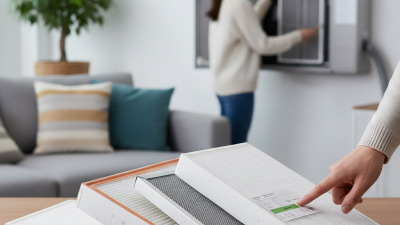
When selecting an air filter, understanding the different types can guide your choice. HEPA filters are renowned for capturing tiny particles. They can trap allergens, dust, and pet dander, making them ideal for sensitive individuals. However, they may not be the best for all situations. If you're dealing with larger debris, a fiberglass filter can be a practical option. These filters are often less expensive, but they don't trap smaller particles as effectively.
Activated carbon filters are another option. They excel at removing odors and harmful gases. This makes them valuable in homes that might have smoke or strong smells. However, they may need to be replaced more frequently to remain effective. Electrostatic filters work differently, using static electricity to attract particles. They are washable and reusable, which saves money in the long run but requires regular maintenance.
Choosing the right filter is a personal journey. Each type has benefits and drawbacks. Your environment and specific needs will dictate what works best. Spending some time researching options helps in making a better-informed decision. It’s essential to reflect on what issues you face in your space. This way, you’ll find the most suitable solution for cleaner air.
Key Factors to Consider When Choosing an Air Filter
When selecting an air filter, consider several critical factors. The type of filter material is paramount. HEPA filters are renowned for capturing up to 99.97% of particles as small as 0.3 microns. This efficiency makes them ideal for households with allergies. However, they may be more expensive and need regular changing.
Air quality is another essential aspect. According to a report from the Environmental Protection Agency, indoor air can be two to five times more polluted than outdoor air. This stark difference stresses the need for effective filtration. If you live in a polluted area, a filter with a higher MERV rating is advisable. Filters rated MERV 13 and above can trap smaller particles, including dust mites and pet dander.
Noise levels of air filters often get overlooked. Some models can be quite loud, disrupting your daily routine. A quieter unit might be worth the investment, especially in bedrooms or shared spaces. Ultimately, balance performance, cost, and noise to find the right air filter that suits your environment and lifestyle.
Evaluating Filter Efficiency Ratings and Specifications
Choosing the right air filter involves examining its efficiency ratings and specifications. An air filter's efficiency is crucial in determining how well it can trap particles and contaminants. Look for Minimum Efficiency Reporting Value (MERV) ratings. A higher MERV rating means better filtration. Filters with a MERV rating of 8 to 13 are typically suitable for home use. However, they may also increase airflow resistance, which can impact your HVAC system.
When assessing filter specifications, consider the type of particles it filters. Some filters target allergens, like pollen and dust mites. Others focus on smoke and odors. Always consult reliable resources or professionals to find information on these specifications.
The size of the filter also matters. A filter that doesn’t fit well can bypass air and reduce efficiency. Measure the air filter slot accurately before purchasing. It’s a step often overlooked but crucial for optimal performance. Don't hesitate to revisit your choices and reflect on their effectiveness. It’s about finding the balance between filtration and airflow for your specific needs.
Maintaining and Replacing Your Air Filter for Optimal Performance
When it comes to air filters, regular maintenance is key to ensuring they function effectively. A clogged or dirty filter can compromise air quality. It can even strain your HVAC system, leading to higher energy bills. You should inspect your air filter at least once a month. Depending on the type and environment, filters may need a simple cleaning or complete replacement.
Replacing filters is also essential for optimal performance. Different filters have varying lifespans. Some last up to three months, while others may need monthly changes. Keeping a schedule can help avoid neglect. Ignoring this can lead to diminished airflow, allergens lingering in your home, and potential respiratory issues.
Keeping track of how often you change filters can be challenging. Consider setting reminders on your phone or marking your calendar. Being diligent makes a significant difference in indoor air quality. Small lapses can lead to bigger problems over time. Prioritizing filter maintenance is an investment in your health and comfort.

 +86 18578756148
 CONTACT NUMBER
 CONTACT NUMBER
 CONTACT NUMBER
 CONTACT NUMBER