2026 How to Choose the Best Breaking Hammer for Your Needs?
Choosing the right Breaking Hammer can feel overwhelming. With so many options available, how do you know which one suits your needs? The selection process often depends on personal preferences and specific job requirements.
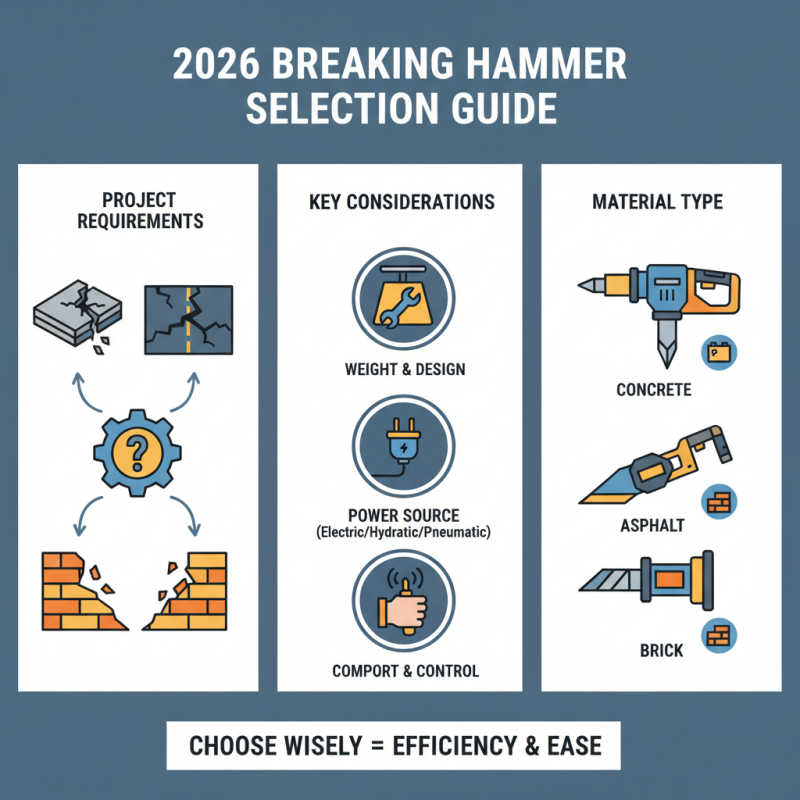
A Breaking Hammer is an essential tool for demolition and excavation tasks. Whether you are a professional contractor or a DIY enthusiast, the right hammer can make all the difference. Consider factors such as weight, power source, and design. Each feature can significantly impact performance and ease of use.
It’s important to reflect on your project requirements. Will you be working on concrete, asphalt, or brick? The material will dictate the type of Breaking Hammer needed. Also, think about comfort and control. An ideal hammer should be easy to handle, reducing fatigue during long hours of work. A quality Breaking Hammer can enhance efficiency but must align with your individual needs.
Understanding the Different Types of Breaking Hammers Available
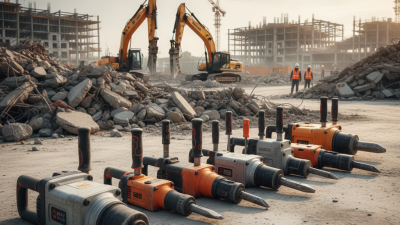
When selecting a breaking hammer, it's essential to understand the different types available. Electric breaking hammers are popular for indoor projects. They are lighter and quieter, making them ideal for residential use. Their portability enhances their appeal for quick tasks. However, they might lack the power needed for heavy-duty jobs.
Pneumatic breaking hammers excel in performance. They utilize compressed air, providing more force for tougher materials. These hammers are commonly used in construction and roadwork. Yet, they require a substantial air compressor, limiting their portability. Users should weigh the trade-off between power and convenience.
Hydraulic breaking hammers offer versatility. They're powerful and efficient for both small and large applications. Unfortunately, they can be heavy and cumbersome. Users might struggle with mobility on-site. Knowing these details aids in making an informed decision. Emphasizing personal needs is crucial for finding the right tool. Each type carries unique benefits and challenges, ultimately guiding you toward the best choice.
Breaking Hammers Comparison Chart
This chart compares the weight of different types of breaking hammers. The lightweight breaking hammer is ideal for smaller jobs, the medium hammer is suited for general construction work, and the heavy-duty hammer is meant for larger demolition projects.
Assessing the Right Size and Weight for Your Breaking Hammer
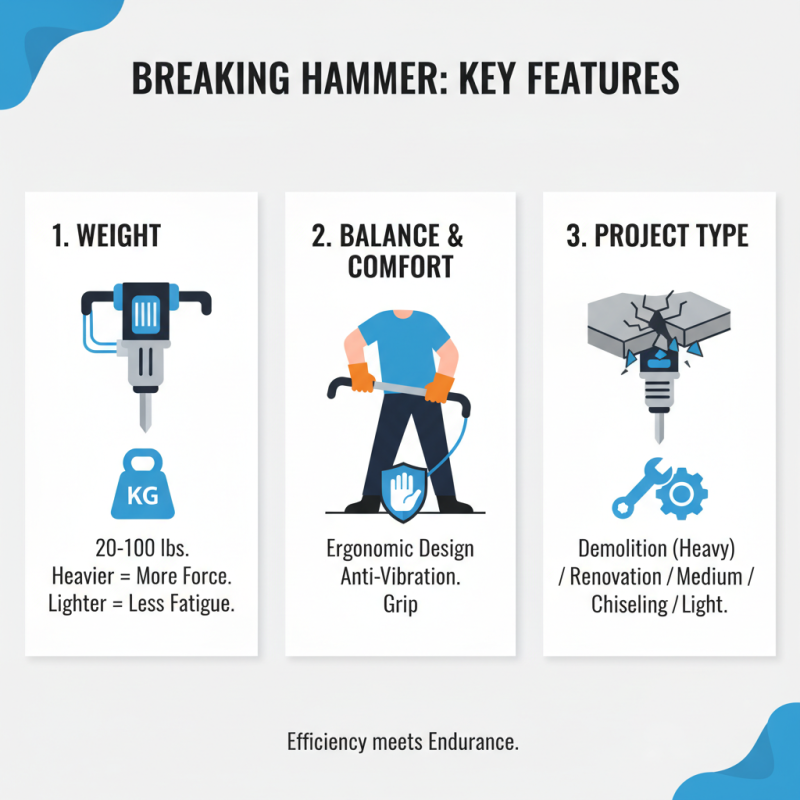
When selecting a breaking hammer, size and weight play crucial roles. A hammer that is too heavy can cause fatigue. Conversely, a lighter model may not deliver the required power. Industry reports suggest that the optimal weight for a breaking hammer typically ranges from 30 to 60 pounds. This range allows for effective operation while minimizing operator strain.
The size of the hammer also affects its efficiency. A hammer with a larger striking area may break concrete more quickly. However, it might be cumbersome in tight spaces. According to the Construction Industry Institute, improper size selection can lead to reduced productivity. Operators often find themselves switching tools just to complete a job. This inefficiency can frustrate both workers and project managers.
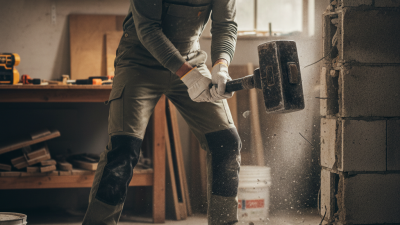
Personal comfort is another factor. Choosing a hammer that feels balanced is essential. A poorly balanced hammer can lead to poor technique. Control is compromised, and the risk of injury increases. In one study, 35% of workers reported discomfort from using tools that were not appropriately sized for their body type. It’s vital to remember that the right hammer can significantly impact your work effectiveness. Finding this balance requires hands-on experience and careful consideration.
2026 How to Choose the Best Breaking Hammer for Your Needs?
| Size (lbs) |
Weight (lbs) |
Material |
Ideal Applications |
Vibration Control |
| 5 |
10 |
Carbon Steel |
Light Demolition |
Yes |
| 10 |
20 |
Alloy Steel |
Medium Demolition |
Yes |
| 15 |
30 |
High Carbon Steel |
Heavy Demolition |
Yes |
| 20 |
40 |
Tempered Steel |
Extreme Demolition |
No |
Evaluating Power Sources: Electric vs. Pneumatic Breaking Hammers
When choosing between electric and pneumatic breaking hammers, consider the power source. Electric breaking hammers tend to be lighter and more user-friendly, suitable for indoor projects. According to industry reports, they provide consistent performance for smaller jobs, producing about 50-65 dB, making them quieter than their pneumatic counterparts. Their portability also allows easy movement across job sites.
Pneumatic breaking hammers, on the other hand, deliver higher impact energy. These tools can achieve around 1,200 to 1,500 BPM (blows per minute), which is ideal for heavy-duty applications. However, they require an air compressor, adding complexity and reducing mobility. Reports indicate that pneumatic models excel in outdoor environments where high power is necessary, despite being noisier, averaging around 90 dB.
Both types have their place. Electric models might falter in heavy-duty tasks, while pneumatic ones can feel cumbersome indoors. Weighing noise, power, and task requirements is essential. Choosing the right tool demands consideration of the specific job conditions, as well as the user’s comfort and efficiency.
Safety Considerations and Best Practices for Using Breaking Hammers
Using a breaking hammer can be powerful yet risky. Safety should be your top priority when choosing and using this tool. Always wear appropriate protective gear, such as gloves, safety goggles, and hard hats. These items protect against flying debris. Additionally, ensure you are working in a well-ventilated area. Dust can accumulate quickly and create breathing hazards.
When operating the hammer, maintain a firm grip and stand with your feet shoulder-width apart. This stance provides stability and control. It’s easy to become complacent during repetitive work. After prolonged use, fatigue can set in. Take regular breaks to stay sharp and attentive. If a problem arises, pause instead of pushing through. Communication is also key if working in a team. Ensure all members are aware of each other’s positions and actions.
Always inspect the hammer before use. Look for cracks or damage. A fault in the tool can lead to accidents. Furthermore, follow all manufacturer guidelines carefully. Neglecting them can have dire consequences. Remember, safety isn't just about equipment; it’s about awareness and responsibility. Keep reflecting on your practices and adjust accordingly to maintain a safe working environment.

 +86 18578756148
 CONTACT NUMBER
 CONTACT NUMBER
 CONTACT NUMBER
 CONTACT NUMBER