+86 18578756148


Choosing the right Cylinder Seal Kits can determine whether a hydraulic cylinder works smoothly or leaks during a critical shift. A kit may look like a small collection of rubber rings, backup seals, and wipers. In practice, every piece must match the cylinder’s bore, rod diameter, pressure, temperature, and operating fluid.
Hydraulic sealing specialist Peter Nachtwey emphasizes, “A hydraulic cylinder only performs as well as its weakest seal.” This point deserves attention. A seal can appear correct on a workbench yet fail after hours of heat, side loading, or contaminated oil. That difference separates a reliable repair from a temporary fix.
The selection process should begin with accurate measurements. Record the rod diameter, piston diameter, groove width, and seal profile. Check the original manufacturer’s part number when possible. Also inspect the rod surface under bright light. A small scratch can cut a new rod seal quickly. Material matters too. Polyurethane suits many high-wear applications, while PTFE and specialty compounds may perform better under heat or chemical exposure.
Still, no checklist guarantees perfection. Field conditions can expose mistakes that catalog data hides. I have seen technicians choose a kit by diameter alone, then discover pressure-related extrusion after installation. That shortcut is tempting. It is also costly.
This guide explains how to compare Cylinder Seal Kits, verify compatibility, assess material choices, and avoid common installation errors. It focuses on practical evidence, manufacturer data, and careful inspection. The goal is not merely to stop a leak. It is to restore dependable cylinder movement and extend service life.
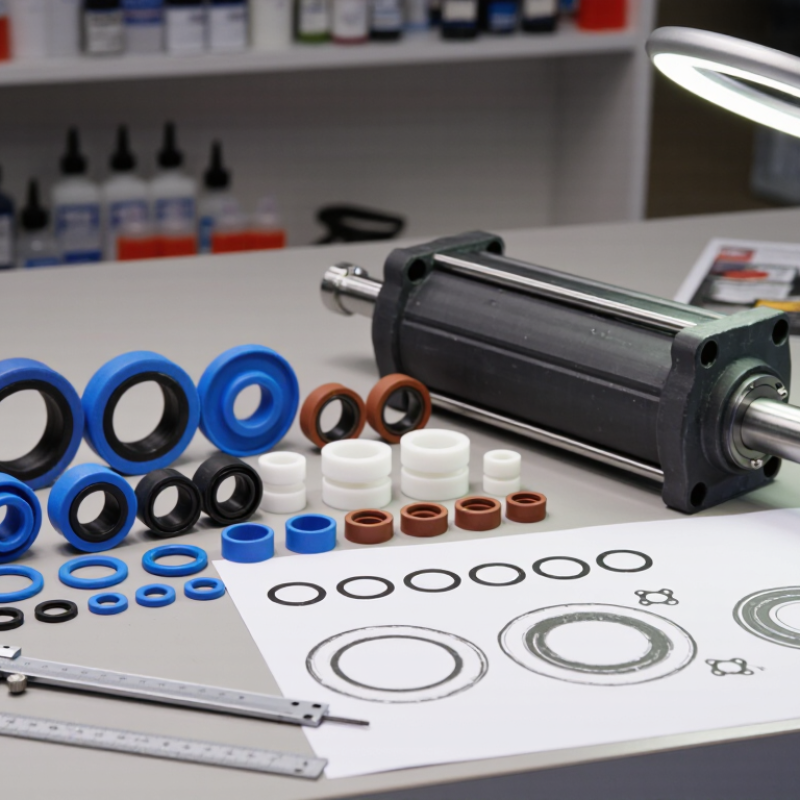
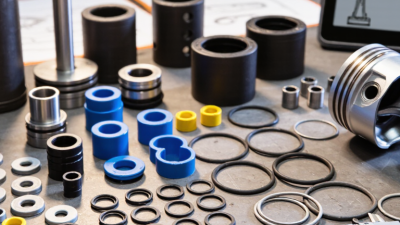
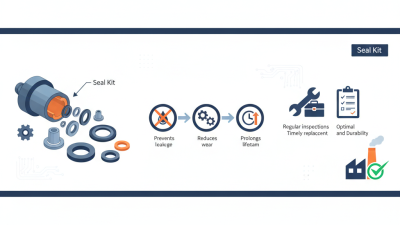
Understanding seal kit types matters more than choosing the cheapest package. A hydraulic cylinder usually needs rod seals, piston seals, wipers, guide rings, and static O-rings. Rod seals control external leakage. Piston seals maintain pressure between chambers. Wipers remove mud, dust, and moisture before they reach the cylinder. That distinction becomes critical in excavators, presses, agricultural machinery, and mobile lifting equipment.
Material selection depends on fluid, temperature, pressure, and movement speed. NBR suits many mineral-oil systems. Polyurethane often handles abrasion well in mobile equipment. PTFE reduces friction in high-speed or high-pressure applications. FKM can tolerate higher temperatures, but it may not suit every fluid. ISO 6020/2 and ISO 6022 provide useful dimensional references for metric hydraulic cylinders. Grand View Research estimated the global hydraulic cylinder market at about USD 14.8 billion in 2023, with continued growth through 2030. More machines mean more replacement decisions, not automatically better choices.
Tips: Match the kit to the cylinder bore and rod diameter. Check seal profiles, not only measurements. Read the fluid manufacturer’s compatibility data. Inspect the rod for scoring before installation. A new seal cannot repair a damaged surface. In field maintenance, I have seen incorrect wiper orientation cause early leakage. It is an easy mistake. Record temperature, pressure, and operating hours before ordering. The original kit may also be wrong for a modified machine, so careful verification still matters.
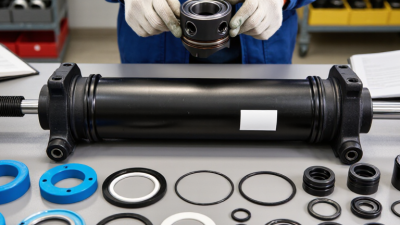
How to Choose the Best Cylinder Seal Kits?
Identifying Cylinder Specifications and Seal Requirements
Choosing a cylinder seal kit starts with accurate identification. Measure the bore, rod diameter, and stroke length. Do not rely on appearance alone. Two cylinders may look identical but use different groove dimensions.
Record the working pressure, operating temperature, and fluid type. Hydraulic oil, water-based fluid, and specialized chemicals can require different seal materials. Check the cylinder drawing or service manual when available. If no documentation exists, measure each groove with clean calipers. Small errors matter. A seal that feels slightly loose may leak under pressure.
Inspect the rod for scratches, pitting, or rust. New seals cannot correct a damaged sealing surface. Examine the piston, gland, wear rings, wiper, and backup rings as well. In field repairs, I have found that replacing only the visible damaged seal often causes an early repeat failure. The overlooked wiper was usually the problem.
Temperature changes also affect seal selection. A kit suitable for a cool workshop may fail in a hot production area. Consider pressure spikes, side loading, and movement speed, not only normal ratings. Seal hardness should match the application and groove design. When specifications remain uncertain, compare several measurements and verify them before ordering. Guessing saves minutes, sometimes. It can waste an entire repair shift.
Choosing a cylinder seal kit starts with the working environment, not the seal’s appearance. I have inspected failed cylinders where pressure was acceptable, but the fluid quietly damaged the material. Record operating pressure, temperature, speed, and fluid type before ordering. Peak conditions matter more than average readings.
Polyurethane seals suit many hydraulic systems and resist abrasion during repeated movement. Nitrile rubber performs well with common petroleum-based fluids and moderate temperatures. For higher heat or aggressive chemicals, fluorocarbon materials may offer better resistance. However, they can lose flexibility in cold conditions. Polytetrafluoroethylene handles heat and chemical exposure well, yet it may need energizing elements for reliable sealing.
Fluid compatibility deserves careful attention. Water-based fluids, synthetic oils, cleaning agents, and additives can produce very different results. A seal that looks perfect after installation may swell within weeks. Pressure also changes the decision. High pressure can force softer materials into small clearances, causing extrusion and early leakage. Backup rings may help, but only when designed for the groove and pressure range.
Check temperature limits under real cycling conditions. A cylinder near a furnace may experience brief heat spikes that a basic specification misses. I once treated a nominally suitable material as reliable, and the repeated heat cycles proved otherwise. That mistake was preventable. Confirm dimensions, surface finish, clearance, and compatibility data with the seal manufacturer, then validate the choice through controlled testing.
Choosing the best cylinder seal kit starts with compatibility, not price. Match the cylinder bore, rod diameter, groove profile, and seal arrangement carefully. A kit can look correct but still fail if one measurement is slightly wrong. Check the equipment service manual and compare every seal against the removed parts. Fluid type, operating pressure, temperature, and cylinder age also affect the choice.
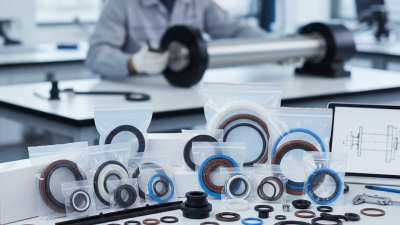
Quality matters during real work. Inspect seals for even edges, smooth surfaces, and consistent flexibility. Cheap material may harden near heat or swell in unsuitable hydraulic fluid. I once trusted a visually perfect seal that leaked after a short test. The mistake was ignoring the fluid specification. That experience still influences my inspection process. Reliable suppliers should provide material information, dimensions, and traceable quality details.
Tips: Prepare a clean bench, lint-free cloths, correct picks, and fresh hydraulic fluid. Never drag a seal across sharp threads or grooves. Protect the rod with a sleeve during installation. Lubricate seals lightly, then seat them without twisting. Check the piston rod for scratches and rust; a new kit cannot repair a damaged surface. Take photos before disassembly. Memory is less dependable than expected. After assembly, test slowly and watch for early seepage.
Long-term cylinder performance begins with accurate identification, not a quick visual match. Check the cylinder bore, rod diameter, groove dimensions, operating pressure, temperature, and fluid type. Small errors matter. A seal that looks correct may still twist, leak, or wear quickly.
In field maintenance, I have seen premature failures caused by contamination rather than poor seal material. Dust on a workbench can damage a new rod seal during installation. Clean the cylinder, tools, and surrounding area before opening the assembly. Inspect the rod for scratches, corrosion, and bending. Measure twice, especially when older equipment has been repaired before.
Material selection should reflect real working conditions. Polyurethane often suits demanding hydraulic applications, while other compounds may perform better with heat, chemicals, or low-temperature exposure. Always compare the kit specifications with the equipment manufacturer’s service data. Do not rely only on color or package labels.
Installation technique affects service life as much as material choice. Lubricate compatible seals lightly, protect sharp grooves, and use proper seating tools. Avoid stretching seals over threads or forcing them into place. I have made that mistake during rushed repairs. The cylinder worked briefly, but the seal failed earlier than expected. A pressure test under controlled conditions can reveal leaks before the machine returns to daily work.