How to Choose the Right Air Filter for Your Home?
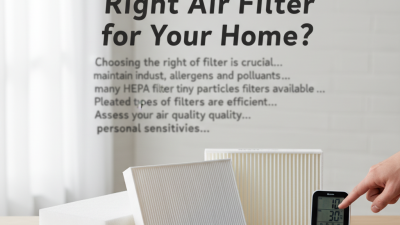
Choosing the right air filter for your home is crucial for maintaining a healthy environment. Expert Dr. Emily Hayes states, “The right air filter can make a world of difference.” Air filters play a vital role in trapping airborne particles, allergens, and pollutants. This not only enhances air quality but also contributes to overall well-being.
However, selecting the ideal air filter is not always straightforward. Factors such as filter type, MERV rating, and compatibility with your HVAC system matter greatly. Many homeowners overlook these details. A poorly chosen filter can actually decrease efficiency and lead to higher energy bills.
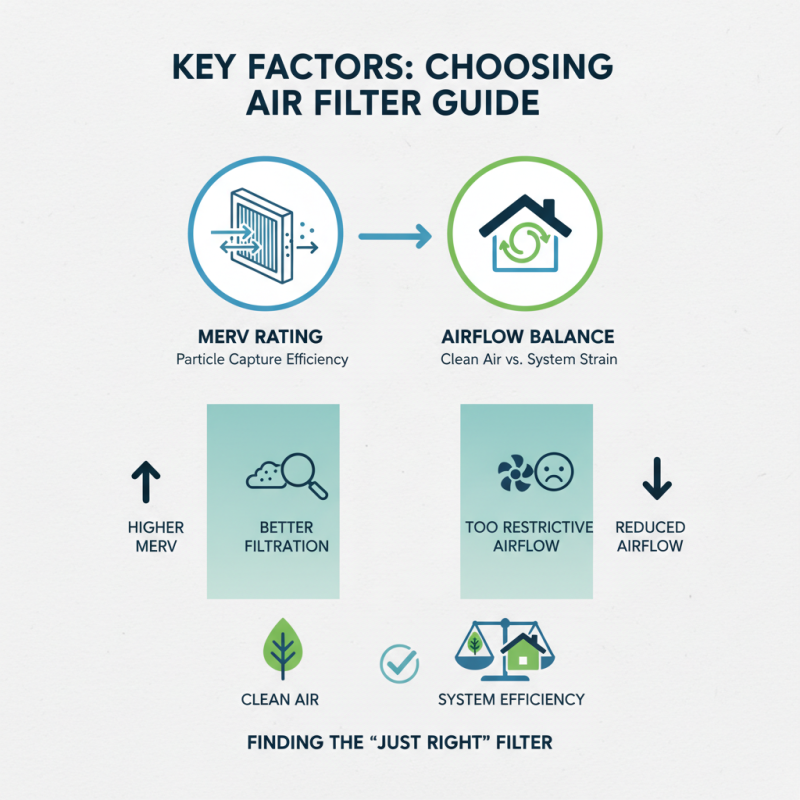
With so many options available, one can feel overwhelmed. Brands and technologies vary widely. Misconceptions exist about higher MERV ratings always being better. In reality, if a filter is too dense for your system, airflow may suffer. Recognizing these complexities is essential for making an informed decision. Choosing wisely can improve your home's air quality while being mindful of costs and energy use.

Understanding the Different Types of Air Filters Available
When choosing an air filter, it's vital to understand the different types available. There are primarily three categories: mechanical filters, electronic filters, and activated carbon filters. Mechanical filters trap dust and allergens. They are effective but can clog easily. Regular maintenance is important for their efficiency.
Electronic filters use charged plates to attract particles. They are often more efficient but can be costly. These filters require a power source and occasional cleaning, which may be a hassle for some.
Activated carbon filters excel at removing odors and harmful gases. However, they don’t capture larger particles effectively. Homeowners should reflect on their needs. Do you want to reduce allergens or eliminate odors? Each filter type has pros and cons. Understanding these will help you make a better choice for your space.
How to Choose the Right Air Filter for Your Home?
| Filter Type |
MERV Rating |
Dust Removal Efficiency |
Lifespan |
Cost |
| Fiberglass Filter |
1-4 |
Low |
1-3 months |
$2 - $5 |
| Pleated Filter |
6-8 |
Moderate |
3-6 months |
$5 - $15 |
| HEPA Filter |
13-16 |
High |
6-12 months |
$20 - $50 |
| Activated Carbon Filter |
8-11 |
Moderate to High |
6-12 months |
$10 - $30 |
Evaluating Your Home's Air Quality Needs
When assessing your home's air quality needs, consider various factors. Begin by evaluating the presence of allergens. Dust, pollen, and pet dander can linger in your air. If you notice symptoms like sneezing or coughing, it may indicate poor air quality. You might need an air filter that specifically targets these particles.
Humidity levels also play a role. High humidity can promote mold growth, which is detrimental to air quality. If your home often feels damp, consider filters that can reduce moisture. Pay attention to seasonal changes, as air quality can fluctuate. In colder months, indoor air often becomes stale, requiring a different type of filtration.
Think about pollutants as well. Smoke from cooking, candles, or incense can pollute the air. Sometimes, you do not notice these smells until they linger. Evaluate your daily activities to understand your needs. Filters with activated carbon can help reduce odors and improve quality. Reflect on these points, and you may discover your air filter needs change over time.
Air Filter Efficiency Ratings Based on Different Particulate Sizes
This chart shows the efficiency ratings of air filters based on different particulate sizes such as PM2.5, PM10, dust, pollen, and mold. Choosing the right air filter depends on your specific air quality needs, reflected in this data.
Comparing MERV Ratings and Their Impact on Air Quality
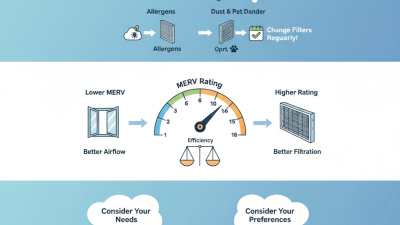
Choosing the right air filter can significantly impact the air quality in your home. A critical factor to consider is the MERV rating. MERV stands for Minimum Efficiency Reporting Value. This rating indicates how well the filter removes particles from the air. Filters with higher MERV ratings capture smaller particles and improve air quality.
When examining MERV ratings, remember that higher isn't always better for your system. Some HVAC systems can’t handle high-MERV filters. This mismatch can reduce airflow and strain your system. A filter rated between 8 to 12 might offer a good balance for most homes.
**Tips:** Regularly check and replace filters. A clogged filter can be counterproductive. Cleaning the air in your home requires attention. Consider your allergies and specific pollutants. Different environments demand different filters. Don’t hesitate to experiment with various ratings. Finding the right filter may take time. Keep track of changes in air quality.
Maintenance and Replacement Tips for Air Filters
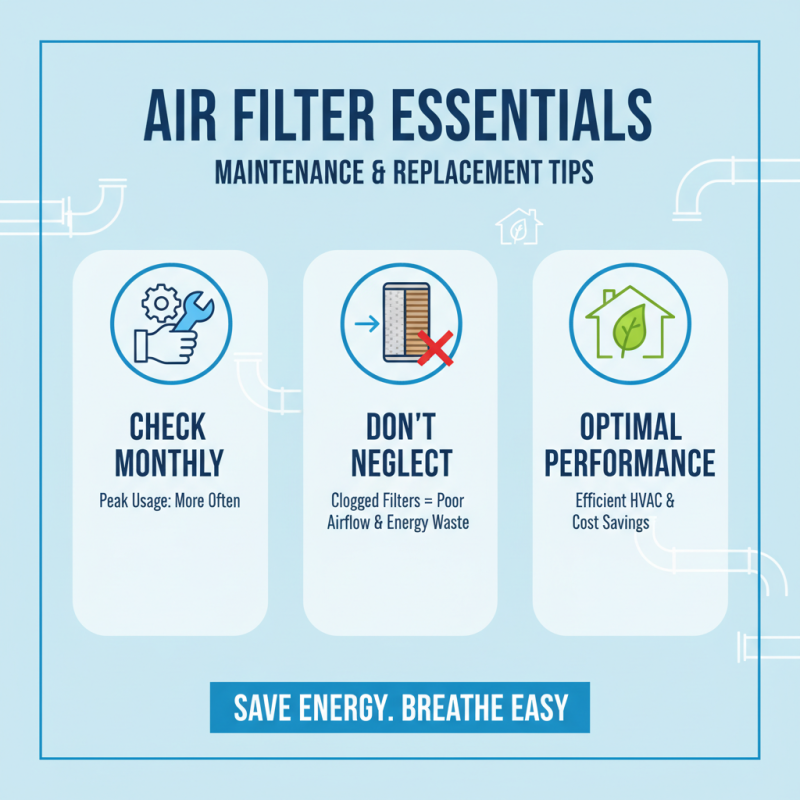
Regular maintenance of air filters is crucial for optimal performance. Dirty filters can impair airflow, leading to inefficiencies. Check your filters every month, especially during peak usage. A clogged filter makes your HVAC system work harder, wasting energy. It's easy to forget, but neglecting this can lead to bigger issues down the line.
Replacement is just as important. Most filters need changing every 3 to 6 months. However, homes with pets or allergies might require more frequent swaps. If you notice your air quality worsening, it’s time to act. Look for visible dirt or a drop in airflow. Remember, not all filters work the same. Choosing one that fits your needs can make a difference.
Don't overlook the importance of correct installation. An improperly fitted filter can allow dust and allergens to slip through. Take a moment to ensure it’s snug against the frame. This small detail can significantly impact air purity in your home. Regular attention can lead to better air quality and energy efficiency.

 +86 13794985240
 CONTACT NUMBER
 CONTACT NUMBER