How to Choose the Right Arm Cylinder for Your Needs?
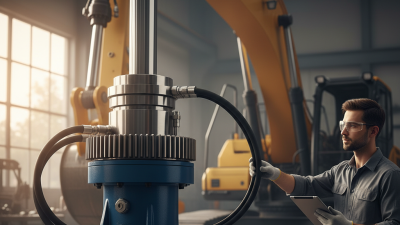
Choosing the right Arm Cylinder for your applications is crucial. These components play a vital role in various machinery. They deliver power and precision in industrial tasks. Selecting the appropriate one can improve efficiency and safety.
Consider factors like size and pressure rating when choosing an Arm Cylinder. The operating environment also matters. High temperatures or exposure to chemicals can affect performance. Evaluate your specific needs to make informed decisions. A poor choice can lead to mechanical failures and safety risks.
Seek expert advice if you're unsure. Consulting with manufacturers can provide insights into materials and designs. Compare your options carefully. Take note of warranty and service agreements. Investing time in this process results in better long-term performance. An informed choice leads to reliable operations and minimizes costly downtimes.
Understanding the Function and Importance of Arm Cylinders
Arm cylinders play a critical role in various industrial applications, providing force and motion in machinery. These components convert hydraulic energy into mechanical power. According to a report by the International Journal of Hydraulic Engineering, approximately 40% of industrial machinery failures stem from inadequate or incorrect cylinder usage. This statistic highlights the importance of choosing the right arm cylinder for specific operational needs.
Understanding the function of arm cylinders is crucial. They facilitate precise movements in robotic arms, conveyors, and manufacturing lines. A poorly chosen cylinder can lead to inefficiency, increased wear, and equipment downtime. For instance, a study by the Hydraulic Equipment Manufacturers Association indicated that proper cylinder selection can improve operational efficiency by up to 30%. Such improvements can significantly reduce energy consumption and maintenance costs.
Choosing the right arm cylinder involves assessing factors like load capacity, stroke length, and operational speed. Yet, many industries overlook these aspects, leading to costly errors. An analysis from a recent engineering survey found that 20% of companies fail to regularly evaluate their hydraulic systems. This lack of oversight can jeopardize safety and productivity. Ultimately, understanding the significance of arm cylinders and making informed decisions is vital to operational success.
Identifying Your Specific Application Requirements for Arm Cylinders
Choosing the right arm cylinder requires clarity about your specific application requirements. Every project presents unique demands. Factors like load capacity, stroke length, and mounting style are crucial. Assess how much force the cylinder needs to exert. Consider the speed of operation, too. Different tasks have different performance needs.
Environment plays a significant role. Will the cylinder operate in extreme temperatures or exposure to chemicals? This influences material selection and design. Look at space constraints as well. A cylinder that fits perfectly in a small space may not deliver the required power.
Don’t underestimate the importance of installation and maintenance aspects. Some designs may offer easier servicing but compromise efficiency. Analyze ease of installation against long-term performance. Seek input from experts where needed. Their insights can help clarify choices. Understanding these elements can lead you to the most suitable arm cylinder for your needs.
Key Factors to Consider When Selecting Arm Cylinder Specifications
When selecting an arm cylinder, there are several key factors to consider. One critical aspect is the cylinder's load capacity. Understanding the weight your application demands can help in choosing the right specifications. According to a recent industry report, 65% of arm cylinder failures can be attributed to inadequate load calculations. Therefore, precise assessments of load are paramount.
Another important factor is the working environment. Arm cylinders may be exposed to extreme temperatures, moisture, or harsh chemicals. Choosing a cylinder crafted from appropriate materials can enhance durability. Research indicates that using corrosion-resistant alloys can extend cylinder life by up to 40%.
Moreover, stroke length is an often-overlooked detail. A stroke length that is too short may limit functionality. Conversely, an unnecessarily long stroke can add weight and complexity. Industry experts recommend aligning the stroke length closely with operational needs. It’s a simple consideration, yet it can significantly impact efficiency. Many users underestimate the importance of these specifications, which can lead to regret later.
Comparing Different Types of Arm Cylinders for Your Needs
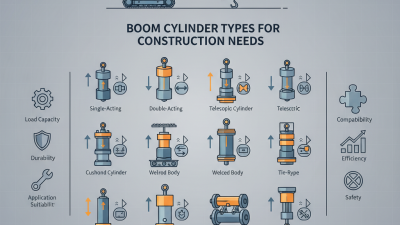
When selecting an arm cylinder, it’s vital to compare different types. Hydraulic cylinders offer high force and precise control. They are ideal for heavy-duty tasks. Pneumatic cylinders, on the other hand, are faster and often lighter. They work well for applications needing rapid motion but with less force.
Electric cylinders provide another option, combining efficiency and accuracy. They are quieter and reduce maintenance needs. However, they can be more expensive. Each type has unique strengths and limitations. Understanding these can guide your choice effectively.
Tips: Assess your specific needs before making a decision. Consider things like load capacity, speed requirements, and available space. Also, reflect on the environment where the cylinder will operate. This can impact performance. Testing different cylinders may offer insights into their fit for your tasks. Always remember that what's perfect for one situation may not suit another.
Comparison of Different Types of Arm Cylinders
Installation and Maintenance Tips for Optimal Arm Cylinder Performance
When it comes to the installation and maintenance of arm cylinders, specific practices ensure optimal performance. An industry report highlights that the correct installation can reduce malfunction rates by up to 25%. Proper alignment during installation facilitates smoother operation. For instance, using shims can prevent undue stress on the cylinder, extending its lifespan.
Regular maintenance is equally crucial. Lubricating moving parts can decrease wear, which is essential for consistent operation. Studies indicate that regular inspections can catch issues before they escalate, potentially saving companies up to 15% on repair costs. Keeping the cylinder clean also helps maintain efficiency. Contamination from debris can hinder performance, making routine cleaning vital. Remember, neglecting maintenance can lead to avoidable breakdowns and costly downtimes.
Monitoring operating conditions can provide insight into the arm cylinder's health. Changes in performance may signal underlying problems. Understanding these signs is key to prolonging the operational life of the cylinder. Regular data analysis can highlight trends, helping users make better-informed decisions. Ultimately, a proactive approach in installation and maintenance creates a more reliable and efficient system.
How to Choose the Right Arm Cylinder for Your Needs?
| Dimension |
Purpose |
Material |
Operating Pressure |
Maintenance Tips |
| 50 mm |
Light-duty applications |
Aluminum |
150 bar |
Regular lubrication & inspection |
| 80 mm |
Medium-duty applications |
Steel |
200 bar |
Periodic seal checks & cleaning |
| 100 mm |
Heavy-duty applications |
Stainless steel |
250 bar |
Routine testing of pressure & wear components |
| 125 mm |
Industrial machinery |
Carbon steel |
300 bar |
Comprehensive maintenance schedule |

 +86 18578756148
 CONTACT NUMBER
 CONTACT NUMBER
 CONTACT NUMBER
 CONTACT NUMBER