What is a Cylinder Seal Kit? Essential Guide for Maintenance and Repair
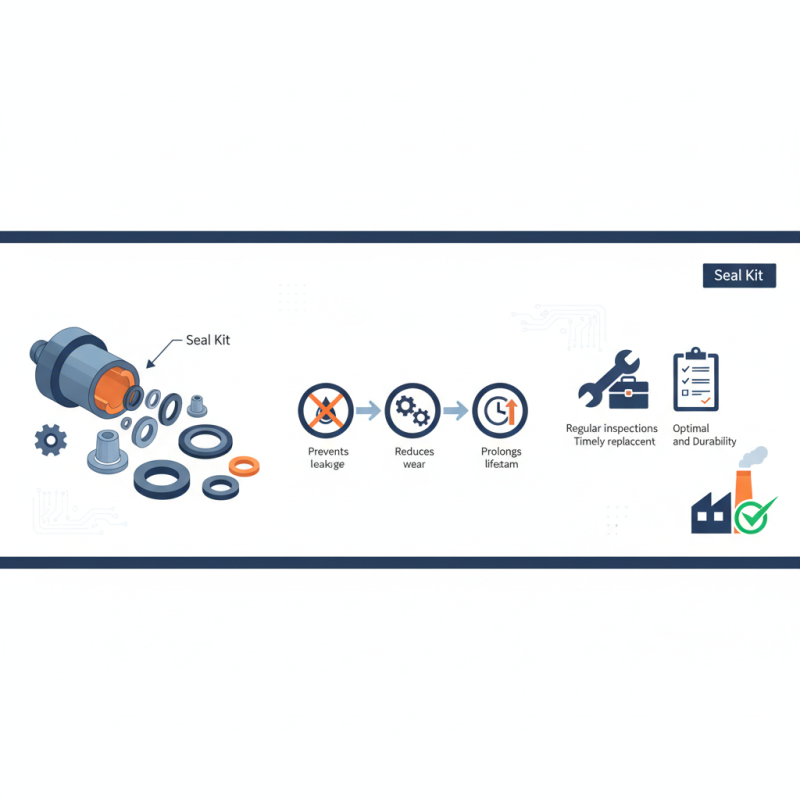
Cylinder Seal Kits play a crucial role in the maintenance and repair of various hydraulic and pneumatic systems. These kits are essential components that provide effective sealing solutions, ensuring the reliability and efficiency of machinery. Often composed of a range of seals, O-rings, and other parts, Cylinder Seal Kits help prevent leakage, reduce wear and tear, and prolong the lifespan of cylinders in equipment ranging from industrial machines to automotive applications.
Understanding the importance of Cylinder Seal Kits is vital for anyone involved in machinery maintenance. Regular inspections and timely replacements of seal kits are necessary to avoid unexpected breakdowns and costly repairs. This guide aims to provide essential insights into the functionality, types, and installation process of Cylinder Seal Kits, empowering technicians and operators with the knowledge needed for effective upkeep. By prioritizing proper maintenance through the use of high-quality seal kits, users can ensure optimal performance and durability of their equipment, ultimately contributing to smoother operations and enhanced productivity.
Understanding the Basics of Cylinder Seal Kits
A cylinder seal kit is an essential component used in various machinery and equipment, primarily to maintain pressure and prevent leaks within hydraulic and pneumatic systems. Understanding the basics of cylinder seal kits involves recognizing the different types of seals included in the kit, such as O-rings, piston seals, and rod seals. Each type of seal serves a distinct purpose, ensuring the smooth operation of the machinery by keeping fluids contained and reducing friction between moving parts.
When selecting a cylinder seal kit, it is crucial to consider factors such as the operating environment, the type of fluids being contained, and the specific design of the cylinder. Proper installation of these seals enhances the longevity and efficiency of the equipment while minimizing downtime due to leaks or seal failures. Regular inspection and maintenance of the seals can help identify potential issues early, ensuring reliable performance and reducing the risk of costly repairs in the future. Familiarizing oneself with the aspects of cylinder seal kits empowers technicians and operators to make informed decisions regarding maintenance and repair, ultimately contributing to a well-functioning system.
Key Components of a Cylinder Seal Kit Explained
A cylinder seal kit is a crucial component for the maintenance and repair of various machinery, particularly in hydraulic systems. It typically contains essential parts that are designed to ensure the smooth operation of cylinders. Among the key components, the piston seals and rod seals play significant roles—they prevent fluid leakage and maintain pressure within the system. These seals must be made from durable materials to withstand high pressure and extreme temperatures, ensuring that they don't degrade quickly during operation.
Another important aspect of a cylinder seal kit includes backup rings and wear rings. Backup rings are utilized alongside seals to enhance their effectiveness by preventing extrusion and prolonging their lifespan. Wear rings, on the other hand, are designed to reduce wear on the cylinder walls caused by the movement of the piston or rod. By keeping the different parts of the cylinder functioning smoothly and efficiently, these components collectively help in minimizing downtime and ensuring optimal performance in various applications.
Overall, understanding the key components of a cylinder seal kit is vital for maintaining machinery and prolonging its operational lifespan, as these elements work together to maintain sealing integrity and prevent costly repairs.
Importance of Regular Maintenance for Cylinder Seal Kits
Regular maintenance of cylinder seal kits is crucial for optimizing the efficiency and longevity of machinery and equipment. These kits, which contain seals that prevent leaks in hydraulic and pneumatic systems, play a vital role in ensuring the smooth operation of components. According to a report by the National Fluid Power Association, proper maintenance can reduce the frequency of equipment failures by up to 30%, saving both time and costs associated with unexpected repairs. Neglecting routine checks can lead to deterioration of seals due to wear and tear, which may compromise system performance and lead to potentially significant operational downtime.
To maintain cylinder seal kits effectively, it is recommended to establish a regular inspection schedule. During these inspections, technicians should look for signs of wear such as discoloration, hardening, or cracking. Implementing a proactive approach not only extends the lifespan of the seal kits but also improves the overall performance of the machinery. It is worth noting that seals subjected to harsh environments may require more frequent checks, as contaminants can accelerate wear.
**Tips:** Always use high-quality lubricants that are compatible with the materials of the seals, as this can prevent premature degradation. Additionally, training staff on the proper installation techniques can help avert common pitfalls that lead to seal failure, ensuring that your systems remain operational and efficient. Regularly updating maintenance practices in line with industry standards can also enhance the reliability of cylinder seal kits.
What is a Cylinder Seal Kit? Essential Guide for Maintenance and Repair - Importance of Regular Maintenance for Cylinder Seal Kits
| Dimension |
Description |
Importance |
Maintenance Frequency |
| Material Quality |
High-quality materials prevent leakage and prolong lifespan. |
Vital for optimal seal performance. |
Check during each maintenance cycle. |
| Seal Integrity |
Ensure seals are intact with no wear or damage. |
Prevents equipment failure and fluid loss. |
Inspect quarterly. |
| Compatibility |
Correct seal sizes and types for the equipment. |
Ensures proper function and avoids costly repairs. |
Verify during installation and as required. |
| Installation Procedure |
Follow specified instructions to install seals. |
Critical for preventing leaks and malfunction. |
Review each time seals are changed. |
| Environmental Conditions |
Consider temperature, pressure, and chemical exposure. |
Impacts seal effectiveness and longevity. |
Assess during equipment setup and service checks. |
Steps for Installing and Replacing Cylinder Seals
When it comes to maintaining the integrity of hydraulic or pneumatic systems, understanding how to install and replace cylinder seals is crucial. First, ensure you have a clean workspace and all necessary tools on hand, including a socket set, pliers, and a seal installation kit. Start by removing the cylinder from its assembly, which often involves disconnecting hoses and taking care to protect any sensitive components. Once the cylinder is free, inspect it for damage before proceeding.
To replace the seals, carefully remove the old seals using a flat tool, taking care not to scratch the cylinder surface. Clean the cylinder thoroughly to remove any debris or old lubricant. When preparing to install the new seals, apply a thin layer of compatible lubricant to the surface of the seals and the cylinder. This helps ensure a smooth installation and prevents damage to the seals. Position the new seal accurately within the groove, pressing it into place evenly. Finally, reassemble the cylinder, ensuring all components are secured properly, and reconnect it to the system, taking care to bleed any trapped air to avoid operational issues.
Cylinder Seal Kit Maintenance and Repair Statistics
Common Issues and Troubleshooting Tips for Cylinder Seal Kits
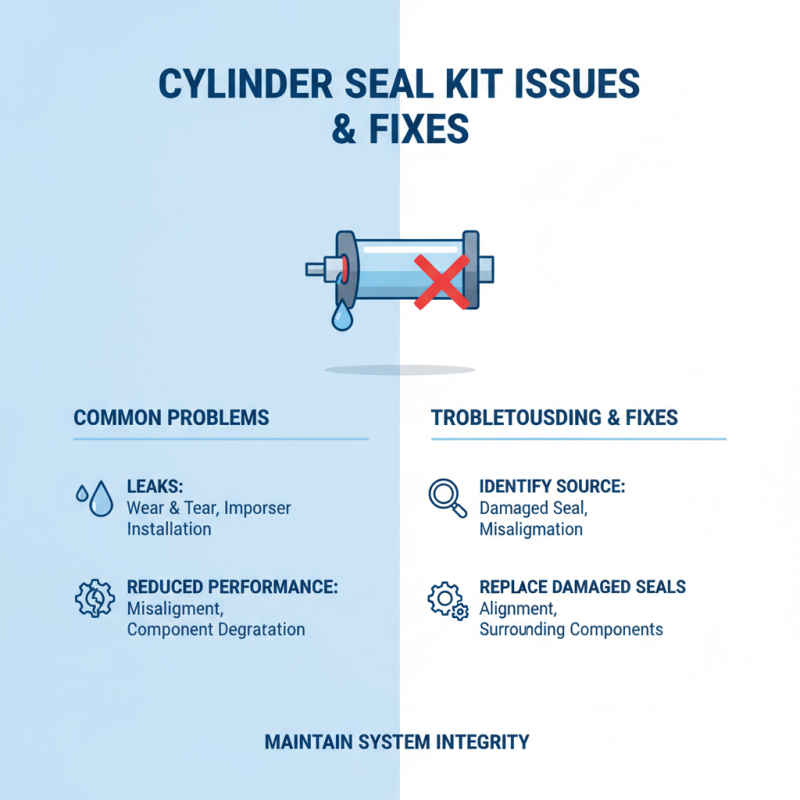
Cylinder seal kits are critical components in various machinery, serving to maintain the integrity of systems that rely on a sealed environment. However, like any mechanical system, they can encounter issues that can affect performance. Common problems include leaks, which can arise from wear and tear or improper installation. Identifying the source of a leak is essential; it may be as straightforward as a damaged seal that requires replacement, or it could be due to more complex issues like misalignment or degradation of surrounding components.
Another frequent issue is contamination, which can severely impact the longevity and efficiency of cylinder seal kits. Contaminants can enter the system through various means, affecting seal performance and leading to premature failure. Regular maintenance checks are vital in preventing contamination, which includes ensuring that the environment surrounding the seals is clean and inspecting the seals for any signs of wear. If contamination does occur, it’s important to thoroughly clean the system and replace any damaged seals to restore optimal function.
Lastly, proper installation and maintenance practices are crucial for avoiding issues with cylinder seal kits. Incorrect installation can lead to immediate performance issues, while lack of routine checks can allow minor problems to escalate. It is advisable to follow manufacturer guidelines closely and to use the appropriate tools and techniques when working with seals. By addressing these common issues proactively, you can significantly extend the lifespan of your cylinder seal kits and ensure they function effectively.

 +86 13794985240
 CONTACT NUMBER
 CONTACT NUMBER