Essential Guide to Choosing a Vibrating Compactor Rammer?
Selecting the right equipment can be daunting. A Vibrating Compactor Rammer is essential for effective soil compaction. It ensures a stable foundation for construction projects. This guide aims to simplify your decision-making process.
Understanding the different types of rammers available is crucial. Various models cater to specific soil conditions and project requirements. An informed choice can lead to better performance and efficiency. However, some users may overlook important features due to a lack of experience.
Consider the size, weight, and power of the Vibrating Compactor Rammer. These factors affect maneuverability and compaction results. Don't rush your decision. Take time to evaluate your needs thoroughly. Unwise choices can lead to frustrating outcomes. Ultimately, investing in the right rammer will enhance the quality of your work.
Understanding Vibrating Compactor Rammers: An Overview
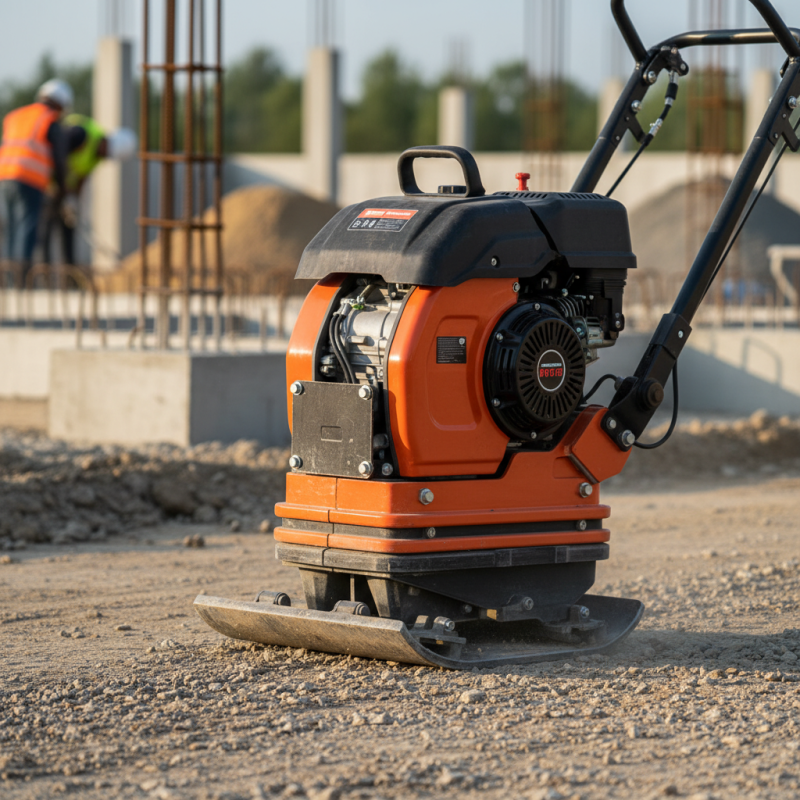
Vibrating compactor rammers are essential tools in construction. They compact soil and asphalt efficiently. Understanding their functionality is crucial for optimal usage. These machines work by applying both weight and rapid vertical movement. This process reduces air pockets in the soil. It creates a stable base for further construction work.
Choosing the right rammer involves considering its size and weight. Lighter models are often easier to maneuver in tight spaces. However, heavier rammers provide more powerful compaction. The choice will depend on the specific requirements of your project. Often, beginners may underestimate the importance of selecting the right tool. Test runs can help assess performance in real conditions.
Another aspect to reflect on is maintenance. Regular checks can prevent breakdowns. Inspection of shoes and engine functions is vital. Neglecting these can lead to inefficiency. It’s a common mistake to focus solely on operation while ignoring upkeep. Knowing both the capabilities and limitations of your rammer is key. Understanding these details significantly enhances job effectiveness.
Essential Guide to Choosing a Vibrating Compactor Rammer
| Dimension |
Value |
| Weight |
75 kg |
| Compaction Force |
30 kN |
| Plate Size |
300 mm x 280 mm |
| Vibration Frequency |
10 Hz |
| Engine Type |
4-Stroke Gasoline |
| Fuel Tank Capacity |
3.5 Liters |
| Operational Time |
4 hours |
| Noise Level |
95 dB |
Key Features to Consider When Choosing a Vibrating Compactor Rammer
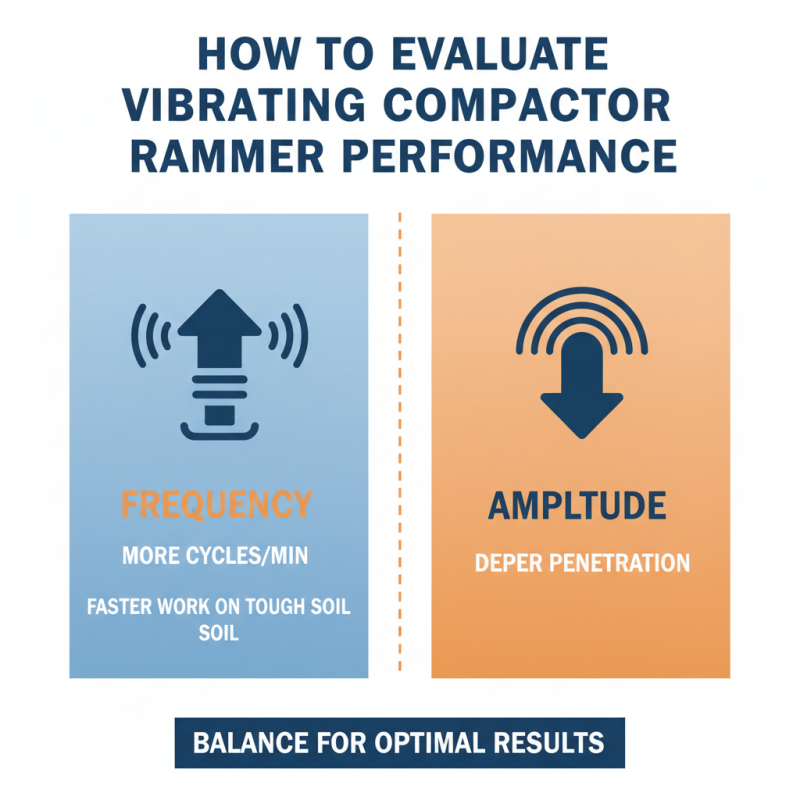
When selecting a vibrating compactor rammer, key features play a crucial role in ensuring efficiency and performance. First, consider the weight of the rammer. A heavier machine typically provides a greater impact force, essential for compacting dense materials. Data shows that a 10% increase in weight can lead to a notable 15% improvement in compaction efficiency. However, excessive weight can affect maneuverability, especially in tight spaces.
Next, examine the plate size and design. Wider plates cover more area, while narrower ones are better for confined jobs. A study revealed that using the optimal plate size can reduce compaction time by up to 20%. User comfort is also paramount. Vibration dampening features can reduce operator fatigue, improving productivity. Operators often overlook this aspect, but prolonged exposure to vibrations can lead to health issues.
Additionally, check the engine power and noise levels. A more powerful engine allows for quicker compaction. However, it is vital to balance power with noise, as excessive sound can limit job site flexibility. Striking the right balance can be challenging, but it greatly impacts job site efficiency and worker satisfaction. The choice of a vibrating compactor rammer significantly influences project success, so careful consideration is essential.
Vibrating Compactor Rammer - Key Features Comparison
Types of Vibrating Compactor Rammers and Their Uses
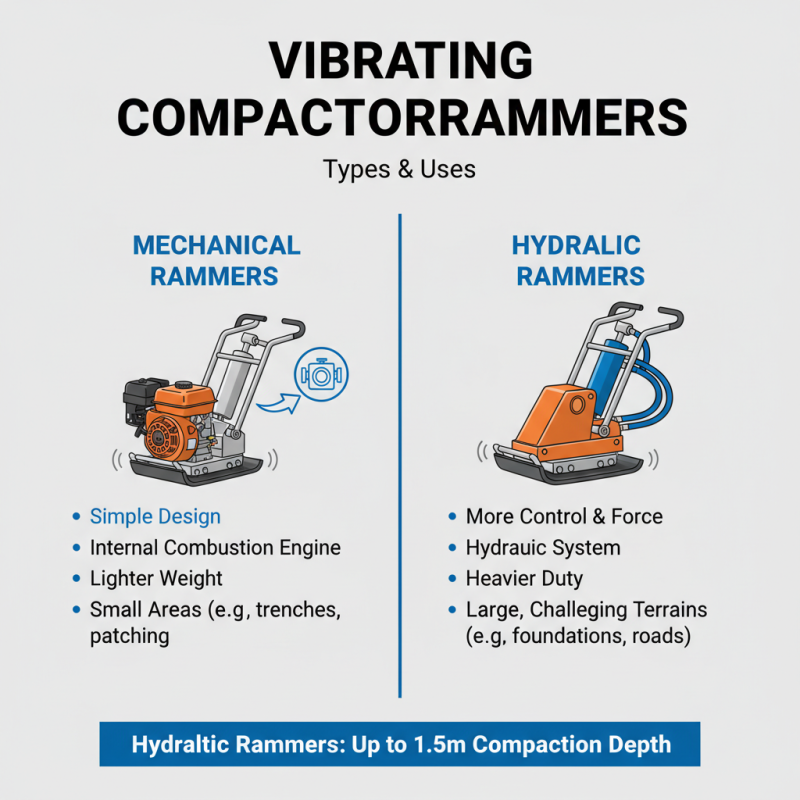
When selecting a vibrating compactor rammer, understanding the various types available is essential. Commonly, rammers are categorized into two primary types: mechanical and hydraulic. Mechanical rammers operate using a straightforward design featuring an internal combustion engine. They are typically lighter and better suited for small areas. In contrast, hydraulic rammers offer more control and force, making them ideal for compacting larger and more challenging terrains. According to industry studies, hydraulic rammers can achieve a compaction depth of up to 1.5 meters.
Different rammers serve specific purposes. Construction sites often benefit from powered rammers due to their efficiency in compacting soil. For asphalt work, lighter models can effectively pack thinner layers. Data from the Construction Industry Research Board shows that improper tool selection can lead to an 18% increase in project time due to inadequate compaction. Such delays emphasize the need for making informed choices.
Tip: Always assess the ground conditions before selecting a rammer. Softer soils may require less power while harder surfaces may benefit from a more robust model. Consider that each project has unique requirements that can impact performance. Properly matching the tool to the task can enhance efficiency and reduce costs significantly. Understanding the limitations of each type ensures better results, rather than relying on a one-size-fits-all approach.
Maintenance Tips for Prolonging the Life of Your Vibrating Compactor Rammer
Maintaining your vibrating compactor rammer is crucial for its longevity. Regular inspections can help identify wear and tear. Check the rammer's components for any damage, especially the foot, which experiences most of the impact. Small cracks can lead to bigger issues over time.
Oil the engine regularly to ensure smooth operation. Clean the air filter frequently to maximize airflow. This step can prevent engine failure and enhance performance. It's easy to overlook these simple tasks. Forgetting them can cost more in repairs.
Store the rammer in a dry place when not in use. Moisture can cause rust on metal parts. Use a protective cover to shield it from dust and debris. These steps might seem minor, but neglecting them can shorten your equipment's life significantly. Taking a little time for maintenance can save you headaches down the road.

 +86 18578756148
 CONTACT NUMBER
 CONTACT NUMBER
 CONTACT NUMBER
 CONTACT NUMBER