+86 13794985240


Choosing the right boom cylinder is crucial for the success of any project. A boom cylinder is a vital component in hydraulic systems. It helps lift heavy loads with precision and strength. Selecting the appropriate boom cylinder is not as straightforward as it seems.
Different projects have unique demands and specifications. A misunderstanding here can lead to inefficiencies. Consider the load capacity required for your task. Boom cylinders come in various sizes. Some may not meet your project's needs, which could create safety risks.
Additionally, the cylinder's material plays a significant role in its durability. Factors like environmental conditions and expected usage should influence your choice. Some may overlook the importance of proper installation, but it can directly impact performance. Take your time to evaluate your options thoughtfully. It’s okay to feel uncertain during this process. Reflect on your choices and gather insights before making a decision.
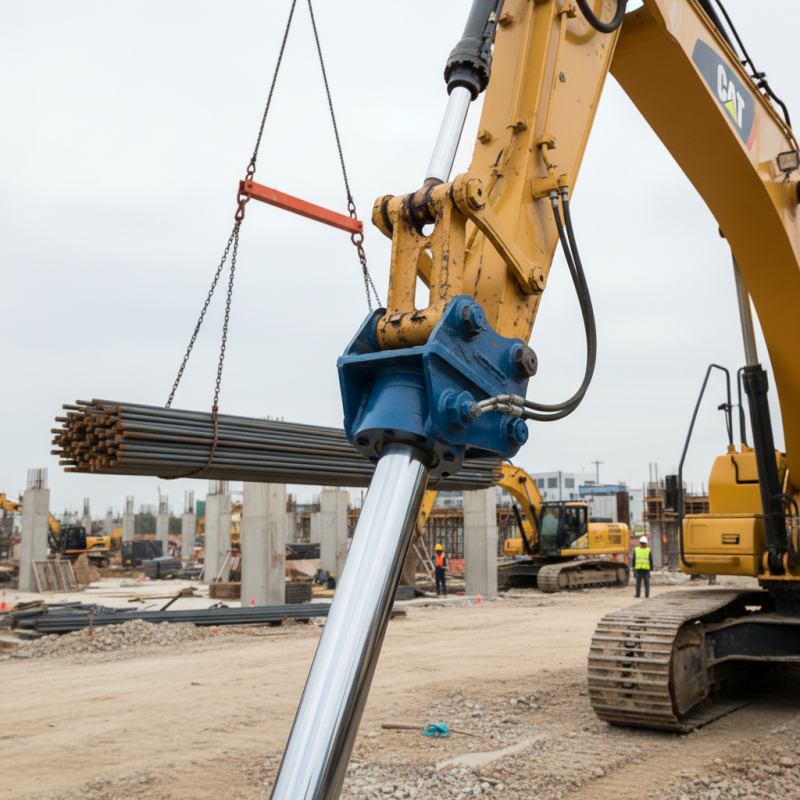
Boom cylinders play a crucial role in hydraulic systems, particularly in heavy machinery. There are various types of boom cylinders, each designed for specific tasks. For instance, single-acting cylinders are often used in applications requiring limited movement, while double-acting cylinders provide more power and versatility. Understanding these types helps in selecting the right cylinder for your project.
According to a 2022 industry report, the global hydraulic cylinder market is expected to grow by 5% annually. This growth highlights the increasing demand for robust and efficient equipment. Construction and agriculture sectors are major contributors to this trend. Choosing the right boom cylinder can significantly impact efficiency and productivity. However, many users overlook the size and force specifications required for their specific applications.
Hydraulic systems operate under high pressure. Mismatched cylinder performance can lead to failures. It's important to take into account the operational environment and load capacity. Inadequate attention to these factors may result in costly downtime. Selecting the appropriate boom cylinder is not just about fit, but understanding the nuances of each type. An informed decision ensures better project outcomes.

Choosing the right boom cylinder involves careful consideration of multiple factors. The application of the cylinder is crucial. Consider the load capacity required for your project. Analyze the weight and dimensions of the materials you'll move. This will guide you in selecting a cylinder that can handle your specific needs.
Next, think about the working environment. Conditions such as temperature, moisture, and exposure to chemicals matter. A boom cylinder should be durable enough to withstand these elements. Pay attention to the mounting options as well. Ensure that the cylinder can be easily integrated into your existing setup.
Another detail worth reflecting on is the maintenance requirements. Some cylinders require frequent servicing, which could be a burden for some projects. In contrast, others may have lower maintenance needs but could be less responsive. Finding the right balance is key. Finally, reviewing past user experiences can also provide insights. Chat with colleagues or read industry forums to gather practical advice. Each project is unique, and what worked for one project may not be suitable for another.
| Tip | Description | Considerations |
|---|---|---|
| 1. Determine Load Requirements | Understand the weight and type of load the boom cylinder will lift. | Consider maximum load ratings and safety margins. |
| 2. Assess Length and Stroke | Choose a boom cylinder with the right length and stroke for your application. | Evaluate required reach and retraction distances. |
| 3. Understand Mounting Options | Look at different mounting styles available for better compatibility. | Ensure proper fit for installation points in your machinery. |
| 4. Evaluate Type of Cylinder | Decide between single-acting and double-acting cylinders based on functionality. | Consider application needs for power and control. |
| 5. Analyze Material and Build Quality | Select cylinders made from high-quality materials for durability. | Consider environment and potential wear factors. |
| 6. Check Pressure Ratings | Examine the maximum pressure ratings to ensure suitability. | Ensure it meets operational pressure conditions. |
| 7. Look at Sealing Options | Assess sealing technology to prevent leaks and contamination. | Consider the operating environment and fluids used. |
| 8. Review Manufacturer Support | Select manufacturers known for good customer support and warranties. | Check for availability of parts and assistance. |
| 9. Factor in Cost and Budget | Stay within budget while ensuring quality and performance. | Evaluate long-term costs versus initial purchase price. |
| 10. Seek Expert Advice | Consult industry experts or engineers for informed decisions. | Use their insights for better compatibility and performance. |
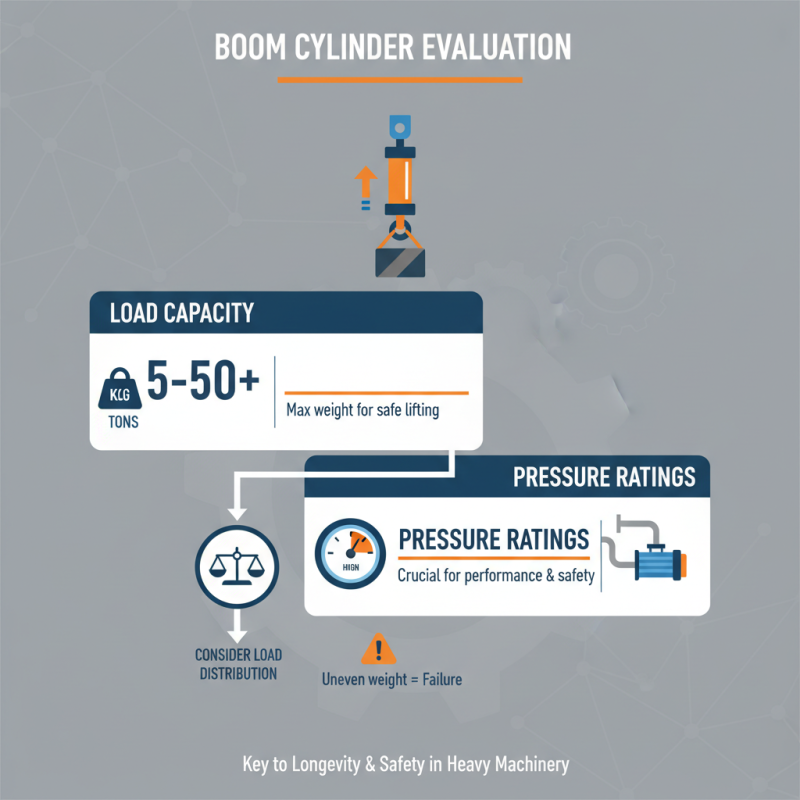
When evaluating boom cylinders, understanding load capacity and pressure ratings is crucial. Load capacity indicates the maximum weight a cylinder can lift safely. For instance, according to industry reports, cylinders typically range from 5 tons to over 50 tons. However, it’s important to consider not just the load but also the distribution of that load. Uneven weight can lead to premature failure.
Pressure ratings reflect the force a cylinder can handle without compromising safety. Standard ratings might range from 2000 psi to 5000 psi, depending on the design and materials used. Yet, many users overlook this aspect. Failing to match the pressure rating with project requirements can result in catastrophic failure. The American Society of Mechanical Engineers (ASME) suggests conducting regular pressure tests even after installation.
Attention to detail is essential in these evaluations. Too often, projects cut corners, focusing solely on capacity. Ignoring pressure can lead to severe issues down the line. It’s a reminder that safety cannot be compromised for convenience. Understanding these ratings not only ensures efficiency but also protects equipment and personnel.
Choosing the right boom cylinder is crucial for any project. One major aspect is the length of the cylinder. A longer cylinder can provide more reach but may also add weight. This can complicate installation and operation. Careful consideration is needed. Many people overlook this factor, thinking any length will do.
The stroke of the cylinder is just as vital. It determines how far the boom can extend. Too short a stroke limits capability, while an excessively long stroke can lead to instability. Use cases differ widely. Always match the stroke length to specific tasks. Ensure it fits the overall design.
Mistakes can happen. Choosing the wrong length or stroke can lead to operational failures. Analyze your needs thoroughly. Ask questions. Consider the type of work and environment. A wrong choice can cost time and money. Optimal performance depends on these essential details. Reflect on the project's requirements before making any decisions.
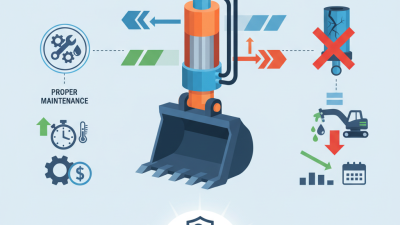
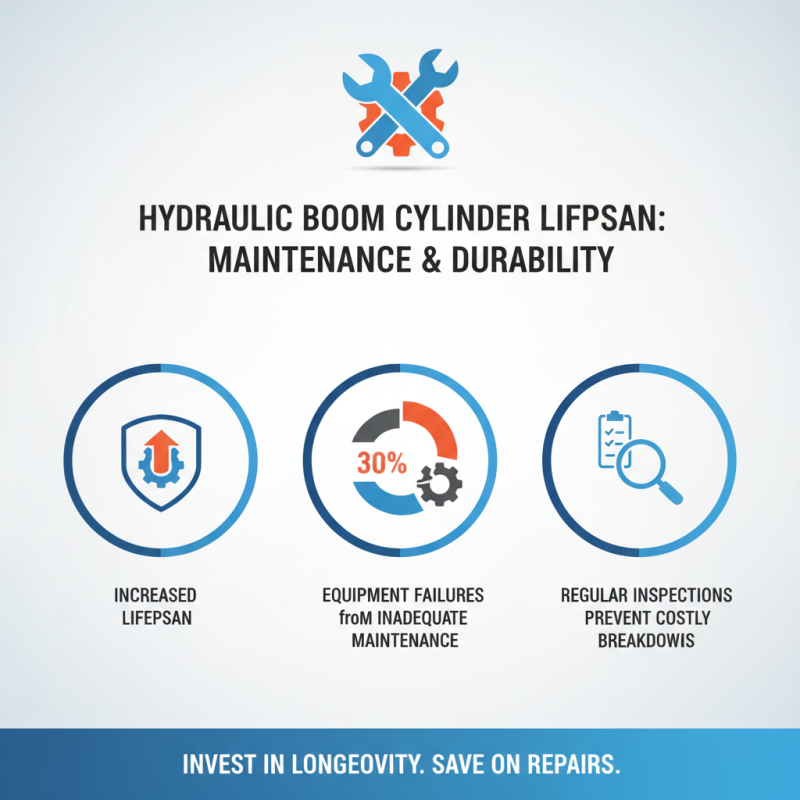
When selecting a boom cylinder for your project, consider maintenance and durability. The lifespan of hydraulic cylinders often hinges on these aspects. A study found that approximately 30% of equipment failures stem from inadequate maintenance. That's a significant number. Regular inspections can identify wear and tear early, potentially preventing costly breakdowns.
To enhance durability, factor in the working environment. Corrosive substances or extreme temperatures can compromise performance. For instance, a recent report highlighted that cylinders operating in harsher climates experience a 25% higher failure rate than those in moderate conditions. Designing for proper seal integrity can also impact longevity. Seals need to withstand both pressure and environmental factors.
Lastly, ensure that operators are well-trained in maintenance practices. Poor handling can lead to damage, reducing the cylinder's life. Training sessions can be a valuable investment, especially since improper use is cited in 15% of maintenance-related failures. Emphasizing care in usage helps maintain the integrity and durability of the boom cylinder throughout its operational lifespan.