Essential Tips for Choosing the Right Boom Cylinder for Your Equipment Needs
When it comes to maximizing the efficiency and performance of heavy equipment, selecting the right boom cylinder is crucial. This essential component plays a vital role in a machine’s ability to lift, extend, and maneuver, impacting not only productivity but also safety. A boom cylinder, responsible for controlling the boom's movement, must be chosen with consideration of various factors, including the equipment's specific requirements, the environmental conditions in which it operates, and the materials being handled.
In the realm of construction, forestry, or any heavy lifting applications, understanding the intricacies of boom cylinders can significantly enhance operational outcomes. An appropriate selection can lead to improved lift capacity, increased durability, and ultimately, cost savings over time. As such, making an informed decision is pivotal, involving an evaluation of size, pressure ratings, and compatibility with existing equipment. This article aims to provide essential tips that will guide you through the process of choosing the right boom cylinder, ensuring that your equipment meets its performance potential while adhering to safety standards.
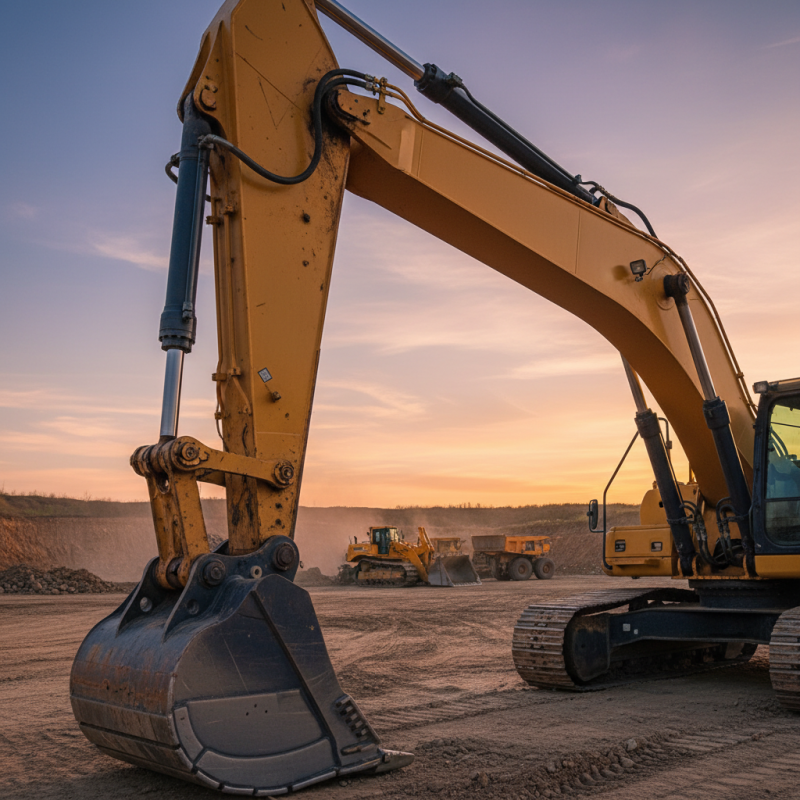
Understanding Boom Cylinders and Their Functionality
Boom cylinders play a crucial role in the functionality of various heavy equipment, particularly in applications requiring lifting, tilting, and extending capabilities. These hydraulic components provide the necessary force to raise and maneuver loads, making them indispensable in industries such as construction, agriculture, and material handling. Understanding the core purpose and design of boom cylinders is vital before choosing the right one for your equipment needs.
When selecting a boom cylinder, it’s essential to consider several key factors. Firstly, assess the specifications of your equipment—load capacity, stroke length, and mounting details are critical to ensuring compatibility. Secondly, evaluate the working environment; exposure to harsh conditions can influence the cylinder's material and sealing options. Lastly, prioritize choosing a cylinder with a reputation for quality and durability, as reliability directly affects operational efficiency.
Tip: Always consult the equipment manufacturer’s guidelines to determine the recommended specifications for boom cylinders. This ensures optimal performance and safety when selecting a cylinder tailored to your application. Additionally, seeking professional advice or partnerships with experienced suppliers can provide valuable insights that enhance decision-making and operational success.
Essential Tips for Choosing the Right Boom Cylinder for Your Equipment Needs
| Dimension |
Value |
Material |
Application |
| Stroke Length |
24 inches |
Steel |
Excavator |
| Bore Diameter |
3 inches |
Aluminum |
Loader |
| Rod Diameter |
1.5 inches |
Chrome Plated Steel |
Telehandler |
| Max Pressure |
3000 PSI |
Cast Iron |
Forklift |
| Weight |
45 lbs |
Steel |
Backhoe |
Factors to Consider When Selecting a Boom Cylinder
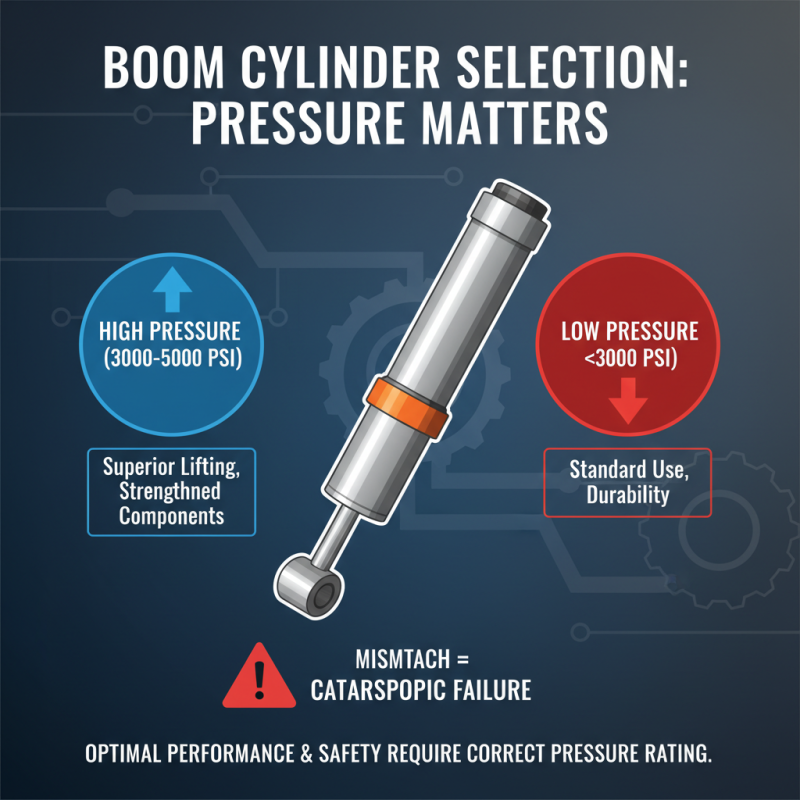
When selecting a boom cylinder for heavy equipment, several critical factors must be taken into account to ensure optimal performance and safety. One of the foremost considerations is the operating pressure of the equipment. According to industry reports, a mismatch between the boom cylinder's pressure rating and the machine's operating specifications can lead to catastrophic failures. For instance, cylinders designed for high-pressure applications, typically around 3,000 to 5,000 psi, provide superior lifting capabilities but require strengthened components to prevent wear and tear. Understanding the pressure requirements of your application is vital for longevity and functionality.
Another significant aspect is the cylinder's stroke length and bore size, which directly affect the lifting capacity and speed of the boom. A study published by the Fluid Power Journal emphasizes that selecting the right bore size can improve efficiency by up to 20%, enabling quicker operations and reducing fuel consumption. Additionally, factors such as the weight of the load and the working environment should guide your choice. For example, a cylinder that operates seamlessly in a controlled environment might struggle under extreme temperatures or abrasive conditions, which can significantly shorten its operational life. Evaluating these aspects will help in selecting a boom cylinder that not only meets the demands of the job but also enhances the overall productivity of your equipment.
Material and Design Aspects of Boom Cylinders
When selecting a boom cylinder for your equipment needs, the choice of material and design plays a crucial role in performance and longevity.
Boom cylinders are typically constructed from steel, aluminum, or composite materials, each offering distinct advantages.
Steel cylinders provide superior strength and durability, making them suitable for heavy-duty applications.
In contrast, aluminum cylinders, while lighter and corrosion-resistant, may not handle extreme loads as effectively as their steel counterparts.
According to a report by the International Hydraulic Institute, the right choice of material can increase the efficiency of hydraulic systems by up to 20%, underscoring the importance of material selection in performance enhancement.
Design aspects such as cylinder diameter, stroke length, and mounting configurations significantly influence the functionality of boom cylinders.
A properly sized cylinder ensures optimal force delivery and stroke efficiency, which can reduce wear and tear on hydraulic components.
Furthermore, advancements in design techniques, including finite element analysis (FEA), allow engineers to optimize cylinder designs for specific load conditions,
enhancing both safety and efficiency.
The 2022 Hydraulic Cylinder Market Report indicates that well-designed boom cylinders can extend the service life by 30% compared to standard models, highlighting the importance of investing time in understanding these aspects.
Choosing the right material and design tailored to your specific applications can lead to substantial operational benefits and reduced maintenance costs.
Compatibility with Equipment and Hydraulic Systems
When selecting a boom cylinder for your equipment, the first and foremost consideration should be compatibility with both the machinery and the hydraulic systems in use. Different equipment types often have specific hydraulic requirements that dictate the size, pressure rating, and type of boom cylinder needed. It is crucial to thoroughly assess the specifications provided by the equipment manufacturer, ensuring that the boom cylinder can withstand the operational demands and integrate seamlessly into the existing hydraulic setup.
Additionally, understanding the hydraulic system's functionality is vital for ensuring long-term performance and reliability. Factors such as flow rate, operating pressure, and temperature limits should be aligned with the chosen boom cylinder's specifications. Inconsistent compatibility can lead to reduced efficiency, increased wear, and potential system failures. Therefore, conducting a detailed analysis of both the machine's requirements and the hydraulic system's capabilities will help in selecting the right boom cylinder that enhances performance while minimizing maintenance costs.
Maintenance Tips for Optimal Boom Cylinder Performance
To ensure optimal performance of boom cylinders, regular maintenance is crucial. One vital tip is to consistently check for leaks in the hydraulic system. A small leak can lead to significant performance issues and increased wear over time. Regular inspections should be performed, looking for any signs of oil seeping, which can indicate a need for immediate repair or replacement.
Another essential aspect of maintenance is keeping the cylinder clean. Dirt and debris can impede the movement of the cylinder and cause premature wear. It’s advisable to wipe down the exterior of the boom cylinder regularly and ensure that any surrounding areas are free from contaminants. Parking your equipment in a covered space when not in use can help minimize exposure to potential damaging elements.
Lastly, regularly checking the hydraulic fluid levels and replacing the fluid when necessary is vital to the longevity of the boom cylinder. Low fluid levels can lead to decreased performance and increased friction within the system. Establishing a routine fluid check can save you time and money in the long run by preventing more severe damages and ensuring that your equipment runs smoothly. By implementing these maintenance tips, you can significantly enhance the performance and lifespan of your boom cylinder.

 +86 13794985240
 CONTACT NUMBER
 CONTACT NUMBER