Why Are Bucket Teeth Essential for Excavation Equipment?
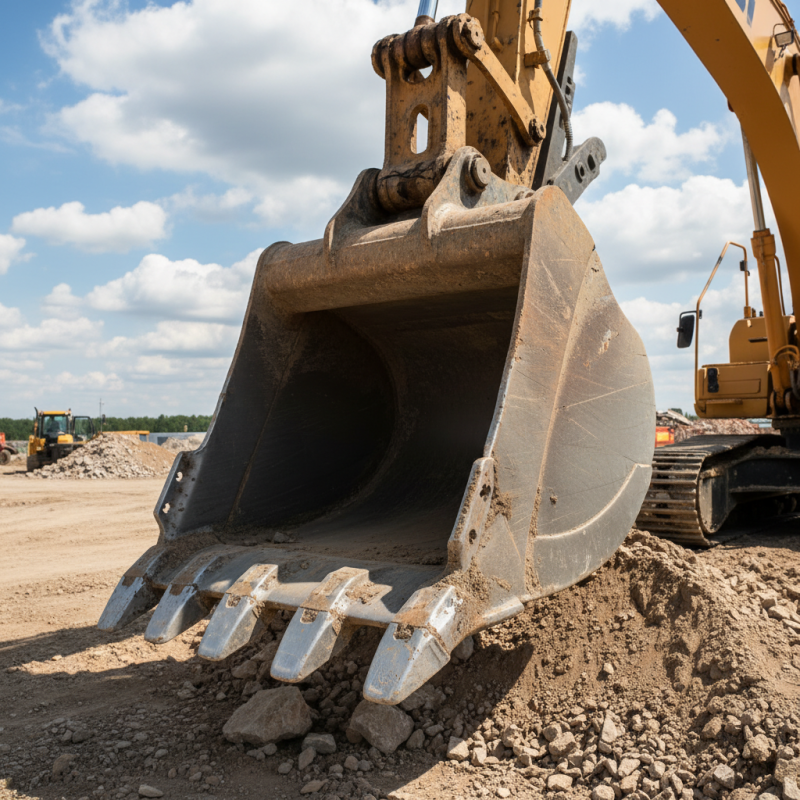
Bucket teeth play a crucial role in excavation equipment. These components help in digging and breaking up tough materials. They are attached to the bucket of excavators, loaders, and backhoes. Without bucket teeth, digging becomes inefficient and challenging.
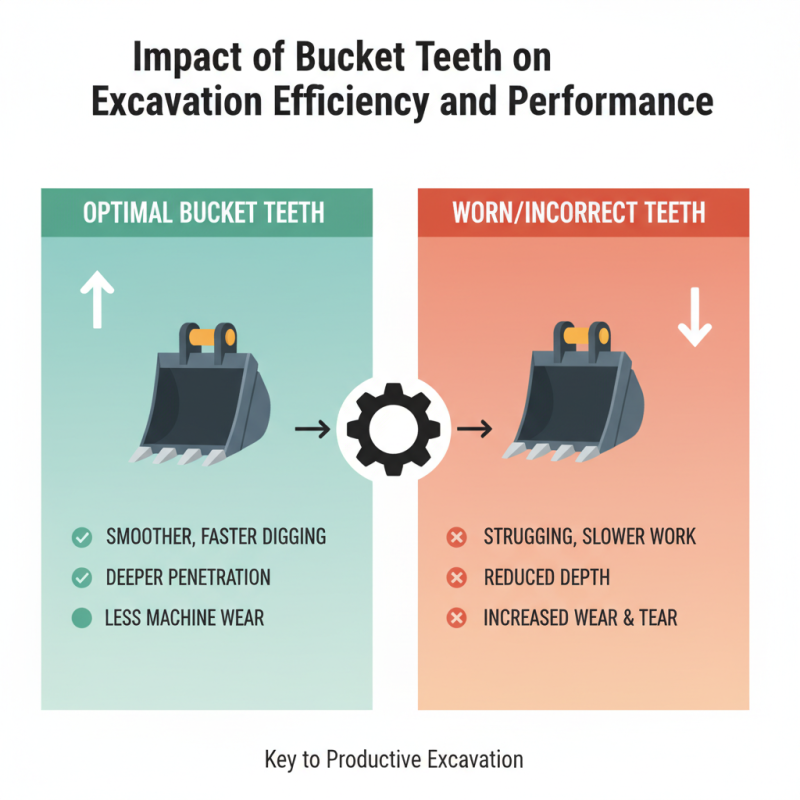
A well-designed bucket tooth can enhance performance significantly. It allows the machine to penetrate the ground easily. Operators can work faster and with less strain on the equipment. However, not all bucket teeth are equal. Some may wear out quickly, leading to increased costs.
Choosing the right bucket teeth requires careful consideration. Factors like material, shape, and application matter. It's essential to evaluate performance regularly. The right choice can lead to improved productivity, yet overlooking details can hurt efficiency.
The Functionality of Bucket Teeth in Excavation Equipment
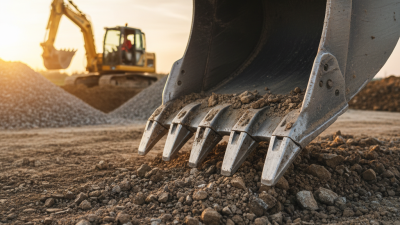
Bucket teeth play a crucial role in excavation equipment. They are not just attachments; they enhance performance and efficiency. These teeth are designed to bite into various materials, including soil, rock, and debris. Their sharp edges allow equipment to dig deeper with less effort. This means faster job completion and cost savings.
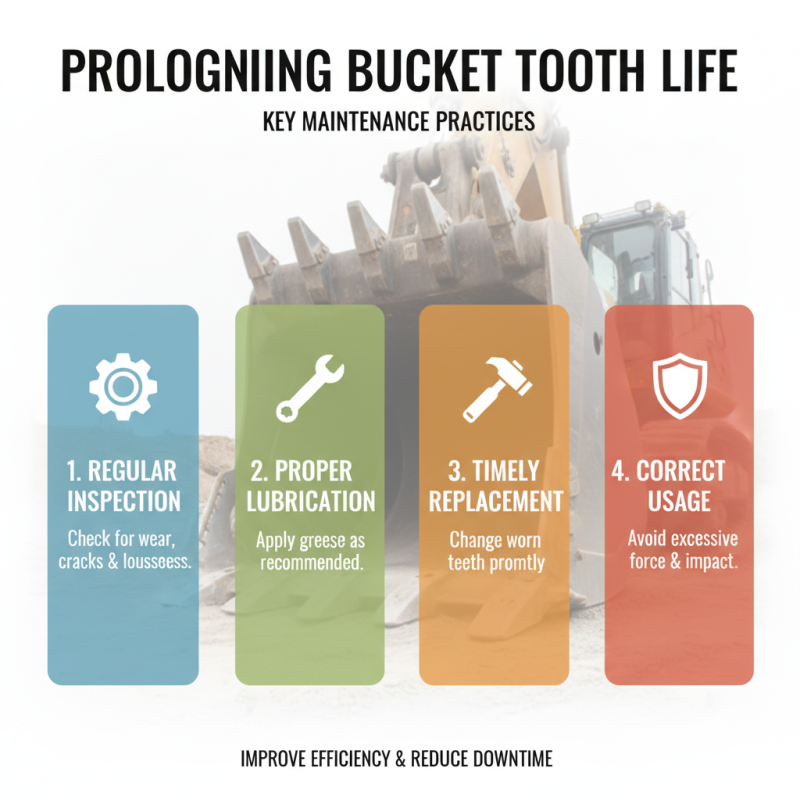
Tips for maintaining bucket teeth:
Regular inspections are essential. Check for wear and tear after heavy use. If they are damaged, replace them promptly to prevent further issues. Proper maintenance extends their lifespan significantly. Remember, worn teeth can lead to inefficient digging.
Additionally, consider the type of material you frequently encounter. Different projects may require specific shapes of teeth. A wrong choice can affect overall productivity. Experimenting with various designs might yield better results. Finding the right balance in performance and durability is essential for long-term efficiency.
Understanding the Design and Materials of Bucket Teeth
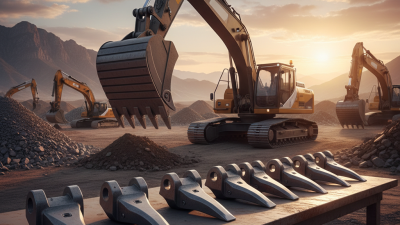
Bucket teeth play a crucial role in the efficiency of excavation equipment. They are designed to penetrate various soil types, whether hard clay or loose gravel. High-quality bucket teeth are usually made from specially formulated alloys that boast both durability and impact resistance. Data shows that using premium materials can extend the service life of bucket teeth by up to 30%. This significantly reduces maintenance costs and downtime for equipment.
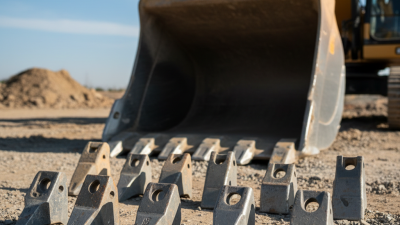
The design of bucket teeth varies depending on their specific application. Shapes and configurations are tailored to optimize digging performance. For instance, a sharp pointed tooth is more effective for breaking hard ground, while a flat tooth works better in softer soil. It’s critical to choose the right design based on project needs. A mismatch can lead to premature wear or inefficient digging. Industry experts recommend regularly evaluating the condition of bucket teeth to sustain optimal performance. Worn-out teeth may undermine excavation efforts, leading to delayed project timelines.
In conclusion, understanding the materials and designs of bucket teeth is essential for maximizing productivity. As excavators face heavy demands, small details such as tooth material can lead to significant changes in performance. As the saying goes, "Every inch counts," especially when it comes to excavation.
Choosing the Right Bucket Teeth for Specific Excavation Tasks
Choosing the right bucket teeth can significantly improve excavation efficiency. Different tasks require different types of teeth. For example, sharp teeth work well in soft soils, while wider ones are better for harder surfaces. Each type serves a specific purpose.
Think about the material you’re digging. If it’s rocky, you need teeth that can withstand harsh conditions. In softer environments, more pointed teeth might be suitable. However, sometimes the choice isn’t clear-cut. You might encounter unexpected soil types that test your equipment. Adjusting on the fly is necessary.
Another consideration is wear and tear. Bucket teeth wear out over time and require replacement. This can disrupt work schedules. Regular maintenance can help identify when teeth need changing. Ultimately, making the right choice may involve trial and error. Testing different options could lead to valuable insights about your equipment and its performance.
Why Are Bucket Teeth Essential for Excavation Equipment?
Bucket teeth play a crucial role in the efficiency and effectiveness of excavation tasks. The following chart illustrates the performance of different types of bucket teeth based on their application in various excavation scenarios.

 +86 13794985240
 CONTACT NUMBER
 CONTACT NUMBER