Essential Tips for Sourcing Quality Bucket Cylinders?
When sourcing quality bucket cylinders, it’s essential to focus on several key factors. The global market for hydraulic cylinders is projected to reach $18.98 billion by 2027, according to a report by Grand View Research. This rapid growth underscores the need for reliable and durable components in heavy equipment. A well-crafted bucket cylinder can significantly impact efficiency and safety in various applications, especially in construction and mining.
The choice of materials and manufacturing processes plays a critical role in the performance of bucket cylinders. High-grade materials, such as carbon steel and specialized coatings, enhance durability and resistance to wear. Reports suggest that over 30% of cylinder failures are due to poor material selection and manufacturing defects. Thus, prioritizing suppliers with a proven track record is vital.
Moreover, understanding the specific requirements for the intended application is often overlooked. Factors such as load capacity, cylinder size, and environmental conditions should influence your decisions. Sourcing from reputable manufacturers who provide clear specifications and quality assurance can mitigate risks. In an industry where every detail counts, ensuring the reliability of your bucket cylinders is non-negotiable.
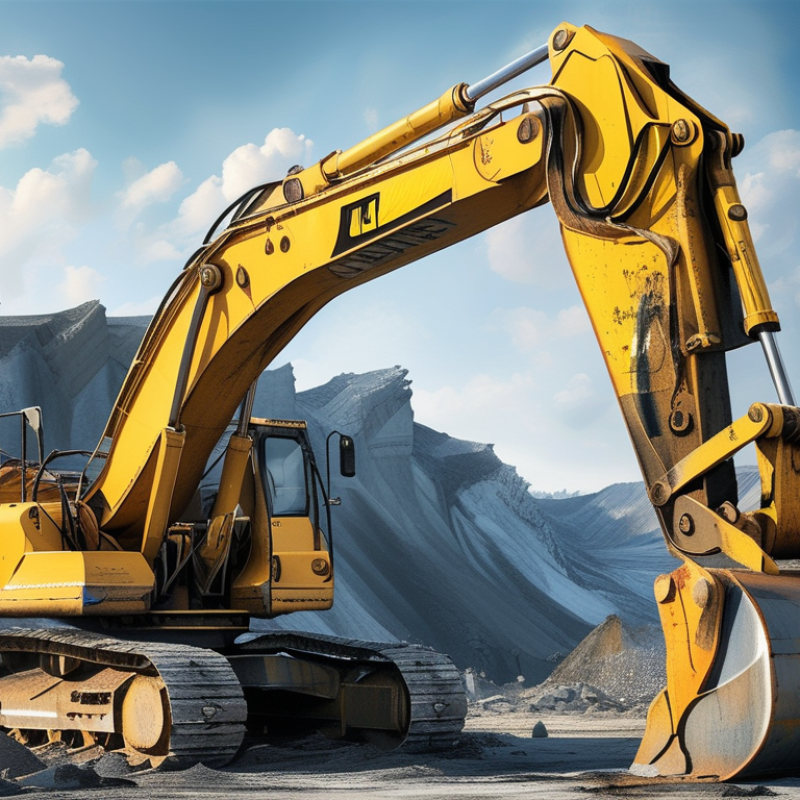
Key Characteristics to Identify High-Quality Bucket Cylinders
When sourcing high-quality bucket cylinders, understanding their key characteristics is crucial. Quality bucket cylinders should be constructed from durable materials that resist wear and tear. According to industry reports, cylinders made from high-tensile steel can enhance longevity and reduce maintenance costs. This data reflects that a well-constructed cylinder can last up to 30% longer than standard options.
One of the most important aspects is the hydraulic seal. A quality seal prevents leaks and maintains pressure effectiveness. Regular leaks can lead to unsafe operations and costly repairs. Inspect the seal material and design. They should be both robust and flexible. Tips for assessing this component include checking for visible signs of wear and ensuring smooth functionality during operation.
Additionally, check the manufacturer's specifications. Reliable manufacturers will provide data about the cylinder's load capacity and pressure ratings. Industry standards highlight that cylinders should meet or exceed these specifications to ensure safe usage. Look for cylinders that undergo rigorous testing, which indicates a commitment to safety and quality. Choosing cylinders backed by standards not only improves safety but also enhances lifecycle performance.
Understanding the Different Types of Bucket Cylinders Available
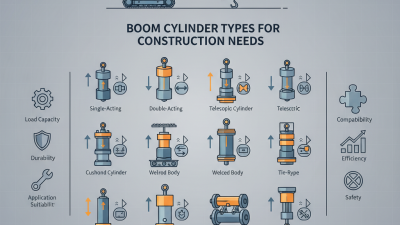
When sourcing quality bucket cylinders, understanding the various types available is critical. Bucket cylinders are essential components used in machinery. These cylinders come in different sizes and designs, each serving specific needs.
For example, single-acting cylinders are popular for simple lifting tasks. They're effective but may lack efficiency in some applications. In contrast, double-acting cylinders provide more power and control. They allow movement in both directions, making them ideal for complex tasks.
Tips: Always consider the load capacity of a cylinder. Ensure it matches your machinery requirements. Look for durable materials to enhance longevity. Researching manufacturers can provide insights into the reliability of their products. Pay attention to user reviews; they reflect real-world experiences.
Sometimes, budget restrictions affect your choices. It's important not to compromise on quality. An inferior cylinder can lead to costly repairs. Take the time to evaluate your options carefully. Understanding the differences can help you make a more informed decision.
Essential Materials and Construction Techniques for Durability
When sourcing quality bucket cylinders, the materials and construction techniques are crucial for durability. Bucket cylinders are often exposed to harsh environments. Thus, materials like high-grade steel or aluminum are preferred. These materials resist corrosion and wear, extending the cylinder's life. Pay attention to the thickness and finish of the metal. Thicker materials can handle greater stress and wear over time. A poorly finished surface may lead to rust and reduce performance.
Welding techniques also matter in cylinder construction. Precision welding ensures that seams are strong. Poorly welded joints can lead to failures or leaks. Take the time to inspect welds carefully. You might find inconsistencies that could be problematic later. Additionally, consider the cylinder's design. A well-designed bucket cylinder can distribute loads evenly, preventing unnecessary strain.
Finally, keep in mind the importance of sourcing from reliable suppliers. Conduct thorough research on potential manufacturers. Ask about their quality control processes. Gather feedback from other customers. It is essential to question your sources. Making informed choices can save time and resources in the long run. Quality materials and reliable construction lead to better durability. When dealing with bucket cylinders, these factors are non-negotiable.
Essential Tips for Sourcing Quality Bucket Cylinders
| Material |
Durability |
Construction Technique |
Common Applications |
Maintenance Tips |
| Steel |
High strength, resistant to impact |
Welded design |
Heavy machinery |
Regular rust inspection |
| Aluminum |
Lightweight, corrosion-resistant |
Extrusion process |
Aerospace applications |
Avoid excess moisture |
| Polyethylene |
Impact resistant, flexible |
Molded construction |
Chemical storage |
Clean with mild soap |
| Stainless Steel |
Highly corrosion resistant, durable |
Seamless fabrication |
Food & beverage industry |
Prevent scaling and pitting |
| Composite |
Lightweight, high stiffness |
Layered construction |
Automotive components |
Inspect for delamination |
Evaluating Supplier Reputation and Customer Feedback
When sourcing quality bucket cylinders, evaluating a supplier's reputation and customer feedback is crucial. According to a recent industry report, 78% of buyers consider supplier reputation as a primary factor in their purchasing decisions. Trustworthy suppliers often showcase a history of reliability and performance. A strong reputation can reduce risks associated with product failures, which might lead to costly downtime.
Customer feedback provides insights into the experiences of previous clients. A survey conducted by an industry association found that 65% of customers rely heavily on peer reviews before making a decision. It’s essential to look for patterns in feedback—both positive and negative. While a few negative reviews are common, a consistent trend of complaints should raise concerns. Take time to assess the volume and context of the feedback. Only a handful of negative comments may not be a dealbreaker, but an overwhelming majority should prompt further inquiry.
An experienced approach involves reviewing multiple sources of feedback, including industry forums, trade publications, and social media. Engaging with past customers through testimonials can reveal performance metrics too. Understanding nuances in feedback, such as after-sales service quality and responsiveness to issues, is vital. Reflecting on these insights allows for more thoughtful decision-making in sourcing.
Best Practices for Testing and Inspecting Bucket Cylinders Before Purchase
When sourcing quality bucket cylinders, testing and inspection are crucial steps. Before making a purchase, ensure you carefully examine the cylinders for any signs of wear or damage. Look for leaks, cracks, or corrosion. These imperfections can affect performance and longevity. A quick visual check is often not sufficient.
Conduct functional tests whenever possible. Check the cylinder’s ability to extend and retract smoothly. Observe if it holds pressure and operates without hissing or bubbling sounds. These tests reveal underlying issues that may not be immediately visible.
Another important tip is to verify the manufacturer's specifications. Compare these details with industry standards. Quality cylinders should meet certain criteria for strength and durability. Ask for documentation or certifications that confirm compliance. Testing and inspecting quality bucket cylinders will save you time and money in the long run.

 +86 18578756148
 CONTACT NUMBER
 CONTACT NUMBER
 CONTACT NUMBER
 CONTACT NUMBER