10 Tips for Using a Vibrating Compactor Rammer Efficiently?
Using a Vibrating Compactor Rammer effectively requires skill and knowledge. This powerful tool is essential for compacting soil and other materials. However, many users struggle with maximizing its efficiency.
To optimize your work, it's crucial to understand the machine's operation. Proper technique can enhance results significantly. An incorrect approach may lead to uneven surfaces and wasted time. Paying attention to vibration speed and pressure is vital. The right settings will ensure that you achieve the desired compaction while minimizing fatigue.
In this guide, we will explore ten practical tips for using a Vibrating Compactor Rammer. These tips are designed to help both newcomers and experienced users improve their efficiency. You will gain insights into best practices and common mistakes. Making adjustments based on your workload can lead to better outcomes. Remember, each project is unique. Adaptability is key to mastering this equipment.

Understanding the Basics of a Vibrating Compactor Rammer
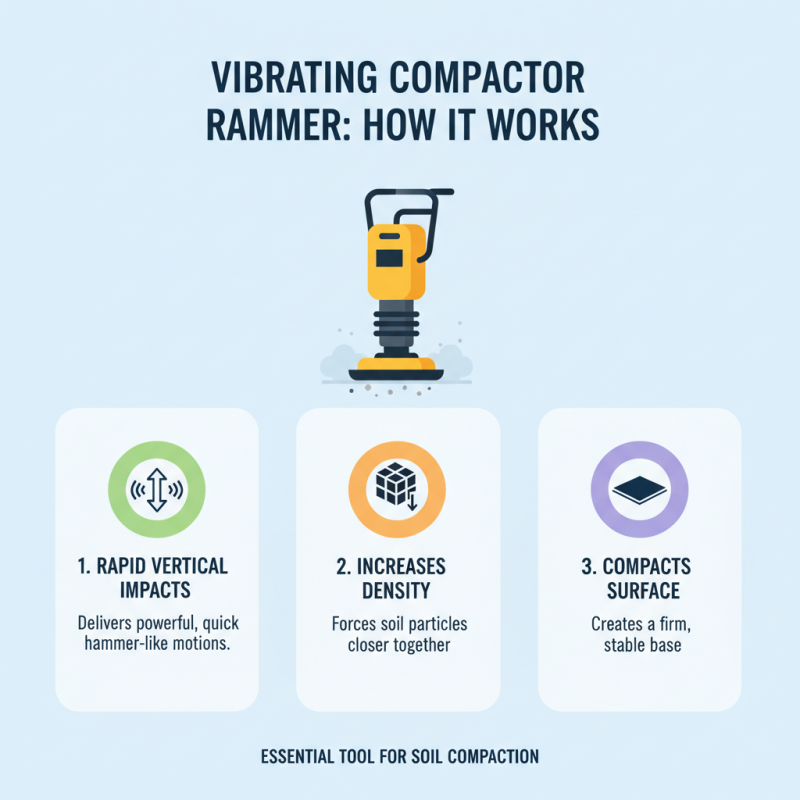
A vibrating compactor rammer is an essential tool for compacting soil and other materials. It works by delivering rapid vertical impacts, which increase the density of the surface. Understanding how this machine operates is key to using it efficiently.
One important tip is to maintain a consistent speed while operating the rammer. Moving too slowly won't compact effectively, while going too fast can cause uneven surfaces. Pay attention to how the machine responds as you work. Use short, controlled passes. This approach prevents over-compaction in certain areas.
Regular maintenance is crucial. Check the fuel levels, inspect for leaks, and clean the equipment after use. Neglecting these actions can lead to performance issues. Finally, practice proper lifting techniques when moving the rammer. This protects your back and reduces fatigue. Those small adjustments in technique can significantly enhance your efficiency.
Choosing the Right Compactor for Your Specific Project
Choosing the right compactor for your specific project is crucial. It can significantly impact efficiency and results. Assess the ground type before making a decision.
Soft ground may need a lighter compactor. In contrast, dense, rocky soil often requires a heavier model. Take time to research the specific specifications of each type you’re considering.
Consider the project scale. A small landscape project might not need heavy machinery. However, a large construction site does. We often overlook the need for noise levels. Some compactors can be quite loud, disturbing nearby activities. Think about your surroundings; it’s vital.
Lastly, remember that maintenance is key. A poorly maintained machine can lead to inefficiency and safety concerns. Regular checks on equipment can prevent future problems. Reflect on these factors before choosing your compactor. It’s better to pause and think than rush and regret.
Step-by-Step Guide to Operating a Vibrating Compactor Rammer
Operating a vibrating compactor rammer effectively requires attention to detail and adherence to best practices. Begin by inspecting the equipment before use. Check the fuel levels and look for any signs of wear or damage. A report from the Construction Industry Institute suggests that preventative maintenance can reduce machine failures by 30%. Operators often neglect this crucial step, which can lead to costly downtime.
Next, ensure that you are comfortable with the controls. Familiarize yourself with the throttle and vibration settings. The tool's effectiveness relies on the right adjustment for different soil types. For instance, sands may require a higher vibration frequency than clay. According to industry studies, adjusting the compactor's operation can improve compaction density by up to 25%, ensuring a more stable base for construction projects.
Proper stance during operation is vital. Stand with feet shoulder-width apart. This position helps maintain balance and control. Many operators struggle with maintaining an optimal stance, leading to fatigue and reduced efficiency. Remember, it's important to take breaks to rest muscles and refocus. Keeping hydration levels in check is equally essential for sustained performance.
10 Tips for Using a Vibrating Compactor Rammer Efficiently
| Tip Number |
Tip Description |
Benefits |
| 1 |
Read the operator's manual before use. |
Ensures proper understanding and safety. |
| 2 |
Inspect the machine before use. |
Identifies any maintenance needs ahead of time. |
| 3 |
Use the correct fuel type and oil. |
Optimizes performance and extends machine life. |
| 4 |
Adjust the amplitude settings for the task. |
Enhances efficiency for different soil types. |
| 5 |
Maintain a steady pace while operating. |
Improves compaction results and accuracy. |
| 6 |
Ensure proper footing and grip on the machine. |
Reduces risk of accidents and enhances control. |
| 7 |
Avoid working on excessively wet soil. |
Prevents machine damage and poor compaction. |
| 8 |
Make multiple passes for even compaction. |
Achieves more uniform surface and stability. |
| 9 |
Be mindful of surrounding areas and workers. |
Enhances site safety and reduces hazards. |
| 10 |
Perform regular maintenance and cleaning. |
Increases longevity and reliability of the machine. |
Safety Precautions and Best Practices When Using the Rammer
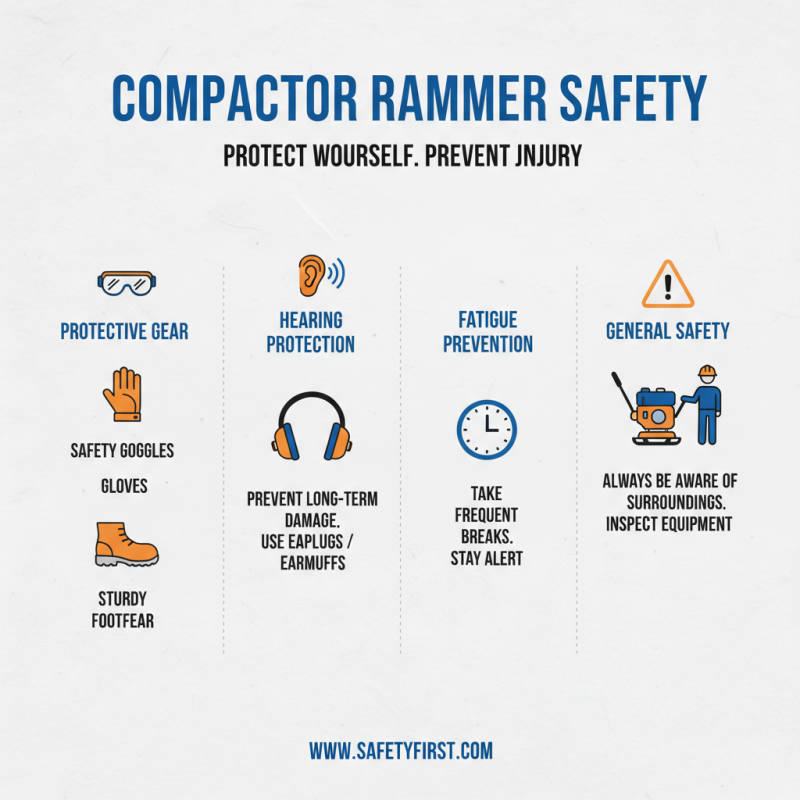
When operating a vibrating compactor rammer, safety should always be a priority. Protective gear is essential. Wear safety goggles, gloves, and sturdy footwear. Hearing protection is crucial too. The noise level from the rammer can be high, risking long-term hearing damage. Take breaks frequently to prevent fatigue.
Be aware of your surroundings. Look for overhead power lines or unstable ground. These hazards can lead to accidents. Check the equipment before using it. Make sure it functions properly. If something feels off, stop and address the issue. Listen to the machine's sounds. Unusual noises can indicate potential problems.
Training is vital. Even experienced users should refresh their knowledge. Each rammer may have slightly different operations. Practice makes perfect, but so does reflection. Ask for feedback on your technique. It can help improve efficiency. Avoid rushing the work; it can lead to mistakes. Think about each action as you operate the rammer. It's easy to overlook safety when you're focused on getting the job done.
Maintenance Tips for Enhancing the Performance of Your Compactor
Maintaining your vibrating compactor rammer is essential for its efficiency and longevity. Regular inspections help identify any wear or damage. Check the engine oil and fuel levels consistently. Dirty oil can lead to performance issues. Be sure to replace the oil according to the manufacturer’s recommendations. Inspect the air filter often to ensure that air flows freely. A clogged filter can reduce power and effectiveness.
Proper cleaning after use is equally important. Remove dirt and debris from the base and other components. This prevents buildup that can affect performance. Pay attention to the rammer's feet, as they can wear down quickly. If they become uneven, it can lead to poor compaction results. Bolts and screws should be tight to avoid losing parts during operation. It’s easy to forget these details, but they’re crucial.
Sometimes, despite following all care tips, issues arise unexpectedly. Dive deeper into unusual noises or vibrations. Ignoring them can lead to bigger problems later. You might overlook simple fixes that can save you time and resources. Reflection on maintenance habits can enhance your operation's effectiveness. Taking these small steps improves not only your rammer’s life but also the quality of your work.

 +86 13794985240
 CONTACT NUMBER
 CONTACT NUMBER