Leave Your Message

Top 10 Types of Center Joints for Global Buyers

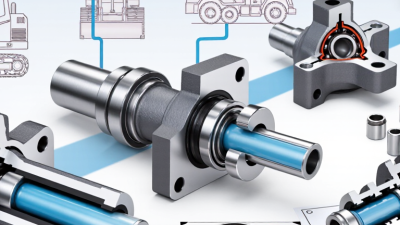
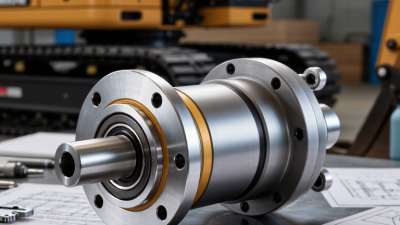
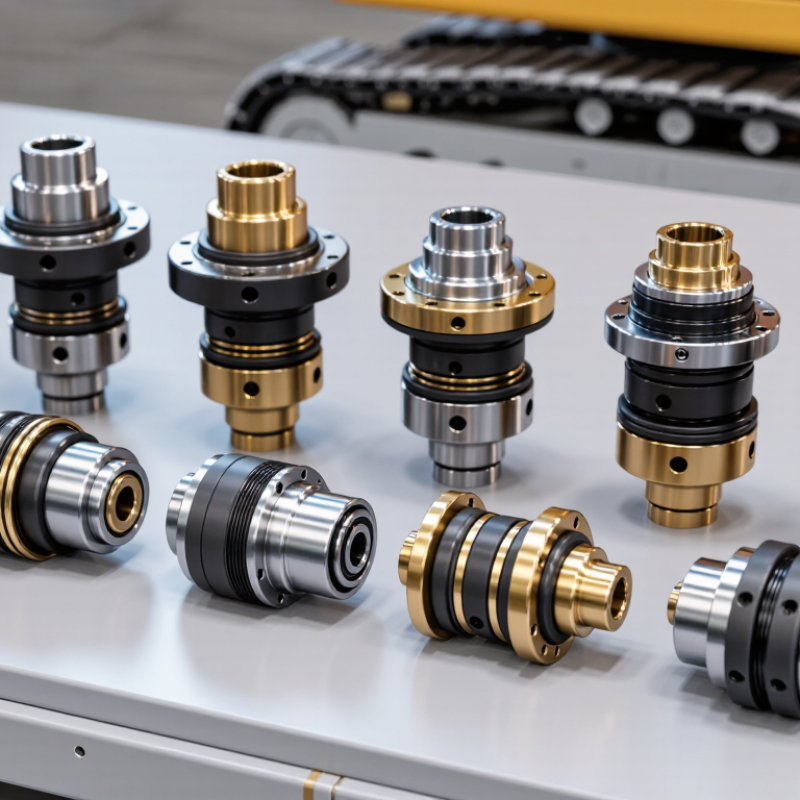
A Center Joint, often called a rotary manifold or swivel joint, transfers hydraulic oil between a machine’s upper and lower sections. On an excavator, it sits near the center of the undercarriage and supports continuous rotation. Inside, channels, seals, and rotating surfaces must work together under pressure. Small details matter. A port pattern that looks familiar may still differ in size, position, or circuit arrangement.

This guide introduces ten common Center Joint types and configurations for global buyers. Market terminology is not always consistent, so product names alone may not confirm compatibility. Compare the machine model, operating pressure, flow requirements, number of passages, connection dimensions, and seal materials against reliable product data. Installation space matters too; a few millimeters can complicate fitment. Ask suppliers for drawings, test information, and clear warranty terms when available. These checks help reduce avoidable sourcing problems, but they cannot replace inspection by a qualified technician. I have seen specifications that looked complete while leaving one practical question unanswered: will the joint suit the machine’s actual working conditions? That uncertainty deserves attention. A careful comparison of design, materials, and service needs can help buyers shortlist suitable options without assuming that one type fits every machine.
Top 10 Types of Center Joints for Global Buyers

How Conveyor-Belt Center Joints Transfer Load Across the Splice

Top 10 Types of Center Joints for Global Buyers

A conveyor-belt center joint transfers tension from one belt end to the other. In a fabric belt, load passes through the stepped plies and bonding rubber. In a steel-cord belt, the splice transfers force between carefully prepared cords, rubber, and adjoining belt sections. Step laps, finger joints, and staggered steel-cord splices use different geometries, but all aim to spread stress rather than concentrate it at one point. A neat-looking splice can still hide uneven cord spacing or poor bonding. Looks can mislead.

The required joint depends on belt construction, operating tension, pulley diameter, and service conditions. ISO 15236-1:2016 specifies steel-cord belt tensile-strength classes from 500 to 10,000 N/mm. That figure describes belt strength, not guaranteed splice strength. The splice design and workmanship must suit the selected belt class. CEMA’s Belt Conveyors for Bulk Materials also treats belt tension and pulley conditions as key design factors. A joint that works on a short, lightly loaded conveyor may not suit a long, high-tension line.

Tips: Match the splice method to the belt’s carcass and operating load. Check alignment, cure conditions, and manufacturer-approved splice dimensions. Inspect edges and the center line after commissioning; small defects can grow under repeated loading. Record the belt class and splice details for future maintenance.
Ten Center-Joint Types Classified by Splicing Method and Construction

Top 10 Types of Center Joints for Global Buyers

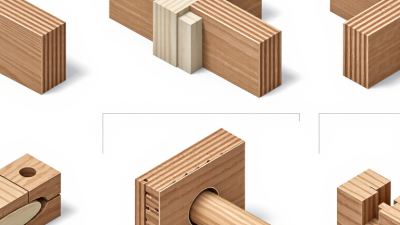
Center joints vary by how their parts meet and how the connection is secured. A practical classification includes butt, lap, scarf, stepped, finger, tongue-and-groove, keyed, pinned, bolted-flange, and welded or brazed joints. The names describe different construction details, not a universal ranking. Materials and loading conditions matter.

A butt splice places two ends together, while a lap joint overlaps them. Scarf and stepped joints create longer contact areas; finger joints use interlocking projections. Tongue-and-groove joints align adjoining edges, and keyed joints use a separate insert to resist movement. Pins or dowels locate parts, while bolts allow disassembly. Welding or brazing forms a permanent metal connection. Some categories can overlap in real products. That classification is useful, but not perfect.

Tips: Check drawings for dimensions, material, tolerance, and joining process. Ask how the center joint handles vibration, repeated loads, and inspection. Fit matters. A neat-looking seam alone does not prove strength; request relevant test details before comparing suppliers.

Top 10 Types of Center Joints for Global Buyers

Ten center-joint types classified by splicing method and construction

This chart groups ten commonly recognized joint geometries by their primary construction approach. The classification includes three end-to-end types (butt, scarf, and stepped scarf), three overlapping types (half-lap, full-lap, and miter-lap), two interlocking types (finger and tongue-and-groove), and two reinforced types (spline- and dowel-reinforced). Actual strength and suitability depend on material, dimensions, loading, and fabrication.

Compare Joint Performance with ISO 14890 and ISO 15236 Belt Requirements

Choosing among stepped, finger, bias-cut, overlap, and vulcanized center joints starts with the belt’s carcass—not the splice name. ISO 14890:2013 specifies requirements for rubber- or plastics-covered textile conveyor belts, while ISO 15236-1:2016 addresses steel-cord belt design and mechanical requirements. Their ratings are not interchangeable. A textile belt’s tensile class is stated in N/mm; steel-cord belts use their own strength classes and construction criteria. Check the belt marking, carcass type, cover, and operating tension before comparing joint options. Small details matter.

For textile belts, a correctly prepared stepped or finger splice can preserve flexibility, but poor alignment may create a raised edge that catches material. Steel-cord belts typically require carefully arranged cord ends and a vulcanized splice; cord spacing and rubber fill affect load transfer. ISO 15236-4:2004 sets out testing for vulcanized steel-cord joints, helping buyers compare measured splice strength rather than relying on appearance. These standards provide requirements and test methods, not a universal field-life guarantee. That distinction is easy to overlook. Dust, moisture, pulley diameter, and installation quality can change performance after testing. One honest caveat: published test results may not predict a badly executed repair. Ask suppliers for test records tied to the belt construction and joint procedure, then verify compatibility against the applicable ISO requirements.

Select Joints by Belt Tension, Width, Speed, Temperature, and Duty Cycle

Top 10 Types of Center Joints for Global Buyers

Choose a center joint for the belt’s real operating load, not its catalog description. CEMA’s Belt Conveyors for Bulk Materials, 7th edition, treats belt tension, speed, loading, and pulley conditions as connected design inputs. Record steady and peak tension, belt width, operating speed, and pulley diameter before comparing mechanical fasteners, hot-vulcanized joints, cold-bonded splices, or finger joints. Small details matter. A splice that clears a wide pulley at low speed may flex excessively on a tight, fast-running conveyor.

Match the joint to both the belt construction and the environment. ISO 14890:2013 specifies requirements for rubber- or plastics-covered conveyor belts; its standardized widths include 800, 1,000, and 1,200 mm. For steel-cord belts, ISO 15236-1:2016 addresses construction and test methods, so a fabric-belt splice design should not be transferred automatically. Temperature swings, moisture, abrasive fines, and frequent starts can change the best choice. Track actual belt temperature and start-stop frequency over a representative shift; one clean inspection is not enough. Duty-cycle records are often imperfect, and that uncertainty should influence the safety margin. Ask suppliers to document splice strength, curing or installation controls, and inspection criteria against the measured operating conditions. A low-profile joint can still be the wrong joint.

Verify Global Suppliers Through ISO 9001 Records and Splice-Test Data

Buying center joints across borders requires more than a polished catalogue. Ask suppliers for an ISO 9001 certificate naming the legal manufacturing site, covered processes, issue date, and certification body. Check its validity with that body, and confirm joint production falls within the stated scope. A certificate shows that a quality-management system is audited; it does not prove every joint meets your drawing. Small detail, big difference.

Request recent splice-test reports tied to the exact joint design, material, dimensions, and production lot. A useful report records specimen preparation, test method, conditioning, load, failure location, and acceptance criteria. Compare results with your application and agreed specification, not an unexplained “pass” stamp. Ask whether tests were performed in-house or independently, and request equipment calibration records. Then trace a sample report to a purchase order or batch code. Keep the original files. A report can look complete while sample IDs are missing; that gap deserves follow-up, not automatic rejection. One test cannot represent every shipment, so consider incoming inspection and periodic retesting for critical service.

Top 10 Types of Center Joints for Global Buyers - Verify Global Suppliers Through ISO 9001 Records and Splice-Test Data

The table covers common conveyor-belt splice constructions and methods. Selection depends on belt material, construction, operating conditions, pulley dimensions, and the belt manufacturer’s requirements. The categories are not all mutually exclusive: some describe splice geometry, while others describe the joining method.

No. Joint type Construction or joining method Common belt application Useful splice-test evidence Supplier and ISO 9001 record checks
1 Hot-vulcanized stepped fabric splice Fabric plies are stepped and joined with heat, pressure, and uncured rubber materials. Rubber-covered textile conveyor belts where the belt maker’s splice procedure specifies hot vulcanization. Splice tensile or strength results, ply adhesion, cure records, and inspection of the finished splice. Compare results with the agreed belt specification. Check the certificate’s validity and scope; review the approved splice procedure, material traceability, press calibration, and job-specific cure records.
2 Cold-bonded stepped fabric splice Prepared stepped plies are bonded with a compatible adhesive system without a heated vulcanizing press. Some textile-reinforced rubber belts, subject to belt-maker approval and the adhesive system’s conditions. Adhesion or peel results, tensile performance where specified, surface-preparation records, and documented cure time and temperature. Confirm adhesive batch and shelf-life records, operator instructions, environmental controls, and documented inspection criteria.
3 Finger splice for thermoplastic belts Interlocking fingers are cut into the belt ends and fused using a compatible heat-welding process. Many PVC or PU thermoplastic belts, when the belt construction and welding equipment are compatible. Tensile or joint-strength results, finger geometry inspection, weld consistency, and flexing checks where required by the purchase specification. Review welding parameter records, equipment maintenance or calibration records, sample identification, and acceptance criteria for the belt grade.
4 Finger splice for rubber fabric belts Matching fingers in the belt ends are joined using a belt-specific vulcanizing procedure. Selected textile-reinforced rubber belts; suitability depends on belt design and the manufacturer’s splice instructions. Joint tensile performance, finger-bond inspection, cure records, and flexing or fatigue evidence if required for the service. Ask for the applicable belt construction, splice drawing, qualified work instructions, and traceable records from a representative job or test sample.
5 Bias or diagonal splice The joint line is cut diagonally across the belt rather than square to its edges; it may be combined with a stepped or bonded splice design. Certain fabric belts where a diagonal joint is specified to suit belt construction or operating requirements. Joint strength and adhesion data for the actual splice design, plus checks of bias angle, alignment, and finished splice dimensions. Verify that drawings and test samples match the offered belt and splice design; check revision control and inspection records.
6 Thermoplastic butt splice with cover strip Square-cut belt ends are joined, with compatible thermoplastic cover material used to reinforce the joint as specified. Certain lightweight thermoplastic conveyor belts and processing belts, subject to the belt maker’s design. Joint-strength testing, weld and cover-strip inspection, thickness measurement, and flexing checks when included in the agreed test plan. Check material compatibility, welding records, sample traceability, and whether the supplier’s documented procedure applies to the exact belt type.
7 Thermoplastic lap splice Prepared belt ends overlap and are joined using a compatible thermoplastic welding method. Some PVC or PU belts, where an overlap joint is permitted by the belt design and equipment requirements. Joint-strength results, overlap dimensions, weld inspection, and checks for excessive thickness or unevenness. Review the approved joint drawing, welding procedure, inspection records, and any application-specific requirements for pulleys or tracking.
8 Hinged mechanical fastener splice Two belt ends are connected with hinged fastener plates or segments and a joining pin. Selected fabric belts and applications where a removable mechanical joint is suitable for the belt and pulley arrangement. Fastener retention or pull-out data, installation inspection, pin security, and flexing checks around the specified pulley diameter. Check fastener material and size against belt thickness and duty; review installation instructions and inspection records for the installed joint.
9 Solid-plate mechanical fastener splice Solid fastener plates are secured across the belt ends with the specified attachment method, such as bolts or rivets. Some fabric belts and repair situations; suitability depends on belt strength, cover thickness, and operating conditions. Fastener pull-out or joint retention data, attachment inspection, and checks for joint profile and pulley compatibility. Confirm the fastener selection and installation method are documented for the specific belt; request inspection and traceability records.
10 Steel-cord hot-vulcanized splice Steel cords are exposed and arranged in a specified splice pattern, then embedded and bonded using a controlled hot-vulcanizing process. Steel-cord conveyor belts, with splice design determined by belt construction and the applicable manufacturer or project specification. Cord adhesion or pull-out evidence where specified, splice geometry inspection, cure records, and documented nondestructive or visual inspection as applicable. Verify technician qualification, splice-pattern drawings, cord and rubber-material traceability, press records, and the documented inspection plan.

Buyer note: ISO 9001 is a quality-management-system standard; a certificate alone does not certify a particular splice or prove its performance. Verify the certificate’s issuer, validity, and scope, then review job-specific records and test results against the agreed belt specification and test method. Test methods and acceptance limits should be agreed for the belt construction and application; do not compare results from different methods as if they were equivalent.