 +86 18578756148
Leave Your Message
-
CONTACT NUMBER
-
 CONTACT NUMBER
 -
 CONTACT NUMBER
 -
 CONTACT NUMBER
-
 CONTACT NUMBER
Explore our premium selection of integrated parts designed to optimize the relationship between engine mufflers and cooling systems, ensuring maximum operational efficiency.
In the complex architecture of modern industrial and construction machinery, the relationship between the Engine Muffler and the Cooling System is often underestimated. However, professional maintenance engineers understand that these two systems are inextricably linked through the laws of thermodynamics. An engine muffler is no longer just an acoustic dampening device; it is a critical thermal management node. When optimizing an Engine Muffler For Cooling System Maintenance, we are fundamentally addressing how exhaust backpressure, radiant heat, and gas flow dynamics impact the engine's overall thermal load.
When an engine operates, a massive amount of energy is converted into heat. While the primary cooling system (radiator, water pump, coolant) handles the internal block temperatures, the exhaust system—culminating in the muffler—is responsible for evacuating high-temperature gases safely. If a muffler is restricted due to carbon buildup, internal baffle collapse, or poor design, exhaust backpressure increases dramatically. This elevated backpressure forces the engine to work harder, generating excess internal heat that immediately overburdens the cooling system. Therefore, maintaining the muffler is a preventative measure that directly preserves the lifespan of cooling system components, preventing coolant boil-over, blown head gaskets, and premature water pump failures.
The global market for construction machinery parts is undergoing a massive transformation, driven largely by stringent environmental and occupational safety regulations. Standards such as the EPA's Tier 4 Final in North America and Stage V in Europe have revolutionized exhaust aftertreatment. Today's "mufflers" are often complex assemblies integrating Diesel Particulate Filters (DPF) and Selective Catalytic Reduction (SCR) systems. This industrial shift has profound implications for Cooling System Maintenance.
Because DPF and SCR systems require extremely high temperatures to regenerate and burn off particulate matter, the external skin temperature of these integrated muffler units can soar. In a commercial setting, such as a busy mining site or a large-scale infrastructure project, this radiant heat poses a massive challenge. Original Equipment Manufacturers (OEMs) and aftermarket suppliers are now forced to design engine compartments with enhanced ventilation and superior cooling capacities. In the current industrial landscape, failing to maintain the thermal insulation on an engine muffler can lead to the localized melting of cooling hoses, degradation of fan belts, and the rapid breakdown of engine coolant additives.
Economically, fleet managers are realizing that investing in high-quality muffler maintenance directly correlates with reduced cooling system downtime. The cost of replacing a high-end radiator or addressing a warped cylinder head far exceeds the cost of routine exhaust system diagnostics. Consequently, the commercial trend is shifting towards holistic maintenance packages where exhaust flow analysis is a standard part of cooling system health checks.
To truly understand the value of optimizing the Engine Muffler For Cooling System Maintenance, we must examine specific, high-stress application scenarios where this synergy is tested to its limits.
Consider an excavator operating in a desert environment or a deep open-pit mine. The ambient temperature can exceed 45°C (113°F). In these scenarios, the cooling system is already operating near its maximum threshold. If the engine muffler is poorly positioned or lacks adequate thermal wrapping, it acts as a secondary heat radiator right inside the engine bay. The cooling fan, instead of pulling fresh air, ends up circulating superheated air from the muffler across the radiator fins. Advanced maintenance in this scenario involves upgrading to ceramic-coated mufflers or installing active heat shields that redirect exhaust heat away from the cooling pack, ensuring the machine can operate continuously without triggering thermal shutdown protocols.
Industrial generators used in hospitals, data centers, or underground facilities face unique challenges. Because they are stationary, they lack the benefit of ram-air cooling that moving vehicles experience. The engine muffler must be meticulously integrated with the facility's exhaust routing. Any restriction in the muffler causes a rapid spike in Exhaust Gas Temperature (EGT). For genset maintenance, technicians use thermal imaging to ensure the muffler is not creating a heat bottleneck that could overwhelm the generator's dedicated cooling radiator. Water-cooled exhaust manifolds and specialized marine-style wet mufflers are often employed here to drastically cut ambient heat rejection.
In forestry, machines operate in environments filled with combustible debris (dry leaves, sawdust). An overheated muffler is a severe fire hazard. Furthermore, the cooling systems (radiators) are prone to clogging from this debris. If the muffler is running hotter than normal due to internal blockages, and the radiator is partially clogged, catastrophic engine failure is imminent. Maintenance here requires spark-arresting mufflers combined with reversible cooling fans that periodically blow out debris, highlighting the dual necessity of exhaust safety and cooling efficiency.
The future of construction machinery maintenance is heavily leaning into Artificial Intelligence (AI) and the Internet of Things (IoT). The traditional reactive approach to replacing a rusted muffler or a leaking radiator is being replaced by predictive, data-driven strategies.
Smart Sensors and Predictive Maintenance: We are seeing the deployment of smart mufflers equipped with integrated pressure and temperature sensors. These sensors feed real-time data into an onboard AI diagnostic system. If the AI detects a gradual increase in exhaust backpressure, it cross-references this data with the coolant temperature curve. Before the cooling system ever reaches a critical state, the AI alerts the operator that the muffler requires cleaning or regeneration. This technological leap prevents the cascading failure where a clogged exhaust destroys the cooling system.
Advanced Materials: The materials science sector is driving innovations such as titanium alloys and advanced aerogel insulations for mufflers. These materials weigh less and offer superior thermal retention, meaning the heat stays inside the exhaust gas (aiding in emissions reduction) rather than radiating into the engine bay and taxing the cooling system. Furthermore, variable geometry exhaust valves, controlled by the engine's ECU, adjust exhaust flow dynamically based on the current load and cooling system capacity.
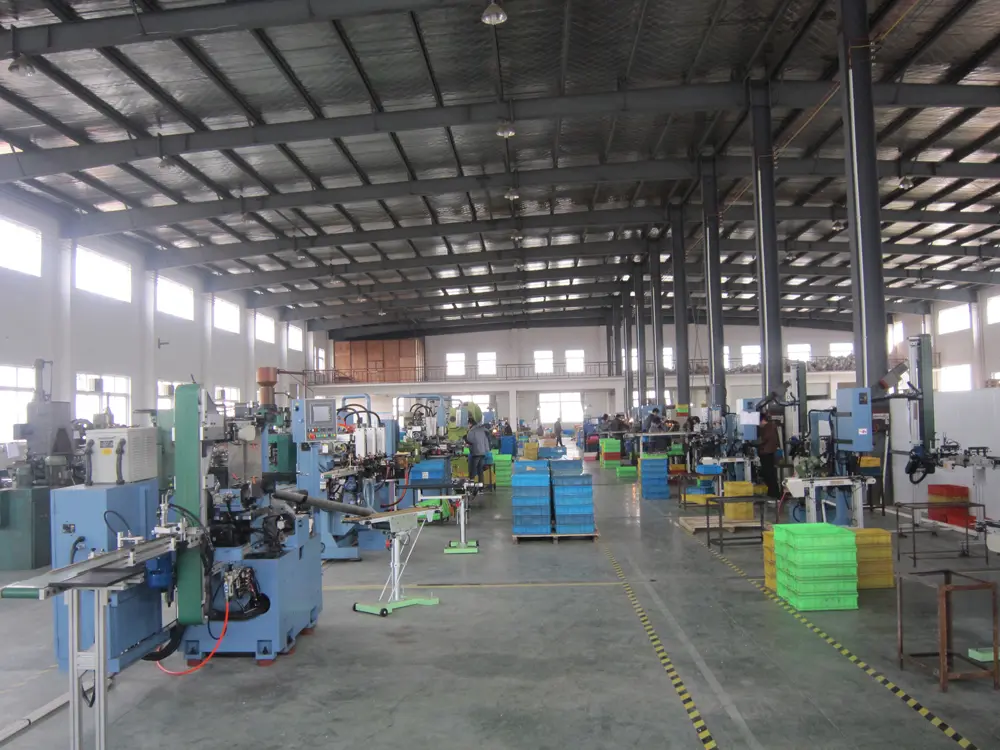
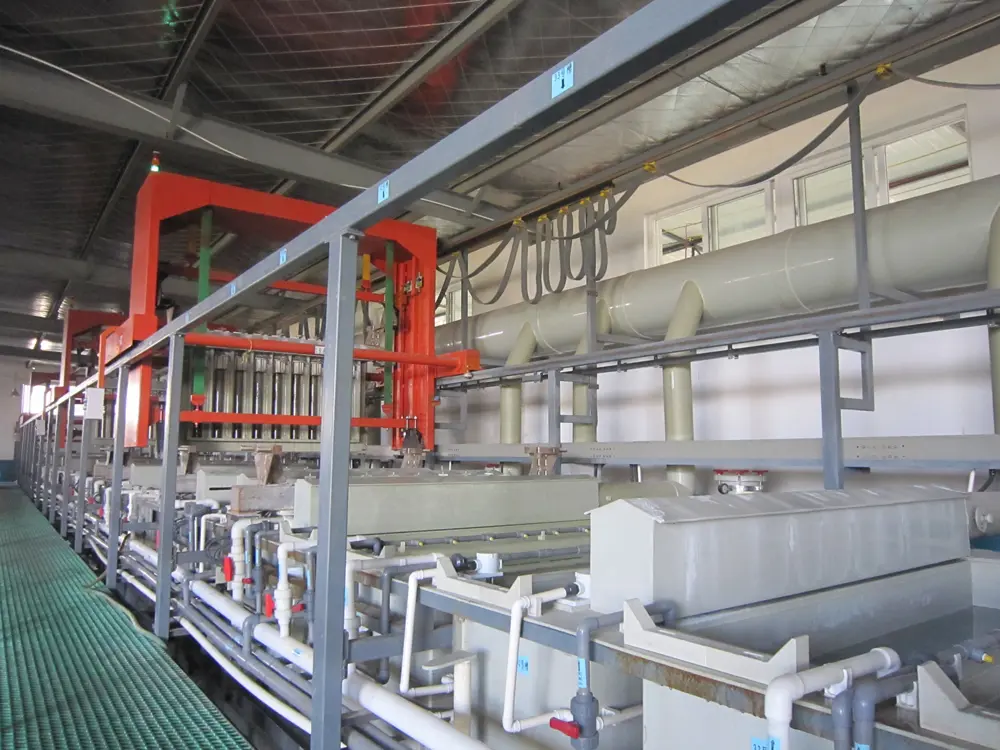
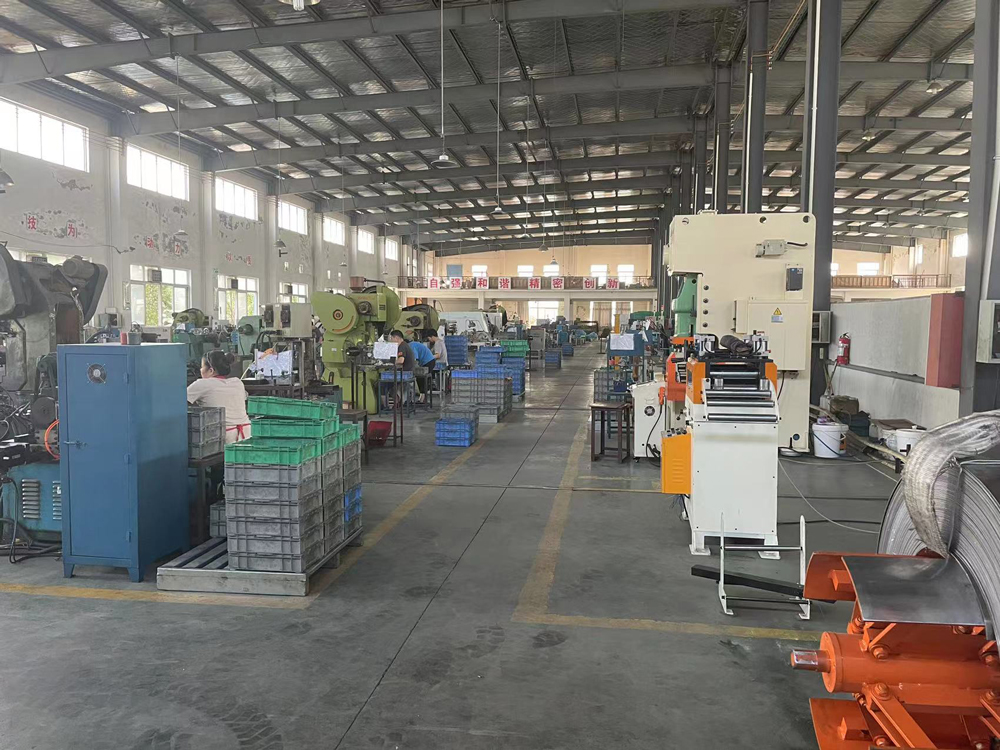
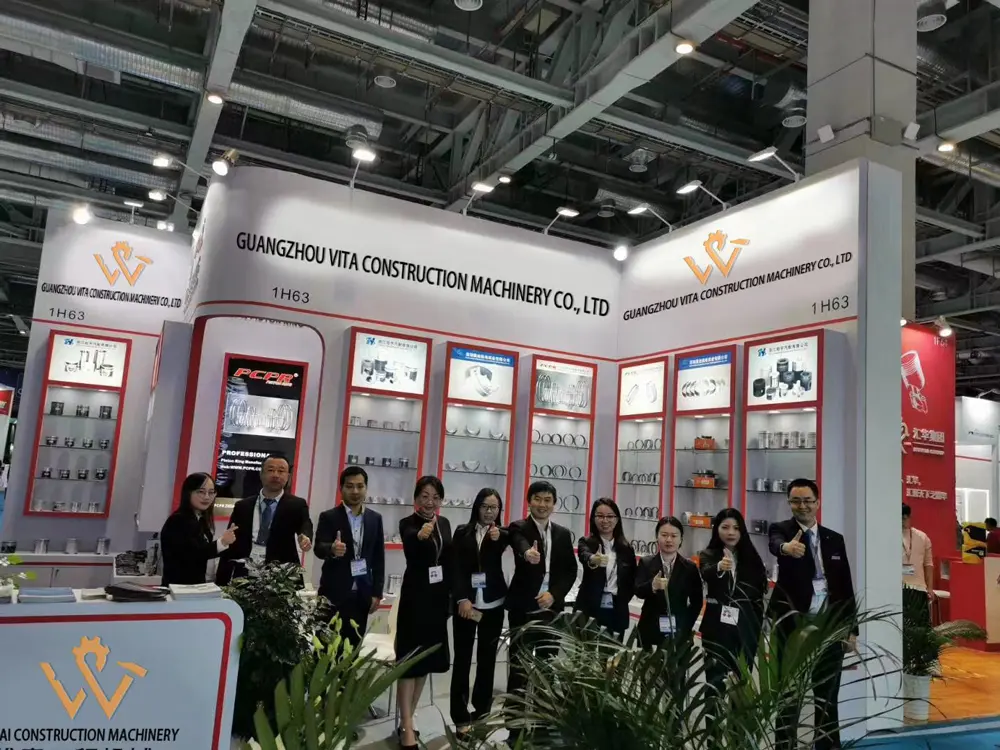
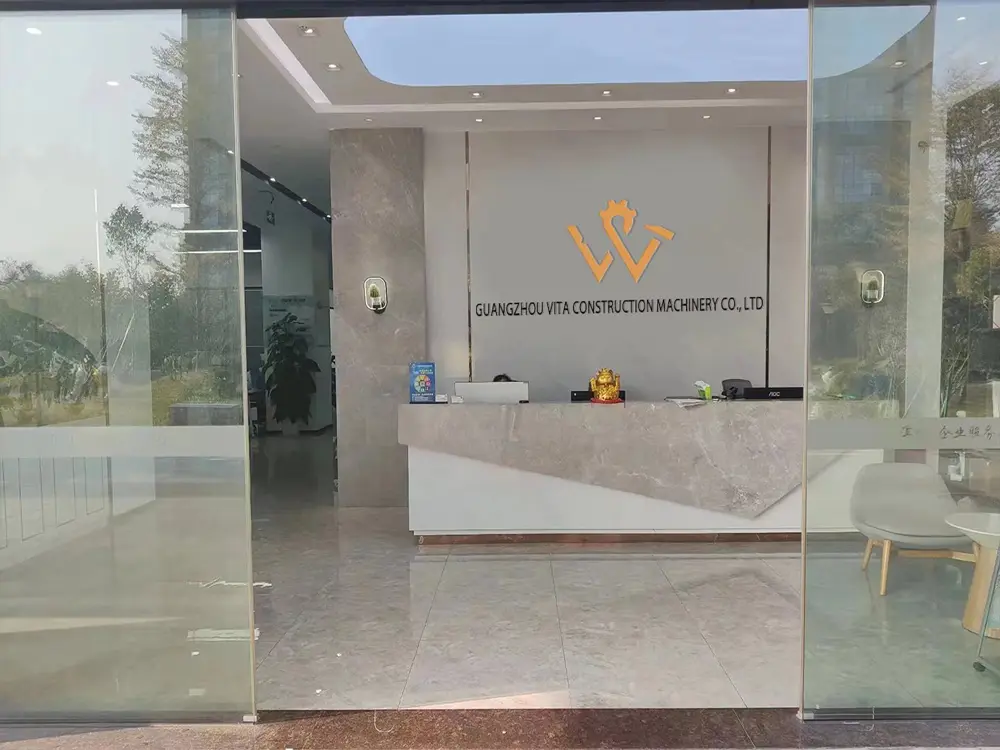
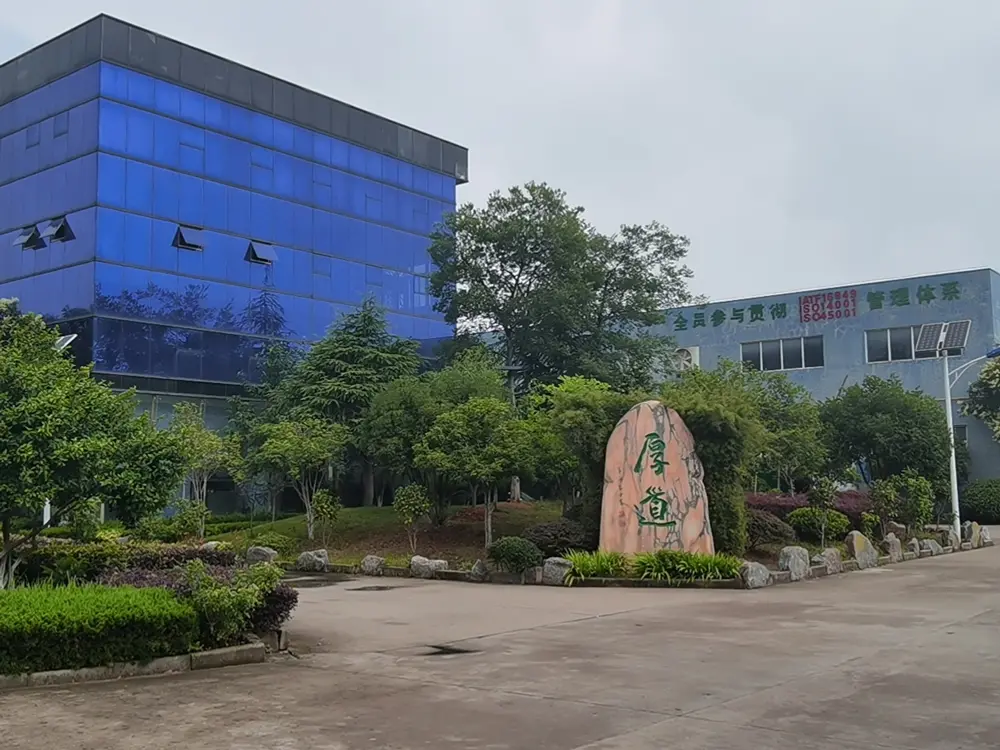
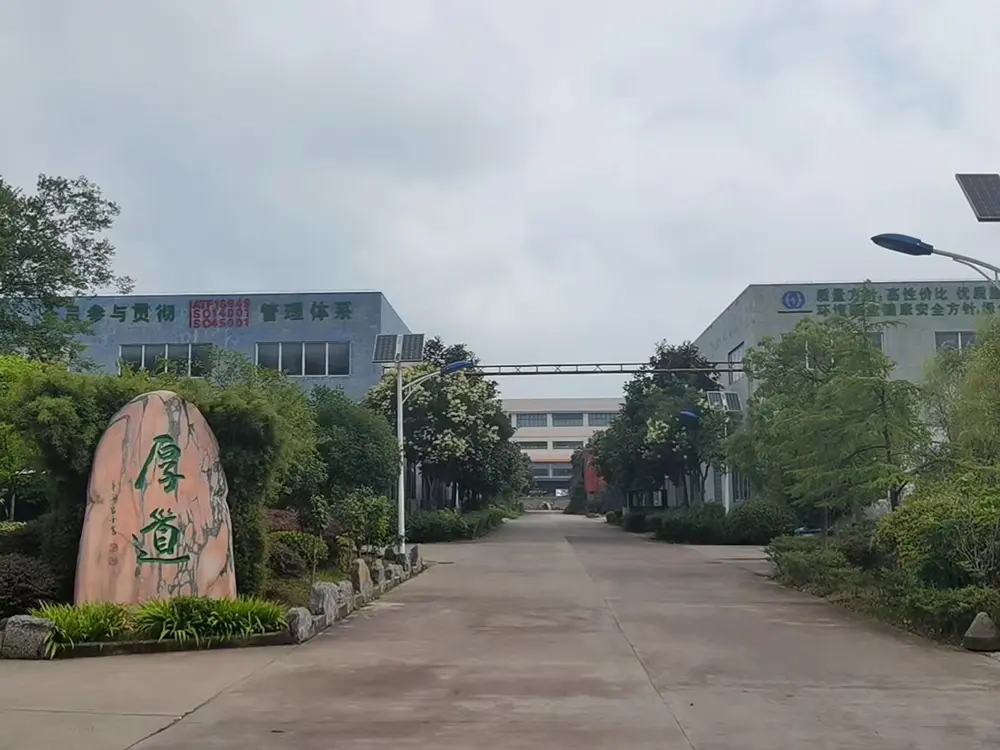
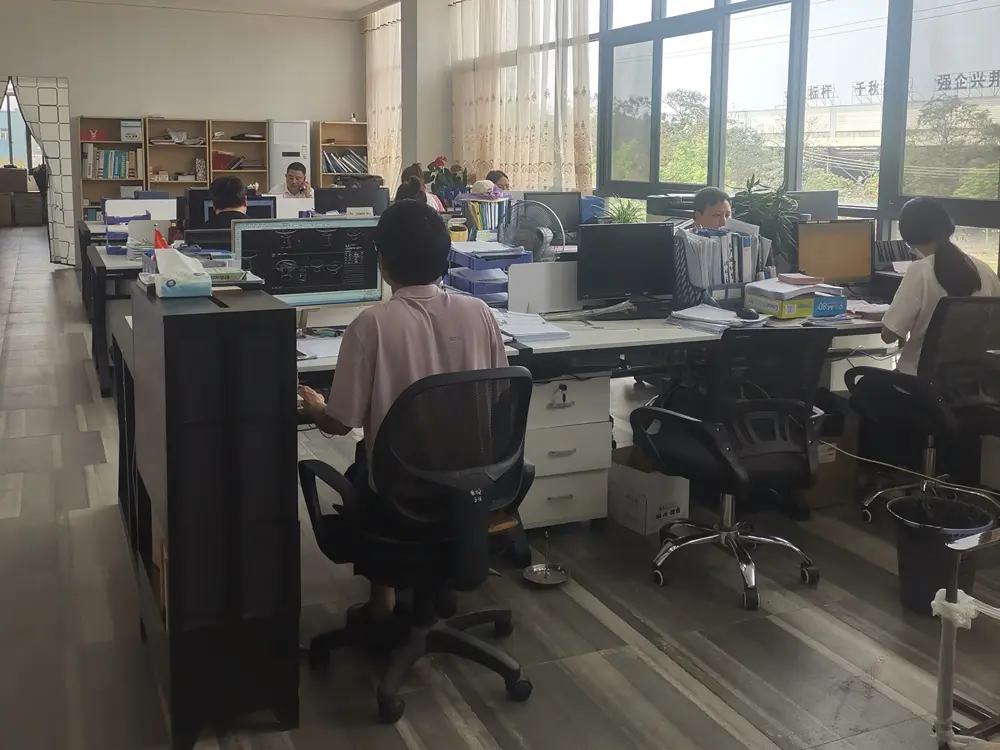
Guangzhou Vita Construction Machinery Co., Ltd. is one of the largest company that combines factory and foreign trade. The factory is located in Xiangyang City, Hubei Province, there are more than 18,000 square meters workshop with several advanced production machines, more than 278 well trained and skilled workers and around 8 experienced engineers assure the good product quality as well as fast and accurate delivery.
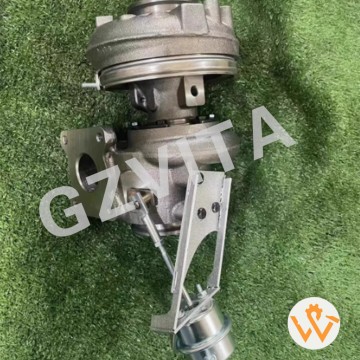
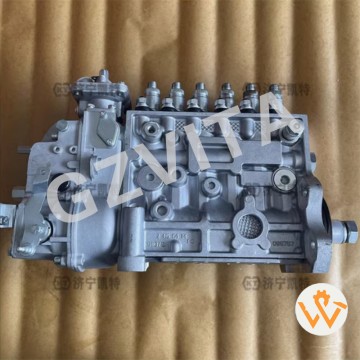
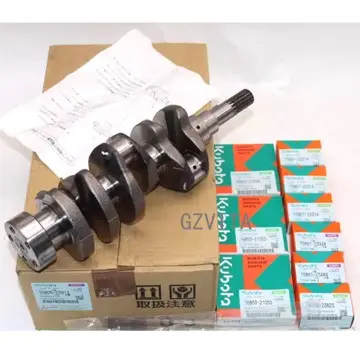
We specialize in producing, developing and selling the whole range of construction machinery parts. Such as engine assembly, hydraulic pump, final drive, electric generating set, engine bearing (Main bearings con Rod Bearing series), crankshafts, engine valves, gear pumps, cylinder, all kinds of filters, excavator bucket, undercarriage parts for excavator and bulldozer... which are used as replacement of many type of machines. The brands include Komatsu, Volvo, Sumitomo, Caterpillar, Kubota, Hitachi, John Deere, Kobelco, Hyundai, Kato, Sany, XCMG, SUNWARD, and other well-know brands.
Delivering excellence in engineering, technology, and customer support.
In the fast-paced world of construction, the reliability and efficiency of your machinery can make or break a project. We understand that high-quality parts are essential for optimal performance. So we aim to provide top-notch construction machinery parts to make customer's machinery run smoothly.
To improve our service, we set up engine maintenance development. In addition to providing customers with engine assemblies, we can also help customers solve various technical problems encountered in the operation and assembly of engines.
We have our own professional maintenance team and can even be invited by customers to arrange for maintenance technicians to go abroad to help customers repair engines, ensuring your cooling and exhaust systems function flawlessly.
Take a glimpse into our state-of-the-art manufacturing and development facilities.
Browse our full catalog of precision-engineered components designed to maintain the delicate balance between high-performance exhaust output and rigorous cooling system demands.