 +86 18578756148
Leave Your Message
-
CONTACT NUMBER
-
 CONTACT NUMBER
 -
 CONTACT NUMBER
 -
 CONTACT NUMBER
-
 CONTACT NUMBER
In the expansive and demanding realm of infrastructure construction, heavy machinery such as excavators, bulldozers, loaders, and cranes form the backbone of productivity. These colossal machines are powered by high-displacement diesel engines that generate immense mechanical power, but simultaneously produce deafening levels of acoustic pollution and hazardous exhaust emissions. The Engine Muffler for Infrastructure Construction is not merely a passive accessory; it is a highly engineered, critical component designed to mitigate environmental impact, ensure operator safety, and maintain strict compliance with global occupational health standards. Without advanced silencer systems, the sheer volume of noise generated by internal combustion engines would render construction sites uninhabitable and severely disrupt surrounding communities.
The physics of sound attenuation in heavy-duty mufflers involves complex thermodynamic and acoustic principles. As high-pressure exhaust gases exit the engine manifold, they expand violently, creating shockwaves perceived as intense noise. Industrial-grade engine mufflers utilize a combination of reactive and absorptive technologies to counteract this. Reactive chambers use strategically placed baffles and resonance tubes to reflect sound waves back upon themselves, causing destructive interference that cancels out low-frequency engine rumbles. Simultaneously, absorptive sections packed with heat-resistant acoustic materials, such as fiberglass or basalt wool, absorb high-frequency whining noises. This dual-action approach is essential for construction equipment, which operates under highly variable loads and RPMs, producing a wide spectrum of acoustic frequencies.
Beyond noise reduction, the modern engine muffler plays a pivotal role in engine performance and longevity. Backpressure—the resistance to exhaust gas flow—must be meticulously calibrated. Excessive backpressure can choke the engine, leading to increased fuel consumption, elevated operating temperatures, and premature wear of critical components like turbochargers and exhaust valves. Conversely, insufficient backpressure can disrupt the scavenging process in certain engine designs. Therefore, mufflers engineered specifically for infrastructure construction machinery are subjected to rigorous computational fluid dynamics (CFD) testing to ensure optimal flow dynamics. This delicate balance ensures that the machinery delivers peak torque and horsepower while adhering to stringent noise ordinances, directly impacting the overall efficiency and profitability of large-scale infrastructure projects.
The global market for construction machinery engine mufflers is currently undergoing a massive transformation, driven by increasingly stringent environmental regulations and the rapid urbanization of developing nations. Agencies such as the Environmental Protection Agency (EPA) in the United States and the European Environment Agency (EEA) have implemented rigorous Tier 4 Final and Stage V emission and noise standards. These regulations have forced manufacturers to move away from traditional, simple steel canisters towards highly sophisticated exhaust aftertreatment systems. Today's industrial status reveals a market where the engine muffler is frequently integrated with Diesel Particulate Filters (DPF), Diesel Oxidation Catalysts (DOC), and Selective Catalytic Reduction (SCR) units. This integration creates a comprehensive module that not only silences the engine but also scrubs the exhaust of harmful nitrogen oxides (NOx) and particulate matter.
Material science has also seen significant advancements within this sector. Historically, standard carbon steel was the primary material used for construction equipment mufflers due to its low cost. However, the harsh environments of infrastructure projects—characterized by extreme temperature fluctuations, constant exposure to moisture, abrasive dust, and corrosive chemicals—quickly degrade standard steel. Consequently, the industry has aggressively shifted towards utilizing aluminized steel and high-grade austenitic stainless steels (such as 304 and 316 grades). Aluminized steel offers excellent thermal reflection and corrosion resistance at a competitive price point, making it ideal for standard earthmoving equipment. For machinery operating in highly corrosive environments, such as coastal infrastructure development or deep underground mining, stainless steel mufflers are now the industry standard, offering unparalleled durability and a significantly extended lifecycle.
Furthermore, the supply chain and manufacturing processes have evolved. Leading manufacturers are now employing advanced robotic welding and automated laser cutting to ensure precise assembly. The structural integrity of an engine muffler is paramount; a single failed weld can lead to exhaust leaks that endanger operators with carbon monoxide exposure and violate noise limits. The market demands exact OEM (Original Equipment Manufacturer) fitment to minimize downtime during maintenance. As infrastructure projects operate on tight, multi-million dollar schedules, the availability of reliable, high-quality aftermarket and OEM-replacement mufflers is a critical logistical requirement for fleet managers worldwide.
1. Urban Development and Residential Zoning: One of the most challenging environments for infrastructure construction is dense urban centers. Projects such as subway expansions, high-rise foundational drilling, and utility trenching often occur in close proximity to residential buildings, hospitals, and schools. In these scenarios, noise pollution is not just a nuisance; it is a strictly legislated metric. Engine mufflers deployed in urban applications must feature ultra-high acoustic attenuation. "Hospital-grade" silencers, which can reduce exhaust noise by 35 to 50 decibels (dB), are frequently mandated. These advanced mufflers allow construction crews to operate during extended hours or even night shifts without violating local noise ordinances, thereby accelerating project completion times and reducing urban congestion.
2. Highway Construction and Paving Operations: Highway infrastructure demands continuous, high-load operation from machinery like asphalt pavers, soil compactors, and motor graders. These machines often run at constant high RPMs for hours on end, generating immense exhaust heat. Mufflers in this scenario are subjected to severe thermal fatigue. The application requires robust thermal shielding and specialized expansion joints within the muffler casing to accommodate the expansion and contraction of the metal. Additionally, the exhaust routing must be carefully designed to direct hot gases away from the newly laid asphalt and the operators, ensuring safety and the structural integrity of the paving materials.
3. Tunneling and Underground Mining: Infrastructure projects involving tunneling—such as aqueducts, vehicular tunnels, and underground rail networks—present unique and dangerous challenges. In confined underground spaces, the dissipation of noise and exhaust gases is severely restricted. An engine muffler in this environment is critical for preventing hearing damage due to acoustic reverberation against rock walls. More importantly, these mufflers are almost always paired with advanced emission scrubbers. Spark arrestors are a mandatory integration within the muffler design to prevent hot carbon particles from igniting combustible underground gases or dust. The engineering focus here is on maximum safety, compact design to fit within tight spatial constraints, and absolute reliability under continuous, heavy-duty load.
As we look to the future of infrastructure construction, the integration of Artificial Intelligence (AI) and the Internet of Things (IoT) is set to revolutionize engine muffler technology. The concept of the "Smart Muffler" is rapidly moving from prototype to production. Future mufflers will be equipped with embedded thermal, acoustic, and pressure sensors that continuously monitor the exhaust system's health in real-time. By feeding this data into AI-driven telematics systems on the construction equipment, fleet managers can implement highly accurate predictive maintenance schedules. Instead of replacing a muffler based on a generic timetable, the AI will alert maintenance crews exactly when internal baffles begin to degrade or when backpressure reaches suboptimal levels, preventing catastrophic engine failure and minimizing unplanned downtime.
Furthermore, AI algorithms are currently being utilized in the design phase of these components. Generative design software, powered by AI, can simulate millions of internal baffle configurations to discover the absolute optimal geometry for sound wave cancellation and fluid dynamics. This results in mufflers that are significantly lighter, smaller, and more efficient than human-engineered counterparts. In the operational phase, active noise control (ANC) technology—similar to that used in noise-canceling headphones—is being adapted for heavy machinery. Future mufflers may incorporate AI-controlled speakers that emit counter-frequencies to actively cancel out engine noise, rather than relying solely on physical baffles. This leap in technology will redefine the acoustic footprint of global infrastructure projects, aligning heavy construction with the modern ethos of smart, sustainable, and technologically advanced development.
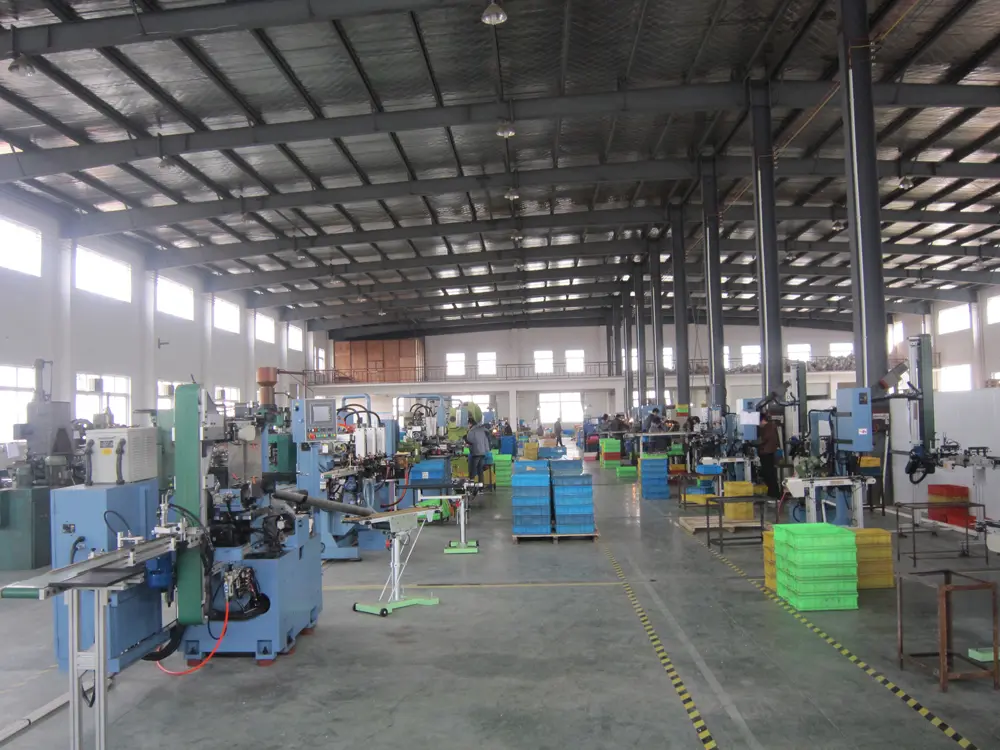
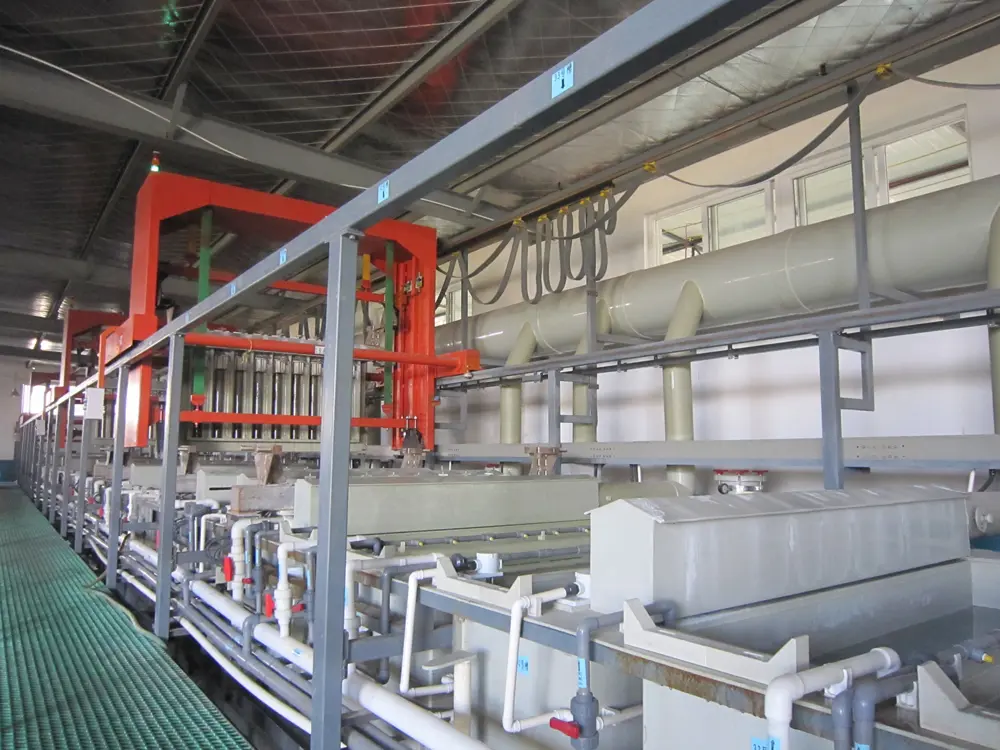
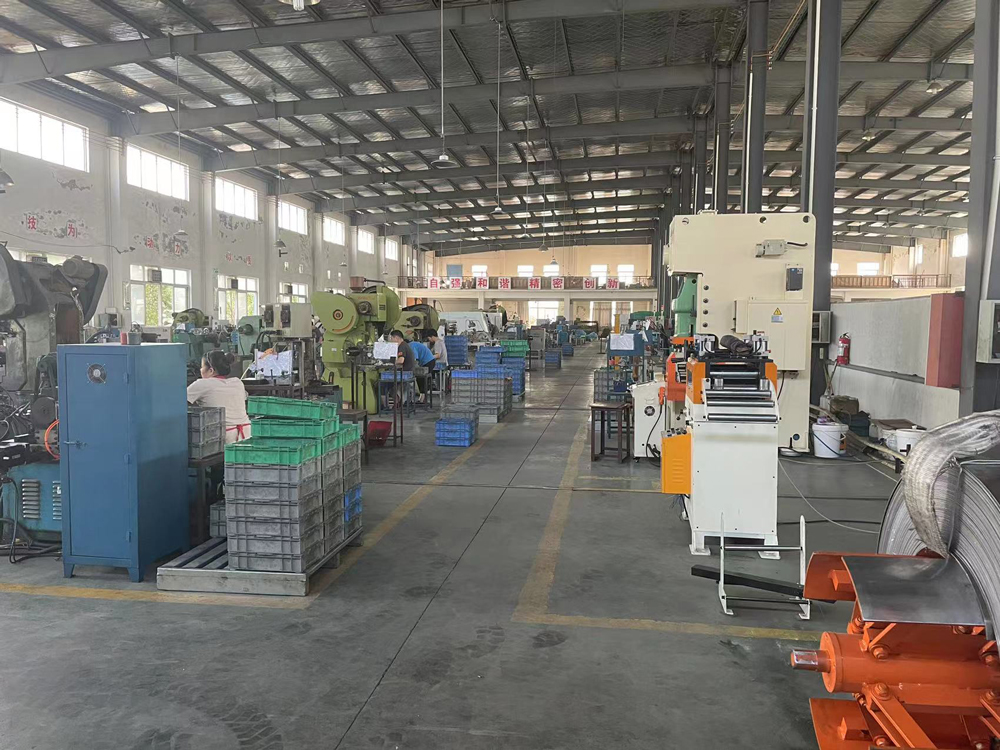
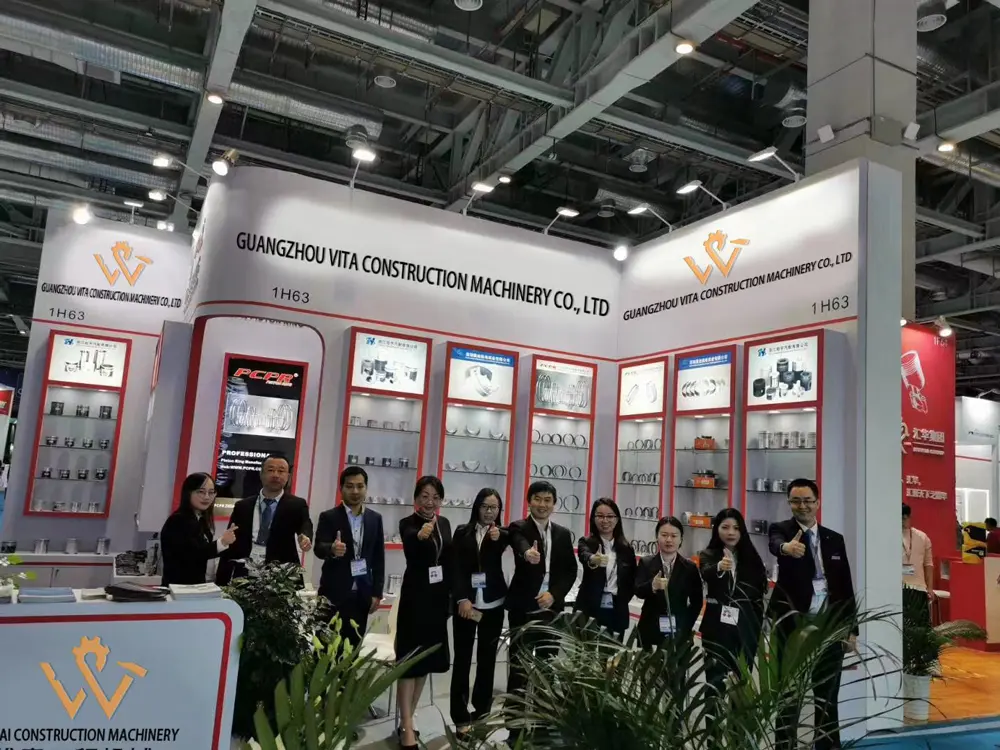
Guangzhou Vita Construction Machinery Co., Ltd. is one of the largest enterprises seamlessly combining factory production with global foreign trade. Located in Xiangyang City, Hubei Province, our state-of-the-art facility spans over 18,000 square meters. Equipped with advanced production machinery, operated by over 278 highly skilled workers, and guided by 8 experienced engineers, we guarantee exceptional product quality alongside fast, accurate delivery.
We specialize in developing, producing, and distributing a comprehensive range of construction machinery parts, including high-performance engine mufflers, engine assemblies, hydraulic pumps, crankshafts, and undercarriage components. Our products serve as premium replacements for world-renowned brands such as Komatsu, Volvo, Caterpillar, Kubota, Hitachi, John Deere, and many more.
In the fast-paced world of construction, the reliability of your machinery dictates project success. We provide top-notch construction machinery parts, including precision-engineered mufflers, ensuring your equipment runs smoothly under the harshest conditions.
Beyond manufacturing, we offer comprehensive engine maintenance development. Our technical team assists clients in solving complex operational and assembly challenges, optimizing engine performance and exhaust system integration.
We maintain a dedicated, professional maintenance team. To ensure client success, our expert technicians can be dispatched internationally to provide on-site engine repair, maintenance, and system diagnostics.