
 +86 18578756148
Leave Your Message
-
CONTACT NUMBER
-
 CONTACT NUMBER
 -
 CONTACT NUMBER
 -
 CONTACT NUMBER
-
 CONTACT NUMBER
The Final Drive for Excavator Electronic Control represents a monumental leap in heavy machinery engineering. Traditionally, the final drive—the crucial component responsible for transferring power from the hydraulic motor to the tracks, enabling the excavator to move—relied entirely on mechanical and purely hydraulic systems. While robust, these legacy systems lacked the finesse, adaptability, and data-driven efficiency required by modern construction and mining operations. Today, the integration of Electronic Control Units (ECUs) into final drive systems has fundamentally transformed how excavators operate, shifting the paradigm from brute force to intelligent, calculated power distribution.
In a contemporary electro-hydraulic final drive system, the electronic control module continuously monitors various parameters such as load resistance, track speed, hydraulic fluid temperature, and operator inputs. By utilizing advanced algorithms and high-speed sensors, the ECU can dynamically adjust the swashplate angle of the travel motor or modulate the proportional valves in real-time. This results in incredibly smooth acceleration, precise deceleration, and an optimized torque-to-speed ratio that adapts instantly to changing terrain conditions. Whether navigating steep, rocky inclines or maneuvering through delicate urban infrastructure, the electronic control ensures the final drive delivers exactly the right amount of power, significantly reducing mechanical wear and fuel consumption.
The global construction machinery market is undergoing a massive technological renaissance, and the demand for the Final Drive for Excavator Electronic Control is at the forefront of this commercial shift. As of the current industrial landscape, the market for smart excavator components is valued in the billions, driven heavily by stringent environmental regulations (such as Tier 4 Final in North America and Stage V in Europe) and the relentless push for operational efficiency. Original Equipment Manufacturers (OEMs) and premium aftermarket suppliers are investing heavily in electro-hydraulic technologies to meet these demands.
From an industrial standpoint, fleet managers and construction firms are increasingly prioritizing Total Cost of Ownership (TCO) over initial purchase price. A final drive equipped with electronic control capabilities dramatically lowers TCO. Because the electronic system prevents the operator from over-stressing the travel motors—by automatically downshifting when high torque is required and upshifting for high-speed travel on flat ground—the lifespan of the planetary gears, sun gears, and bearings is significantly extended. This reduction in catastrophic mechanical failures translates to less downtime, which is the most expensive variable in large-scale industrial projects.
Furthermore, the supply chain for these sophisticated parts has evolved. Companies that combine robust manufacturing capabilities with advanced foreign trade expertise are dominating the market. The ability to supply not just the raw mechanical components, but the integrated sensors, wiring harnesses, and compatible hydraulic pumps, is now a commercial necessity. The aftermarket sector is particularly vibrant, offering upgraded final drive assemblies that allow older excavator fleets to be retrofitted with modern electronic control sensitivities, thereby democratizing advanced technology across the industry.
Looking toward the future, the trajectory of the Final Drive for Excavator Electronic Control is heavily influenced by the Fourth Industrial Revolution (Industry 4.0). The most prominent trend is the integration of Artificial Intelligence (AI) and the Internet of Things (IoT) directly into the final drive architecture. Modern travel motors are being equipped with embedded smart sensors that continuously stream data regarding vibration frequencies, acoustic emissions, and internal gear temperatures to cloud-based monitoring platforms.
Predictive Maintenance via AI: Instead of relying on scheduled maintenance intervals, AI algorithms analyze the data streams from the final drive to predict failures before they occur. For example, a subtle change in the vibration signature of the sun gear or a micro-fluctuation in the hydraulic pressure can indicate impending bearing wear. The electronic control system can alert the operator and fleet manager, allowing for targeted maintenance that prevents a complete and costly breakdown of the travel reduction gearbox.
Electrification and Autonomous Operation: As the industry moves towards fully electric and hybrid excavators, the final drive is evolving from a hydro-mechanical device to an electro-mechanical one. Electric drive motors controlled by sophisticated inverters are replacing traditional hydraulic travel motors in compact and mini excavators. For larger machines, the electronic control of hydraulic final drives is becoming the critical interface for autonomous and semi-autonomous operation. Fly-by-wire systems allow remote operators or AI-driven autonomous systems to control the tracks with millimeter precision, a necessity for hazardous environments and automated mining sites.
The true value of the Final Drive for Excavator Electronic Control is best understood through its diverse and demanding application scenarios. In each of these environments, the electronic intelligence paired with mechanical durability solves specific, complex challenges.
1. Heavy Mining and Quarrying: In open-pit mines, excavators weighing upwards of 100 tons must traverse abrasive, uneven, and steep terrains while carrying massive payloads. In these conditions, a traditional final drive is susceptible to torque shock—sudden spikes in resistance that can shatter planetary gears. The electronic control system mitigates this by utilizing closed-loop feedback from the travel motors. If a track encounters a massive boulder, the ECU instantly detects the pressure spike and modulates the hydraulic flow, cushioning the mechanical shock and redistributing torque to prevent gear stripping and track slippage.
2. Precision Urban Infrastructure Construction: Working in densely populated cities requires a delicate touch. Excavators must maneuver around existing underground utilities, gas lines, and fiber optic cables. The electronic control allows for "creep mode"—an ultra-low speed, high-torque setting where the final drive moves the machine in micro-increments. Furthermore, urban environments strictly regulate noise pollution. The electronic optimization of the hydraulic pump and final drive motor significantly reduces the acoustic footprint of the machine, allowing for night-time operation in residential zones.
3. Forestry and Swamp Operations: Excavators used in logging or wetland reclamation face the constant threat of sinking or losing traction. Advanced electronic control systems feature adaptive traction control. By monitoring the rotational speed of both the left and right final drives, the ECU can detect if one track is slipping in the mud. It will automatically restrict flow to the slipping track and route maximum power to the track with solid footing, effectively mimicking an electronic locking differential found in advanced off-road vehicles.
4. Hazardous Material Handling and Demolition: In environments contaminated by radiation, chemical spills, or during the demolition of structurally unstable buildings, human operators cannot be present in the cab. These scenarios rely on remote-controlled excavators. The final drive's electronic control is the vital link that translates remote digital commands into physical movement. The low latency and high precision of the electro-hydraulic interface ensure the machine responds instantly to the remote operator, ensuring safety and operational success.
To maximize the lifespan of a Final Drive for Excavator Electronic Control, rigorous maintenance protocols and system optimizations are mandatory. While the electronic components are generally sealed and highly resilient, the mechanical interface requires diligent care. Gear oil must be changed at OEM-specified intervals, as contaminated oil will rapidly degrade the sun and planetary gears, regardless of how intelligently the ECU manages the load. The floating seals, which prevent mud and water from entering the reduction gearbox, must be inspected regularly; a failed seal will destroy a final drive in a matter of hours.
From an optimization standpoint, ensuring that the excavator's software is updated is just as crucial as mechanical lubrication. Manufacturers frequently release ECU firmware updates that refine the communication between the main hydraulic pump and the travel motors, improving fuel economy and responsiveness. When replacing components, it is critical to use high-quality parts that meet or exceed original specifications. Installing a subpar sun gear or a mismatched fan clutch can disrupt the delicate electro-hydraulic balance, leading to sensor faults and decreased machine performance.
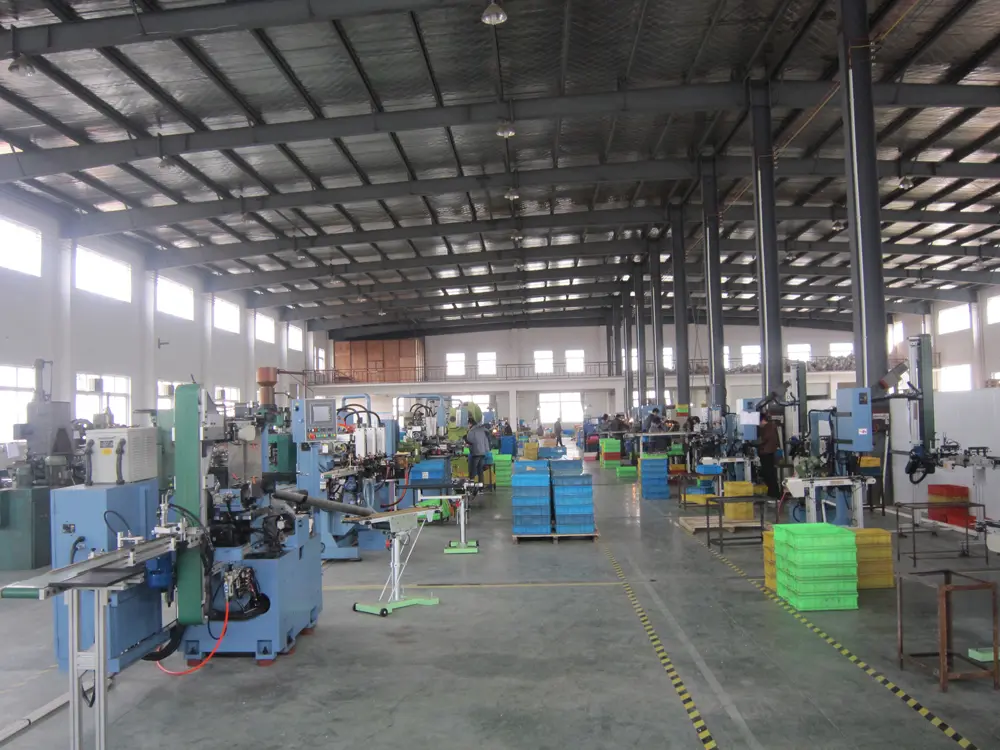
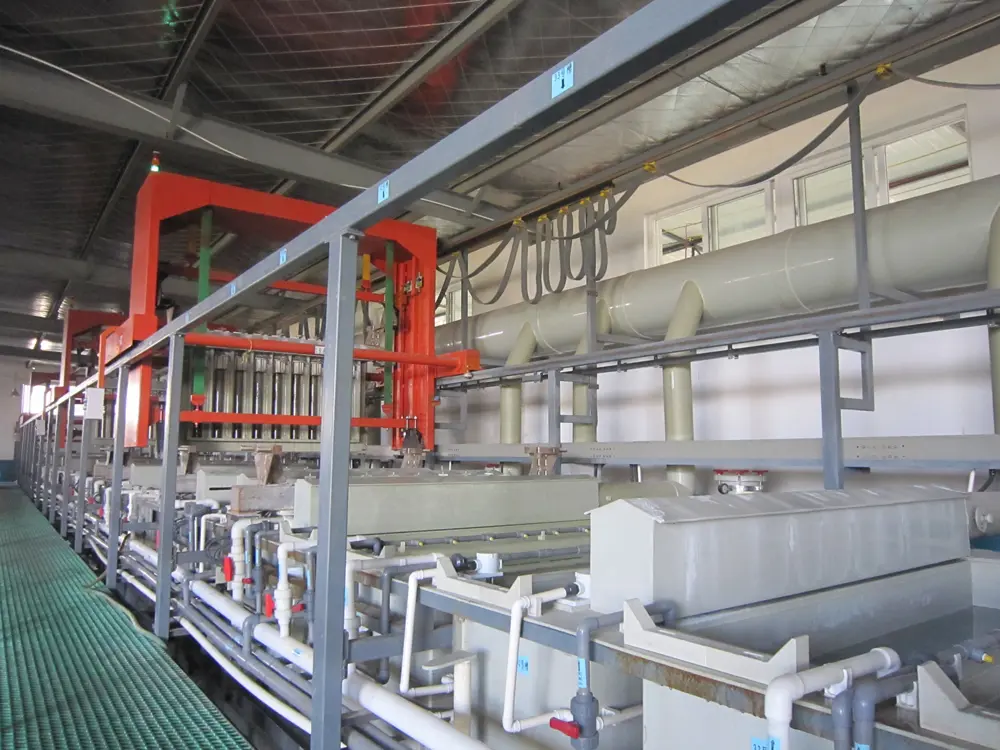
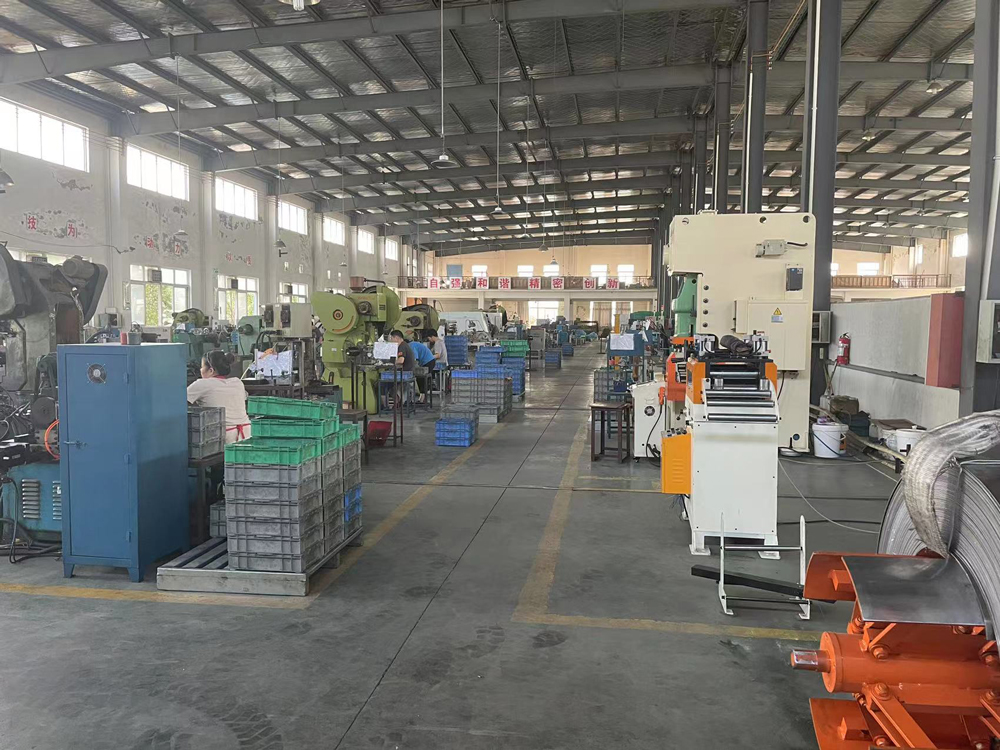
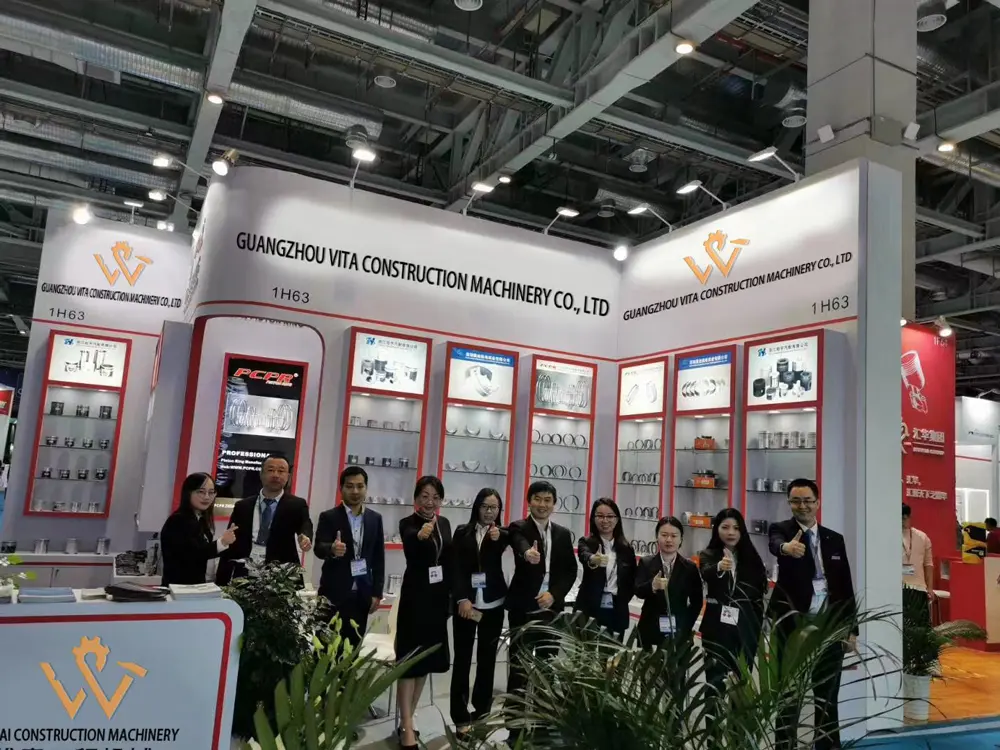
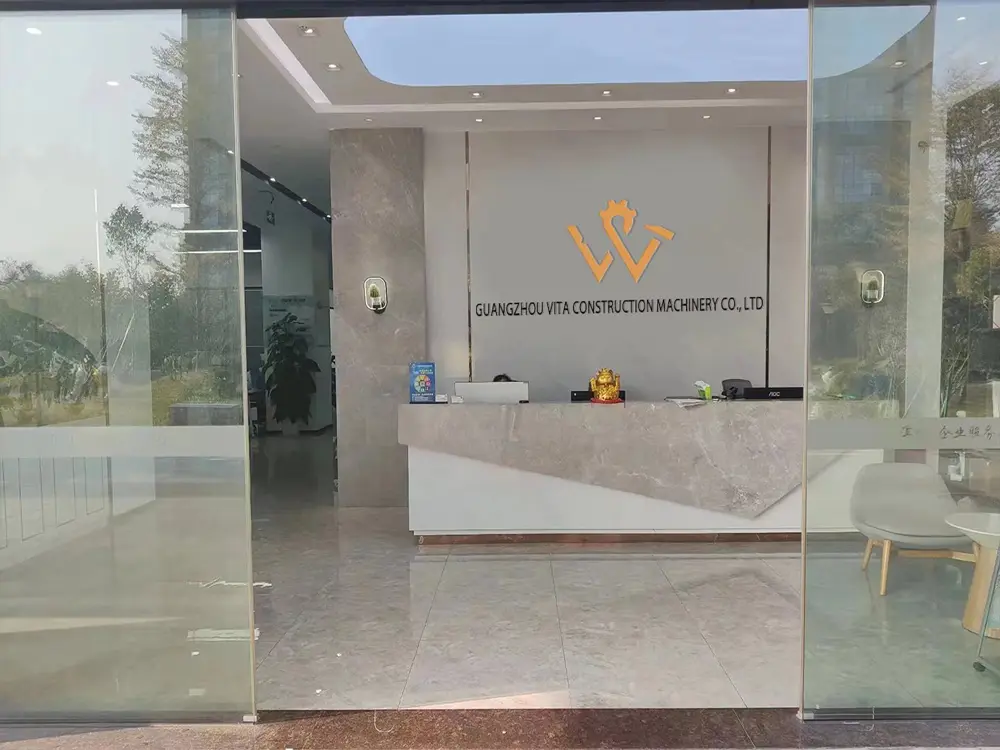
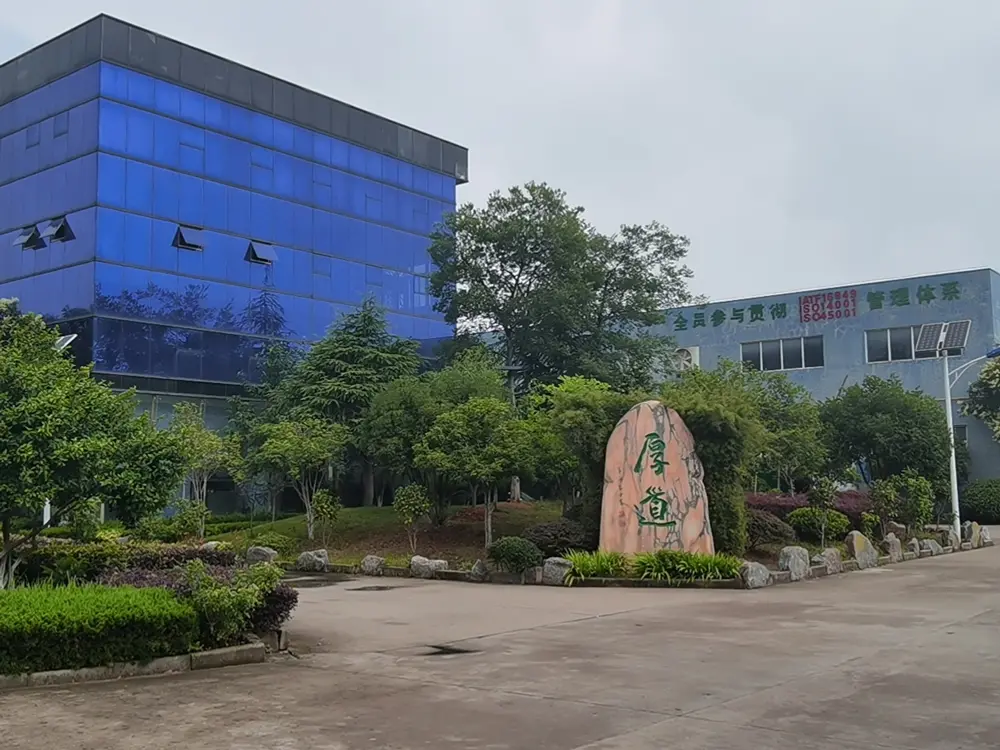
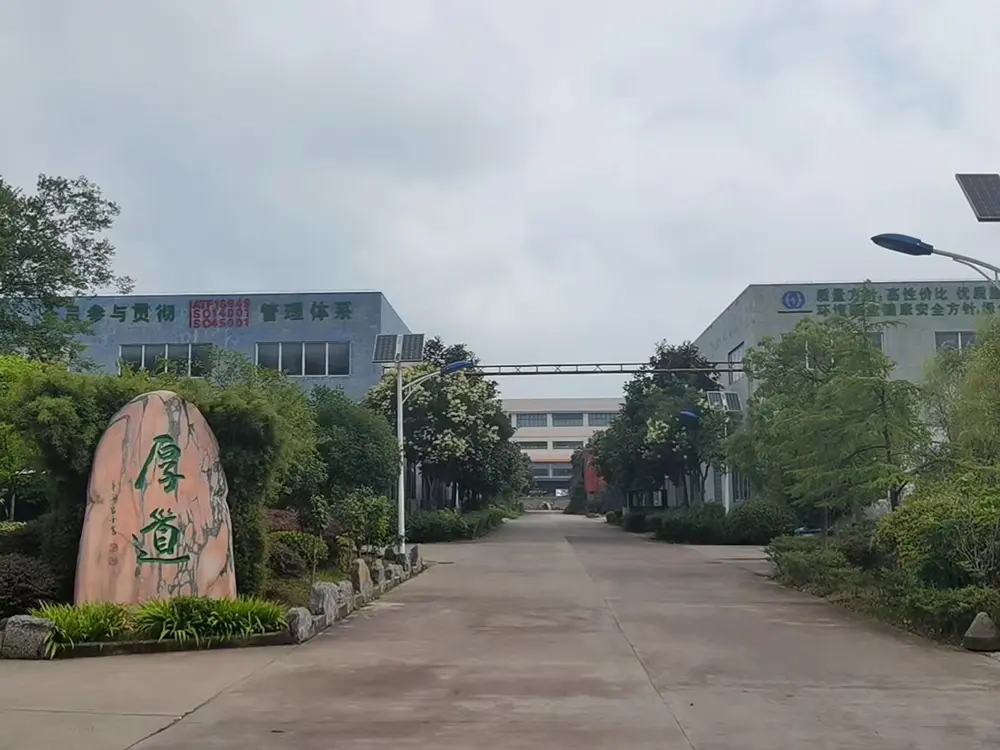
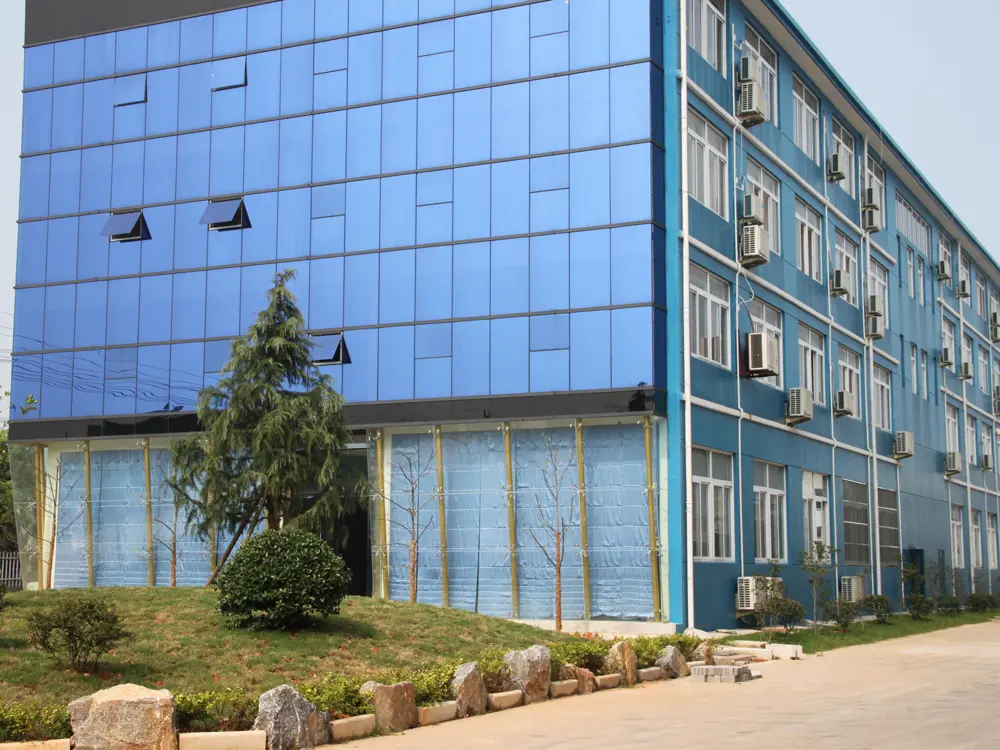
Guangzhou Vita Construction Machinery Co., Ltd. is one of the largest companies that combines factory manufacturing and foreign trade. The factory is located in Xiangyang City, Hubei Province. There are more than 18,000 square meters of workshop space equipped with several advanced production machines. More than 278 well-trained and skilled workers and around 8 experienced engineers assure excellent product quality as well as fast and accurate delivery.
We specialize in producing, developing, and selling a comprehensive range of construction machinery parts. Our extensive catalog includes engine assemblies, hydraulic pumps, final drives, electric generating sets, engine bearings (Main bearings, con Rod Bearing series), crankshafts, engine valves, gear pumps, cylinders, all kinds of filters, excavator buckets, and undercarriage parts for excavators and bulldozers. These premium components are used as reliable replacements for many types of machines across well-known brands, including Komatsu, Volvo, Sumitomo, Caterpillar, Kubota, Hitachi, John Deere, Kobelco, Hyundai, Kato, Sany, XCMG, SUNWARD, and more.
In the fast-paced world of construction, the reliability and efficiency of your machinery can make or break a project. We understand that high-quality parts are essential for optimal performance. So we aim to provide top-notch construction machinery parts to make the customer's machinery run smoothly and efficiently.
To improve our service, we have set up an engine maintenance development division. In addition to providing customers with engine assemblies and final drives, we can also help customers solve various complex technical problems encountered in the operation, electronic control, and assembly of engines and hydraulic systems.
We have our own professional maintenance team and can even be invited by customers to arrange for our expert maintenance technicians to go abroad. Our global reach ensures we can help customers repair engines and calibrate electronic control systems on-site, minimizing project downtime.
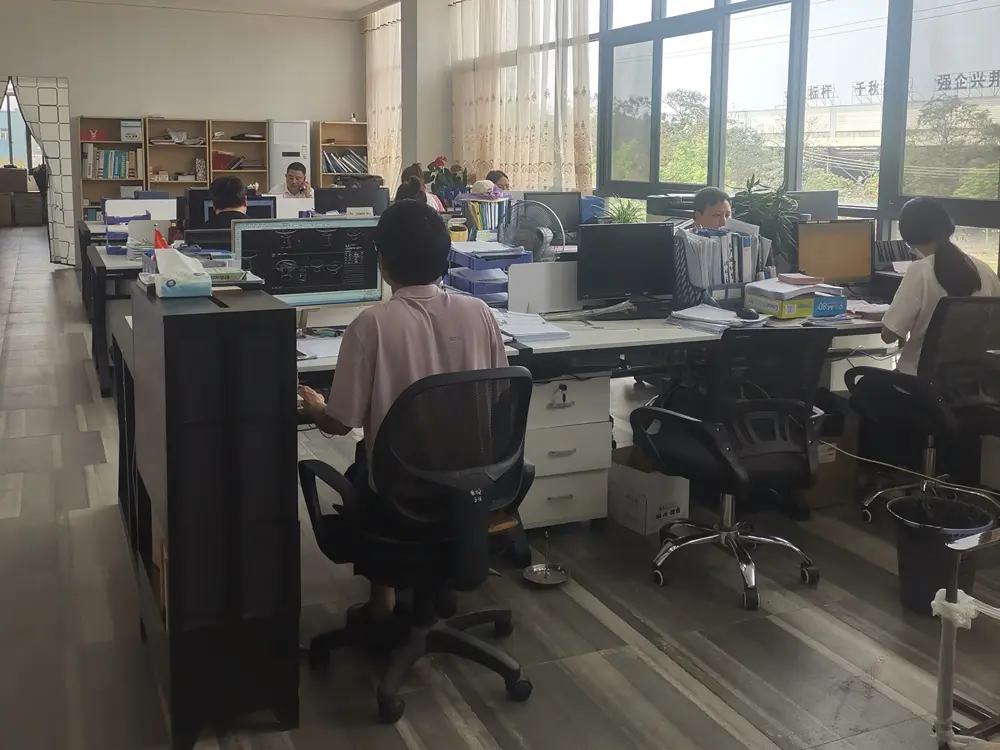
Take a glimpse into our state-of-the-art 18,000 square meter manufacturing facility, where precision engineering meets rigorous quality control to produce the world's most reliable excavator components.
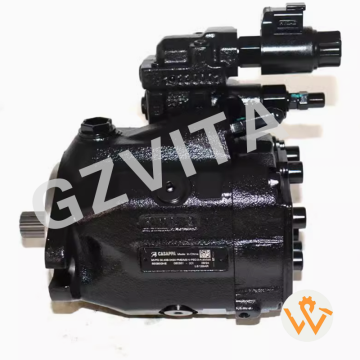 XCMG470D 490D 550D MVPD-30.45S Fan Drive Pump and Motor Hydraulic Fan Piston Pum Casappa Hydraulic pump Hydraulic Main Pump
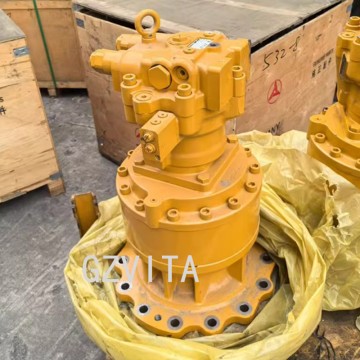 Excavator Parts Swing Reducer Slewing Motor SY245 SY265 M9180A GS140D Hydraulic Swing Drive Motor
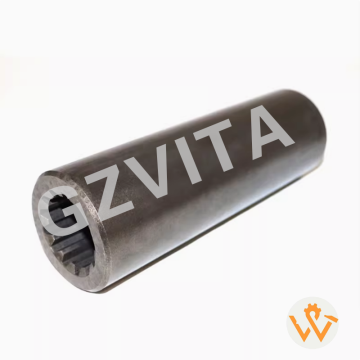 Final Drive Sun Gear Spline Shaft Coupling Sleeve for Caterpillar CAT336D2 340D2 Travel Motors 507-8035
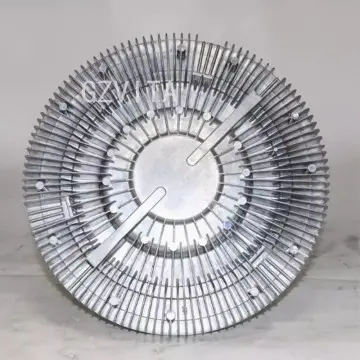 3592658 Fan Clutch For Excavator CAT326D2 330D2 329D2 320E Fan Drive
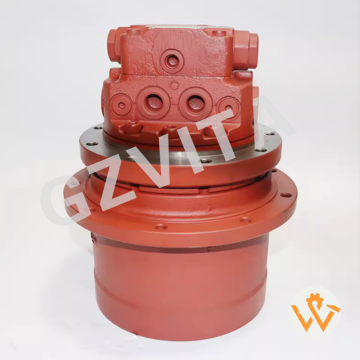 EX40 EX45 PC40 PC45 IHI45 IHI50 Traveling motor Final drive PHV-500-48B Travel reduction gearbox
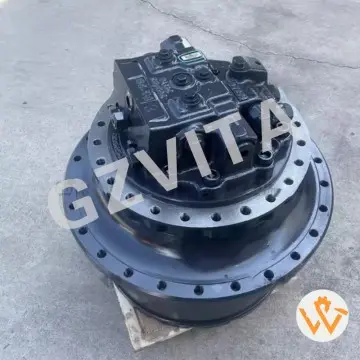 208-27-00312 Final Drive Assembly for Komatsu Excavator PC400-7 PC450-8
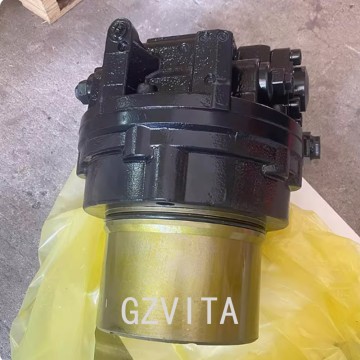 Excavator E326F 326D 323GC 323F 323GC Final Drive 511-0313 519-2478 Travel Motor Assy
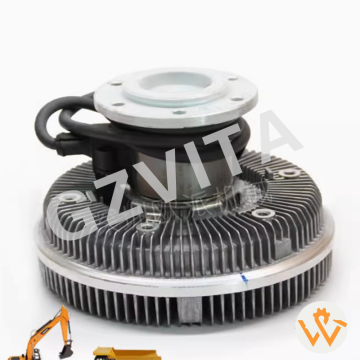 Caterpillar Fan Drive Fan Clutch 508-6314 For CAT320D 2813588 CAT323D 3240123