 +86 18578756148
Leave Your Message
-
CONTACT NUMBER
-
 CONTACT NUMBER
 -
 CONTACT NUMBER
 -
 CONTACT NUMBER
-
 CONTACT NUMBER
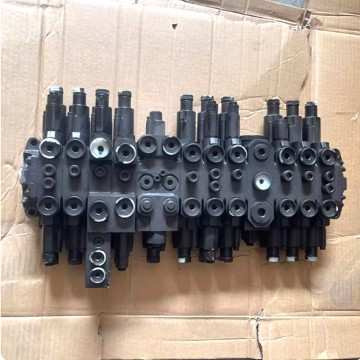
The global industrial landscape is undergoing a massive transformation, driven by the relentless demand for efficiency, precision, and safety in heavy machinery. At the heart of this mechanical revolution is the Foot Pedal Valve for Logistics and Land Moving. This critical hydraulic component serves as the primary interface between the human operator and the immense power of modern construction and material handling equipment. By translating the subtle pressure of an operator's foot into precise hydraulic fluid flow, these valves dictate the movement, speed, and lifting capabilities of multi-ton machines.
In the current commercial market, the demand for high-quality foot pedal valves has surged exponentially. The rapid expansion of global e-commerce has necessitated the construction of massive logistics hubs, warehousing facilities, and automated port terminals. Concurrently, urbanization and infrastructure development projects worldwide require an armada of land moving equipment, including excavators, bulldozers, backhoes, and wheel loaders. As these sectors grow, the reliance on durable, highly responsive hydraulic control systems becomes non-negotiable. Manufacturers are now pressured to deliver valves that not only withstand extreme operational stress but also offer microscopic precision to prevent material damage and ensure site safety.
Furthermore, the industrial status of foot pedal valves is heavily influenced by stringent international safety and environmental regulations. Modern valves are engineered to minimize hydraulic fluid leakage, reduce energy consumption, and integrate seamlessly with advanced electronic control units (ECUs). The transition from purely mechanical linkages to electro-hydraulic proportional control signifies a major leap forward, allowing for customizable response curves and operator-specific profiles. This technological maturity has elevated the foot pedal valve from a simple mechanical switch to a sophisticated component of the machine's central nervous system.
Economically, the aftermarket for these components is robust. Fleet managers in both logistics and land moving sectors understand that a failing foot pedal valve can lead to catastrophic downtime, project delays, and compromised safety. Consequently, there is a continuous, high-volume demand for premium replacement parts, maintenance kits, and upgraded valve assemblies that offer longer lifecycles and enhanced resistance to the harsh environments typical of construction sites and industrial ports.
In the high-stakes environment of logistics, particularly within sprawling warehouses and busy freight terminals, the Foot Pedal Valve is indispensable. Forklifts, reach stackers, and automated guided vehicles (AGVs) rely heavily on these valves for inching control and mast operation. When a heavy-duty forklift is maneuvering a delicate, high-value payload onto a racking system 40 feet in the air, the operator requires absolute, stutter-free control over the hydraulic cylinders. The foot pedal valve allows the operator to modulate the hydraulic pressure with their feet, keeping their hands free to manage steering and mast tilt.
Moreover, in port logistics, where straddle carriers and container handlers operate around the clock, these valves must perform flawlessly under continuous use and exposure to corrosive saline environments. The precision offered by modern foot pedal valves ensures that shipping containers weighing tens of thousands of pounds can be stacked with millimeter accuracy, optimizing space and preventing catastrophic load shifts. The integration of dampening technologies within these valves also reduces operator fatigue, a critical factor during prolonged 12-hour shifts, thereby indirectly boosting overall logistical throughput and safety.
Transitioning to the rugged terrain of land moving, the application of the foot pedal valve takes on a more aggressive yet equally precise nature. Excavators, the workhorses of any construction or mining site, utilize foot pedal valves extensively for travel control and auxiliary hydraulic functions (such as operating hydraulic breakers, grapples, or augers). By assigning travel functions to the foot pedals, operators can simultaneously use the joysticks to control the boom, arm, and bucket, enabling complex, multi-functional movements that drastically reduce cycle times.
In earthmoving scenarios, the terrain is rarely forgiving. The foot pedal valves used in these machines are subjected to intense vibrations, extreme temperature fluctuations, and constant exposure to abrasive dust and mud. Therefore, they are designed with heavy-duty seals, reinforced spools, and robust housings. When an excavator is navigating a steep incline or maneuvering near a trench edge, the proportional feedback from the foot pedal valve gives the operator a tactile understanding of the machine's traction and hydraulic power distribution. This tactile feedback is vital for preventing track slippage and ensuring the stability of the machine during heavy lifting or digging operations.
As we look to the horizon, the Foot Pedal Valve for Logistics and Land Moving is undergoing a technological renaissance. The most prominent trend is the shift towards Electro-Hydraulic Proportional (EHP) technology. Unlike traditional pilot-operated valves that rely solely on fluid pressure to shift spools, EHP valves use electronic signals generated by the foot pedal to control solenoids, which in turn manage the hydraulic flow. This decoupling of the mechanical pedal from the hydraulic circuit opens up a realm of possibilities for AI and software integration.
AI-Driven Predictive Maintenance: Modern heavy machinery is increasingly equipped with IoT (Internet of Things) sensors. By monitoring the electrical signals, pressure drops, and response times of the foot pedal valve, AI algorithms can establish a baseline of normal operation. Any microscopic deviation—perhaps indicative of seal wear or fluid contamination—can trigger an alert long before a catastrophic failure occurs. This shift from reactive to predictive maintenance is saving the logistics and construction industries millions of dollars in prevented downtime.
Adaptive Operator Profiles & Ergonomics: With digital integration, the sensitivity and response curve of the foot pedal valve can be adjusted via the machine's onboard computer. An AI system can learn an operator's specific driving habits and adjust the valve's responsiveness to optimize fuel efficiency and reduce hydraulic shock. For novice operators, the system can dampen sudden pedal inputs to prevent jerky movements, enhancing safety. For veterans, it can provide immediate, aggressive response for maximum productivity.
Autonomous and Semi-Autonomous Equipment: As the industry moves towards autonomous land moving and logistics, the role of the foot pedal valve is evolving. While physical pedals may be removed in fully autonomous drones, the underlying electro-hydraulic valve technology remains the core actuator. For semi-autonomous operations, such as remote-controlled excavators used in hazardous mining environments, the foot pedal valve is operated via a remote rig, requiring zero-latency communication and ultra-reliable valve actuation to ensure the remote operator "feels" the machine exactly as if they were in the cab.
Sustainability and Efficiency: Environmental concerns are driving the development of highly efficient valves that minimize pressure drops and internal leakage. By optimizing the fluid dynamics within the valve body, manufacturers are reducing the parasitic load on the engine, directly lowering fuel consumption and greenhouse gas emissions. This is particularly crucial in indoor logistics environments where electric machinery is prevalent, as efficient hydraulic control directly extends battery life.
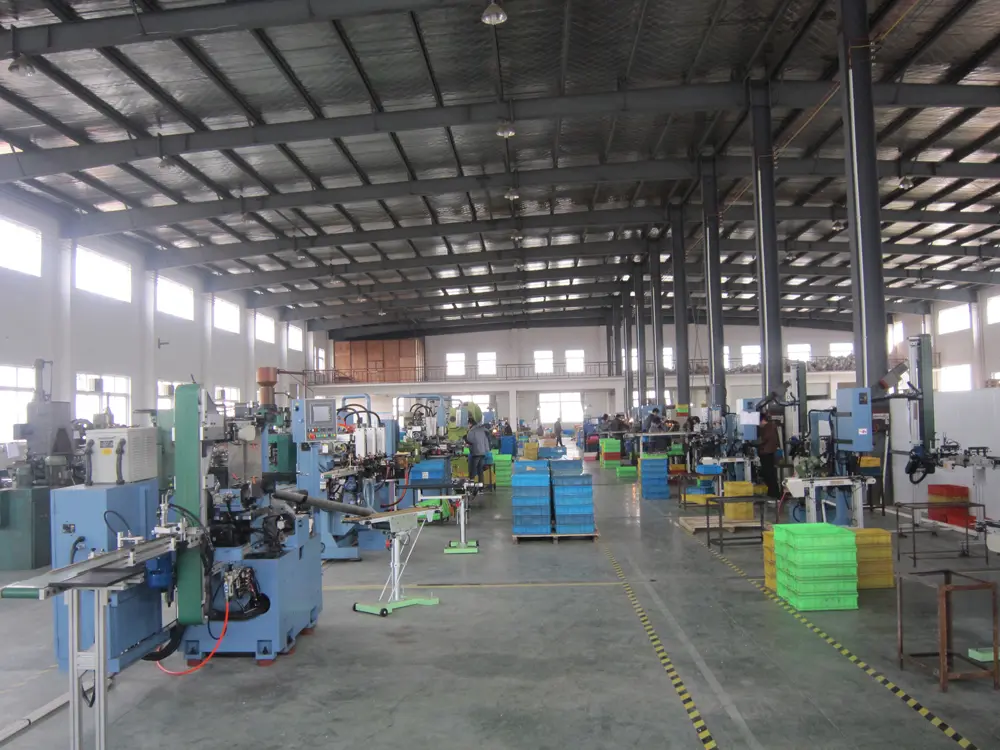
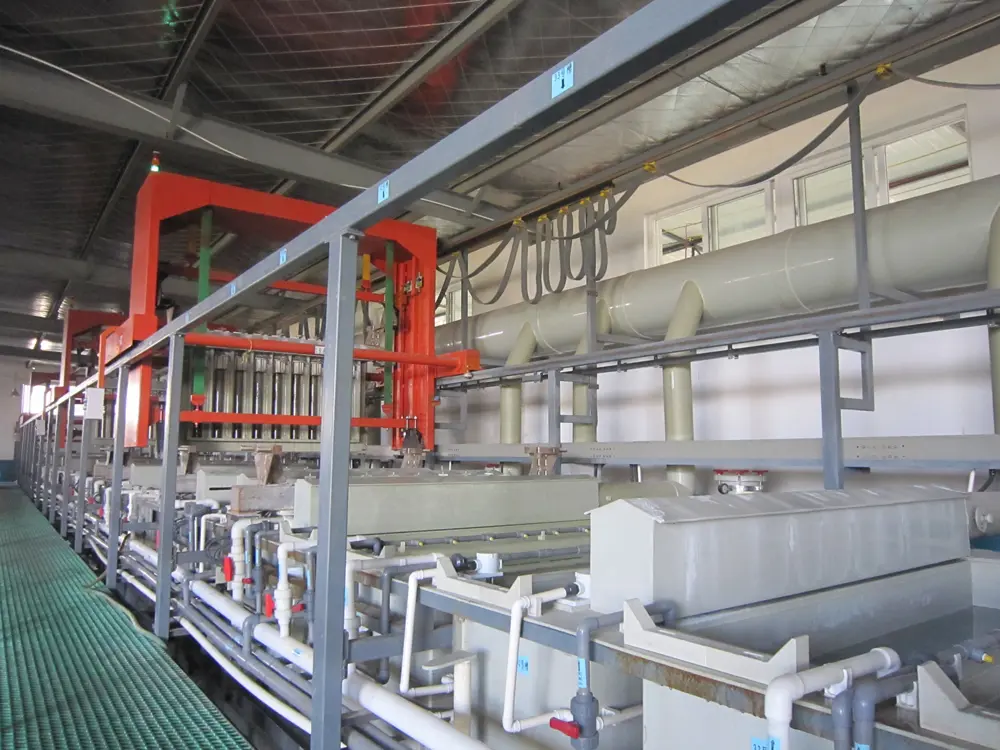
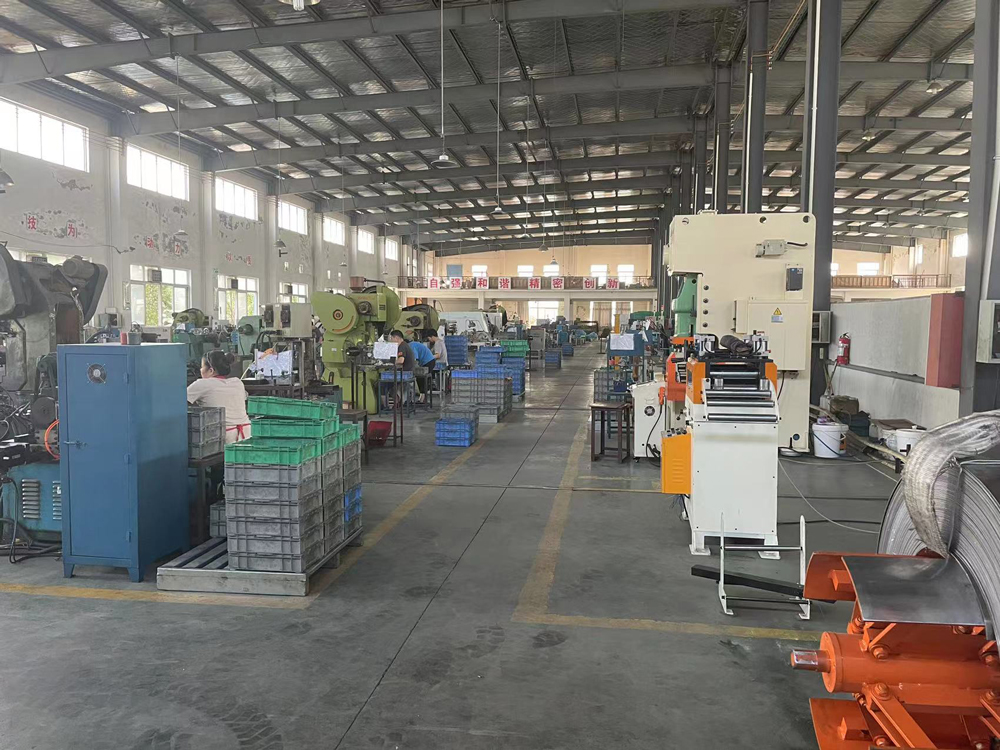
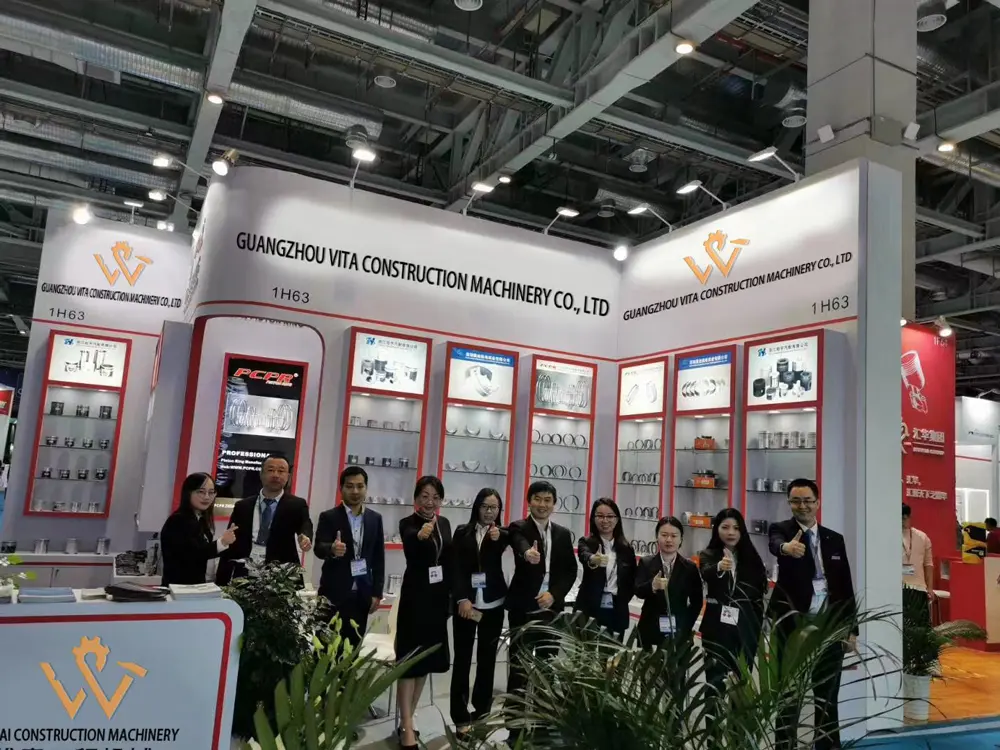
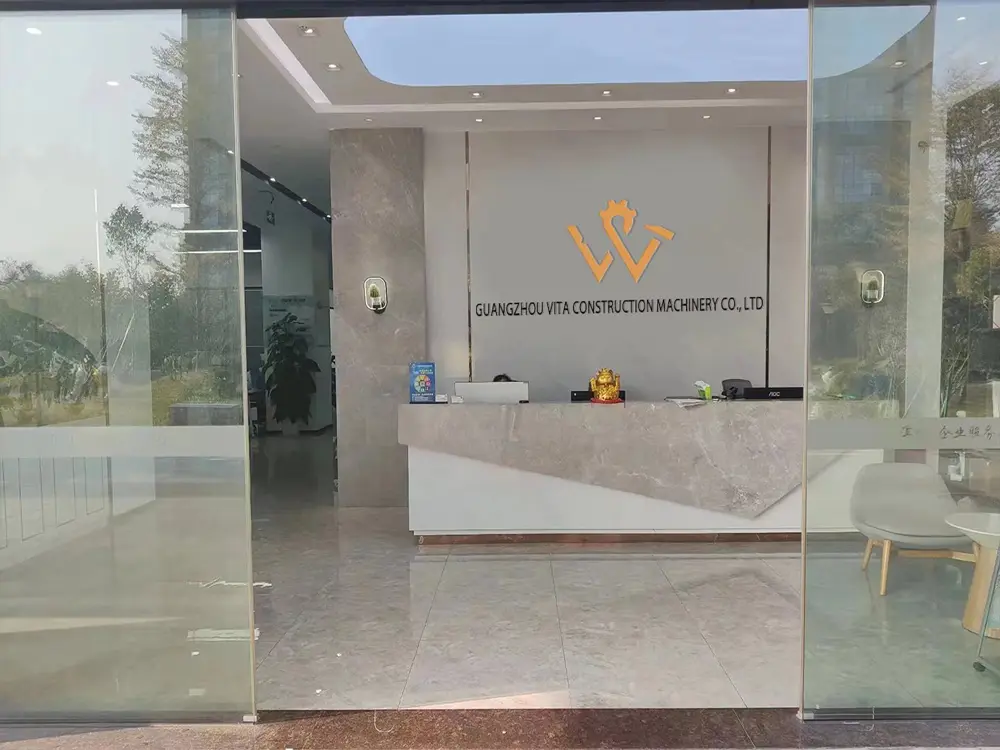
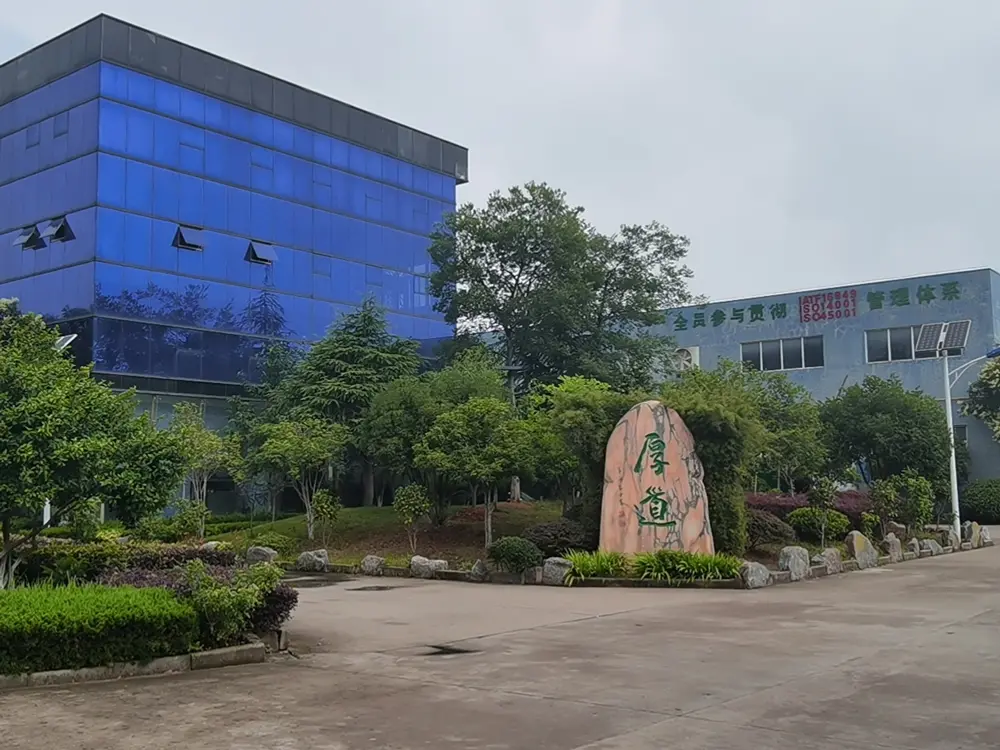
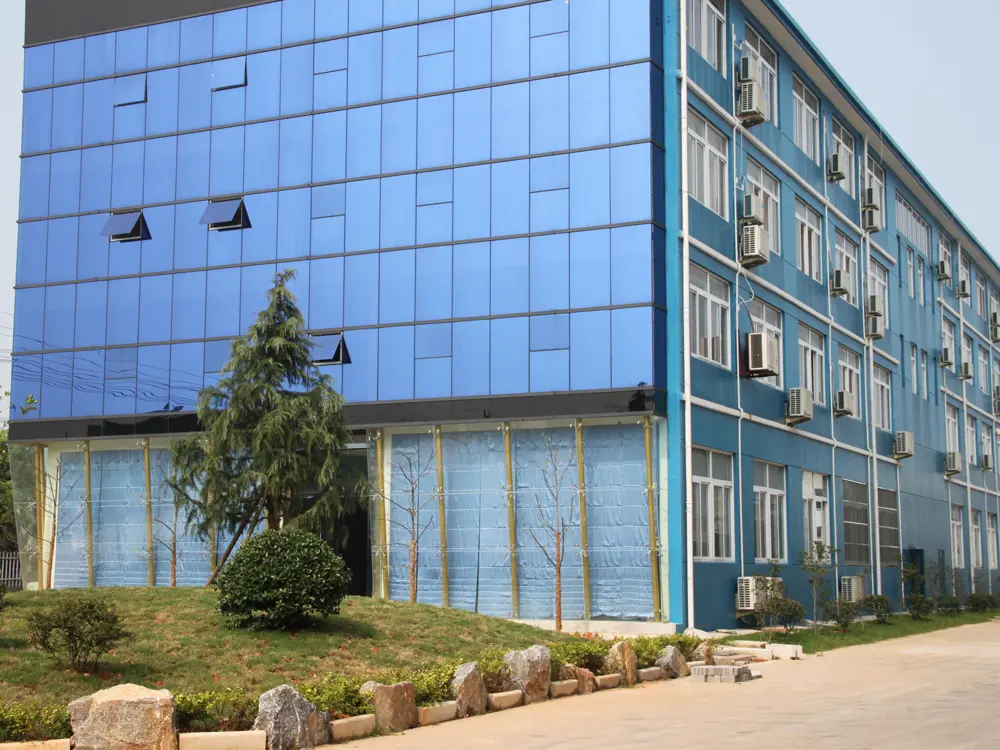
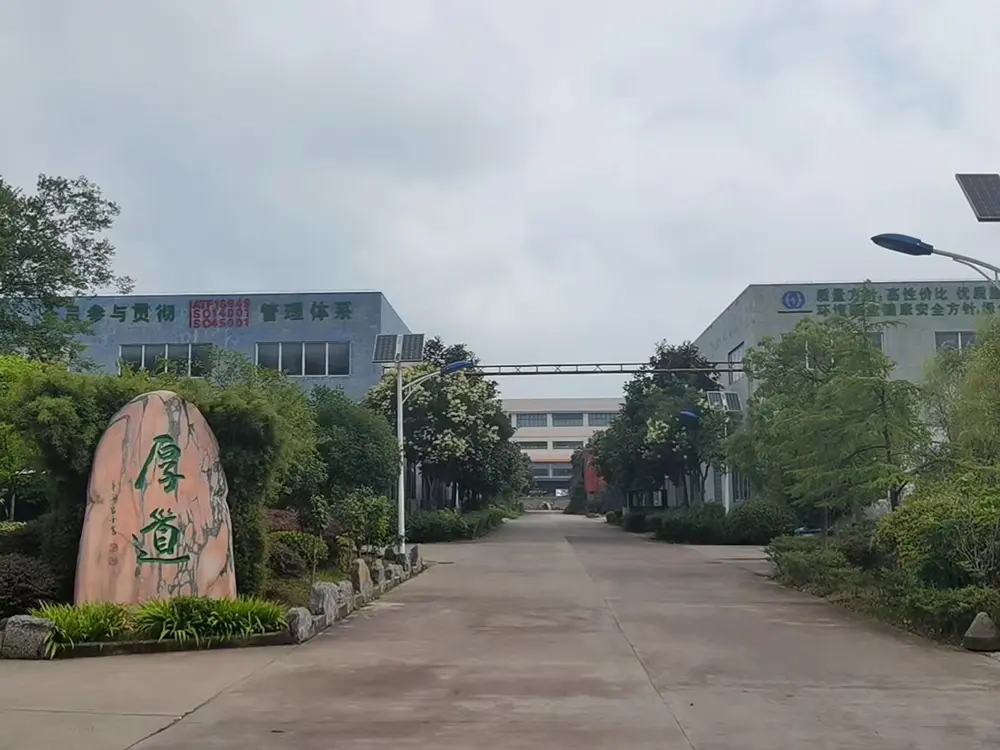
Guangzhou Vita Construction Machinery Co., Ltd. is one of the largest companies that combines factory operations and foreign trade. Our factory is located in Xiangyang City, Hubei Province, boasting more than 18,000 square meters of workshop space equipped with several advanced production machines.
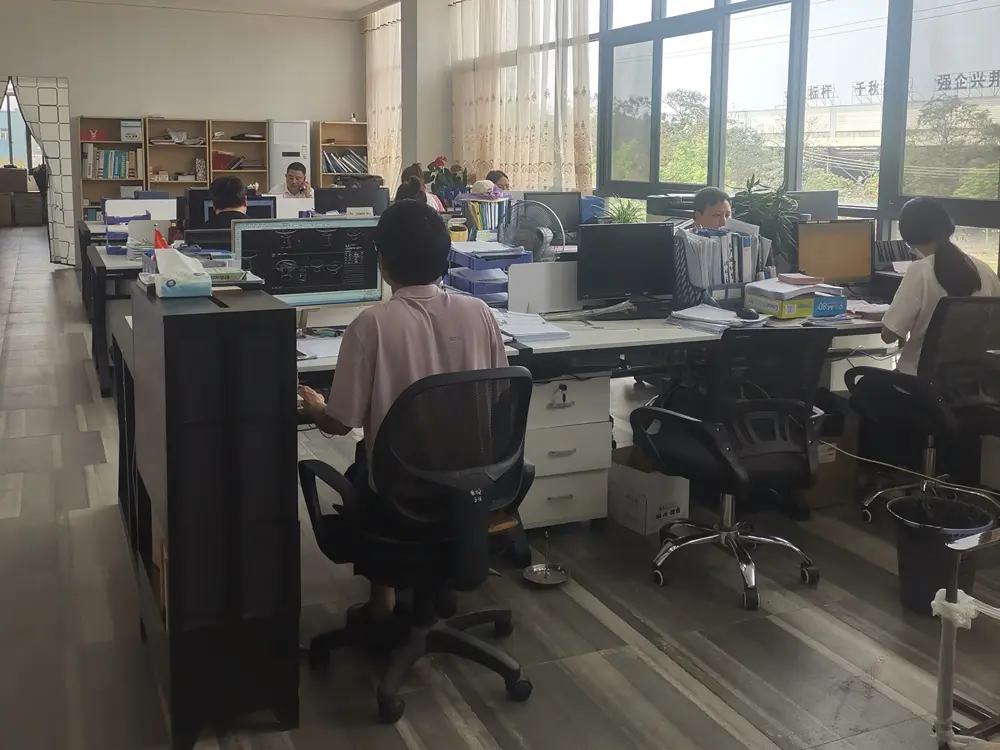
With more than 278 well-trained and skilled workers and around 8 experienced engineers, we assure superior product quality as well as fast and accurate delivery. We specialize in producing, developing, and selling a comprehensive range of construction machinery parts.
Our product lineup includes engine assemblies, hydraulic pumps, final drives, electric generating sets, engine bearings (Main bearings, con Rod Bearing series), crankshafts, engine valves, gear pumps, cylinders, all kinds of filters, excavator buckets, and undercarriage parts for excavators and bulldozers. These are used as replacements for many types of machines across well-known brands including Komatsu, Volvo, Sumitomo, Caterpillar, Kubota, Hitachi, John Deere, Kobelco, Hyundai, Kato, Sany, XCMG, SUNWARD, and more.
In the fast-paced world of construction, the reliability and efficiency of your machinery can make or break a project. We understand that high-quality parts are essential for optimal performance. So we aim to provide top-notch construction machinery parts to make the customer's machinery run smoothly.
To improve our service, we set up engine maintenance development. In addition to providing customers with engine assemblies, we can also help customers solve various technical problems encountered in the operation and assembly of engines.
We have our own professional maintenance team and can even be invited by customers to arrange for maintenance technicians to go abroad to help customers repair engines directly on-site.