 +86 18578756148
Leave Your Message
-
CONTACT NUMBER
-
 CONTACT NUMBER
 -
 CONTACT NUMBER
 -
 CONTACT NUMBER
-
 CONTACT NUMBER
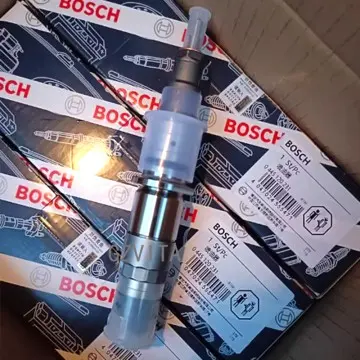
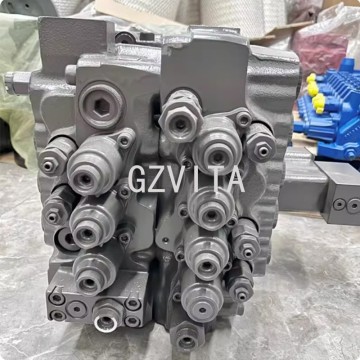
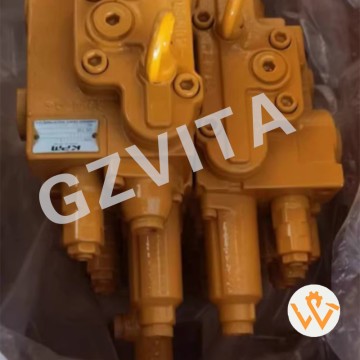
In the realm of modern heavy machinery and industrial engines, the relationship between fuel injection dynamics and thermal management is paramount. A Fuel Control Valve for Cooling System Maintenance might sound like a hybrid concept, but it represents the cutting-edge approach to holistic engine health. Fuel systems and cooling systems are deeply interdependent. The precision with which a fuel control valve operates directly dictates the combustion temperature, which in turn determines the thermal load placed on the engine's cooling system. When fuel control is erratic, combustion temperatures spike, overwhelming radiators, water pumps, and cooling fluids, leading to catastrophic engine failure.
Maintaining the cooling system is not just about checking coolant levels; it requires ensuring that the fuel control valves are operating at peak efficiency. By delivering the exact amount of fuel required for specific load conditions, high-quality control valves prevent thermal runaway. This synergy reduces thermal stress on engine blocks, extends the lifespan of cooling components, and ensures that heavy-duty machinery operates safely within its optimal temperature range, even in the most unforgiving environments.
The global industrial landscape is currently undergoing a massive shift towards energy efficiency and stringent emission regulations (such as Tier 4 Final and Stage V). In this context, the demand for high-precision Fuel Control Valves that indirectly support Cooling System Maintenance has skyrocketed. Industries ranging from mining and construction to marine and power generation are realizing that preventative maintenance is far more cost-effective than reactive repairs. The current market status shows a massive transition from mechanical valves to electro-hydraulic and fully electronic control modules.
Commercially, fleet managers are facing unprecedented pressure to reduce downtime. A single excavator or bulldozer overheating due to a malfunctioning fuel control valve can halt an entire construction site, costing thousands of dollars per hour. Consequently, the replacement parts market has seen a surge in demand for OEM-quality or superior aftermarket valves. Companies are no longer just buying parts; they are investing in thermal stability. The integration of advanced diagnostics tools means that technicians can now monitor fuel flow and cooling efficiency simultaneously, identifying micro-fluctuations in fuel delivery before they cause the cooling system to boil over.
The application of precision fuel control valves to aid in cooling system stabilization spans across multiple heavy-duty sectors. Here is a deeper look into how these components function in real-world extreme scenarios.
Excavators (like CAT320D, Volvo EC140B) and bulldozers operate under constantly shifting loads. When digging through dense bedrock, the engine requires a sudden surge in power. The fuel control valve must respond instantly. If it over-fuels, the excess heat immediately taxes the cooling system. High-quality valves ensure a stoichiometric balance, keeping the engine coolant temperatures stable even during maximum hydraulic output.
Electric generating sets operating in remote areas or as hospital backups run continuously for days. In these scenarios, thermal creep is a silent killer. A precision fuel control module ensures a steady, unfluctuating fuel supply, which allows the cooling system to maintain a constant baseline temperature, preventing the slow degradation of engine bearings and cylinder heads caused by thermal expansion.
In deep-pit mining, ambient temperatures can be extreme, and airflow is often restricted. Mining trucks relying on Cummins or Komatsu engines depend entirely on their liquid cooling systems. Upgraded fuel control valves featuring high-temperature resistant seals and AI-calibrated flow rates prevent the engine from generating excess internal heat, acting as the first line of defense against cooling system failure.
The future of Fuel Control Valves for Cooling System Maintenance lies in the realm of the Internet of Things (IoT) and Artificial Intelligence. We are moving away from passive components to active, intelligent nodes within the machine's nervous system. Future fuel control valves will feature embedded micro-sensors capable of communicating directly with the cooling system's thermostat and water pump.
Predictive Maintenance: AI algorithms will analyze the data from the fuel valve—such as actuation speed, fluid resistance, and micro-blockages. If the AI detects that the valve is sticking slightly, causing a 2% increase in combustion heat, it will alert the operator to perform cooling system maintenance before a critical overheating event occurs.
Advanced Materials: Furthermore, the development of aerospace-grade ceramics and advanced polymers will make future valves impervious to thermal shock and cavitation. This means that even if the cooling system temporarily fails, the fuel control valve will continue to operate flawlessly, allowing the machine to enter a safe "limp mode" without destroying the fuel injection architecture.
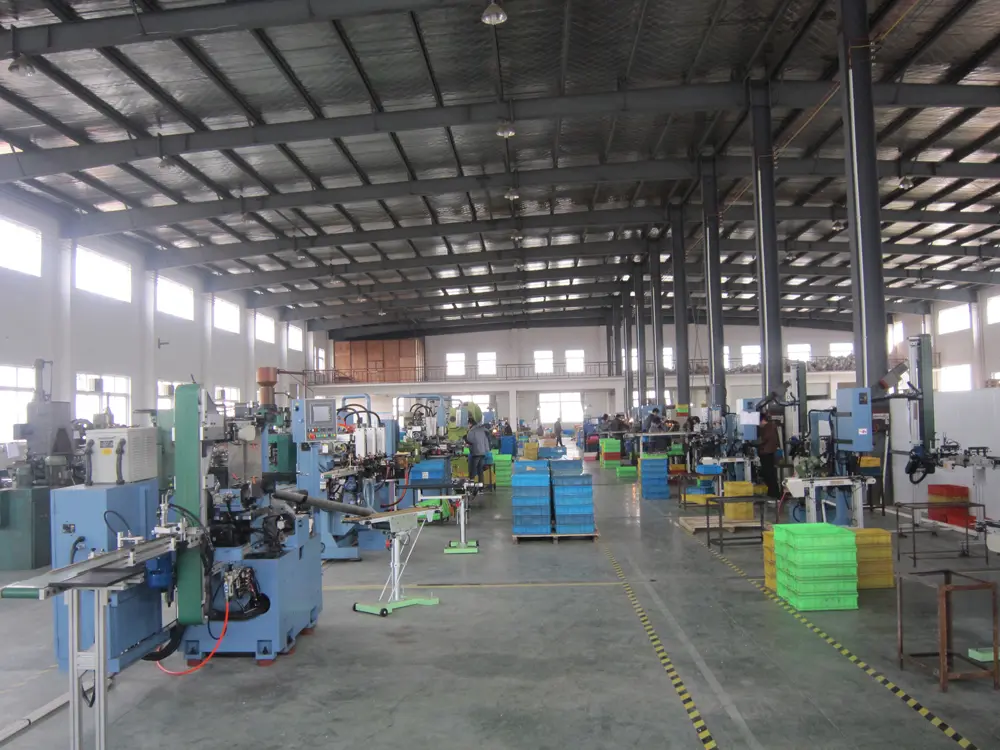
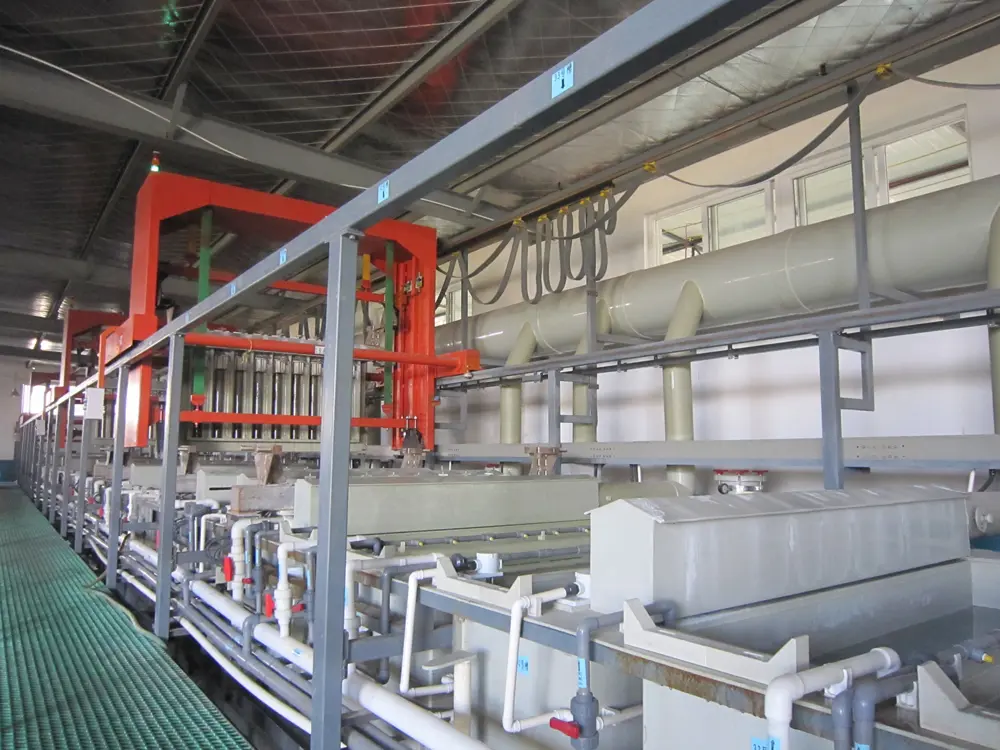
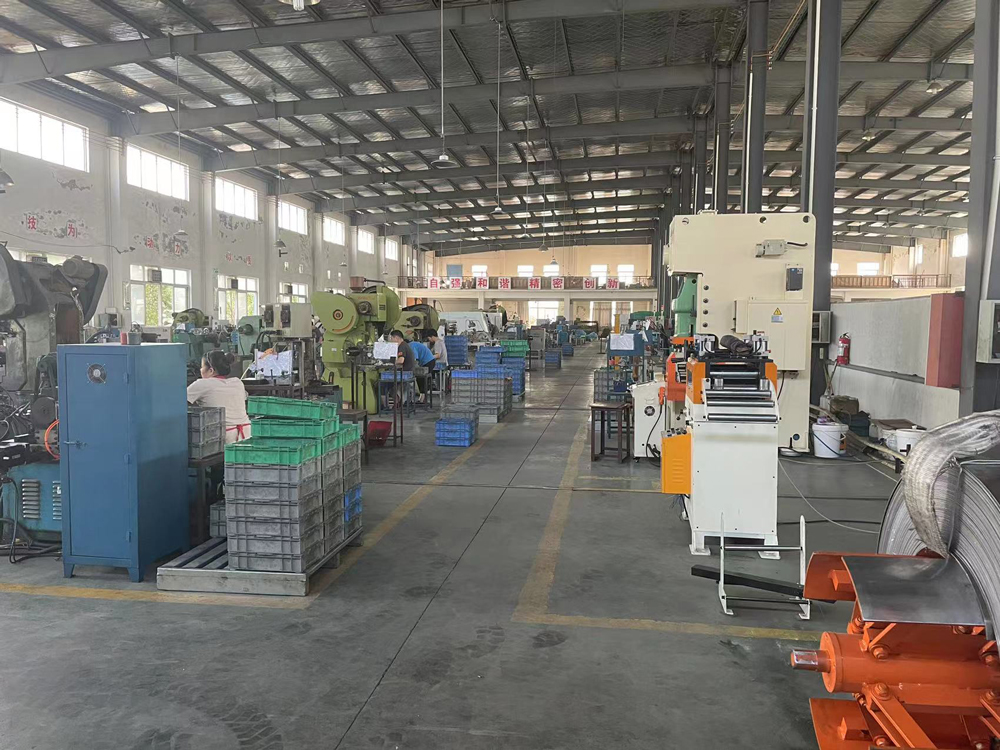
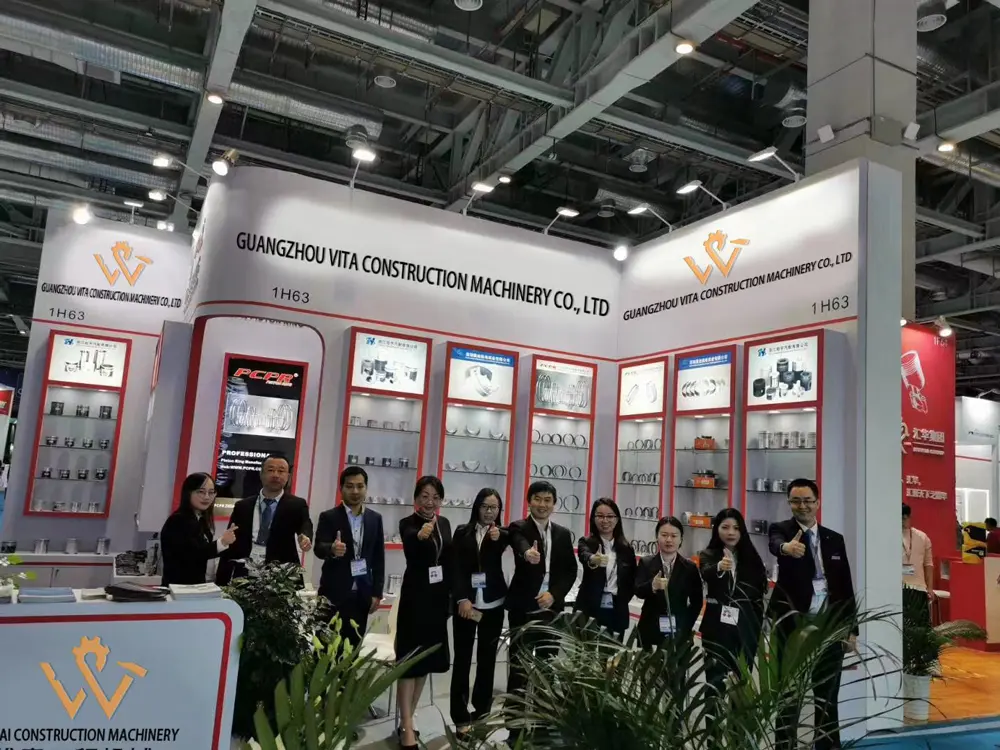
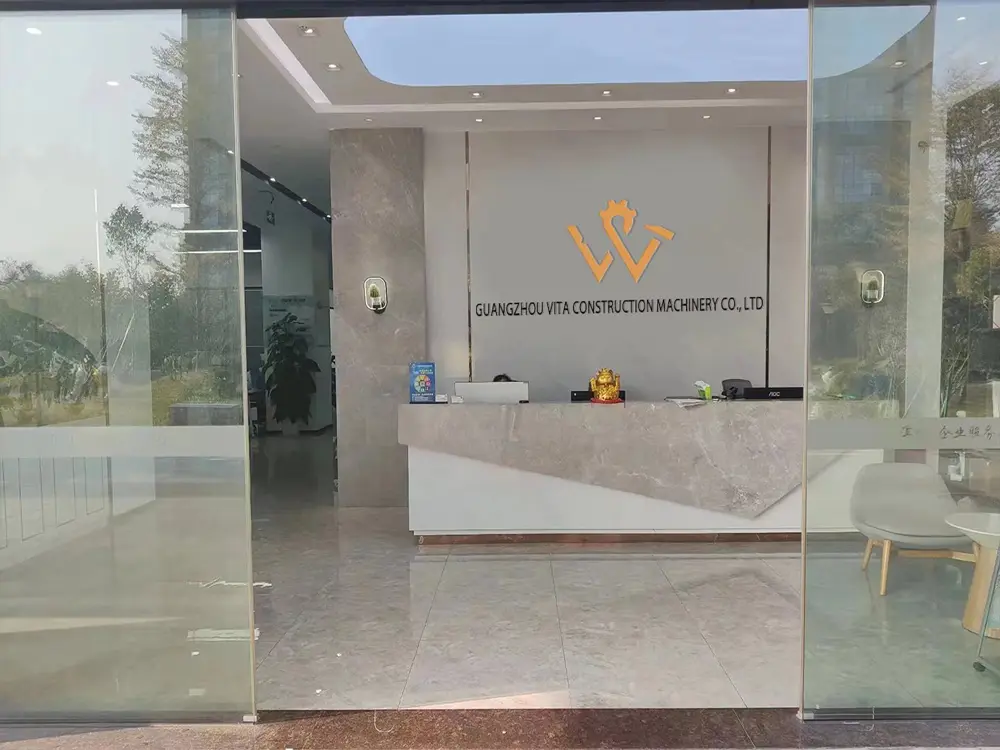
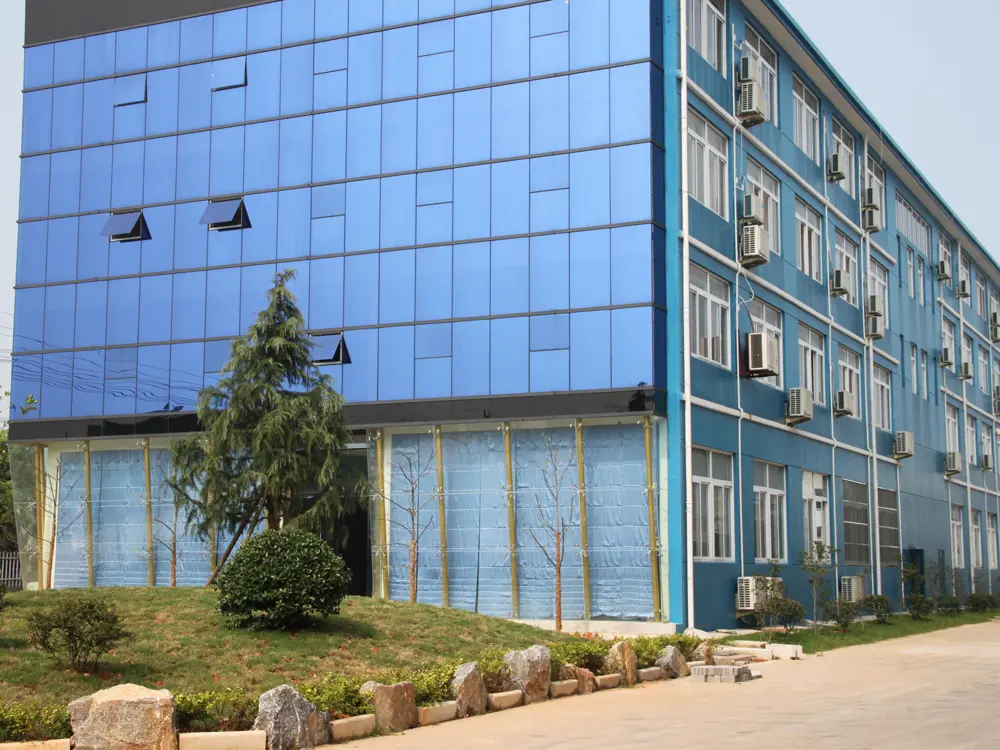
Guangzhou Vita Construction Machinery Co., Ltd. is one of the largest companies that combines factory production and foreign trade, standing at the forefront of providing advanced solutions like the Fuel Control Valve for Cooling System Maintenance. The factory is located in Xiangyang City, Hubei Province. There are more than 18,000 square meters of workshops equipped with several advanced production machines. More than 278 well-trained and skilled workers, alongside around 8 experienced engineers, assure superior product quality as well as fast and accurate delivery.
We specialize in producing, developing, and selling a comprehensive range of construction machinery parts. This includes engine assemblies, hydraulic pumps, final drives, electric generating sets, engine bearings (Main bearings con Rod Bearing series), crankshafts, engine valves, gear pumps, cylinders, all kinds of filters, excavator buckets, and undercarriage parts for excavators and bulldozers. These are widely used as replacements for many types of machines, covering renowned brands such as Komatsu, Volvo, Sumitomo, Caterpillar, Kubota, Hitachi, John Deere, Kobelco, Hyundai, Kato, Sany, XCMG, SUNWARD, and other well-known brands.
In the fast-paced world of construction, the reliability and efficiency of your machinery can make or break a project. We understand that high-quality parts are essential for optimal performance. So we aim to provide top-notch construction machinery parts to make the customer's machinery run smoothly, ensuring thermal stability and efficient fuel control.
To improve our service, we set up engine maintenance development. In addition to providing customers with engine assemblies, we can also help customers solve various technical problems encountered in the operation and assembly of engines, particularly complex integrations between fuel delivery and cooling systems.
We have our own professional maintenance team and can even be invited by customers to arrange for maintenance technicians to go abroad to help customers repair engines, calibrate control valves, and optimize cooling system performance on-site.
Take a glimpse into our state-of-the-art manufacturing facilities where precision engineering meets rigorous quality control.