 +86 18578756148
Leave Your Message
-
CONTACT NUMBER
-
 CONTACT NUMBER
 -
 CONTACT NUMBER
 -
 CONTACT NUMBER
-
 CONTACT NUMBER
In the vast and unforgiving environment of the world's oceans, the reliability of a vessel's propulsion and auxiliary systems is paramount. At the heart of these massive mechanical beasts lies a seemingly modest yet absolutely vital component: the Fuel Transfer Pump for Marine Engine Support. The global maritime industry relies heavily on these precision-engineered devices to ensure the continuous, uninterrupted flow of fuel from storage bunkers to settling tanks, and ultimately to the marine diesel engines that power global trade.
The current commercial and industrial landscape for marine fuel transfer pumps is experiencing a massive paradigm shift. As international supply chains grow more complex and the demand for global shipping increases, the operational stress on marine vessels has never been higher. Consequently, the commercial market for marine engine support systems is booming, with a projected compound annual growth rate (CAGR) reflecting the industry's urgent need for durable, high-efficiency fluid handling solutions. Manufacturers are moving away from legacy mechanical systems and heavily investing in advanced metallurgical processes and AI-driven precision engineering to create pumps capable of withstanding the harsh realities of saltwater environments, extreme temperature fluctuations, and the highly abrasive nature of modern marine fuels.
Furthermore, the regulatory environment is reshaping the industrial status of these pumps. With the International Maritime Organization (IMO) enforcing strict sulfur emission regulations (IMO 2020 and beyond), shipowners are forced to utilize a wider variety of fuels, ranging from Ultra-Low Sulfur Fuel Oil (ULSFO) to Marine Gas Oil (MGO) and even alternative fuels like Liquefied Natural Gas (LNG) and methanol. This diversification in fuel types demands highly versatile fuel transfer pumps capable of handling vast differences in viscosity, lubricity, and specific gravity without compromising flow rates or risking cavitation.
Understanding the application of a Fuel Transfer Pump for Marine Engine Support requires a deep dive into the specific scenarios where these pumps operate. Marine vessels are not monolithic; they vary wildly in their design, purpose, and operational profiles. Therefore, the deployment of fuel transfer technology must be highly customized to fit the unique demands of each maritime sector.
On ultra-large container vessels (ULCVs) and bulk carriers, fuel transfer pumps are responsible for moving hundreds of metric tons of heavy fuel oil (HFO) daily. These pumps must operate continuously to maintain the delicate balance of fuel in day tanks. The primary challenge here is handling high-viscosity fuels, which often require pre-heating. The pumps must maintain exceptional volumetric efficiency even when dealing with sludge and particulate matter inherent in lower-grade bunker fuels.
Platform Supply Vessels (PSVs) and Anchor Handling Tug Supply (AHTS) vessels operate in treacherous offshore conditions. Here, the fuel transfer pump is not just supporting the vessel's own engines, but frequently transferring fuel to offshore platforms. The pumps used in these scenarios require explosive-proof ratings, exceptionally high discharge pressures to overcome elevation differences, and robust seals to prevent catastrophic environmental spills during rough sea transfers.
In naval applications, redundancy, stealth, and immediate responsiveness are critical. Fuel transfer pumps for military marine engine support are designed with ultra-low acoustic signatures to avoid sonar detection. They utilize advanced composite materials to reduce weight and are integrated into highly redundant, shock-proof systems that guarantee fuel delivery even if the vessel sustains battle damage.
The future of the Fuel Transfer Pump for Marine Engine Support is undeniably digital. As the maritime industry embraces the Fourth Industrial Revolution (Industry 4.0), fuel pumps are evolving from passive mechanical components into intelligent, data-generating assets. This technological leap is driven by the integration of Artificial Intelligence (AI), the Internet of Things (IoT), and advanced sensor networks.
1. Predictive Maintenance Driven by AI: Traditional maintenance schedules for marine pumps are based on operating hours, which often leads to unnecessary part replacements or, conversely, unexpected catastrophic failures at sea. Modern fuel transfer pumps are now being equipped with embedded vibration sensors, acoustic emission monitors, and thermal imaging capabilities. AI algorithms analyze this continuous stream of data in real-time, identifying micro-anomalies that precede bearing failure or seal degradation. This allows marine engineers to perform predictive maintenance, drastically reducing vessel downtime and optimizing the lifecycle of the pump.
2. Digital Twin Technology: Leading manufacturers are creating "Digital Twins" of their fuel transfer systems. A digital twin is a virtual replica of the physical pump operating in the cloud. By feeding real-time operational data from the ship into the digital twin, engineers ashore can simulate how the pump will react to different fuel viscosities or extreme weather conditions. This allows for the dynamic adjustment of pump parameters, ensuring optimal energy efficiency and reducing the carbon footprint of the vessel.
3. Advanced Material Science: The shift towards eco-friendly, low-sulfur fuels has introduced a new problem: these fuels often lack the lubricity of traditional heavy fuel oils, leading to accelerated wear on pump gears and rotors. To combat this, the development trend is leaning heavily into advanced material science. We are seeing the adoption of tungsten carbide coatings, self-lubricating polymer composites, and specialized ceramic bearings that offer superior wear resistance, ensuring the pump maintains its efficiency regardless of the fuel's chemical composition.
4. Variable Frequency Drive (VFD) Integration: Energy efficiency is a primary concern for modern fleets. Traditional pumps often run at a constant speed, bypassing excess fuel back to the tank, which wastes enormous amounts of electrical energy. The latest marine fuel transfer pumps are fully integrated with intelligent VFDs. These drives adjust the pump's motor speed in real-time to match the exact fuel consumption rate of the marine engine, resulting in significant energy savings and reducing the load on the ship's electrical generators.
To truly appreciate the engineering behind a Fuel Transfer Pump for Marine Engine Support, one must understand the complex fluid dynamics at play. Marine fuels are non-Newtonian fluids whose viscosity changes dramatically with temperature. A pump that operates perfectly with hot HFO might struggle to prime when handling cold MGO.
Positive displacement pumps, specifically rotary gear and screw pumps, dominate the marine fuel transfer sector. These designs are favored because their volumetric output is relatively unaffected by changes in system pressure or fuel viscosity. A precisely machined triple-screw pump, for instance, can move highly viscous sludge without creating the destructive turbulence and shear forces that would otherwise emulsify water into the fuel—a condition that can cause severe damage to marine diesel fuel injectors.
Cavitation is another critical enemy of marine fluid systems. When a pump attempts to draw thick fuel through long, restrictive suction lines, the pressure inside the pump casing can drop below the vapor pressure of the fuel. This causes microscopic vapor bubbles to form and violently collapse against the pump internals, leading to rapid pitting and mechanical failure. Modern marine fuel transfer pumps are engineered with optimized suction port geometries and highly polished internal volutes to maximize Net Positive Suction Head (NPSH) margins, effectively eliminating the risk of cavitation even under heavy loads.
Furthermore, marine classification societies such as DNV, ABS, and Lloyd's Register impose stringent testing standards on these components. A certified marine fuel pump must withstand rigorous hydrostatic pressure testing, demonstrate absolute leak-proof operation under extreme vibration, and prove its fire-safe capabilities. This level of technical mastery ensures that when a vessel is navigating through a Category 5 hurricane, the engines will not starve for fuel.
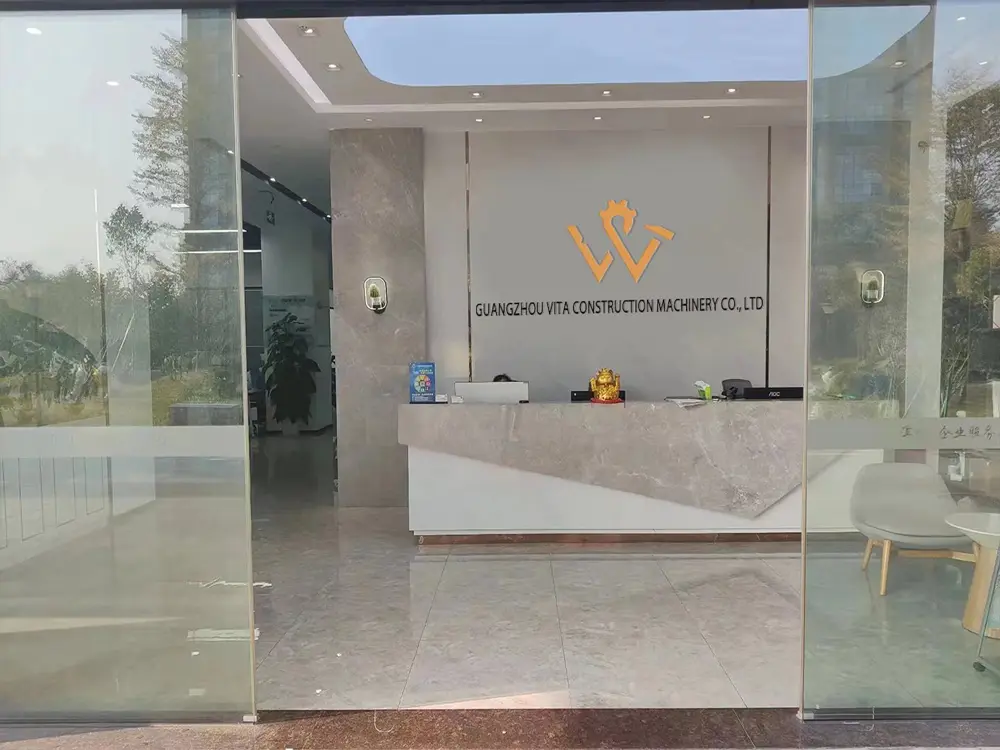
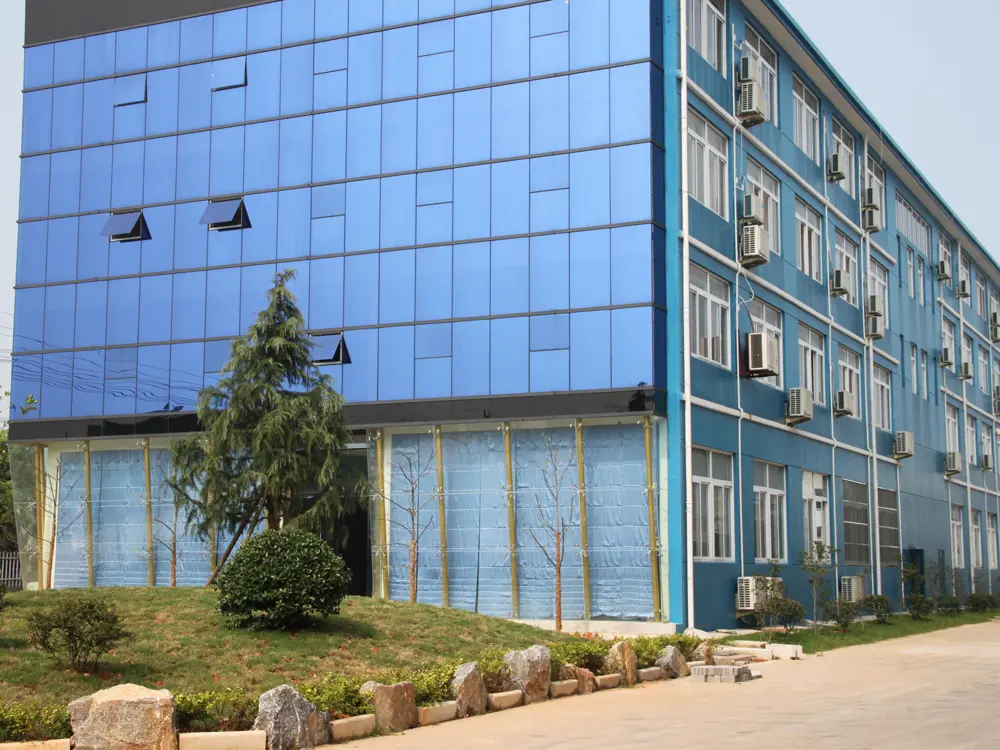
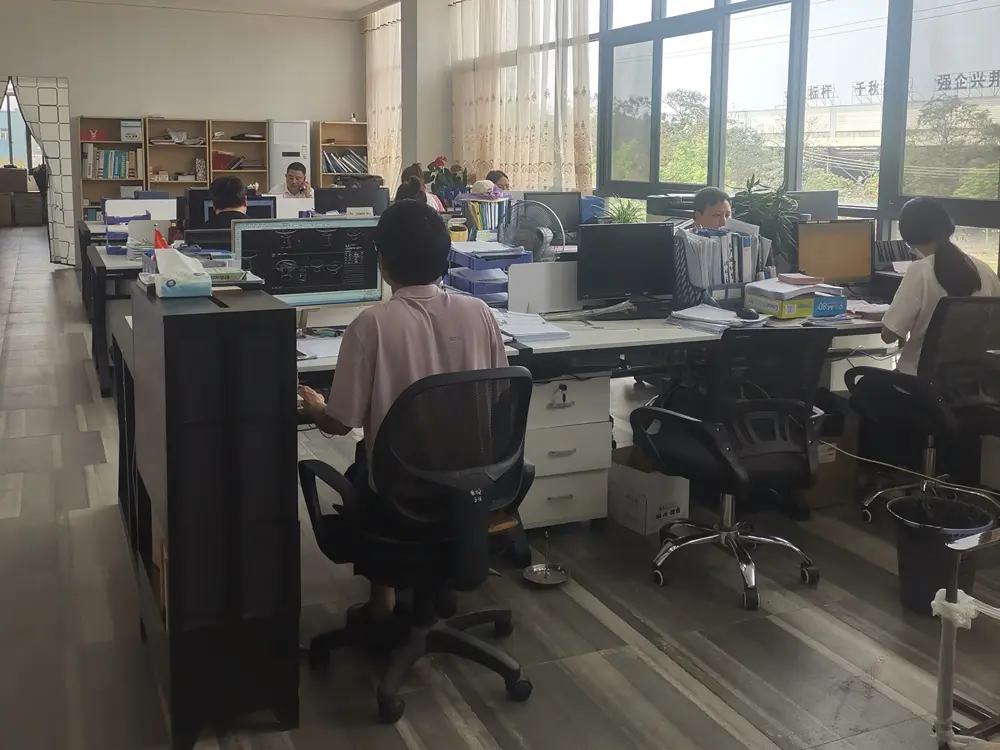
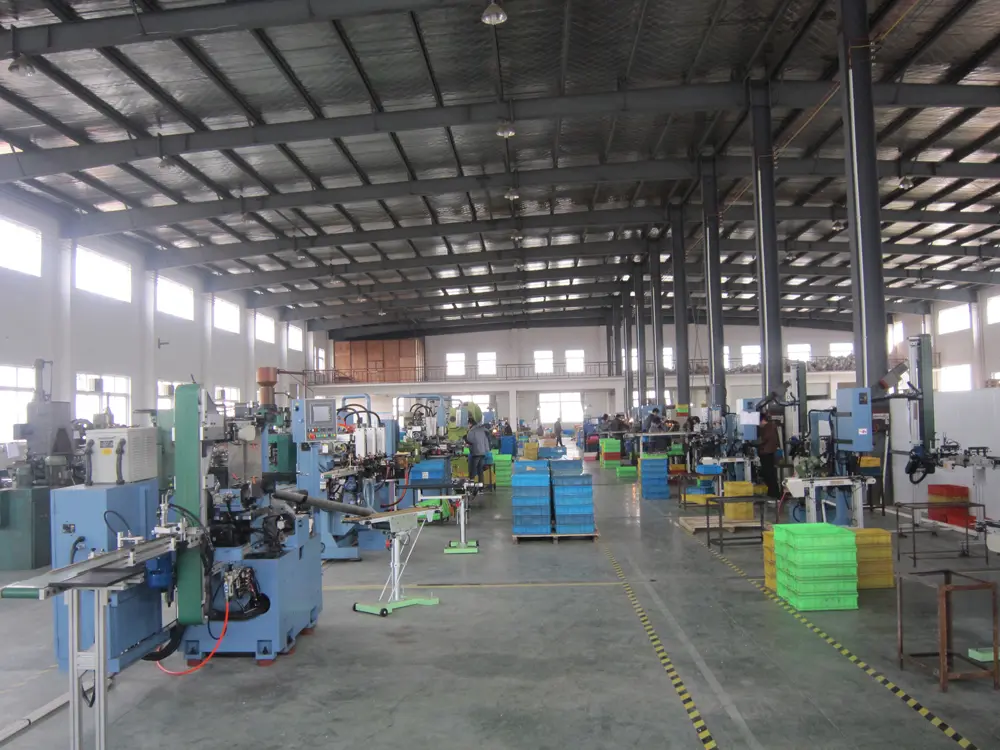
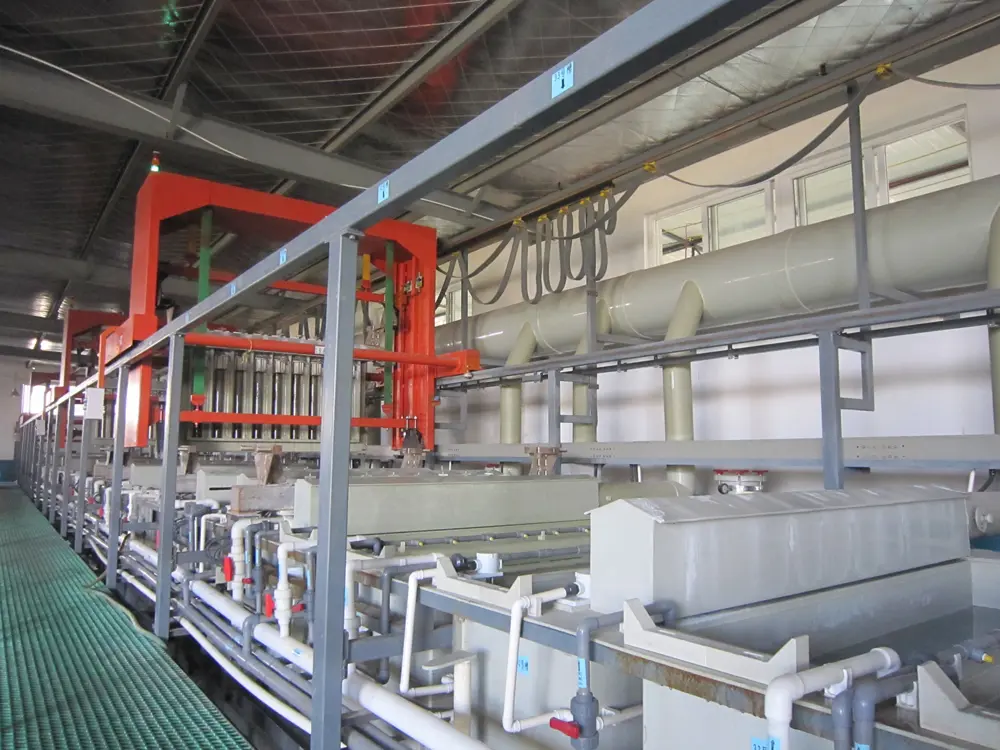
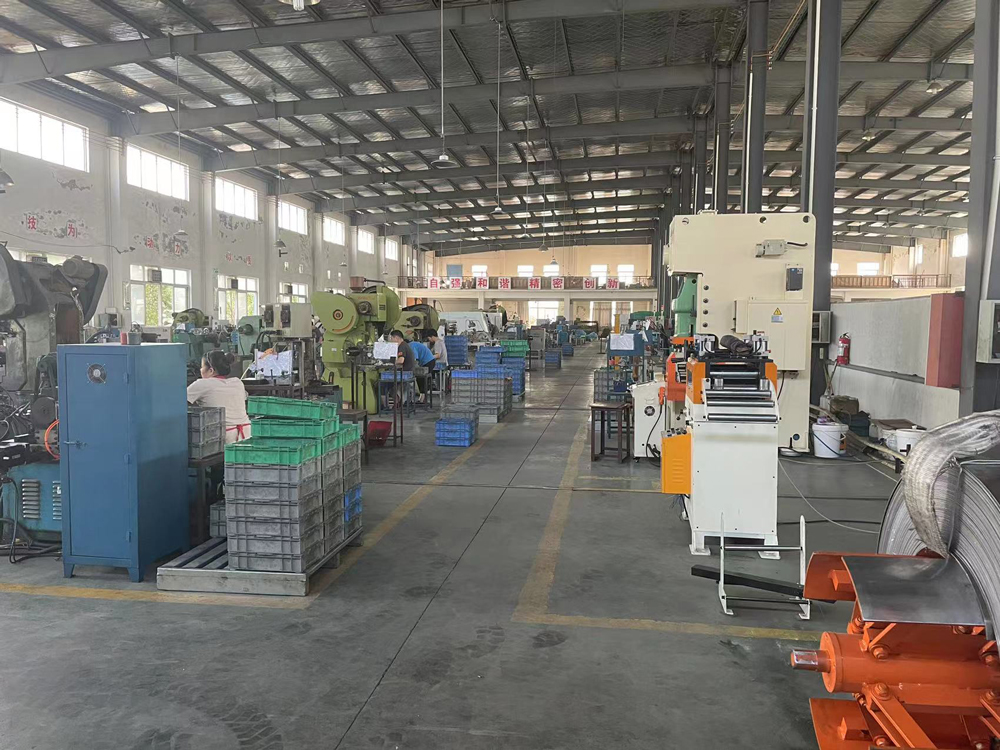
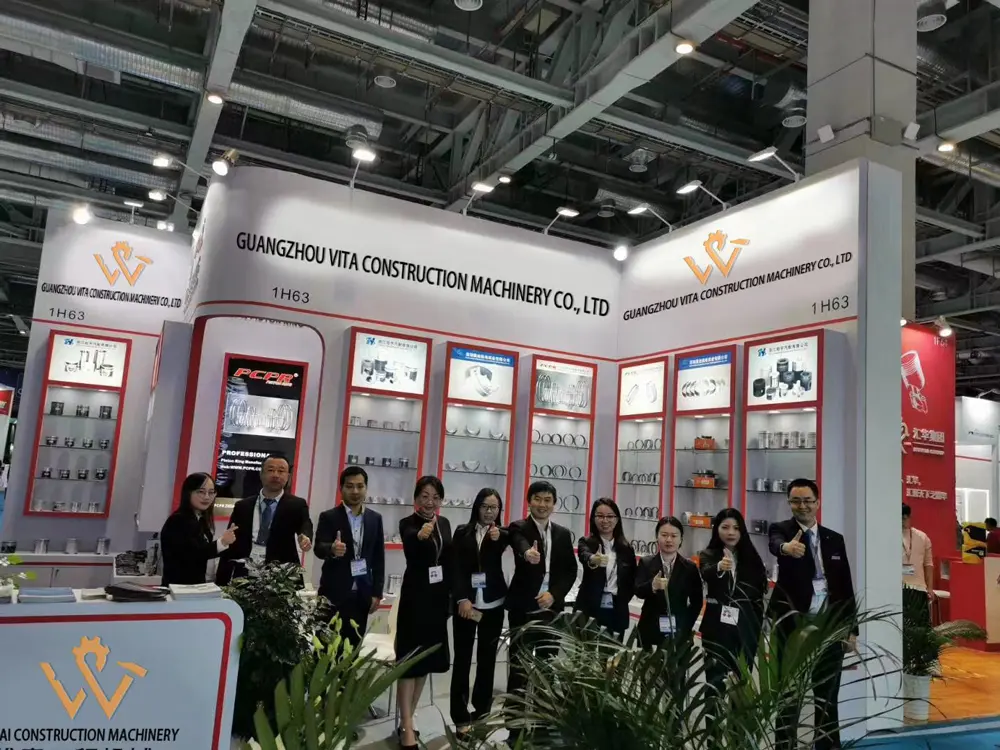
Guangzhou Vita Construction Machinery Co., Ltd. is one of the largest companies that combines factory operations and foreign trade, bringing unparalleled expertise to the heavy machinery and marine engine support sectors. The factory is strategically located in Xiangyang City, Hubei Province. Spanning more than 18,000 square meters, our workshop is equipped with several advanced production machines. Our workforce of more than 278 well-trained and skilled workers, alongside around 8 experienced engineers, assures exceptional product quality as well as fast and accurate delivery for critical components like the Fuel Transfer Pump for Marine Engine Support.
We specialize in producing, developing, and selling a comprehensive range of construction machinery and heavy-duty engine parts. Our extensive catalog includes engine assemblies, hydraulic pumps, final drives, electric generating sets, engine bearings (Main bearings, con Rod Bearing series), crankshafts, engine valves, gear pumps, cylinders, all kinds of filters, excavator buckets, and undercarriage parts. These components serve as premium replacements for many types of machines across renowned brands, including Komatsu, Volvo, Sumitomo, Caterpillar, Kubota, Hitachi, John Deere, Kobelco, Hyundai, Kato, Sany, XCMG, SUNWARD, and other globally recognized names.
In the fast-paced world of heavy construction and demanding marine operations, the reliability and efficiency of your machinery can make or break a project. We understand that high-quality parts are essential for optimal performance. Thus, we aim to provide top-notch machinery parts, including precision fluid transfer pumps, to ensure our customers' machinery runs smoothly and without interruption under the harshest conditions.
To continuously improve our service, we have established a dedicated engine maintenance development division. In addition to providing customers with robust engine assemblies and fuel support systems, we are fully equipped to help customers solve complex technical problems encountered during the operation, calibration, and assembly of heavy-duty engines.
We boast our own professional maintenance team composed of veteran engineers. We offer global support and can even be invited by customers to arrange for our specialized maintenance technicians to travel abroad, providing hands-on assistance to help customers repair and optimize their marine engines and fluid systems.
Explore the advanced manufacturing facilities where our marine fuel transfer pumps and heavy machinery components are engineered with precision.