 +86 18578756148
Leave Your Message
-
CONTACT NUMBER
-
 CONTACT NUMBER
 -
 CONTACT NUMBER
 -
 CONTACT NUMBER
-
 CONTACT NUMBER
High-performance transfer pumps engineered specifically for the demanding environments of railway maintenance equipment.
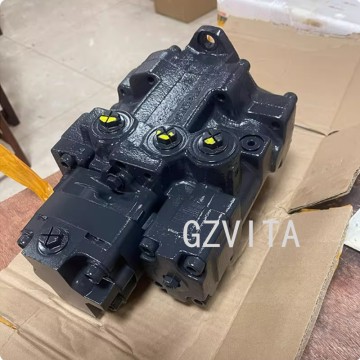
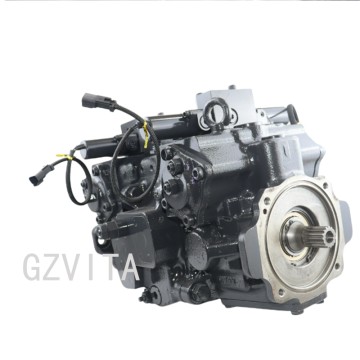

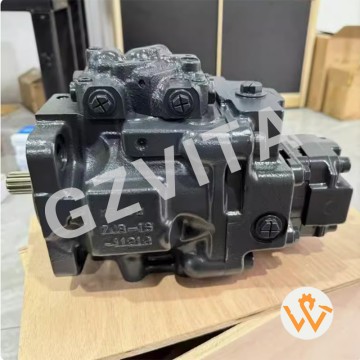
The global railway infrastructure is undergoing a massive transformation. With the rapid expansion of high-speed rail networks across Asia and Europe, and the continuous upgrading of heavy-haul freight corridors in the Americas, the demand for reliable track maintenance has never been higher. At the heart of this maintenance ecosystem lies heavy-duty railway maintenance machinery—tampers, ballast regulators, dynamic track stabilizers, and track renewal trains. These colossal machines require immense power and precise fluid management to operate effectively. The Fuel Transfer Pump For Railway Maintenance Machinery is a critical component that ensures uninterrupted fuel supply to high-displacement diesel engines and complex hydraulic systems under the most grueling conditions.
Commercially, the downtime of a single railway maintenance machine can cost operators thousands of dollars per hour, not to mention the cascading delays it causes to commercial train schedules. Traditional fuel pumps often fail under the high-vibration, dust-heavy environments typical of track worksites. Consequently, the industrial landscape is shifting towards highly durable, AI-optimized, and vibration-resistant fuel transfer pumps. Manufacturers are now prioritizing materials that resist cavitation and wear from contaminated diesel, a common issue in remote railway refueling depots. The integration of advanced fluid dynamics in these pumps ensures a steady flow rate, preventing engine starvation during peak load operations, such as simultaneous lifting, lining, and tamping of heavy concrete sleepers.
Furthermore, strict environmental regulations regarding emissions and fuel spillage are driving innovation. Modern fuel transfer pumps designed for railway applications feature zero-leakage seals and integrated filtration systems. This not only complies with stringent EPA and Euro Stage V non-road emission standards but also protects the delicate ecological zones that railways frequently traverse. The industrial consensus is clear: upgrading to premium fuel transfer systems is no longer an optional enhancement, but a mandatory requirement for sustainable railway maintenance operations.
High-speed rail (HSR) networks operate on incredibly tight schedules, leaving only a brief 4-to-6-hour window during the night for comprehensive track maintenance. In this high-pressure environment, every second counts. Railway maintenance machinery, such as continuous action tampers, must operate at maximum efficiency. The Fuel Transfer Pump plays a vital role here. During these intensive operations, engines consume fuel at an accelerated rate. A high-capacity transfer pump ensures rapid refueling from auxiliary tanks without air ingress, which could stall the engine. The precise calibration of these pumps guarantees that the machinery can run continuously through the night, ensuring the track geometry is perfectly restored before the first morning bullet train departs.
Freight railways often stretch across harsh, desolate terrains—from freezing tundras to scorching deserts. Maintenance machinery deployed in these remote sectors faces extreme temperature fluctuations that drastically alter the viscosity of diesel fuel. Standard pumps struggle to push thickened fuel in sub-zero temperatures or suffer from vapor lock in extreme heat. Advanced fuel transfer pumps for railway machinery are engineered with temperature-compensating mechanisms and high-torque motors. They ensure reliable fuel delivery to ballast undercutter-cleaners and rail grinders, even when the equipment is hundreds of miles away from the nearest repair facility. The robustness of these pumps directly correlates to the operational readiness of the entire freight corridor.
When a derailment occurs, specialized railway cranes and multi-purpose recovery vehicles are dispatched immediately. These machines require massive bursts of hydraulic and engine power to lift locomotives and heavy freight cars back onto the tracks. The fuel transfer pump must respond instantly to sudden spikes in fuel demand. Furthermore, in emergency scenarios, the machinery might be operating at severe tilt angles on embankments. Specialized transfer pumps equipped with anti-starvation baffles and multi-point suction capabilities ensure that fuel is continuously supplied to the engine, regardless of the machine's orientation. This reliability is the difference between a swift recovery and prolonged network paralysis.
The future of the Fuel Transfer Pump For Railway Maintenance Machinery is deeply intertwined with Artificial Intelligence (AI) and the Internet of Things (IoT). We are witnessing a paradigm shift from reactive to predictive maintenance. Next-generation pumps are being equipped with smart sensors that monitor fuel pressure, flow rates, temperature, and vibration signatures in real-time. This telemetry data is transmitted to cloud-based AI algorithms that can predict pump wear and potential failure weeks before it occurs. For railway operators, this means maintenance can be scheduled during planned downtime, completely eliminating catastrophic on-track breakdowns.
Additionally, the trend towards electrification and hybrid powertrains in railway maintenance equipment is reshaping pump design. While fully electric machinery is still in its infancy for heavy-duty track work, hybrid systems are becoming common. Fuel transfer pumps are evolving to be electronically controlled, variable-displacement units that communicate directly with the machine's central ECU. They supply exactly the right amount of fuel based on the real-time load demand, significantly reducing fuel consumption and greenhouse gas emissions. Furthermore, advancements in materials science, such as the use of aerospace-grade alloys and self-lubricating composites, are extending the lifespan of these pumps, making them a cornerstone of sustainable railway engineering.
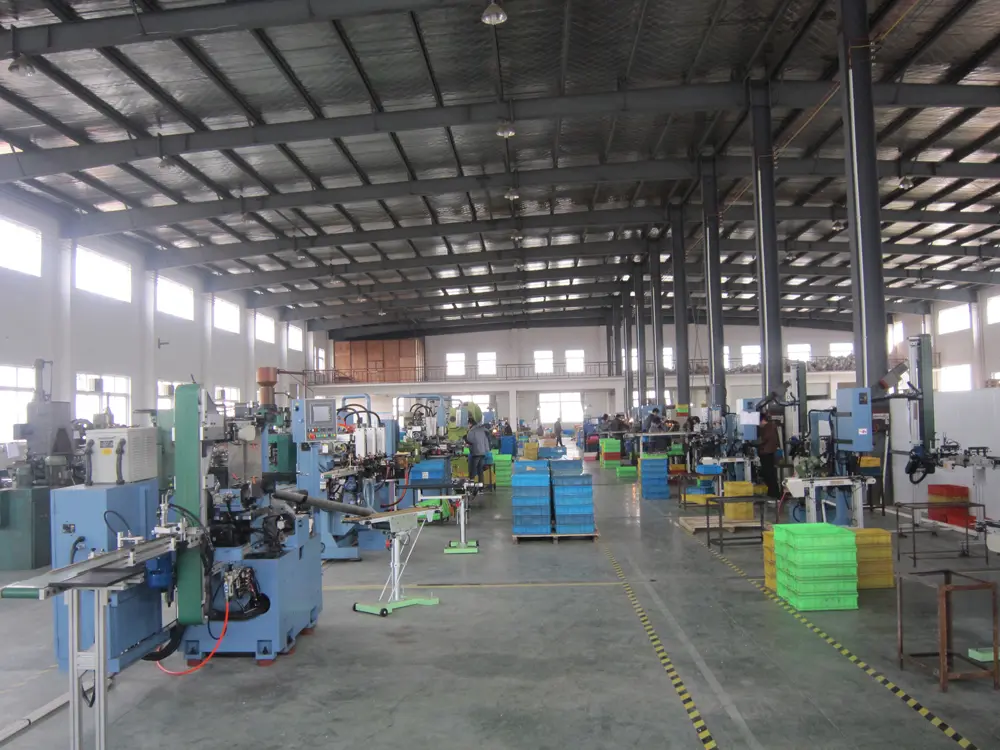
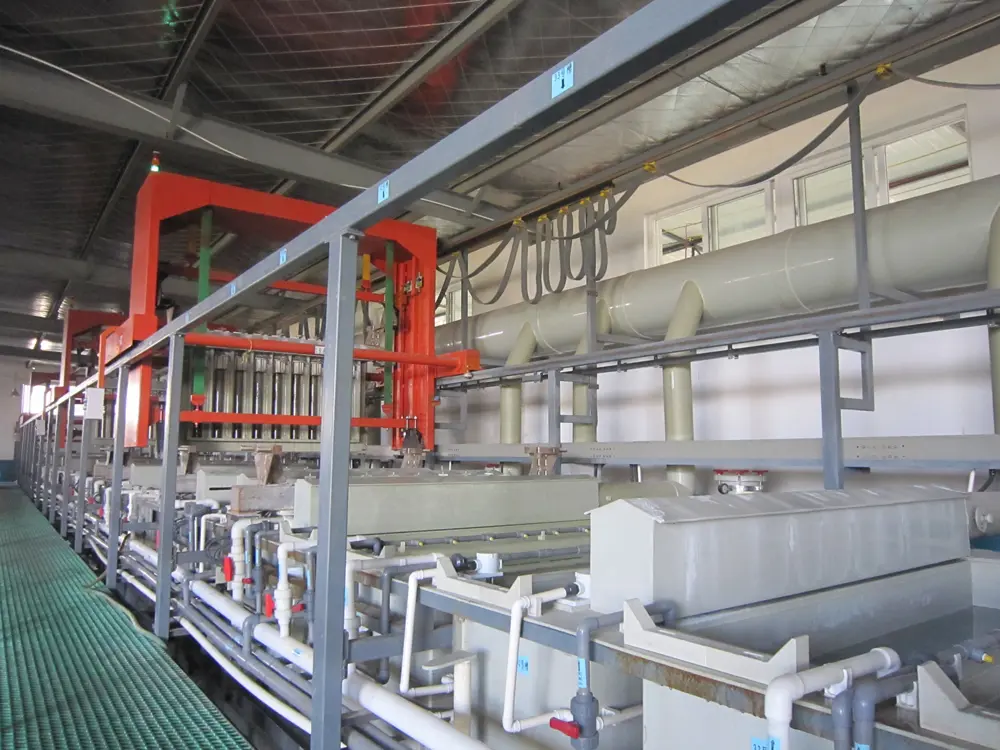
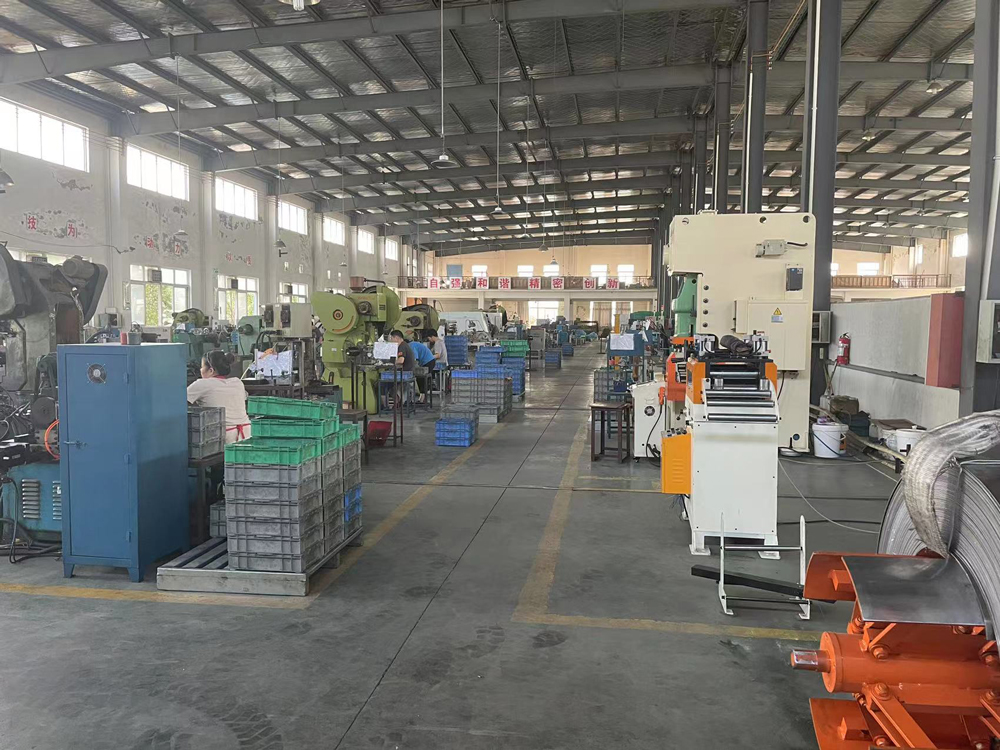
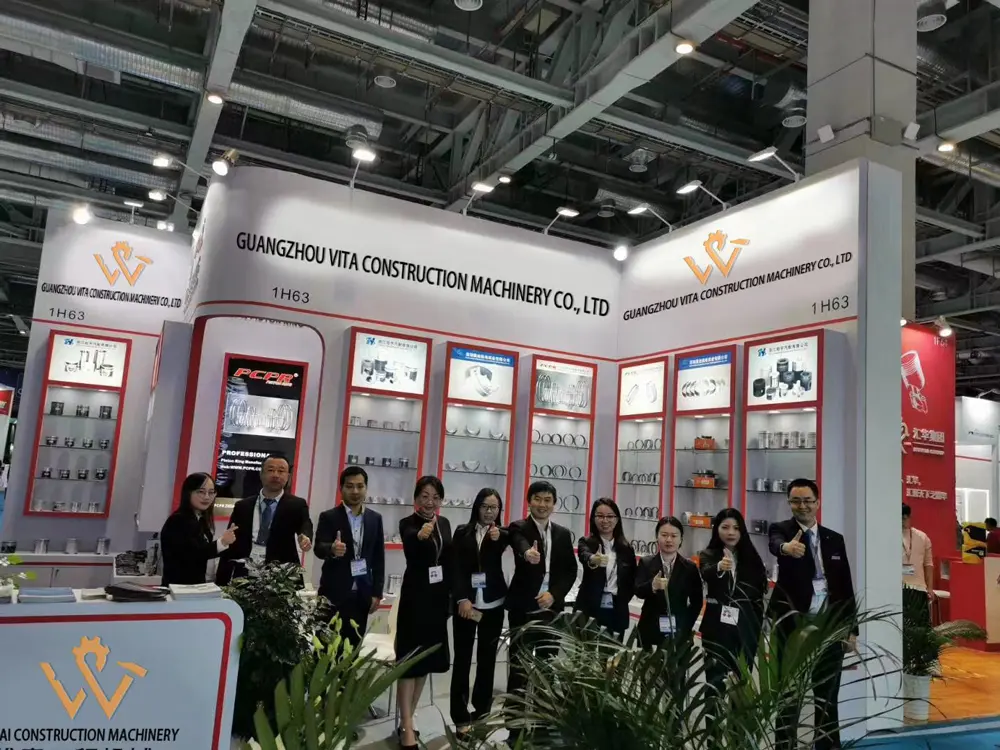
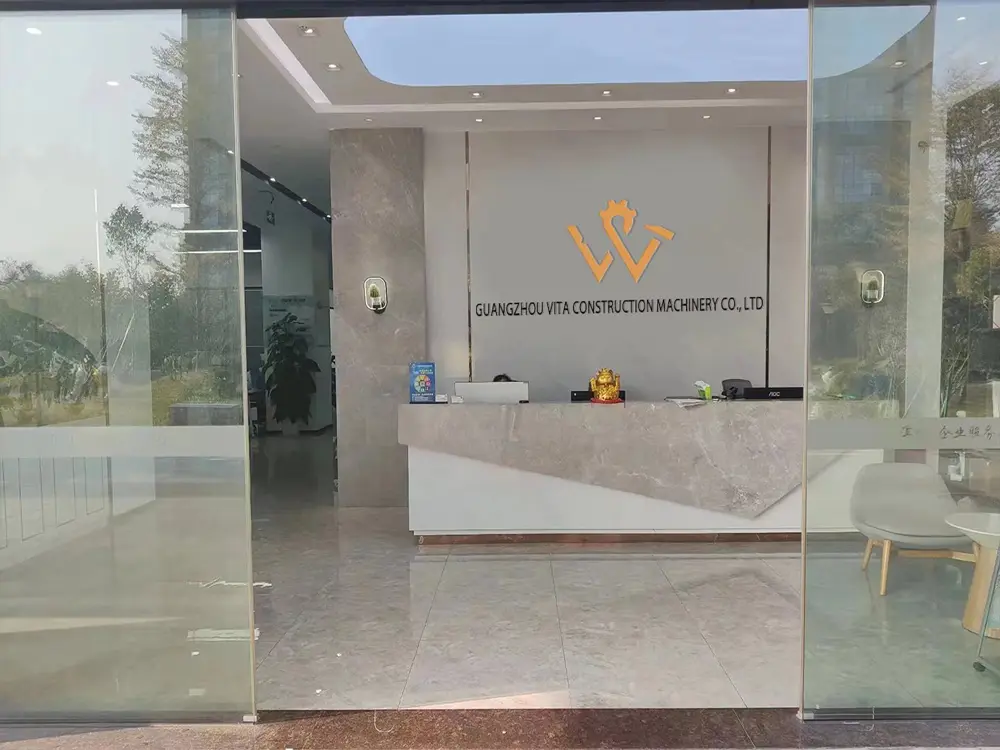
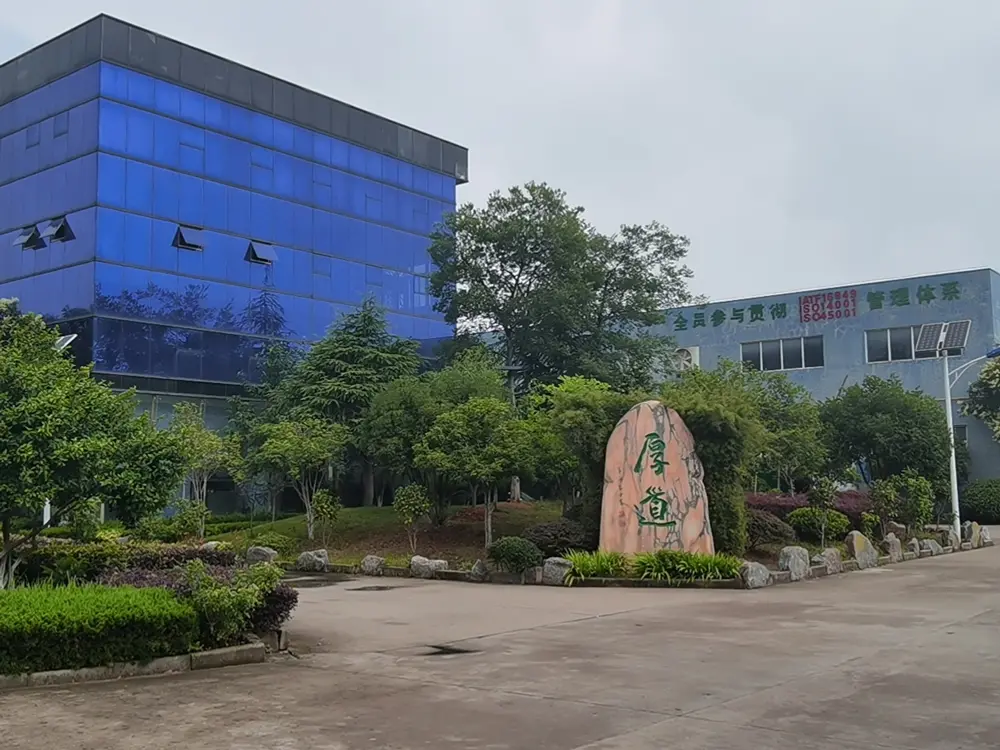
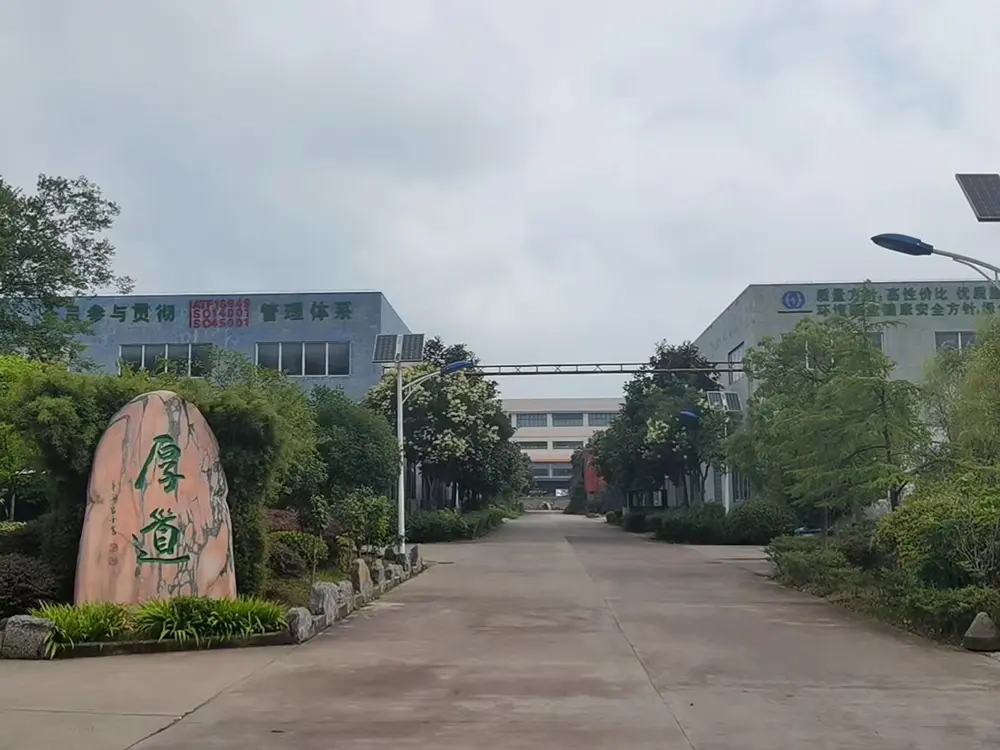
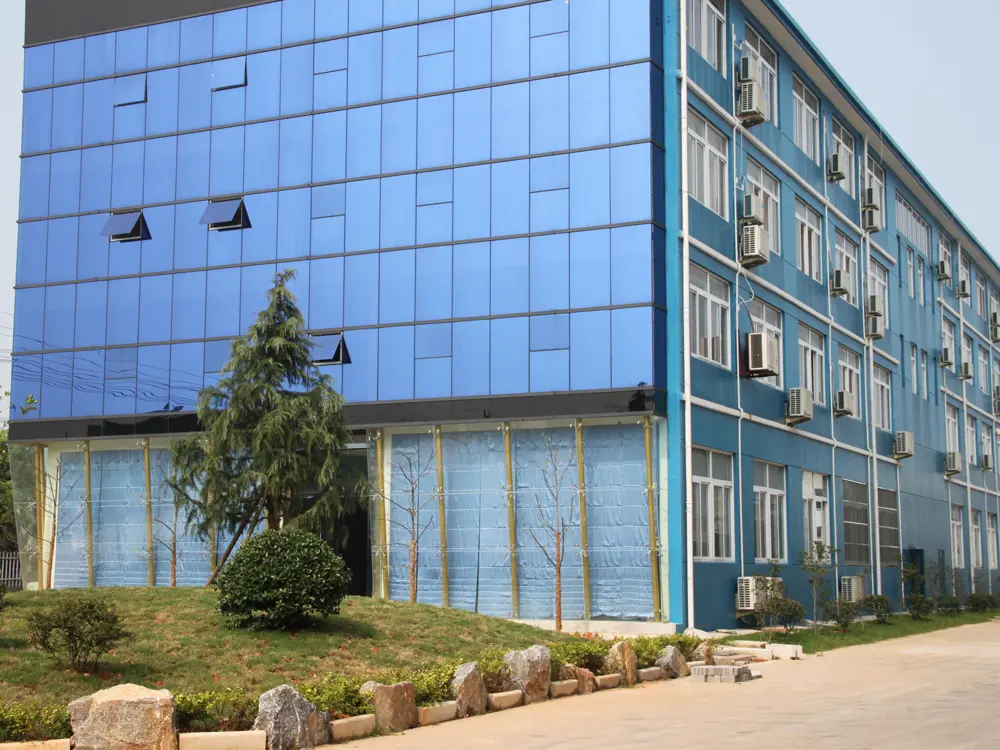
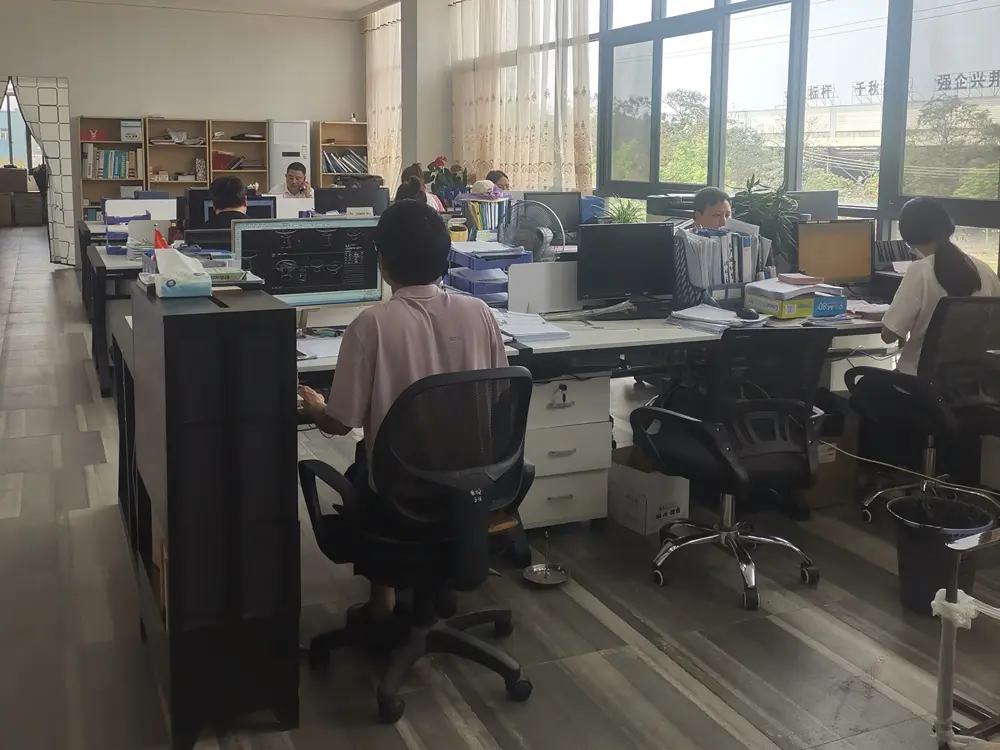
Guangzhou Vita Construction Machinery Co., Ltd. is one of the largest company that combines factory and foreign trade. The factory is located in Xiangyang City, Hubei Province, there are more than 18,000 square meters workshop with several advanced production machines, more than 278 well trained and skilled workers and around 8 experienced engineers assure the good product quality as well as fast and accurate delivery.
We specialize in producing, developing and selling the whole range of construction machinery parts. Such as engine assembly, hydraulic pump, final drive, electric generating set, engine bearing (Main bearings con Rod Bearing series), crankshafts, engine valves, gear pumps, cylinder, all kinds of filters, excavator bucket, undercarriage parts for excavator and bulldozer... which are used as replacement of many type of machines, the brand include Komatsu, Volvo, Sumitomo, Caterpillar, Kubota, Hitachi, John Deere, Kobelco, Hyundai, Kato, Sany, XCMG, SUNWARD, and other well-know brands.
In the fast-paced world of construction and railway maintenance, the reliability and efficiency of your machinery can make or break a project. We understand that high-quality parts are essential for optimal performance. So we aims to provide top-notch machinery parts to make customer's machinery running smoothly.
To improve our service, we set up engine maintenance development. In addition to providing customers with engine assemblies, we can also help customers solve various technical problems encountered in the operation and assembly of engines and hydraulic systems.
We have our own professional maintenance team and can even be invited by customers to arrange for maintenance technicians to go abroad to help customers repair engines and complex fuel transfer pump systems on-site.
State-of-the-art facilities ensuring precision manufacturing for all hydraulic and fuel transfer components.
Explore our full catalog of hydraulic and fuel transfer solutions optimized for railway maintenance and heavy construction.