 +86 18578756148
Leave Your Message
-
CONTACT NUMBER
-
 CONTACT NUMBER
 -
 CONTACT NUMBER
 -
 CONTACT NUMBER
-
 CONTACT NUMBER
In the complex ecosystem of modern transportation, railway networks serve as the vital arteries of global commerce and commuter transit. Maintaining these vast networks requires specialized, heavy-duty equipment known collectively as Railway Maintenance Machinery. At the beating heart of these colossal machines—whether they are ballast tampers, track laying machines, or rail grinders—lies the internal combustion engine. Within these engines, the Piston Ring plays an indispensable, yet often underappreciated, role.
A piston ring for railway maintenance machinery is not a standard automotive component. It is a highly engineered metallurgical marvel designed to withstand extreme thermodynamic stress, relentless mechanical friction, and prolonged operational hours in harsh, dust-filled environments. The primary functions of these rings include sealing the combustion chamber to prevent the loss of high-pressure gases, facilitating the transfer of heat from the piston to the cylinder wall, and regulating engine oil consumption by scraping excess oil from the cylinder surface. Given that railway maintenance often occurs in remote locations where equipment failure can lead to catastrophic delays and massive financial losses, the reliability of the piston ring directly dictates the operational uptime of the entire maintenance fleet.
The global market for railway maintenance machinery has witnessed exponential growth over the past decade, driven by rapid urbanization, the expansion of high-speed rail networks in Asia and Europe, and the urgent need to upgrade aging rail infrastructure in North America. Consequently, the demand for high-performance engine components, specifically piston rings, has surged.
Currently, the industry faces a unique set of commercial challenges and opportunities. Fleet operators are under immense pressure to reduce total cost of ownership (TCO) while adhering to increasingly stringent environmental emission standards (such as Tier 4 Final and Stage V regulations). This regulatory landscape mandates engines that burn fuel more efficiently and emit fewer pollutants. Piston rings are at the frontline of this battle; a microscopically imperfect seal can lead to blow-by gases, increased oil consumption, and higher particulate emissions. As a result, procurement managers in the railway maintenance sector are shifting away from commoditized, low-cost parts toward premium, OEM-equivalent or superior aftermarket components that guarantee longevity and compliance.
The manufacturing and design of piston rings for railway maintenance machinery are undergoing a technological renaissance. Traditional cast iron rings are rapidly being replaced by advanced steel alloys and ductile iron, treated with sophisticated surface coatings. We are witnessing the widespread adoption of Physical Vapor Deposition (PVD), Diamond-Like Carbon (DLC), and ceramic-chrome coatings. These advanced surface treatments drastically reduce the coefficient of friction, thereby enhancing fuel efficiency and extending the lifecycle of both the piston ring and the cylinder liner.
Furthermore, the integration of Artificial Intelligence (AI) and Machine Learning into the manufacturing and quality control processes is revolutionizing the industry. AI algorithms are now employed to simulate thermodynamic stresses on piston rings during the R&D phase, allowing engineers to optimize ring geometry—such as asymmetric barrel faces or specialized scraper profiles—before a physical prototype is even cast. In the production line, AI-powered computer vision systems inspect each piston ring at a microscopic level, ensuring that structural anomalies, coating inconsistencies, or dimensional deviations are detected with 100% accuracy. This convergence of AI and metallurgy guarantees that every piston ring deployed in railway maintenance machinery meets the exacting standards required for zero-downtime operations.
To truly understand the engineering demands placed on a piston ring within this sector, one must analyze the specific machinery in which they operate. The operational profiles of these machines subject their engines to unique load cycles, vibrations, and environmental hazards.
Ballast tampers are heavy-duty machines used to pack the track ballast under railway tracks to make the tracks more durable and level. The engines powering these machines undergo severe, rhythmic load fluctuations. As the tamping tines plunge into the crushed stone and vibrate, the engine must deliver sudden bursts of hydraulic power. This erratic load cycle causes rapid fluctuations in combustion chamber pressures and temperatures. Piston rings in tamping machines must possess exceptional fatigue resistance and thermal stability to maintain a perfect gas seal during these violent pressure spikes, preventing blow-by and ensuring consistent hydraulic output.
These rolling factories are capable of removing old rails and sleepers and laying new ones in a continuous process. They are massive, highly complex systems that operate at low speeds but require continuous, unwavering high torque from their primary power units for hours or even days at a time. The engines operate in a state of sustained high load. For piston rings, this means managing continuous high temperatures and ensuring optimal oil distribution to prevent cylinder scoring. The rings must be designed with superior heat-transfer capabilities to wick extreme heat away from the piston crown into the engine coolant system.
Rail grinders are employed to restore the profile of the rail head and remove microscopic cracks. The grinding process generates immense amounts of fine, abrasive metallic dust. Despite advanced air filtration systems, the engines operating in these environments are always at a higher risk of particulate ingestion. Piston rings used in rail grinders must feature ultra-hard, wear-resistant coatings (such as DLC or heavy chrome) to withstand the abrasive wear caused by any micro-particulates that manage to enter the combustion chamber. Furthermore, they must maintain excellent oil-scraping efficiency to flush away contaminants before they can cause catastrophic engine failure.
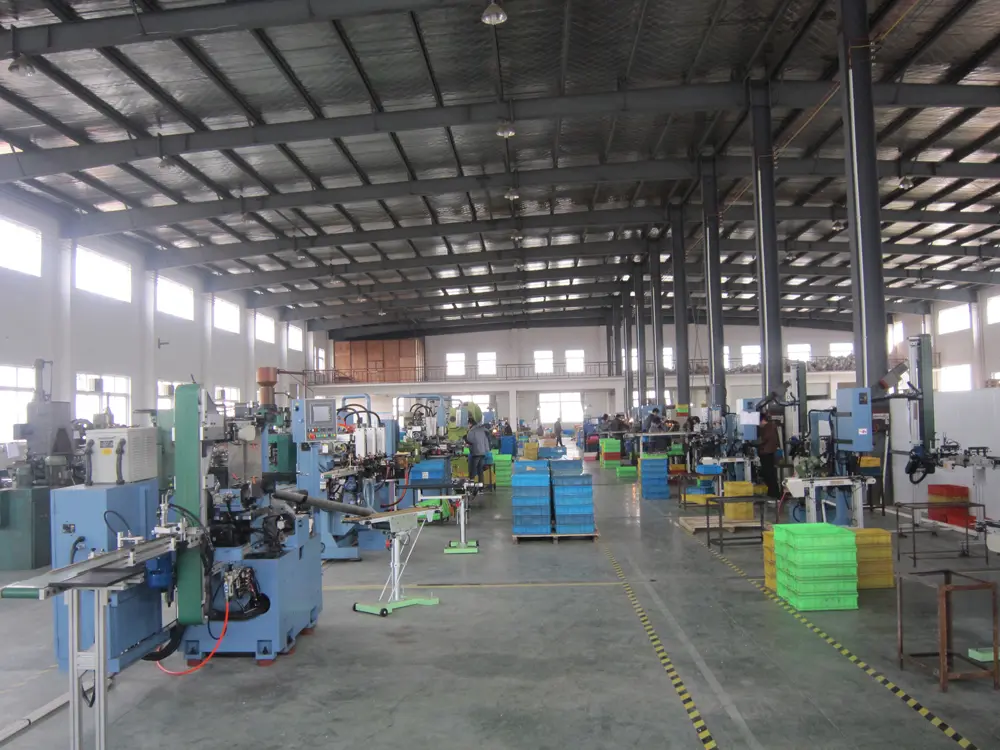
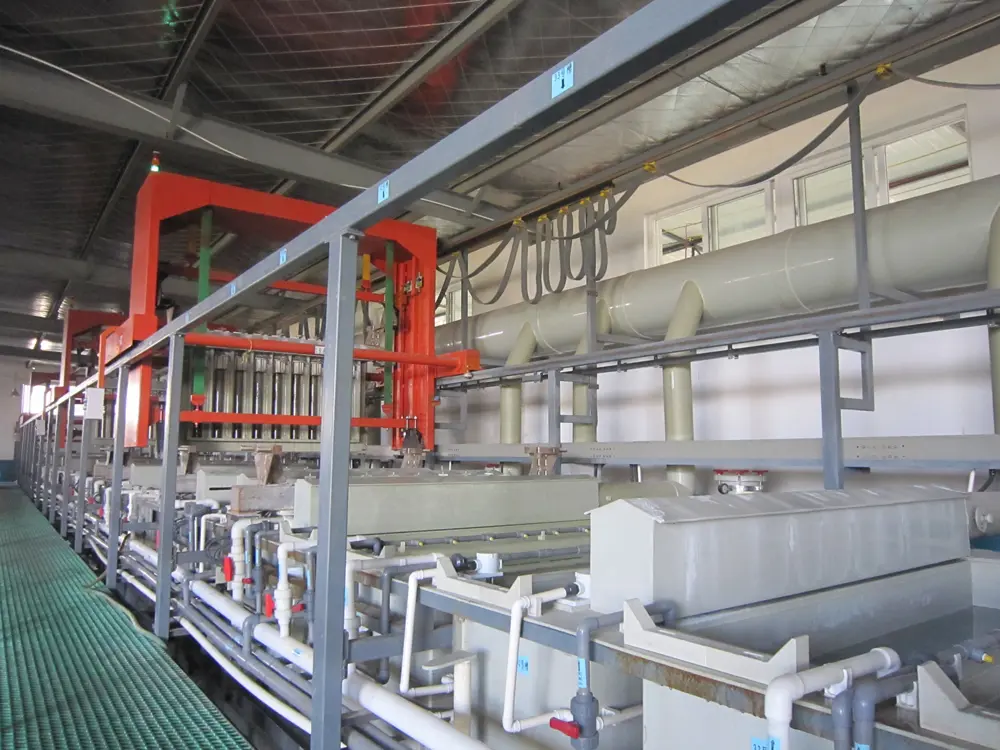
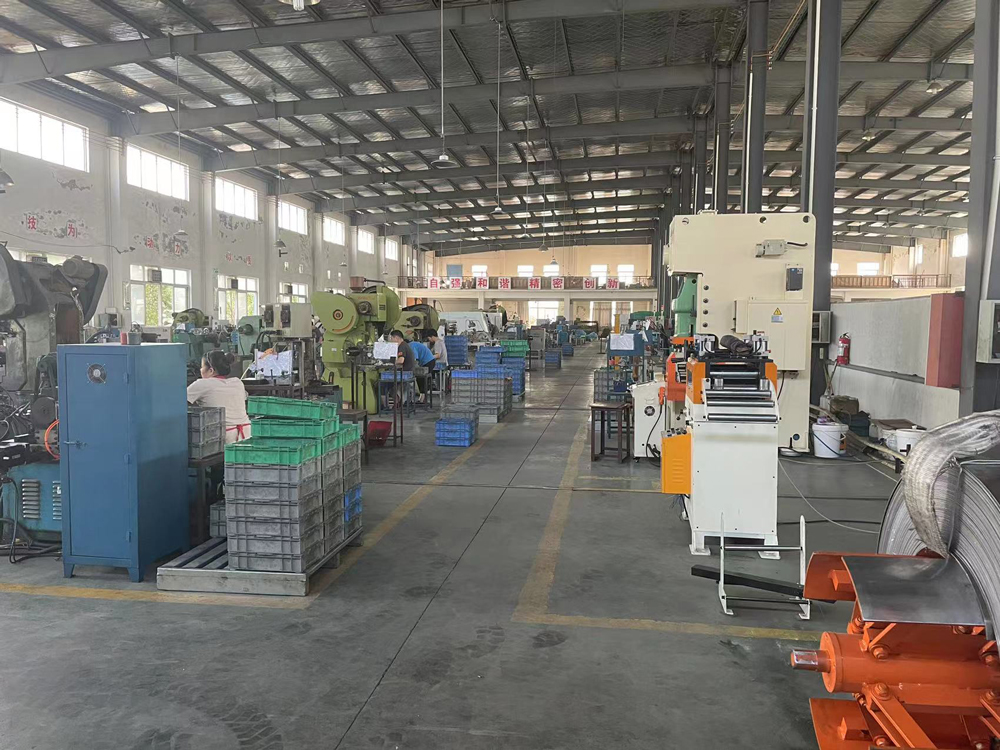
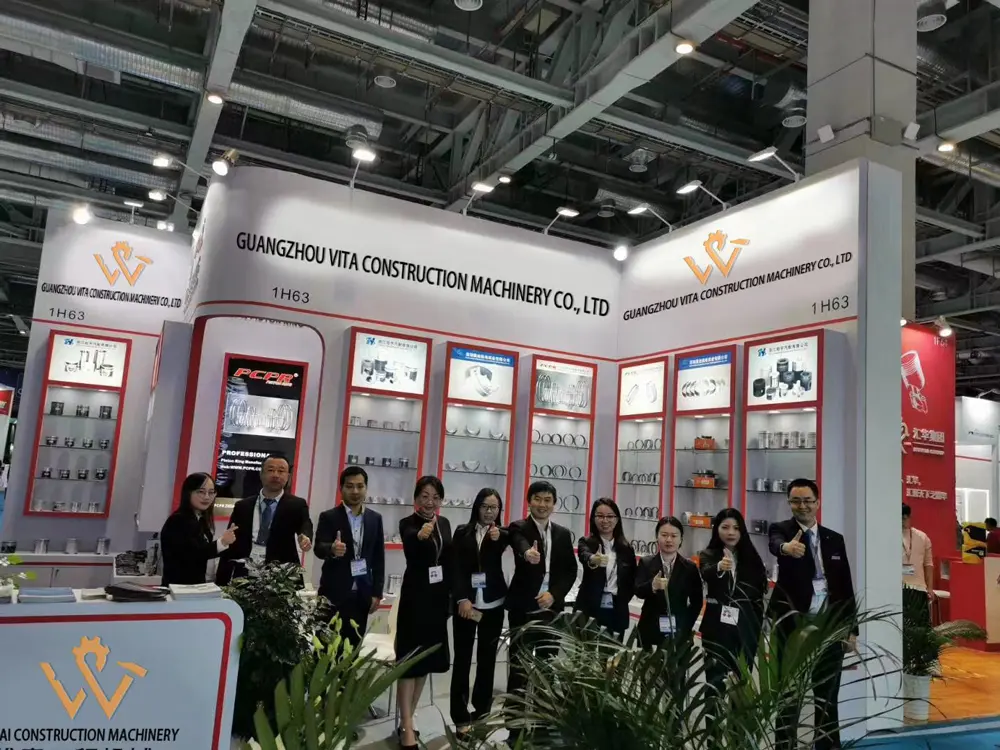
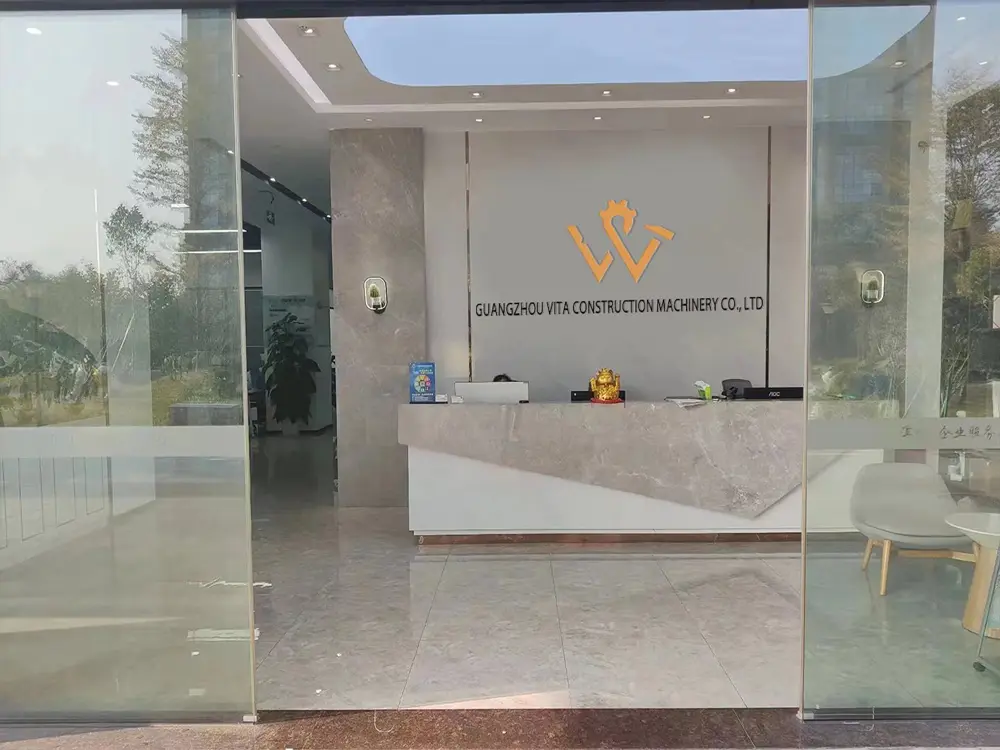
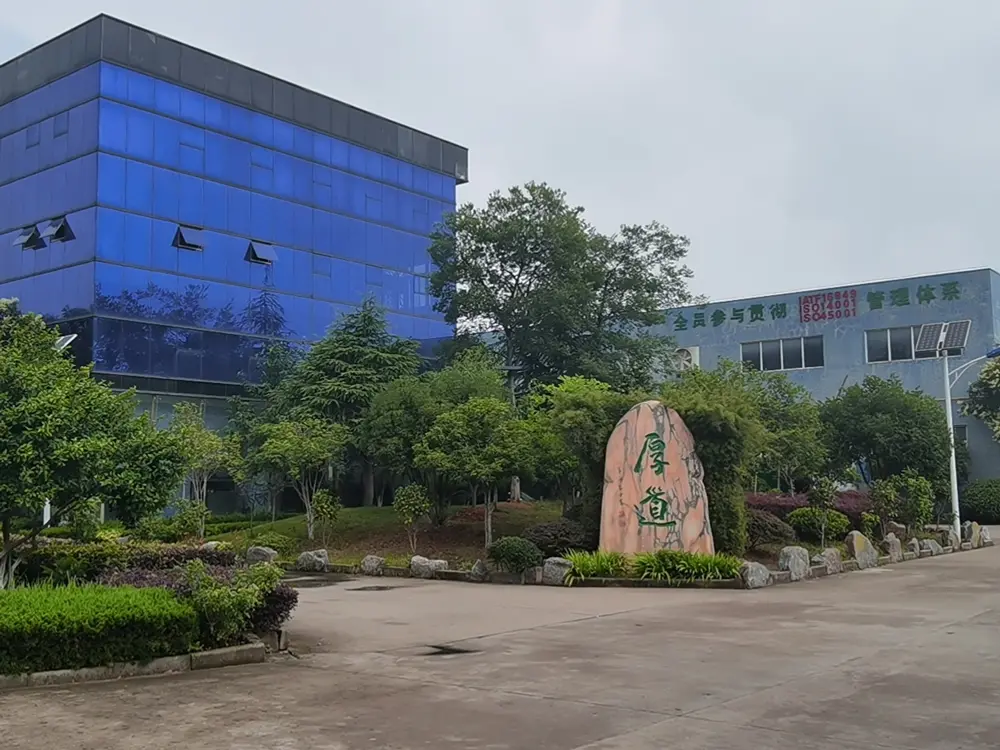
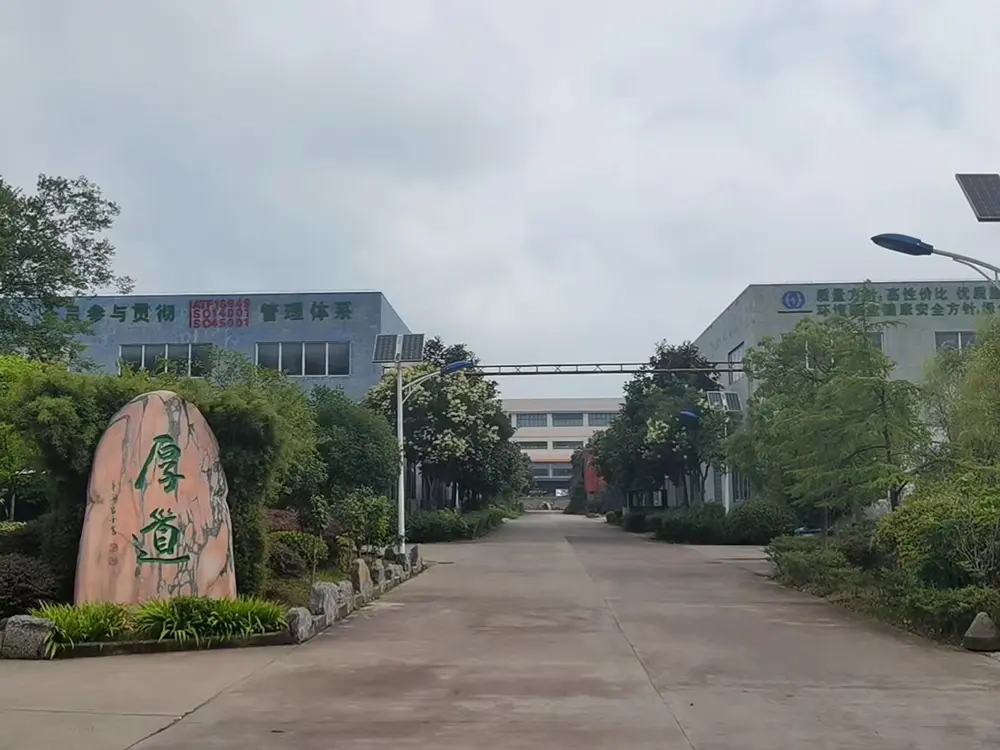
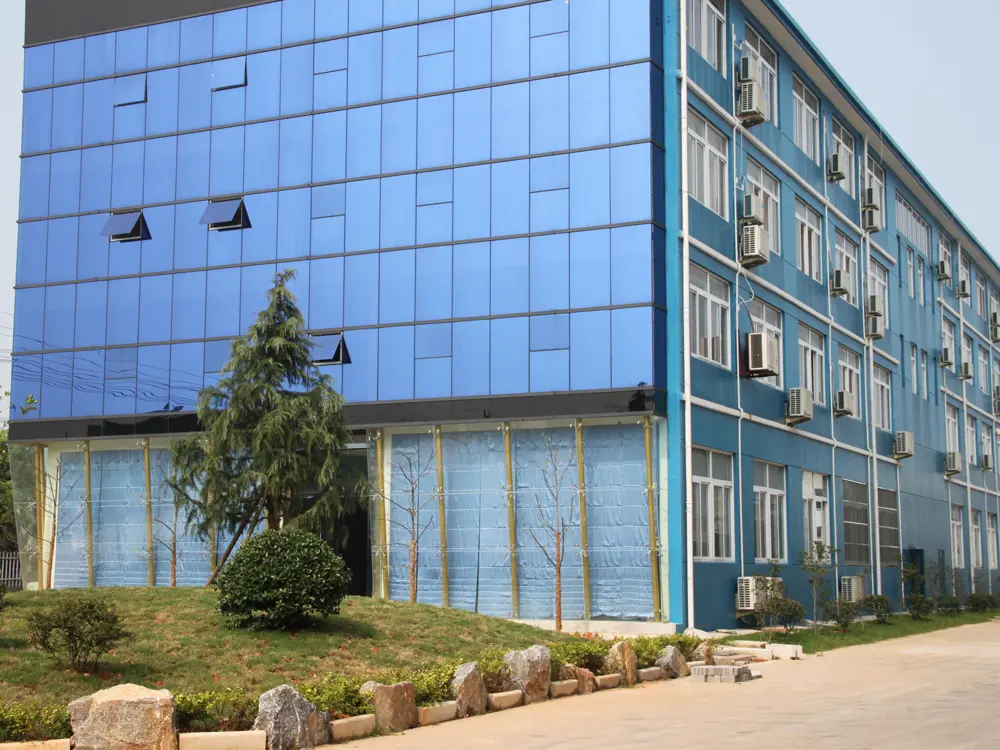
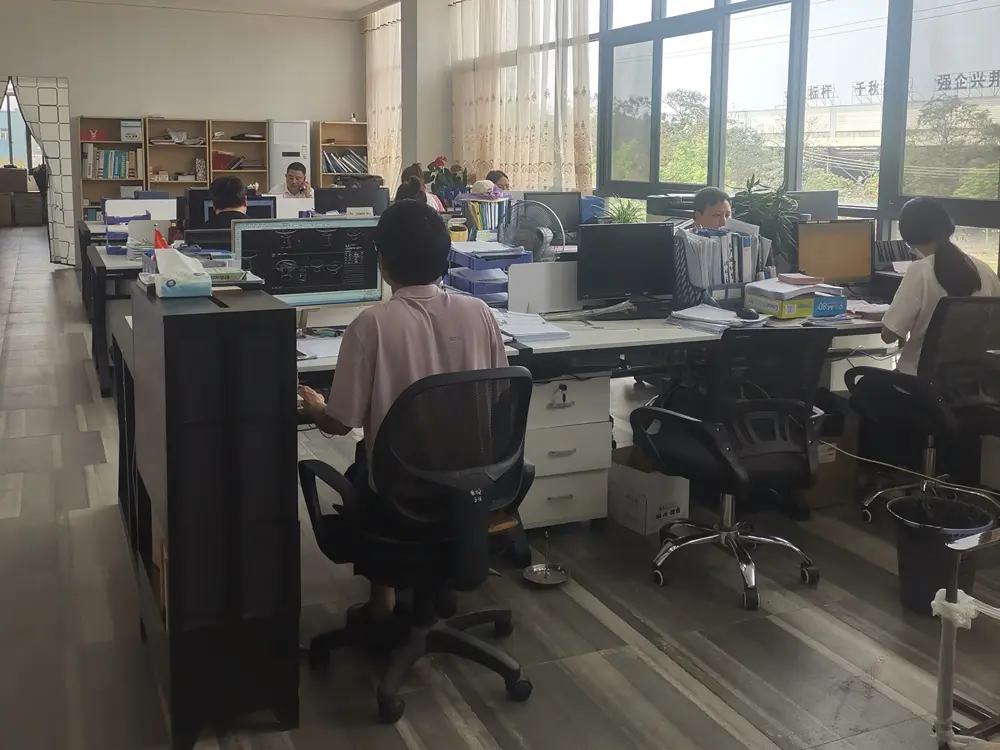
Guangzhou Vita Construction Machinery Co., Ltd. is one of the largest company that combines factory and foreign trade. The factory is located in Xiangyang City, Hubei Province, there are more than 18,000 square meters workshop with several advanced production machines, more than 278 well trained and skilled workers and around 8 experienced engineers assure the good product quality as well as fast and accurate delivery.
We specialize in producing, developing and selling the whole range of construction machinery parts. Such as engine assembly, hydraulic pump, final drive, electric generating set, engine bearing (Main bearings con Rod Bearing series), crankshafts, engine valves, gear pumps, cylinder, all kinds of filters, excavator bucket, undercarriage parts for excavator and bulldozer... which are used as replacement of many type of machines, the brand include Komatsu, Volvo, Sumitomo, Caterpillar, Kubota, Hitachi, John Deere, Kobelco, Hyundai, Kato, Sany, XCMG, SUNWARD, and other well-know brands. Our expertise inherently extends to providing robust engine components like piston rings for heavy-duty railway maintenance machinery, ensuring maximum operational efficiency across all industrial applications.
In the fast-paced world of construction and railway maintenance, the reliability and efficiency of your machinery can make or break a project. We understand that high-quality parts are essential for optimal performance. So we aims to provide top-notch construction machinery parts to make customer's machinery running smoothly.
To improve our service, we set up engine maintenance development, In addition to providing customers with engine assemblies, we can also help customers solve various technical problems encountered in the operation and assembly of engines.
We have our own professional maintenance team and can even be invited by customers to arrange for maintenance technicians to go abroad to help customers repair engines.
State-of-the-art manufacturing facilities ensuring precision engineering for every piston ring and engine component.