
 +86 18578756148





0102030405

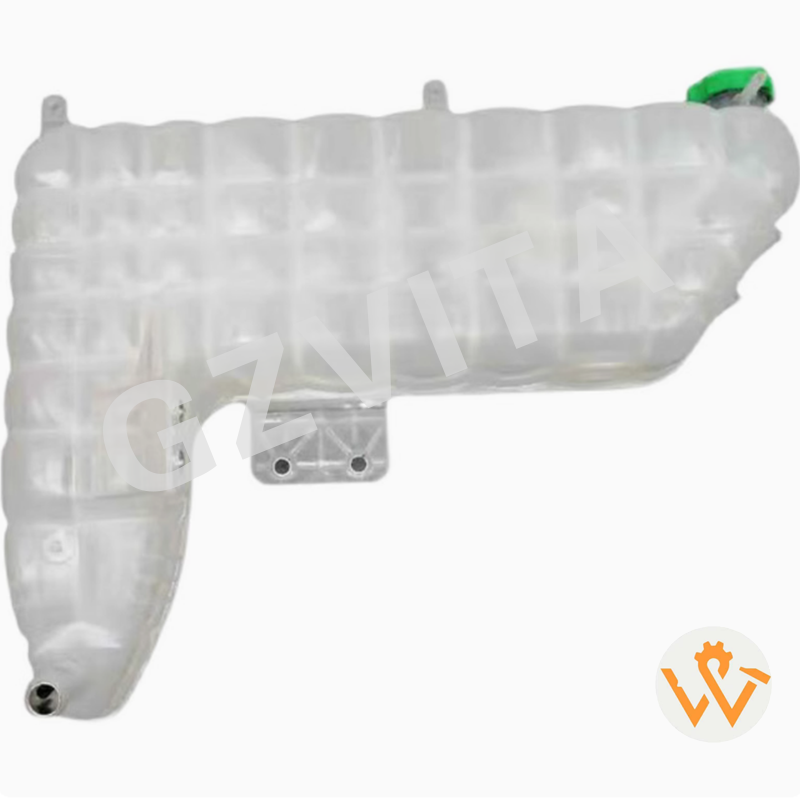
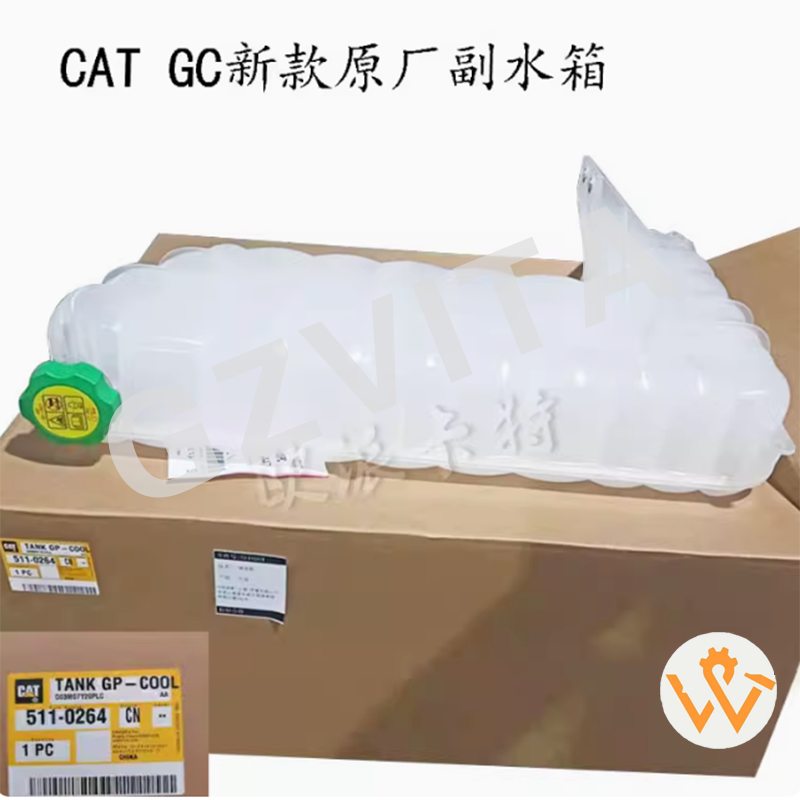
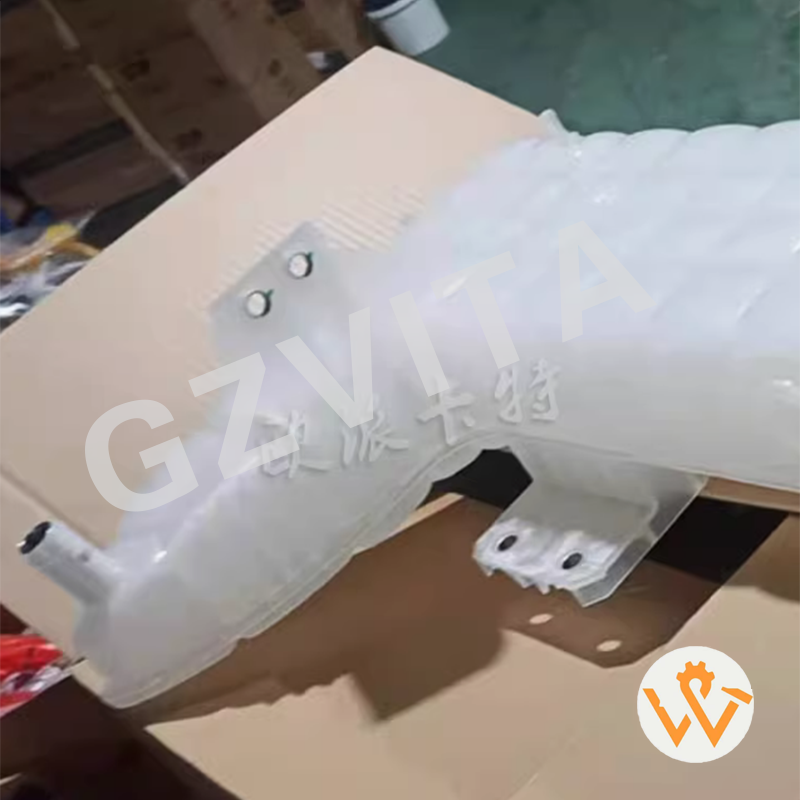
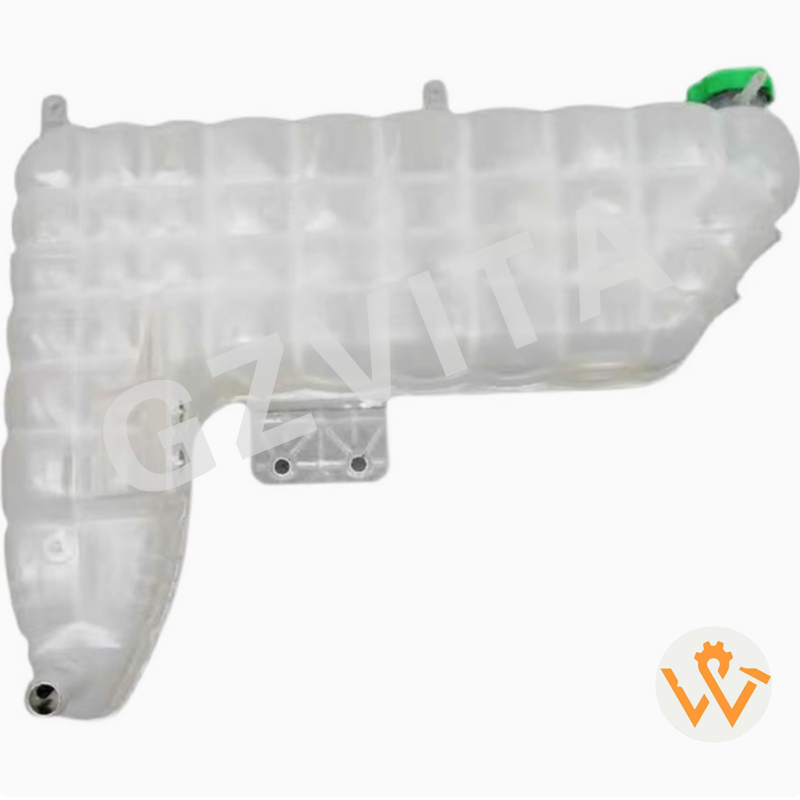
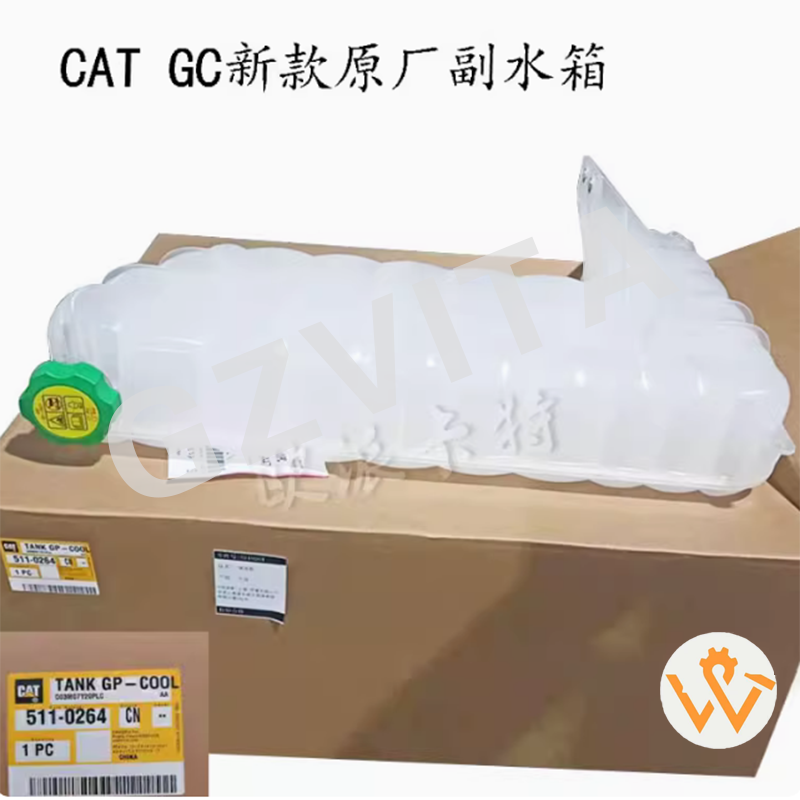
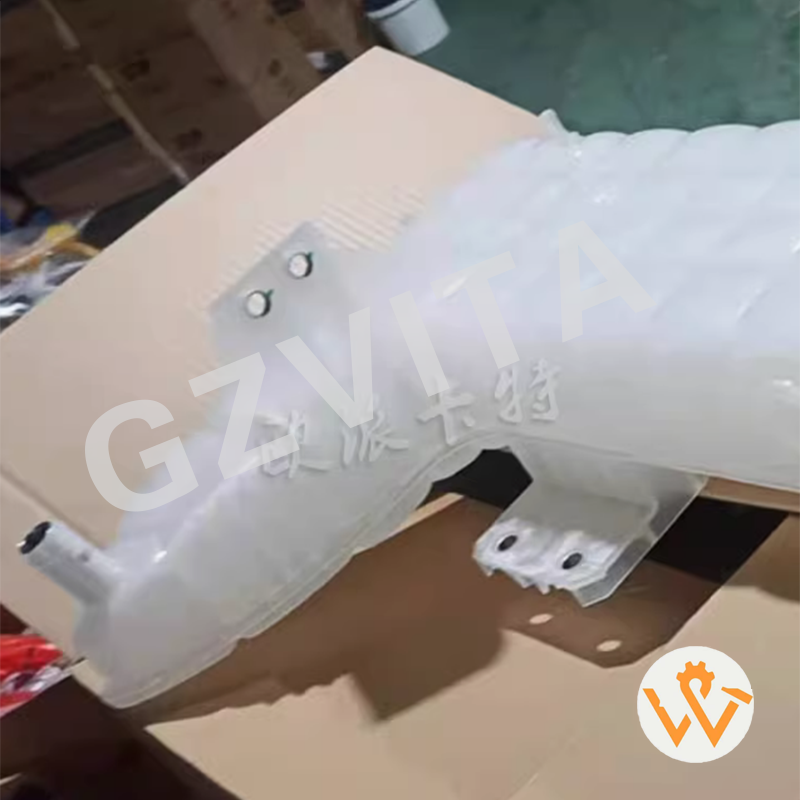
Construction Machinery Parts Water Tanks 554-9412 5110264 for Caterpillar Excavator E320 320GC 330 336E 349GC High Quality Parts
Introduction to 12 Teeth Steering Position Sensor
A 12 teeth steering position sensor is a critical component in modern agricultural machinery, including tractors. This sensor plays a vital role in monitoring and controlling the steering system, ensuring precise handling and maneuverability. Here’s an overview of its functions, importance, and applications:
1. Functionality
Position Detection: The 12 teeth steering position sensor detects the angular position of the steering wheel. It typically consists of a gear with 12 teeth that interacts with a sensing mechanism to provide accurate feedback on the steering angle.
Signal Transmission: As the steering wheel is turned, the sensor generates electrical signals corresponding to the position of the wheel. These signals are sent to the tractor’s control unit, which processes the information to adjust the steering response accordingly.
2. Importance
Precision Control: The sensor allows for precise control of the tractor’s steering, enabling operators to navigate tight spaces and perform intricate maneuvers with ease.
Enhanced Safety: By providing real-time feedback on steering position, the sensor helps prevent oversteering or understeering, contributing to safer operation, especially in challenging terrains.
Integration with Other Systems: The steering position sensor can be integrated with other systems, such as automated steering or GPS guidance systems, enhancing the overall functionality and efficiency of the tractor.
3. Applications
Agricultural Machinery: In tractors, the 12 teeth steering position sensor is used to improve handling and control, making it easier to operate various implements and attachments.
Autonomous Vehicles: In the context of autonomous or semi-autonomous tractors, this sensor is crucial for enabling accurate navigation and path-following capabilities.
Fleet Management: The data from the steering position sensor can be used in fleet management systems to monitor vehicle performance and operator behavior, leading to better maintenance and operational efficiency.
4. Maintenance and Considerations
Regular Inspection: Like any sensor, the 12 teeth steering position sensor should be regularly inspected for wear and tear, as well as for proper alignment and functionality.
Calibration: Ensuring that the sensor is properly calibrated is essential for accurate readings and optimal performance.