
 +86 18578756148





0102030405

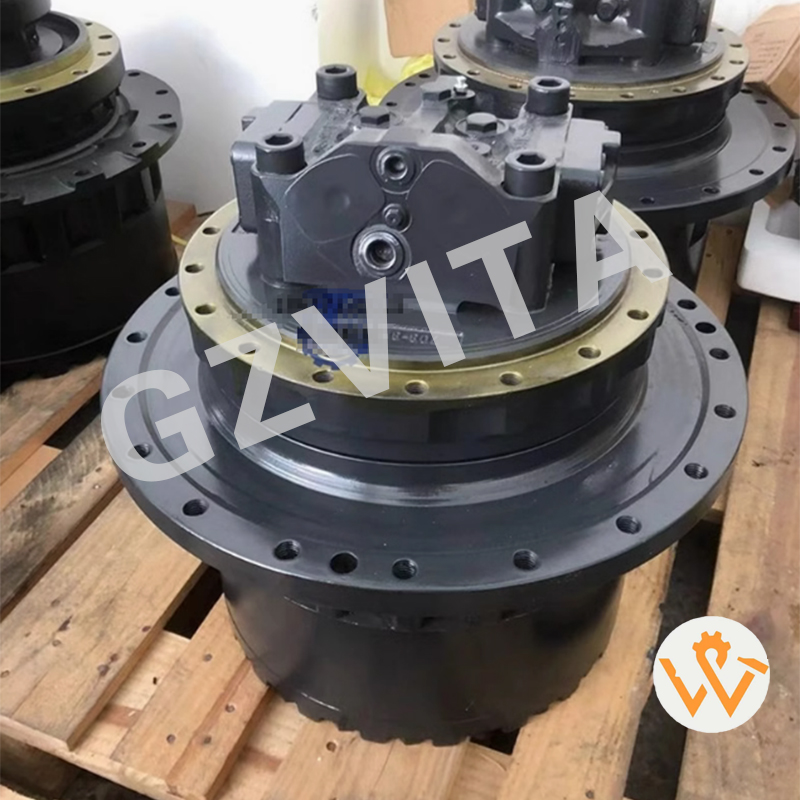
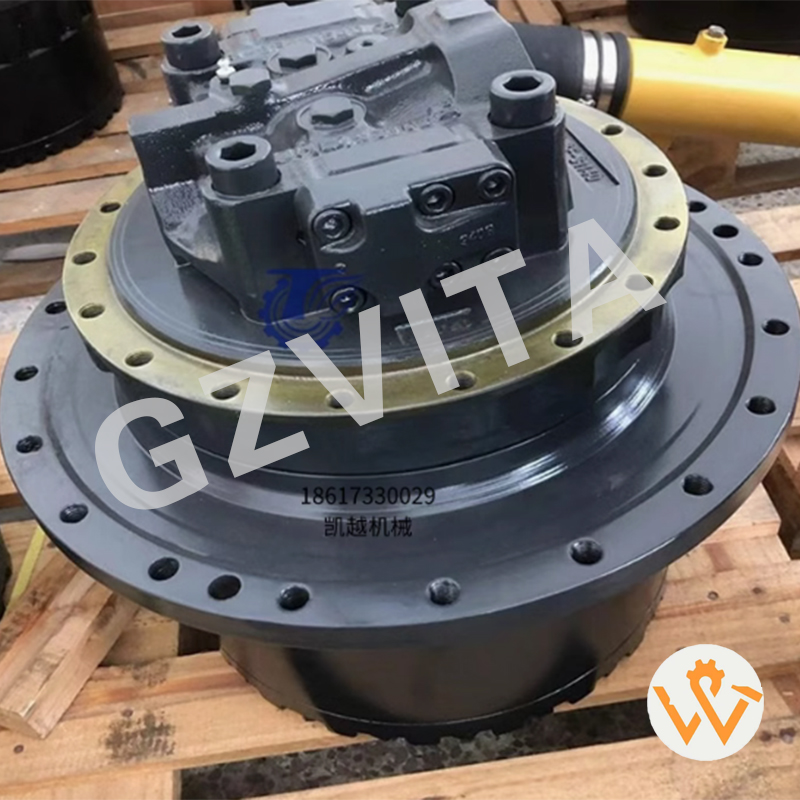
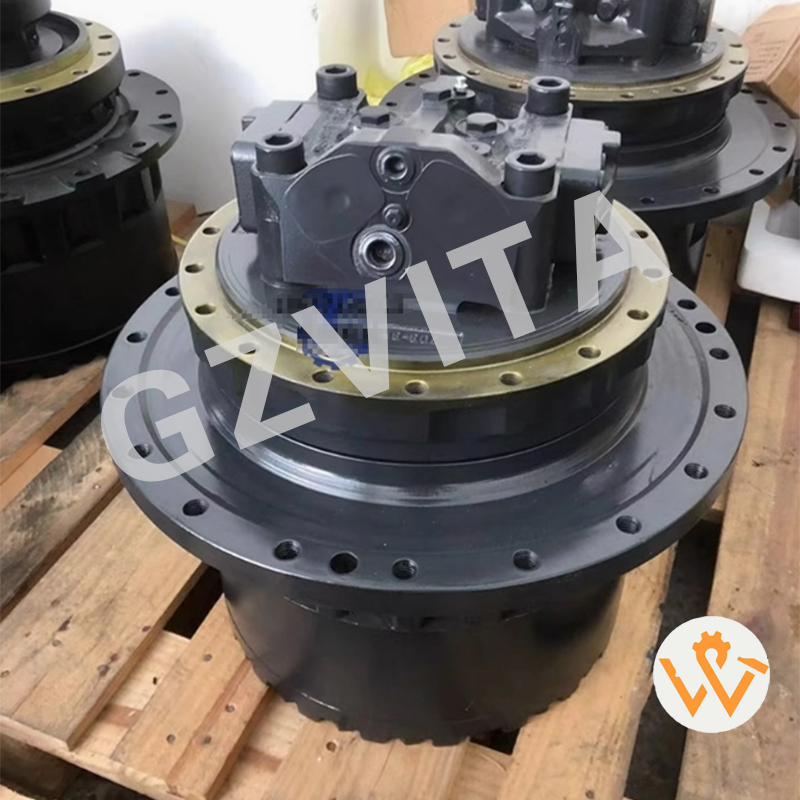
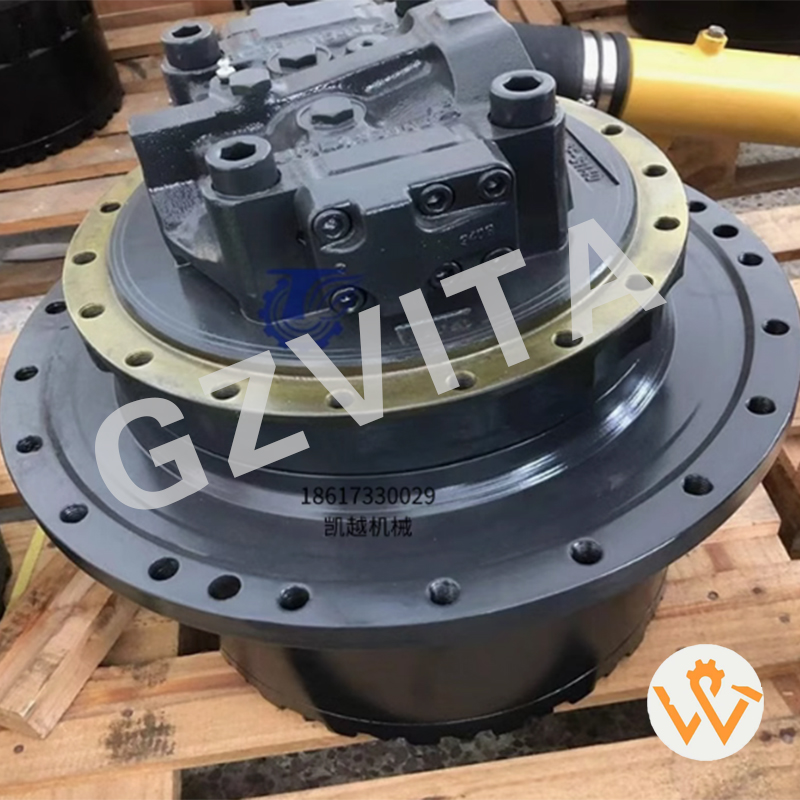
207-27-00440 207-27-00261 207-27-00560 207-27-00441 PC300LC-8 PC300LC-7 PC300-7 PC300-8 Final Drive Excavator Parts
The Effect of the Pressure Sensor on the Pressure Switch Block
The pressure sensor and pressure switch block are critical components in various systems, including those used in construction machinery, automotive applications, and industrial equipment. Understanding the interaction between these two components is essential for ensuring optimal performance and safety. Here’s an overview of how the pressure sensor affects the pressure switch block:
1. Functionality Overview
Pressure Sensor: A pressure sensor measures the pressure of a fluid (liquid or gas) within a system and converts this measurement into an electrical signal. This signal can be used for monitoring, control, and data logging.
Pressure Switch Block: A pressure switch block is designed to open or close an electrical circuit based on the pressure level detected. It typically has a setpoint at which it activates or deactivates, providing a control mechanism for various applications.
2. Impact of the Pressure Sensor on the Pressure Switch Block
Accurate Pressure Measurement: The pressure sensor provides real-time data on the system’s pressure. Accurate readings are crucial for the pressure switch block to function correctly. If the sensor is faulty or miscalibrated, it can lead to incorrect pressure readings, causing the switch to activate or deactivate at inappropriate times.
Response Time: The speed at which the pressure sensor can detect changes in pressure affects the responsiveness of the pressure switch block. A fast-responding sensor allows for quicker adjustments in the system, enhancing safety and efficiency.
Setpoint Adjustment: Some advanced pressure sensors allow for programmable setpoints. This feature can enable the pressure switch block to be adjusted dynamically based on operational conditions, improving system performance and adaptability.
Signal Conditioning: The pressure sensor may include signal conditioning features that filter noise and enhance the quality of the signal sent to the pressure switch block. A clean and stable signal ensures reliable operation of the switch.
Integration with Control Systems: In modern systems, pressure sensors are often integrated with control systems (like PLCs or SCADA). This integration allows for more sophisticated control strategies, where the pressure switch block can be part of a larger automated system that responds to various inputs, including pressure readings.
3. Potential Issues
Sensor Malfunction: If the pressure sensor fails, it can lead to incorrect pressure readings, causing the pressure switch block to operate erratically. This can result in system failures, safety hazards, or inefficient operation.
Calibration Drift: Over time, pressure sensors may experience calibration drift, leading to inaccurate readings. Regular maintenance and recalibration are essential to ensure the reliability of both the sensor and the switch block.
Environmental Factors: External factors such as temperature, humidity, and vibration can affect the performance of both the pressure sensor and the pressure switch block. Proper installation and protective measures can mitigate these effects.