
 +86 18578756148





0102030405

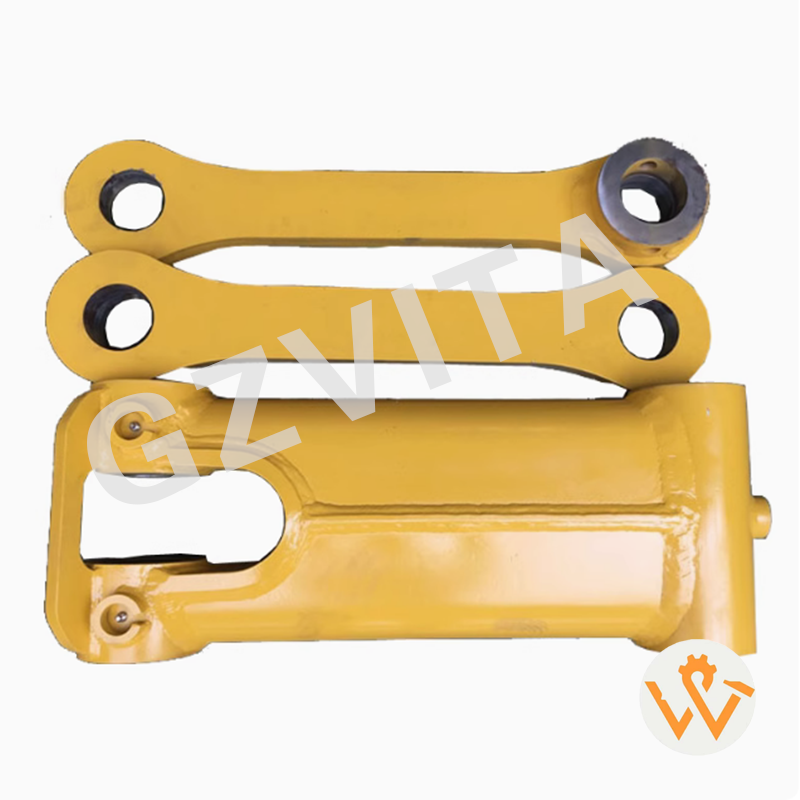
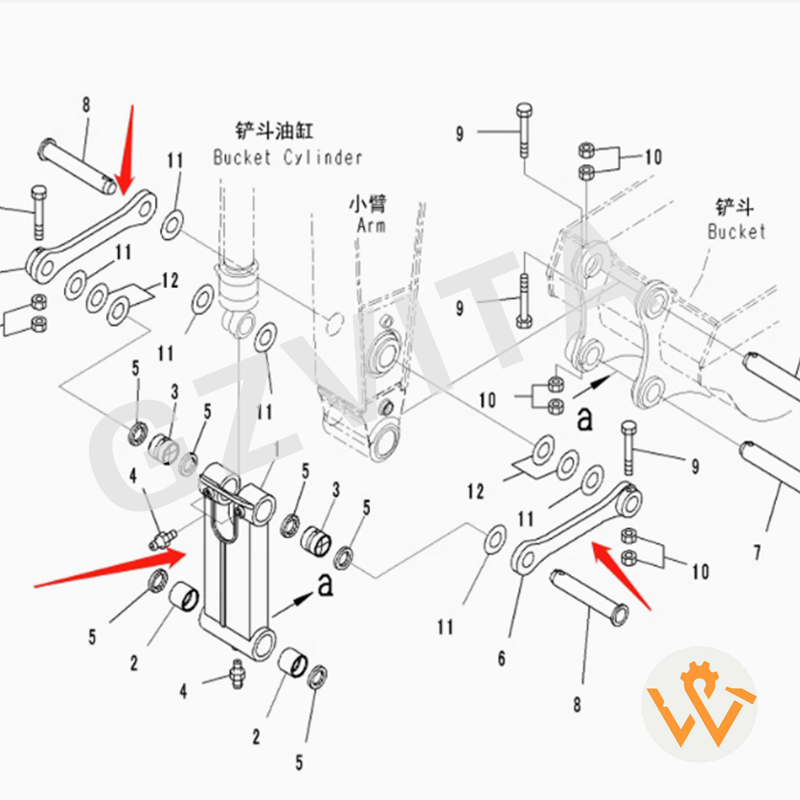
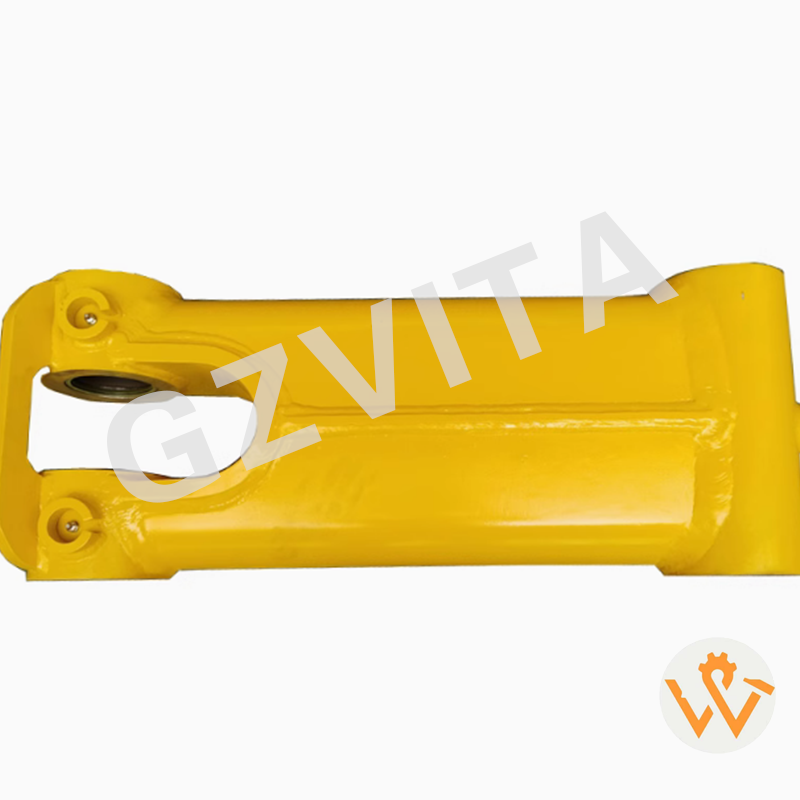
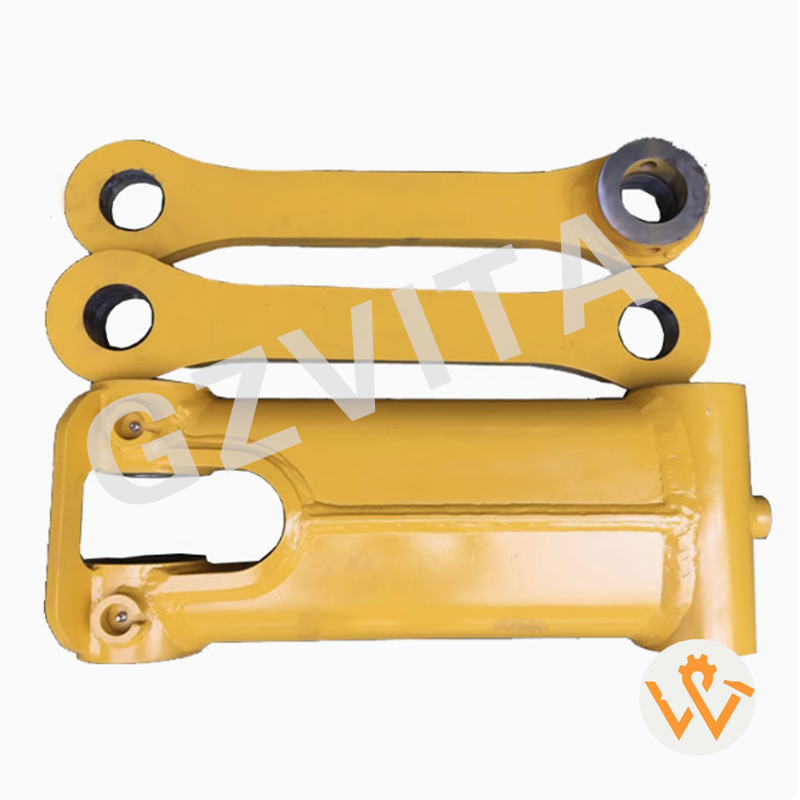
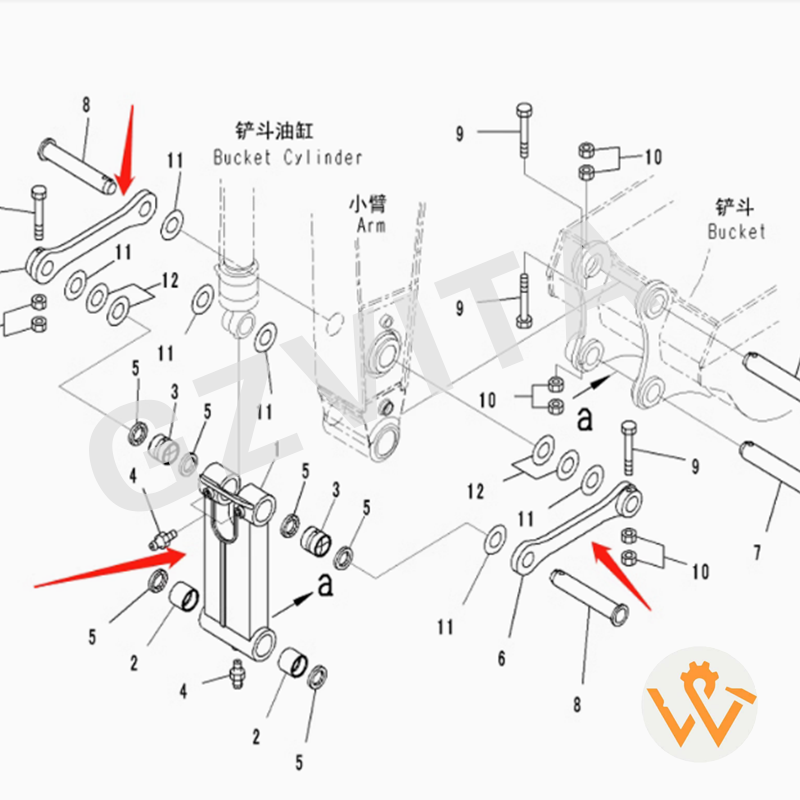
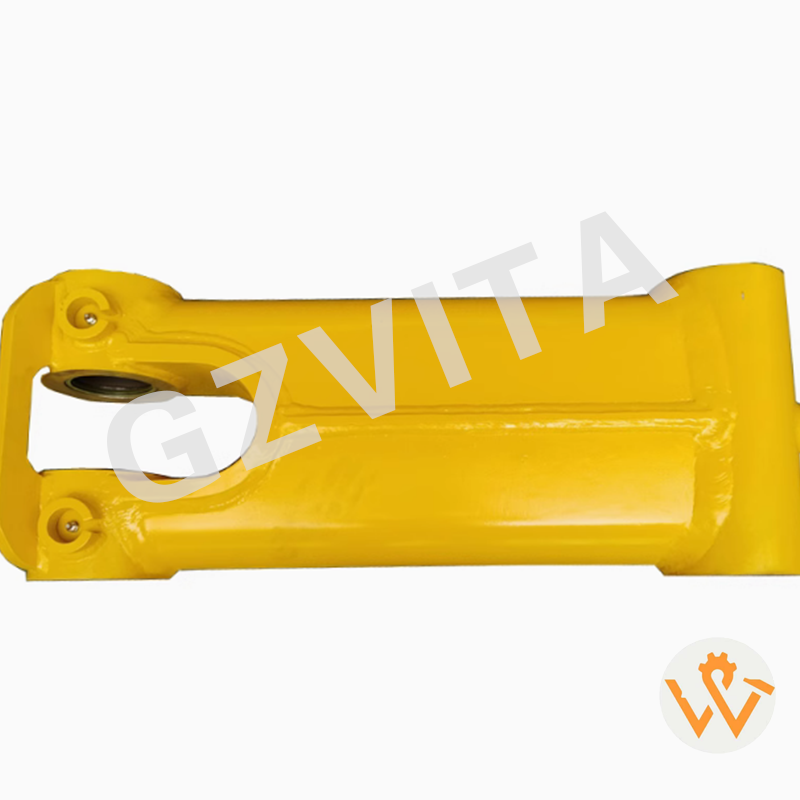
207-70-33120 Excavator Link for PC300-7 PC360-7 PC300-8 Construction Machinery Parts for PC Series 207-70-00470 Connecting Rod for Original Chain Link 207-70-33130
Introduction to Striker Door Lock for Excavator
The striker door lock is a critical component in the safety and security systems of excavators and other construction machinery. It plays a vital role in ensuring that the operator’s cabin is secure and that the doors function properly. Here’s an overview of the striker door lock, its functions, components, and importance in excavator operations.
1. Function of the Striker Door Lock
Security: The primary function of the striker door lock is to secure the operator’s cabin, preventing unauthorized access and protecting the equipment from theft or vandalism.
Safety: A properly functioning door lock ensures that the doors remain closed during operation, preventing accidents caused by doors swinging open while the machine is in use.
Ease of Use: The striker door lock allows for easy opening and closing of the doors, facilitating quick access for the operator when entering or exiting the cabin.
2. Components of the Striker Door Lock
Striker Plate: This is the metal plate mounted on the door frame that the lock engages with when the door is closed. It provides a solid point for the lock to secure the door.
Lock Mechanism: This includes the latch or bolt that engages with the striker plate to keep the door closed. It can be operated manually or electronically, depending on the design.
Handle: The handle allows the operator to easily open and close the door. It may be equipped with a locking mechanism for added security.
Mounting Hardware: Various screws, bolts, and brackets are used to secure the striker plate and lock mechanism to the door and frame.
3. Importance of the Striker Door Lock
Operator Safety: Ensuring that the doors are securely locked during operation is crucial for the safety of the operator. It prevents accidental openings that could lead to falls or injuries.
Equipment Protection: A secure cabin helps protect the machinery from theft, damage, and environmental factors, which can lead to costly repairs and downtime.
Compliance with Regulations: Many safety regulations require that construction machinery have secure cabins. A functioning striker door lock helps ensure compliance with these regulations.
Enhanced Resale Value: Well-maintained safety features, including door locks, can enhance the resale value of the excavator, as potential buyers often look for equipment that is secure and in good condition.