Leave Your Message
Products Categories
Featured Products

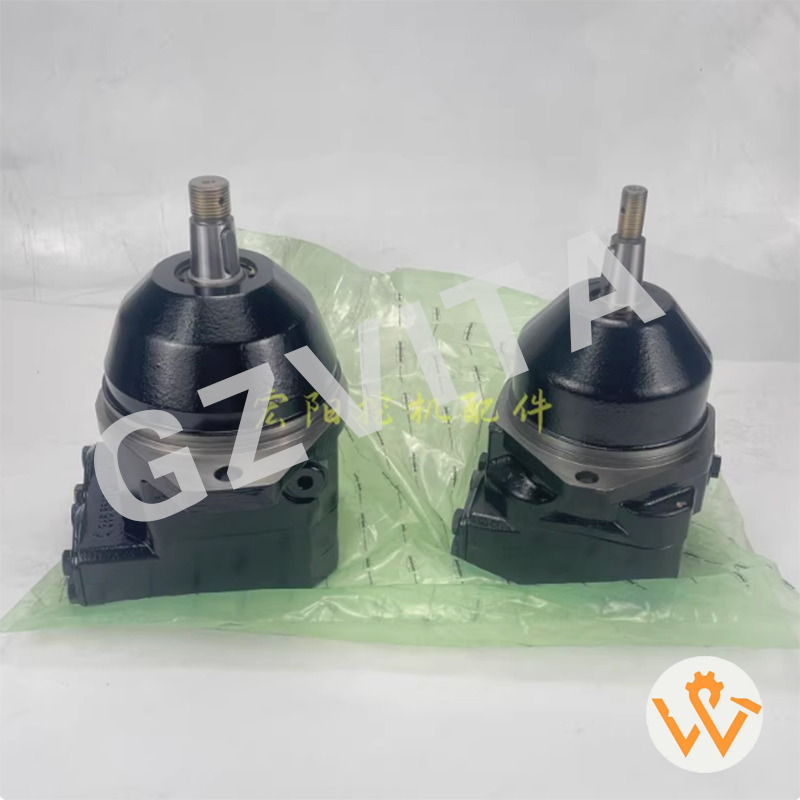
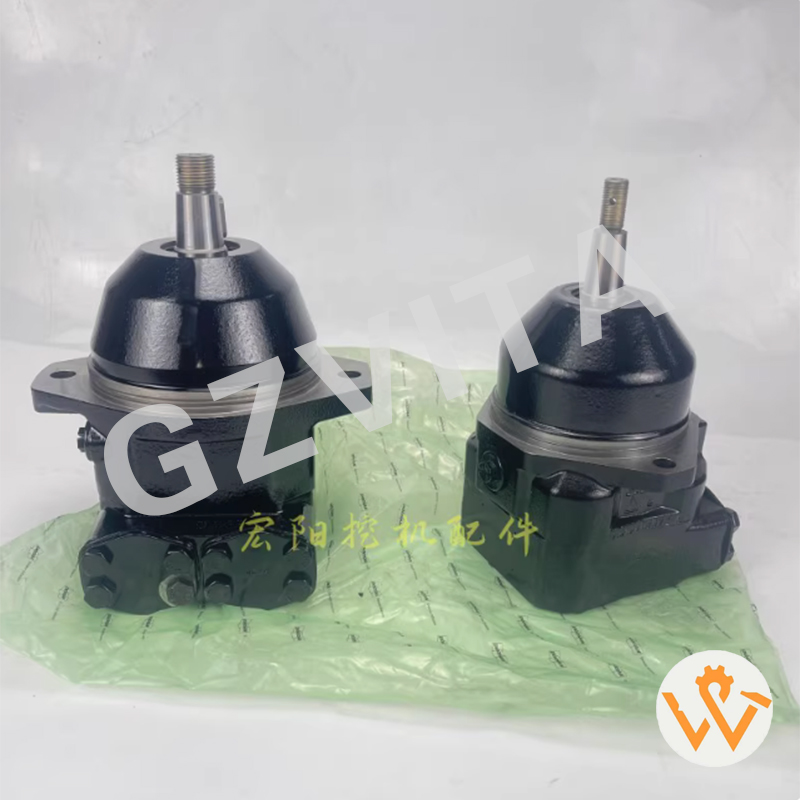
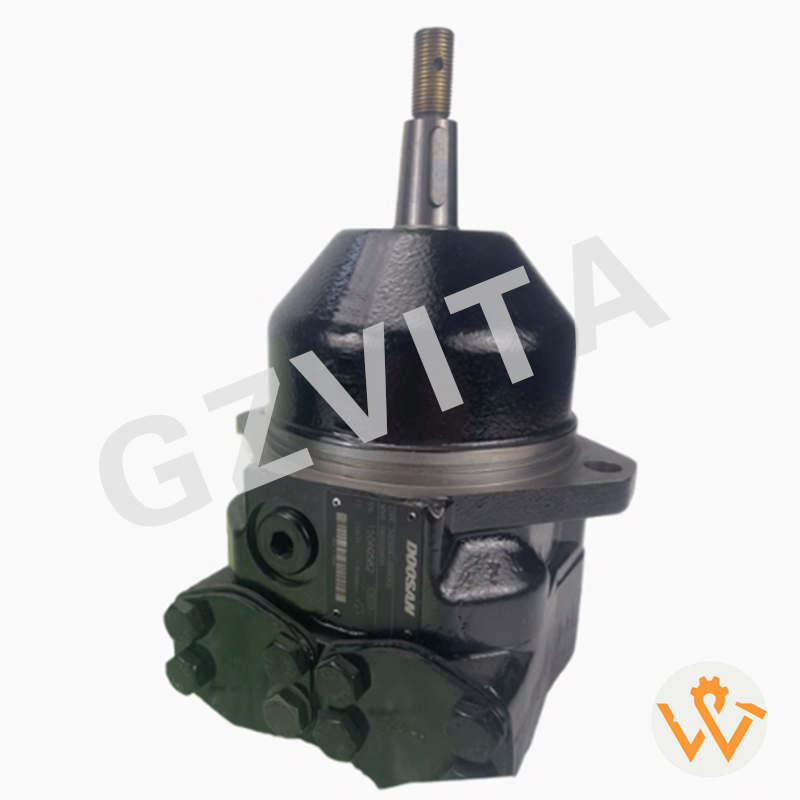
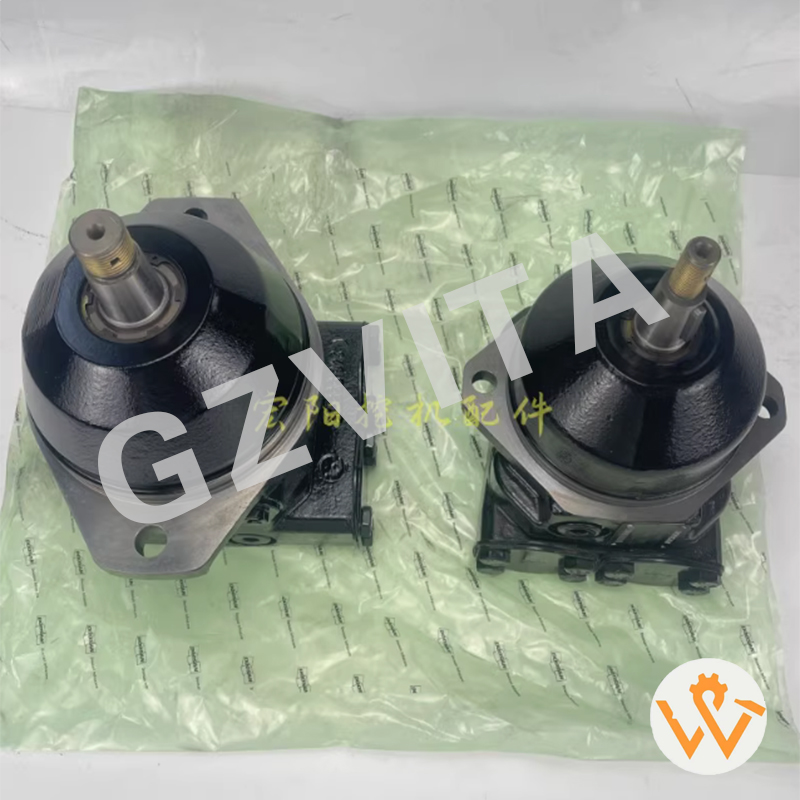
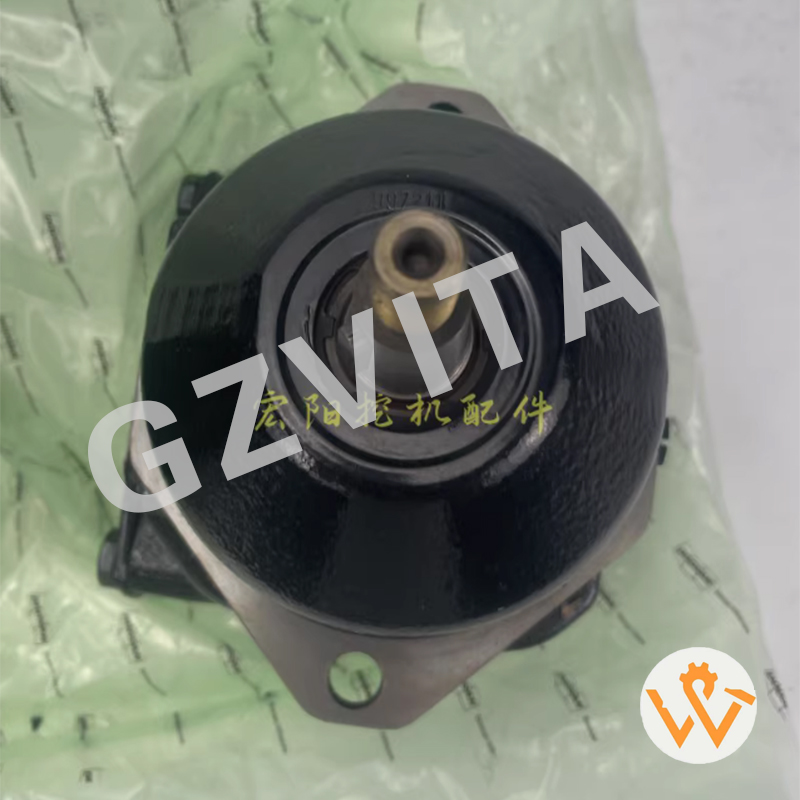
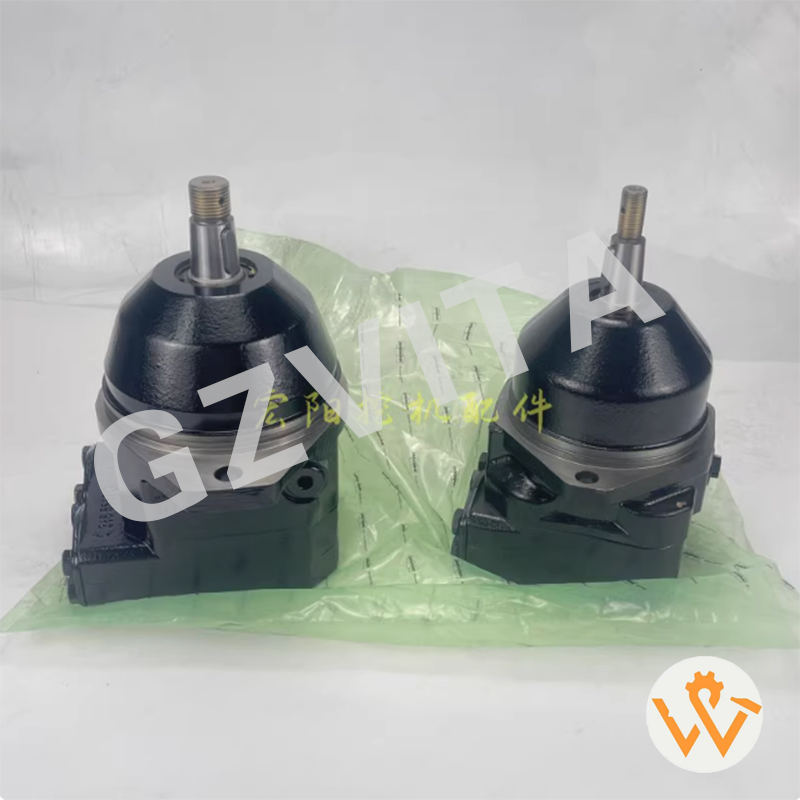
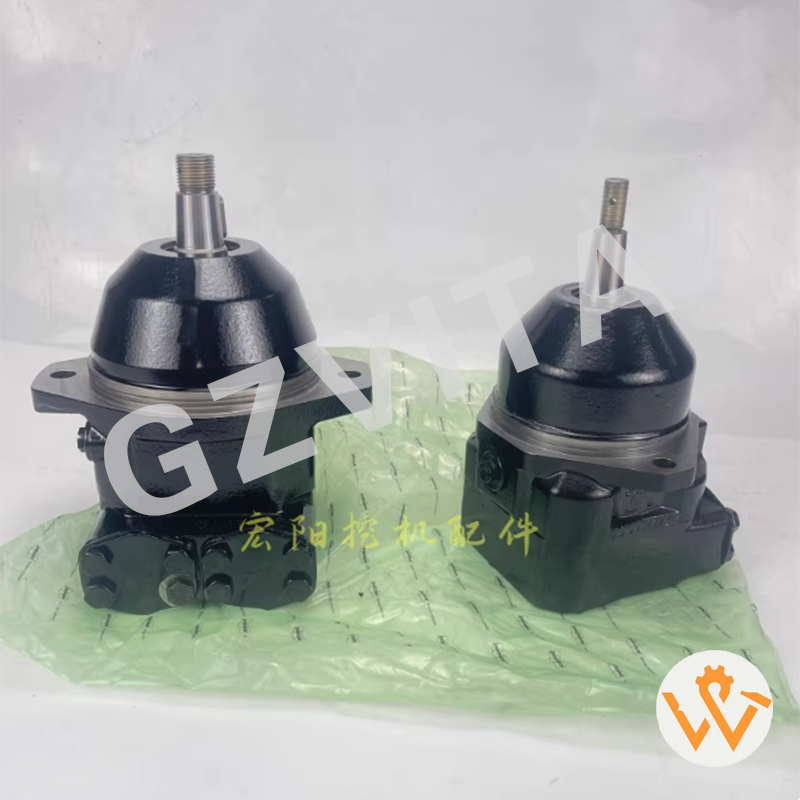
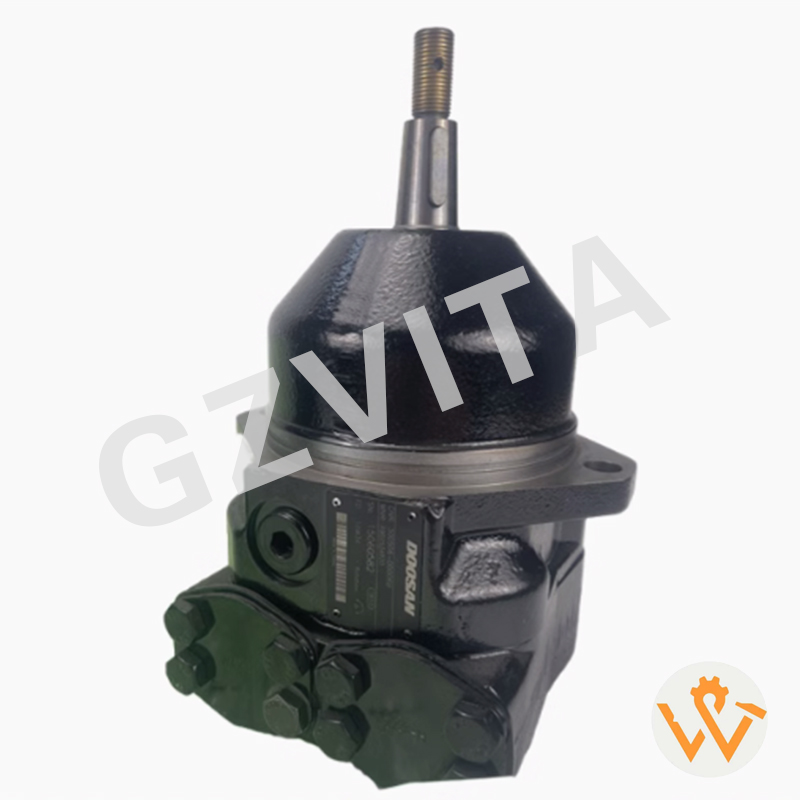
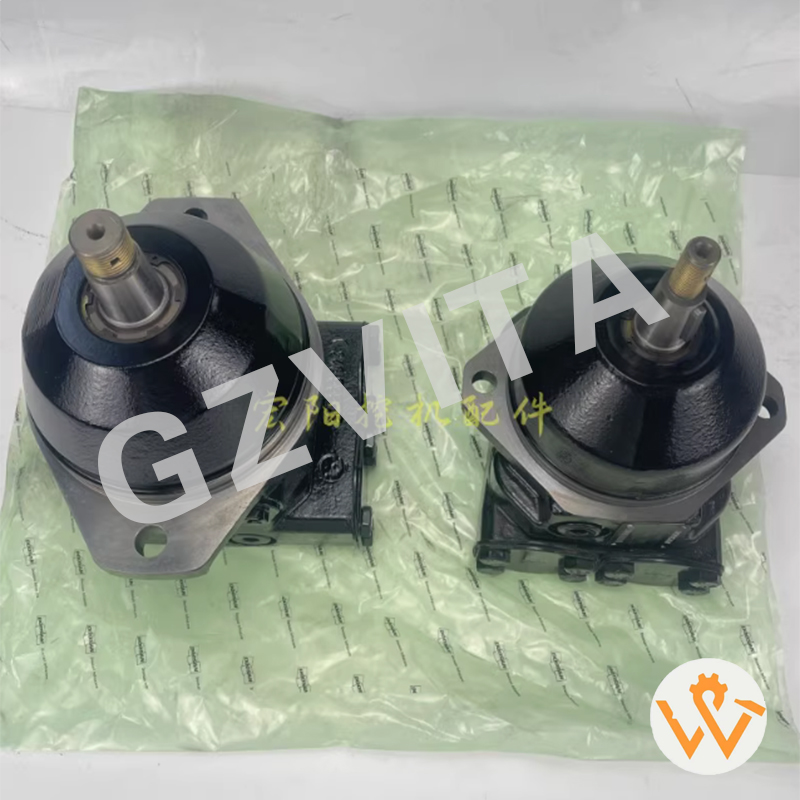
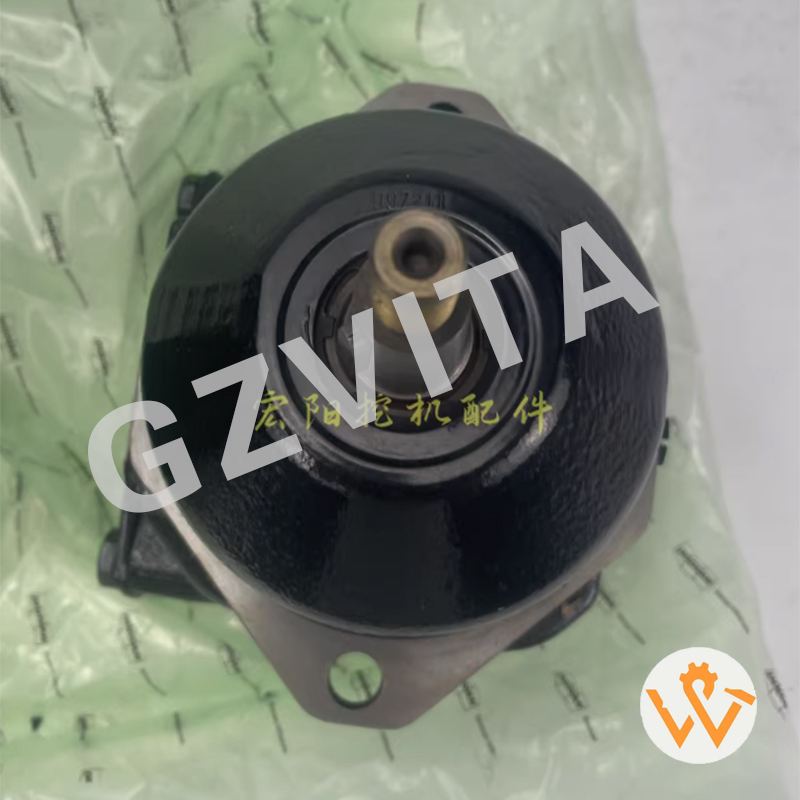
Excavator Accessories Suitable DX700 DX800 Fan Motor Dx800 Hydraulic Fan Motor 300506-00006B

Hydraulic fan drive power source – Provides hydraulic power specifically for cooling fan operation.

Cooling system pressure generation – Creates the necessary hydraulic pressure to drive the fan motor.

Variable fan speed control – Allows for infinitely variable fan speed based on cooling demand.

Independent cooling circuit operation – Operates separately from the main implement hydraulic circuits.

Temperature-responsive cooling – Adjusts fan speed according to coolant/hydraulic oil temperature.

Engine load reduction – Offloads fan drive duty from the mechanical engine fan, reducing parasitic power loss.

Fuel efficiency improvement – Consumes power only when cooling is needed, saving fuel.

Noise reduction – Allows for slower, quieter fan operation when full cooling is not required.

Radiator airflow management – Controls airflow through the radiator and charge air cooler.

Cab ventilation support – May also assist in providing airflow for cab air conditioning condenser.

Hydraulic oil cooling enhancement – Manages airflow over the hydraulic oil cooler.

Charge air cooling regulation – Controls cooling of turbocharged intake air via the charge air cooler.

Engine overheating prevention – Increases fan speed to maximum when coolant temperature is critically high.

Reverse fan function (if equipped) – Can reverse airflow to clear debris from coolers.

Pilot pressure supply – May provide pilot pressure for fan control valves.

On-demand cooling activation – Engages only when temperature thresholds are reached, unlike a constantly engaged mechanical fan.

Energy-efficient operation – Reduces overall system energy consumption compared to fixed-speed fans.

Multiple cooler airflow coordination – Simultaneously manages airflow for radiator, hydraulic oil cooler, and charge air cooler.

Electronic control interface – Typically controlled by the machine's ECU based on sensor inputs.

Proportional solenoid control – Uses a proportional solenoid to vary pump displacement and thus fan speed.

System pressure maintenance – Maintains a dedicated pressure supply for the fan circuit.

Fast response to temperature changes – Reacts quickly to sudden increases in engine or hydraulic load.

Fan speed soft start/stop – Gradually increases/decreases speed to reduce shock on the system.

Fail-safe cooling mode – Defaults to maximum cooling speed if a control system fault is detected.

Ambient temperature compensation – Adjusts operation based on outside air temperature.

Engine protection feature – A critical component in preventing engine and hydraulic system thermal damage.

Hydraulic circuit isolation – Prevents fan operation from interfering with implement hydraulic functions.

Reduced mechanical complexity – Eliminates belts, tensioners, and viscous clutches associated with mechanical fans.

Extended component life – By preventing overheating of the engine, transmission, and hydraulic components.

Overall machine performance optimization – Maintains optimal operating temperatures for maximum efficiency, power, and longevity of all major systems.

    Introduction to Striker Door Lock for Excavator

    The striker door lock is a critical component in the safety and security systems of excavators and other construction machinery. It plays a vital role in ensuring that the operator’s cabin is secure and that the doors function properly. Here’s an overview of the striker door lock, its functions, components, and importance in excavator operations.

    1. Function of the Striker Door Lock

    Security: The primary function of the striker door lock is to secure the operator’s cabin, preventing unauthorized access and protecting the equipment from theft or vandalism.

    Safety: A properly functioning door lock ensures that the doors remain closed during operation, preventing accidents caused by doors swinging open while the machine is in use.

    Ease of Use: The striker door lock allows for easy opening and closing of the doors, facilitating quick access for the operator when entering or exiting the cabin.

    2. Components of the Striker Door Lock

    Striker Plate: This is the metal plate mounted on the door frame that the lock engages with when the door is closed. It provides a solid point for the lock to secure the door.

    Lock Mechanism: This includes the latch or bolt that engages with the striker plate to keep the door closed. It can be operated manually or electronically, depending on the design.

    Handle: The handle allows the operator to easily open and close the door. It may be equipped with a locking mechanism for added security.

    Mounting Hardware: Various screws, bolts, and brackets are used to secure the striker plate and lock mechanism to the door and frame.

    3. Importance of the Striker Door Lock

    Operator Safety: Ensuring that the doors are securely locked during operation is crucial for the safety of the operator. It prevents accidental openings that could lead to falls or injuries.

    Equipment Protection: A secure cabin helps protect the machinery from theft, damage, and environmental factors, which can lead to costly repairs and downtime.

    Compliance with Regulations: Many safety regulations require that construction machinery have secure cabins. A functioning striker door lock helps ensure compliance with these regulations.

    Enhanced Resale Value: Well-maintained safety features, including door locks, can enhance the resale value of the excavator, as potential buyers often look for equipment that is secure and in good condition.

    Leave Your Message