
 +86 18578756148







0102030405

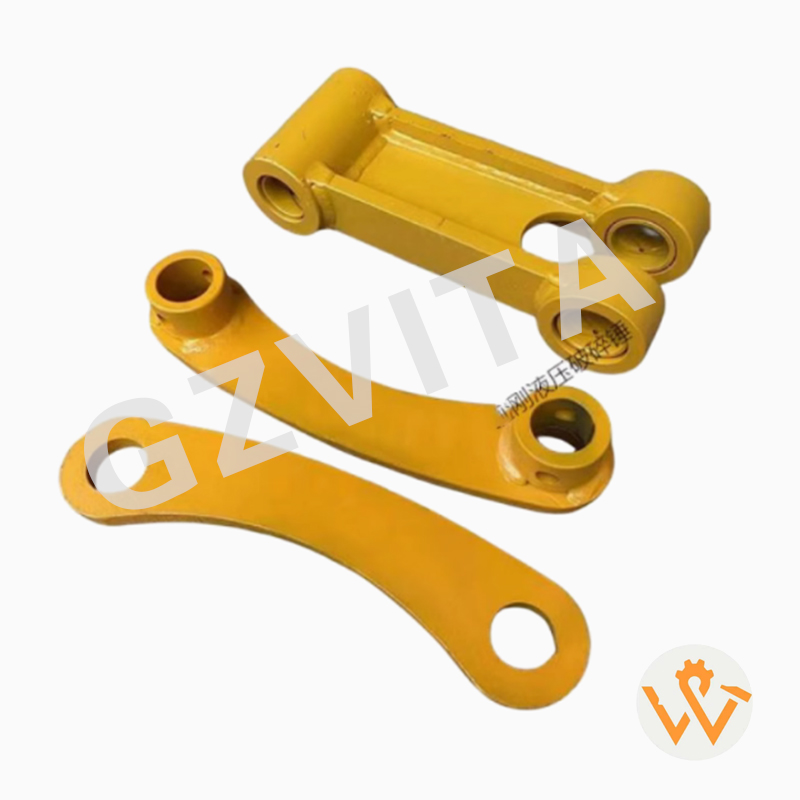
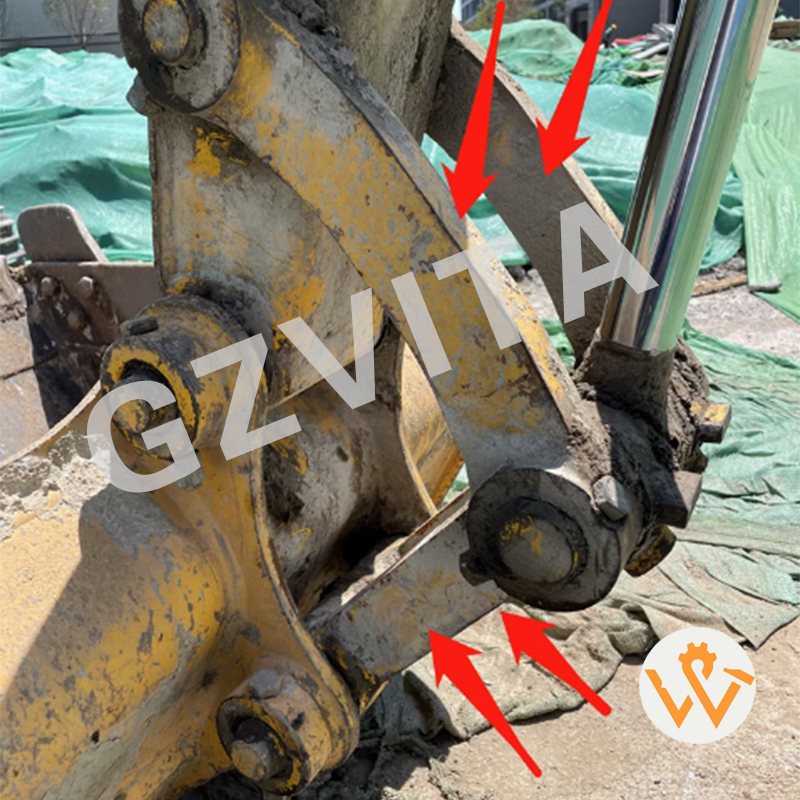
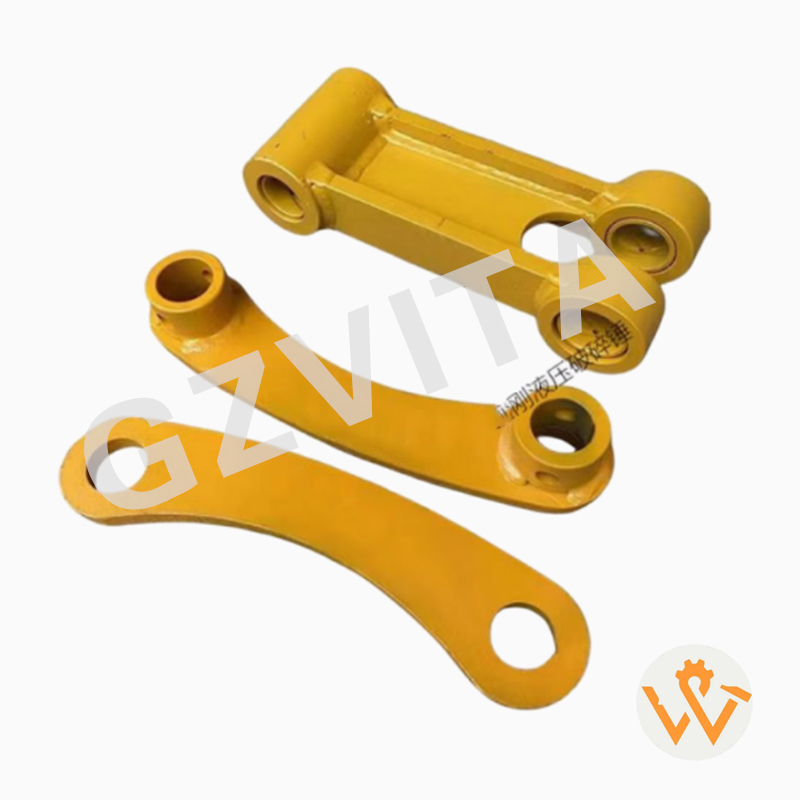
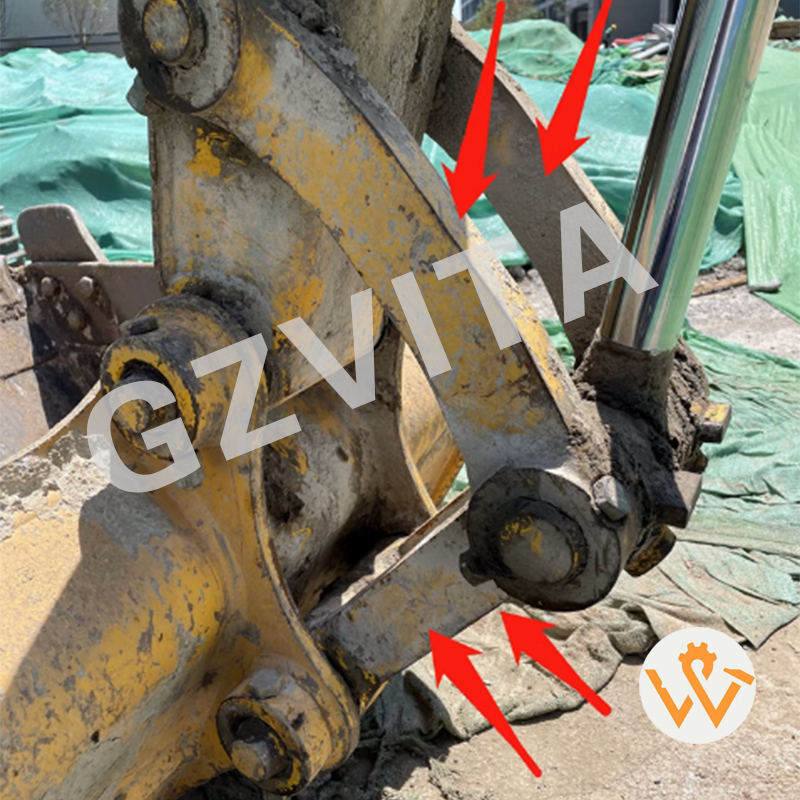
Top Quality Excavator Parts for Komatsu PC60 PC70 PC75 H-frame Connecting Rod Bucket H Link201-70-D4170 201-70-D4160
Introduction to Swivel Joint Assembly on an Excavator
A swivel joint assembly is a critical component in excavators, particularly in hydraulic systems. It allows for the transfer of hydraulic fluid between stationary and rotating parts of the machine, enabling smooth and efficient operation. Here’s an overview of the swivel joint assembly, its function, and its importance in excavator operations.
What is a Swivel Joint Assembly?
A swivel joint assembly consists of a series of interconnected components that allow for rotational movement while maintaining a fluid connection. It typically includes:
Swivel Joint: The main component that allows for rotation. It usually has a cylindrical shape and is designed to handle high pressures.
Seals: These prevent hydraulic fluid from leaking out of the joint and protect against contaminants entering the system.
Bearings: Some swivel joints may include bearings to facilitate smooth rotation and reduce friction.
Hydraulic Ports: These are openings through which hydraulic fluid enters and exits the joint.
Function of the Swivel Joint Assembly
Fluid Transfer: The primary function of the swivel joint is to transfer hydraulic fluid from the stationary part of the excavator (like the chassis) to the rotating parts (like the boom or arm) without causing leaks or interruptions in flow.
Rotational Movement: The swivel joint allows for the necessary rotational movement of the excavator’s components, enabling the machine to perform various tasks, such as digging, lifting, and swinging.
Flexibility: It provides flexibility in movement, allowing the excavator to operate in tight spaces and perform complex maneuvers.
Importance of the Swivel Joint Assembly
Operational Efficiency: A well-functioning swivel joint assembly is crucial for the overall efficiency of the excavator. It ensures that hydraulic power is effectively transmitted to the working components, allowing for smooth operation.
Durability and Reliability: High-quality swivel joints are designed to withstand the harsh conditions of construction sites, including exposure to dirt, debris, and extreme temperatures. This durability is essential for minimizing downtime and maintenance costs.
Safety: Properly functioning swivel joints help prevent hydraulic leaks, which can pose safety hazards to operators and other personnel on the job site.
Maintenance Considerations
To ensure the longevity and reliability of the swivel joint assembly, regular maintenance is essential. This may include:
Inspection: Regularly checking for signs of wear, leaks, or damage.
Lubrication: Ensuring that seals and bearings are adequately lubricated to reduce friction and wear.
Replacement: Timely replacement of worn or damaged components to prevent failure during operation.