
 +86 18578756148








0102030405

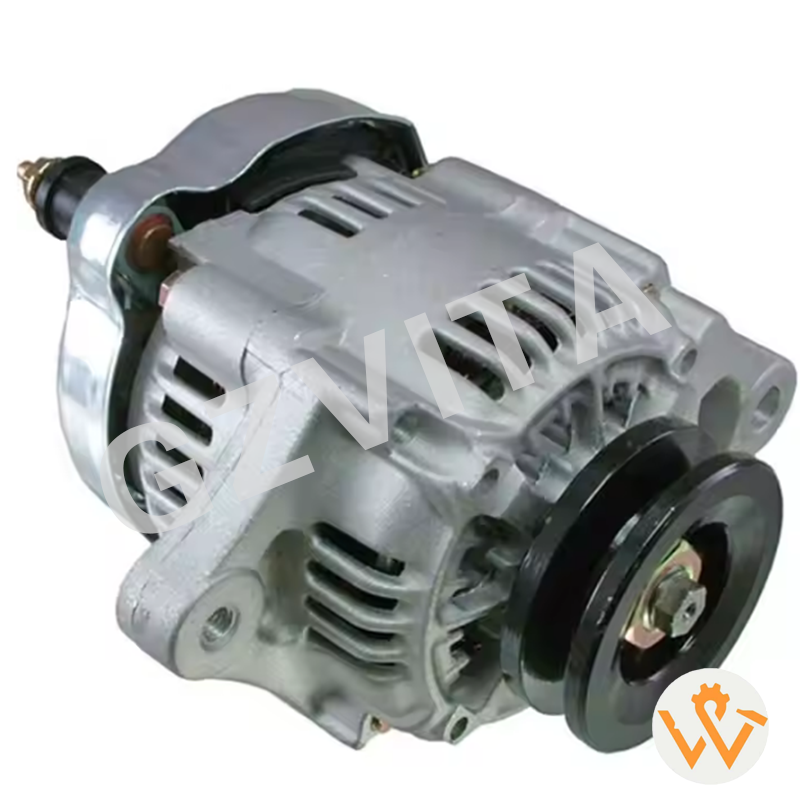
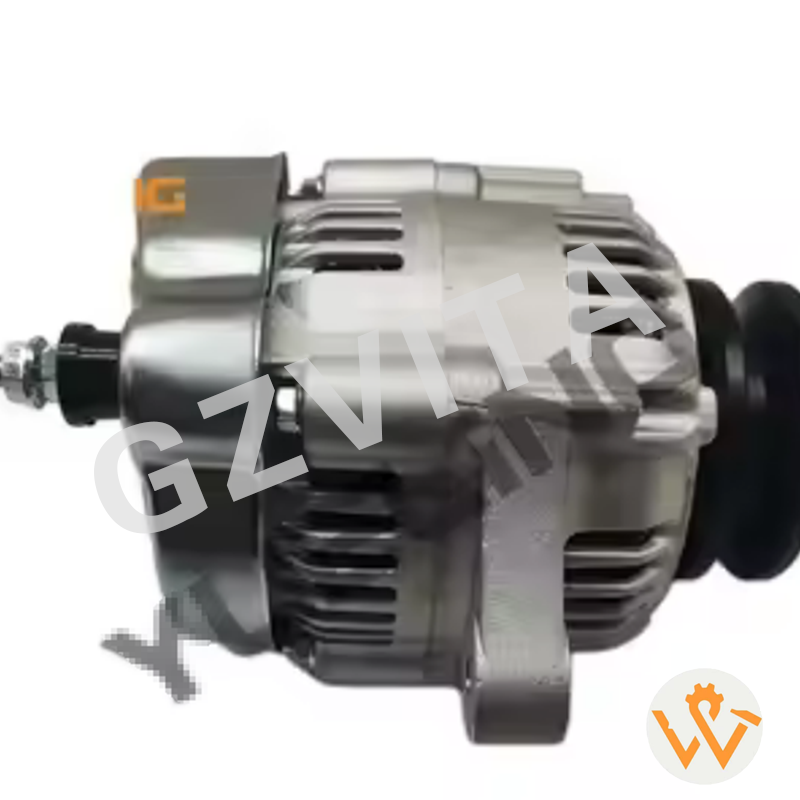
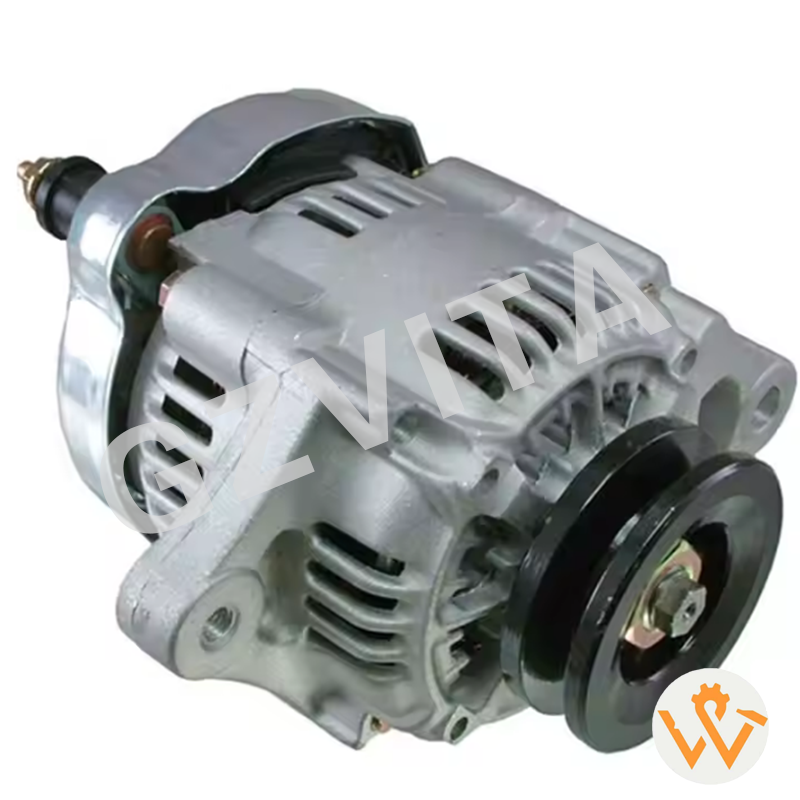
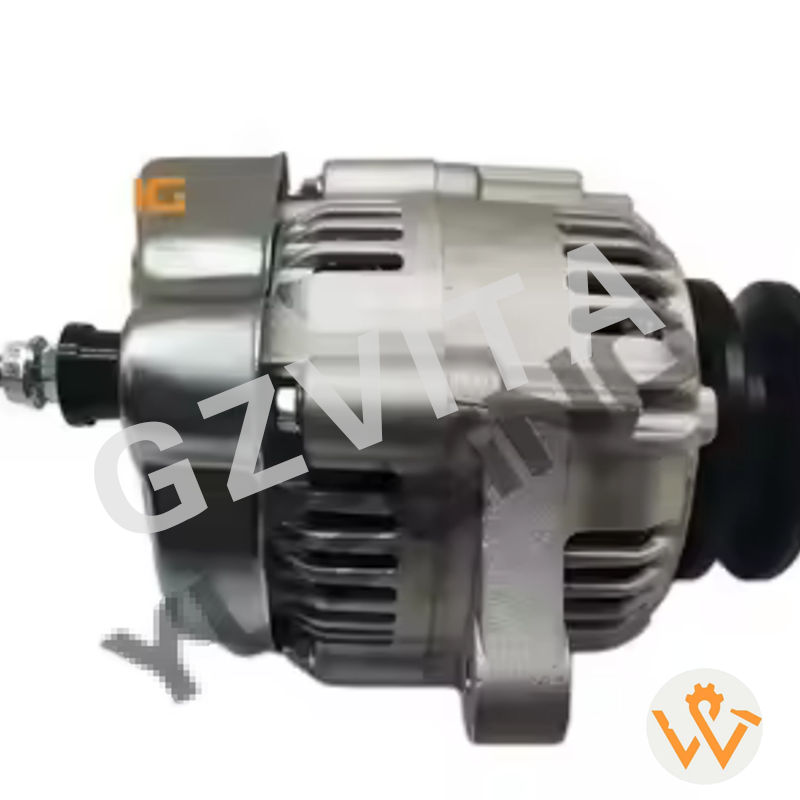
16241-64015 ALTERNATOR 12v 1624164015 16241-6401-5 for Kubota D1005 D1105 D722 D905 D1305
The introduction to differential pressure sensor
A differential pressure sensor is a device used to measure the difference in pressure between two points in a system. These sensors are crucial in various applications across multiple industries, including HVAC (heating, ventilation, and air conditioning), process control, fluid dynamics, and medical devices.
Key Features and Functionality:
Measurement Principle: Differential pressure sensors typically operate based on various principles, including piezoresistive, capacitive, or optical methods. They detect the pressure difference by converting the mechanical deformation caused by pressure into an electrical signal.
Components: A typical differential pressure sensor consists of two pressure ports, a sensing element, and an electronic circuit for signal processing. The sensing element responds to the pressure difference, while the electronic circuit amplifies and converts the signal for output.
Output Types: The output from a differential pressure sensor can be analog (e.g., voltage or current) or digital (e.g., I2C, SPI). The choice of output type depends on the application and the required integration with other systems.
Calibration and Accuracy: Differential pressure sensors require calibration to ensure accurate measurements. Factors such as temperature, humidity, and the medium being measured can affect their performance, so it’s essential to select a sensor that meets the specific requirements of the application.
Applications:
HVAC Systems: Monitoring air filters, duct pressure, and fan performance.
Industrial Processes: Measuring flow rates in pipes, tank levels, and filter conditions.
Medical Devices: Monitoring pressure in respiratory equipment and other medical instruments.
Cleanroom Environments: Ensuring proper airflow and pressure differentials to maintain sterile conditions.
Advantages: Differential pressure sensors offer high sensitivity, fast response times, and the ability to measure very low pressure differences, making them suitable for a wide range of applications.