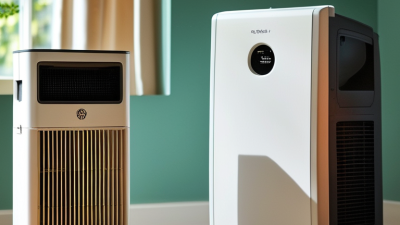
Best Air Filters in China for Global Buyers?
Air filters play a crucial role in maintaining indoor air quality. They help reduce allergens, dust, and pollutants, creating a healthier environment. In China, the air filter market is vast and diverse. Global buyers seeking quality products may face challenges due to the variety of options available.
Understanding the different types of air filters is essential. Some filters focus on specific pollutants, while others aim for overall air improvement. Not all manufacturers provide the same efficiency and reliability. It’s important to research brands and read consumer reviews to make informed choices.
While China offers many high-quality air filters, buyers must be cautious. Some products do not meet international standards. This adds complexity to the purchasing process. Engaging with knowledgeable suppliers can lead to better outcomes. Overall, a thoughtful approach in selecting air filters ensures satisfaction and promotes healthier living spaces.
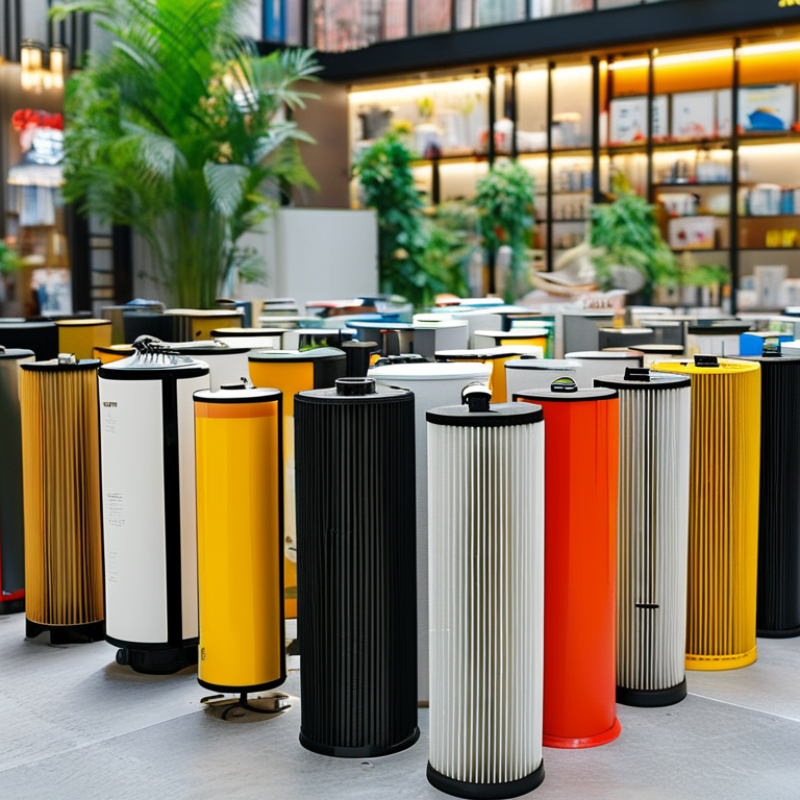
Overview of the Air Filter Market in China: Key Statistics and Trends
The air filter market in China has shown significant growth in recent years. It is projected to expand at a compound annual growth rate (CAGR) of over 7% from 2023 to 2028. This increase aligns with rising pollution levels and health awareness among consumers. The demand for air filters is not limited to residential use but also encompasses industrial and automotive sectors.
In 2022, the total market value reached approximately USD 3 billion. Urban areas, facing severe air quality issues, drive this growth. According to the China National Environmental Monitoring Center, cities like Beijing and Shanghai regularly experience PM2.5 levels above safe limits. Consumers are more inclined to invest in quality air filters to mitigate health risks associated with air pollution.
Despite the growth, challenges persist. Some air filter manufacturers struggle with quality consistency. Reports suggest that nearly 30% of products in the market do not meet safety standards. This raises concerns for buyers who seek reliability and effectiveness. In addition, many consumers lack awareness of maintenance practices that can prolong filter life. Understanding these aspects is crucial for global buyers aiming to navigate the Chinese air filter market effectively.
Best Air Filters in China for Global Buyers
This chart presents the estimated market share of different types of air filters in China for global buyers in 2023. The data highlights the growing preference for HEPA filters and activated carbon filters, reflecting the increasing air quality concerns among consumers.
Leading Air Filter Manufacturers in China: A Comparative Analysis
China has become a significant player in the global air filter market. According to a recent market research report, the air filtration market in China is expected to reach USD 28 billion by 2025, driven by growing health concerns and air quality regulations. Companies that manufacture air filters here utilize advanced technologies and innovative designs, enhancing their competitive edge.
One notable trend is the focus on HEPA filters. These filters can capture particles as small as 0.3 microns with an efficiency of 99.97%. This level of filtration is crucial, especially in urban areas facing severe pollution. However, not all manufacturers maintain the same level of quality. Testing and certifications vary widely across suppliers. Buyers must be diligent when comparing products, as variations can significantly impact performance.
Consider examining the materials used in filter construction. High-quality filters often incorporate synthetic fibers or activated carbon for better air purification. Cheap alternatives may skimp on these materials, leading to lower effectiveness. When choosing a supplier, prioritize those with verified testing results. Check for compliance with international standards, which reflect reliability.
Trustworthiness is key. Importing air filters can bring challenges. Be wary of suppliers that do not provide full transparency regarding their products. Engage with companies that have a proven track record. Research reviews and performance reports to gauge their reliability.
Types of Air Filters Popular in China: Features and Market Demand
Air filtration has become critical in China, especially in urban areas with significant pollution. Different types of air filters are available to meet the diverse needs of consumers. HEPA filters are highly sought after due to their ability to trap fine particles. These filters can remove allergens and dust efficiently, making them popular among households. Activated carbon filters are also commonly used, as they effectively absorb odors and harmful gases, addressing the needs of those living in areas with high air pollution.
Market demand for air filters is shifting. People now prioritize air quality more than ever. There’s an increasing interest in smart air filters that integrate with home automation systems. These advanced filters provide real-time air quality monitoring and can adjust settings automatically. However, many consumers lack awareness of the differences among filter types. It raises questions about product effectiveness. Some users may select cheaper options, compromising air quality. This inconsistency indicates a gap in consumer education regarding air filtration technologies and their benefits. As awareness grows, understanding what filter suits their needs will become critical for health-conscious buyers.
Regulatory Standards for Air Filters in China: Impact on Global Exports
Air filters play a crucial role in maintaining air quality. In China, strict regulatory standards shape the development and export of these filters. Compliance with these regulations is essential for global buyers. These standards govern performance, efficiency, and safety, ensuring air filters meet specific criteria before they reach international markets.
Meeting regulatory standards can be challenging. Many manufacturers must continually adapt to changes in regulations. It often requires investment in new technologies and processes. Buyers need to be aware of these factors when sourcing air filters. Legal and environmental compliance can impact both product quality and delivery timelines.
When selecting an air filter, consider certification as a key factor. Approved filters often guarantee better performance. Evaluating local manufacturers’ adherence to regulations can help in choosing reliable products. Additionally, always request testing data and certifications. Transparency in these areas reflects a manufacturer’s commitment to quality.
Factors Influencing Air Filter Technology Advancements in China
The advancement of air filter technology in China has garnered global attention. Several factors drive this evolution. One major factor is the increasing air pollution levels. Urban areas face severe challenges, necessitating better filtration solutions. Manufacturers are investing in research to develop effective technologies that can cope with harsh conditions.
Innovation in materials also plays a crucial role. Lightweight, high-efficiency filters are becoming more common. These materials improve air quality without compromising airflow. Manufacturers often explore new composites that enhance filtration rates. It's intriguing yet challenging. The balance between efficiency and usability is not always easy to achieve.
Regulatory policies influence product development significantly. Stricter air quality guidelines push companies to adapt quickly. Meeting international standards requires consistent improvements. However, some manufacturers may struggle with compliance. They might prioritize cost over quality. This could lead to potential gaps in performance. Observing these dynamics provides insight into the complex landscape of air filter technology in China.

 +86 18578756148
 CONTACT NUMBER
 CONTACT NUMBER
 CONTACT NUMBER
 CONTACT NUMBER