What is a Bucket Cylinder and How Does It Work?
A Bucket Cylinder is a specific type of hydraulic actuator used in various industries. It plays a crucial role in equipment that requires lifting and moving heavy loads. This device converts hydraulic energy into mechanical movement.
Understanding how a Bucket Cylinder functions enhances the optimization of machinery. These cylinders operate efficiently under high pressure and provide precise control. However, not all applications maximize their potential. Some users may overlook maintenance needs, leading to performance issues.
Moreover, the choice of materials used in construction can impact durability. A well-built Bucket Cylinder can last years, but subpar options may fail prematurely. Experts advise regular inspections to ensure reliability. This knowledge fosters better decision-making for machinery operators. Embracing the details of Bucket Cylinder operation helps improve productivity and safety in various tasks.
Definition and Characteristics of a Bucket Cylinder
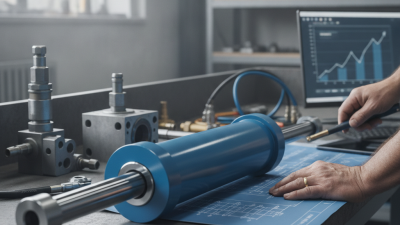
A bucket cylinder is a type of hydraulic actuator. It is designed to perform lifting and dumping actions. The main components include a cylinder, piston, and bucket. This mechanism allows for efficient material handling in various applications.
One key characteristic of a bucket cylinder is its versatility. It is commonly used in construction and agriculture. The design allows for simple operation and powerful lifting capacity. Users can control the cylinder’s movement with precision. However, the efficiency of a bucket cylinder can be affected by factors like wear and tear. Regular maintenance is essential to ensure optimal performance.
Another important aspect is the design's ability to minimize hydraulic losses. This can lead to increased energy efficiency. However, users must be cautious. If not maintained properly, leaks can occur. These leaks challenge reliability and safety. Understanding these challenges is vital for effective use.
Bucket Cylinder Characteristics Comparison
This chart displays key specifications of a bucket cylinder, illustrating the diameter, height, volume, weight, and maximum pressure capabilities. Understanding these characteristics is crucial for selecting the appropriate bucket cylinder for various applications.
Common Applications of Bucket Cylinders in Industry
Bucket cylinders are versatile hydraulic components widely used in various industries. These cylinders lift and tilt, performing tasks that require precise control. Their design allows them to manipulate heavy loads with ease, making them ideal for construction and material handling.
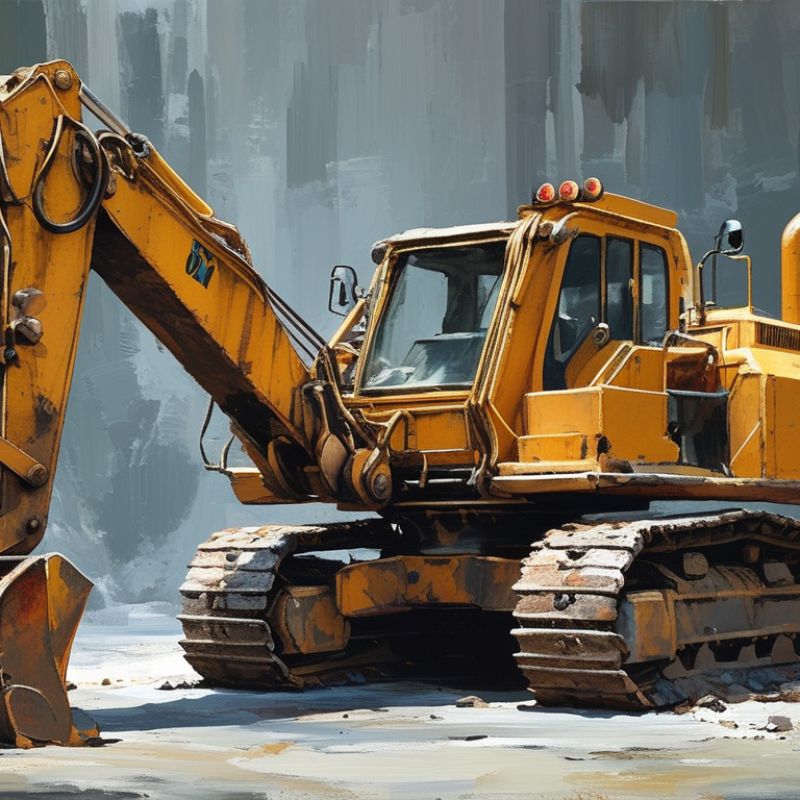
In construction sites, bucket cylinders play a crucial role. They power excavators, allowing operators to dig and lift materials efficiently. The ability to adjust the bucket angle helps in achieving optimal performance. In agriculture, these cylinders assist in loading and unloading grain or produce. The swift action of bucket cylinders improves productivity significantly.
However, challenges exist. Regular maintenance is crucial to prevent hydraulic leaks and ensure safety. Operators must also be trained to handle them effectively. Improper usage can lead to accidents or equipment failure. Understanding these nuances is vital for efficient operations in any industry that relies on bucket cylinders.
Mechanism and Operation Principles of Bucket Cylinders
A bucket cylinder is a hydraulic device used in various industrial applications. It operates on the principles of fluid mechanics to lift or lower heavy loads. The mechanism involves a cylinder, piston, and fluid. When hydraulic fluid is pumped into the cylinder, it creates pressure that moves the piston. This movement opens a bucket or container at the end of the cylinder, enabling it to hold or release materials.
According to industry reports, bucket cylinders are prevalent in sectors like construction and mining. Approximately 30% of hydraulic equipment in these industries incorporates bucket cylinders. This is due to their efficiency and reliability. The maximum load capacity of these cylinders can exceed several tons, depending on design specifications. Yet, design imperfections can lead to seal failures, causing potential leaks or malfunctions. Regular maintenance is crucial, as neglecting it can dramatically reduce performance.
Understanding the operational principles is vital. Incorrect fluid types and insufficient pressure settings can compromise performance. The efficiency can drop significantly if these devices are not calibrated correctly. Observing safety measures is essential. Operators must be trained to recognize warning signs of wear or failure. Awareness of these factors can improve safety and effectiveness in using bucket cylinders.
Maintenance and Troubleshooting for Bucket Cylinders
Bucket cylinders play a crucial role in various machinery operations. However, like all hydraulic components, they require regular maintenance. A well-maintained cylinder can improve performance and extend its life. According to industry reports, proper upkeep can reduce operational failures by over 30%. This reduction leads to fewer unexpected downtime periods.
Common maintenance tasks include inspecting seals and fluid levels. An overlooked leak can cause inefficiencies. Regular checks on the hydraulic fluid's quality can prevent significant damage. Experts recommend replacing contaminated fluid every six months. Not adhering to this advice may lead to low system pressure or even complete failure of the cylinder.
Troubleshooting is equally important. Identifying unusual noises or movements can signal underlying issues. For example, if a bucket cylinder vibrates excessively, it may indicate a misalignment or internal damage. Operators should document these observations and rectify them promptly. Ignoring early signs can escalate repair costs. In fact, addressing issues early can save up to 20% on potential repair expenses. Regular maintenance and troubleshooting are essential for reliable performance.
Advantages and Limitations of Using Bucket Cylinders
Bucket cylinders are hydraulic devices commonly used in various applications, including construction and material handling. One significant advantage of bucket cylinders is their ability to provide powerful lifting and precise control. They allow for smooth operation, making them ideal for tasks that require a delicate touch. This is particularly useful in settings where the handling of heavy loads is necessary, improving overall operational efficiency.
However, there are limitations to consider. Bucket cylinders can be complex and may require regular maintenance. If not properly cared for, they may experience mechanical failures. Additionally, the initial cost of installation can be high, which may deter some companies. It is important to weigh these factors before deciding to implement bucket cylinders in your operations. Understanding both the strengths and weaknesses can lead to better decision-making for your projects.
What is a Bucket Cylinder and How Does It Work? - Advantages and Limitations of Using Bucket Cylinders
| Feature |
Description |
| Definition |
A bucket cylinder is a type of hydraulic actuator that uses a bucket-shaped design to lift and lower loads. |
| Operation Principle |
Works by the displacement of hydraulic fluid, creating pressure that drives the movement of the bucket. |
| Advantages |
High lifting capacity, precision control, and versatility in applications. |
| Limitations |
Potential leaks, maintenance requirements, and environmental sensitivity. |
| Applications |
Used in construction, manufacturing, and material handling industries. |
| Maintenance |
Regular inspection of hydraulic fluid levels and seals is necessary to ensure efficiency. |

 +86 18578756148
 CONTACT NUMBER
 CONTACT NUMBER
 CONTACT NUMBER
 CONTACT NUMBER