Why Choose Bucket Teeth for Your Excavator Needs?
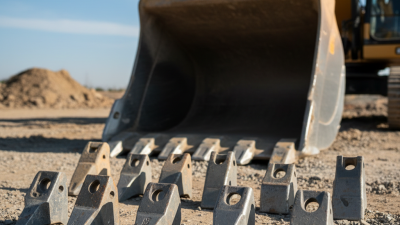
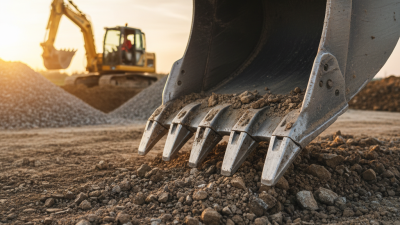
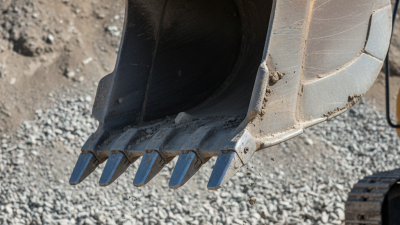
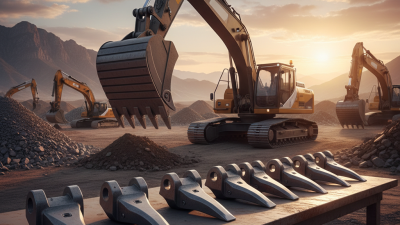
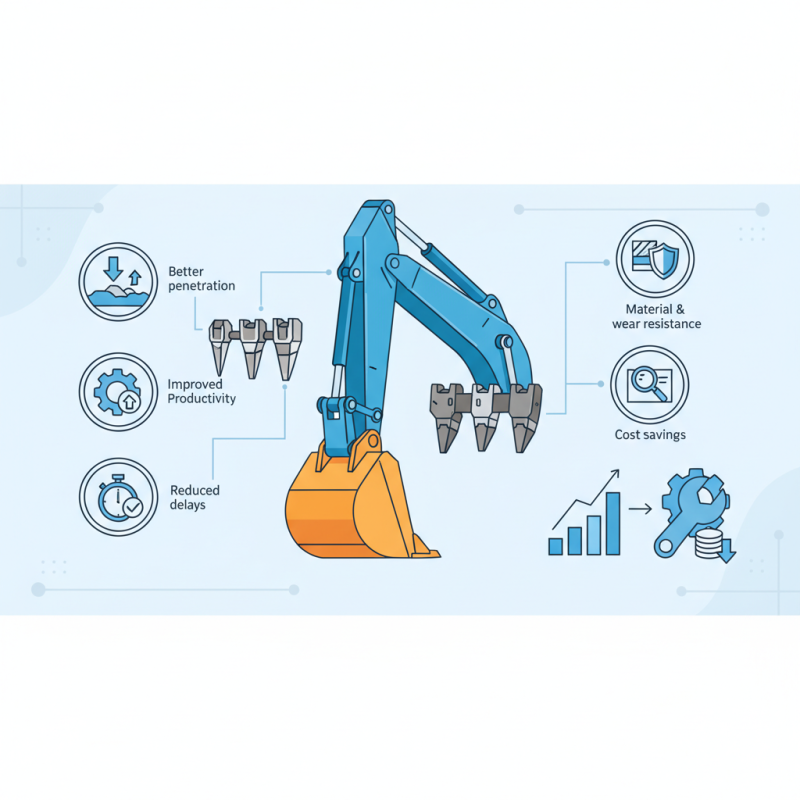
When it comes to excavation projects, the right tools can significantly impact efficiency and outcomes. Bucket teeth play a crucial role in the performance of excavators. These components are not mere attachments; they are designed to enhance digging capabilities. High-quality bucket teeth ensure better penetration into tough soil conditions and improve overall productivity.
Choosing the right bucket teeth can be overwhelming. There are various types, each suited for specific tasks. It’s essential to consider factors like material, design, and wear resistance. Opting for durable bucket teeth reduces the frequency of replacements, saving costs in the long run. However, some users may underestimate their importance, leading to potential project delays.
In the world of heavy machinery, expertise in the selection of bucket teeth is vital. Understanding the specific requirements of your projects is crucial. Poor choices can result in inefficiencies. Investing time in research can foster better outcomes. Always remember, the quality of your bucket teeth is directly correlated with the performance of your excavator.
Importance of Bucket Teeth in Excavation Operations
Bucket teeth play a crucial role in excavation operations. These components are essential for the efficiency and effectiveness of heavy machinery. According to industry reports, the right bucket teeth can increase digging productivity by over 20%. This enhancement is significant for projects requiring precision and speed.
Choosing the appropriate bucket teeth impacts wear and tear. High-quality teeth can withstand harsh conditions, reducing the need for frequent replacements. However, not all teeth are created equal. The proper selection is often overlooked. Each excavation task may demand different types of teeth based on soil type, rock hardness, and project specifications.
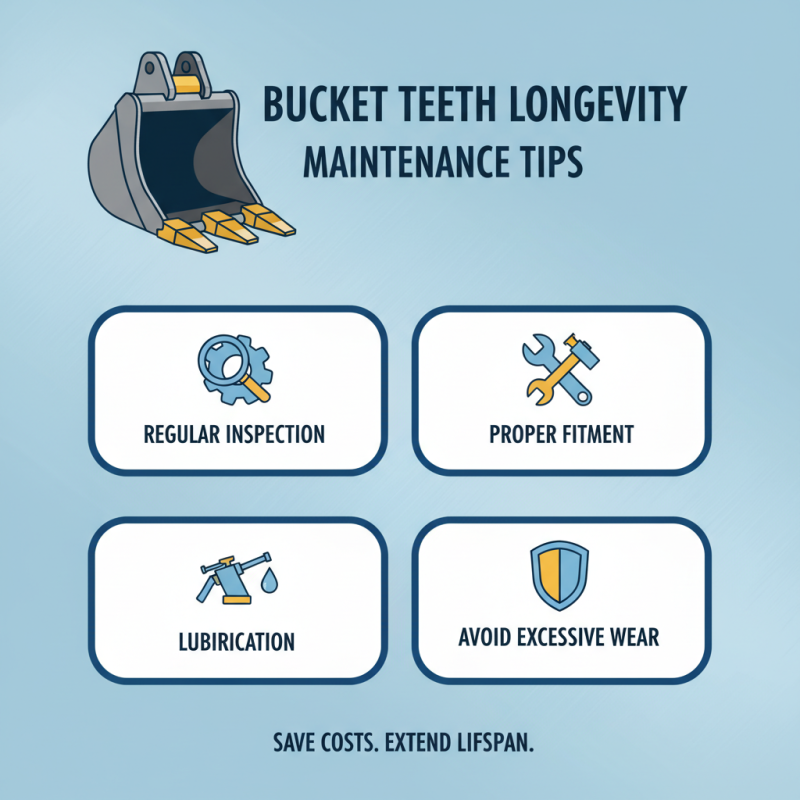
Tips: Regular maintenance is key. Inspect your bucket teeth frequently for wear and tear to ensure optimal performance. Consider the specific demands of your job site when selecting teeth. Adapting to different conditions can lead to improved results.
Additionally, while many opt for standard configurations, custom solutions can offer significant advantages. This may include unique shapes or materials designed for specialized tasks. Taking the time to evaluate your needs may reveal opportunities for enhanced efficiency.
Types of Bucket Teeth and Their Applications
When selecting bucket teeth, understanding the types and their applications is crucial to effective excavation. There are several primary types of bucket teeth, including standard, rock, and side-cutting teeth. Standard teeth excel in general digging tasks. Their design ensures optimal performance in a variety of soil conditions. Rock teeth, on the other hand, are reinforced for durability against hard materials. They can withstand significant impact without wearing down quickly. Side-cutting teeth help in maneuvering and digging along slopes.
A recent industry report highlighted that using the right type of bucket tooth can enhance productivity by 20%. This statistic underscores the value of selecting appropriate tools for specific tasks. Each type of tooth serves a distinct purpose, yet many users may overlook this detail. Poor choices can result in increased wear and reduced efficiency, ultimately leading to higher operating costs.
Tips: Ensure you assess soil and rock conditions before choosing bucket teeth. Take time to match the teeth type to your excavation needs. Regular inspections of bucket teeth can help prevent unexpected failures. Remember that investing in quality tools pays off in the long run. Paying attention to details may seem tedious, but it is essential for achieving effective results.
Why Choose Bucket Teeth for Your Excavator Needs? - Types of Bucket Teeth and Their Applications
| Type of Bucket Tooth |
Application |
Material |
Durability |
Cost |
| Standard Tooth |
General Excavation |
Steel |
Moderate |
Low |
| Rock Tooth |
Heavy Excavation in Rocky Soil |
High-Carbon Steel |
High |
Medium |
| Chisel Tooth |
Trenching and Digging |
Tungsten Carbide |
Very High |
High |
| Loader Tooth |
Load and Carry Operations |
Alloy Steel |
Moderate to High |
Medium |
| Penetration Tooth |
Difficult Soil Types |
Special Steel Alloys |
Very High |
High |
Advantages of Using Bucket Teeth for Excavators
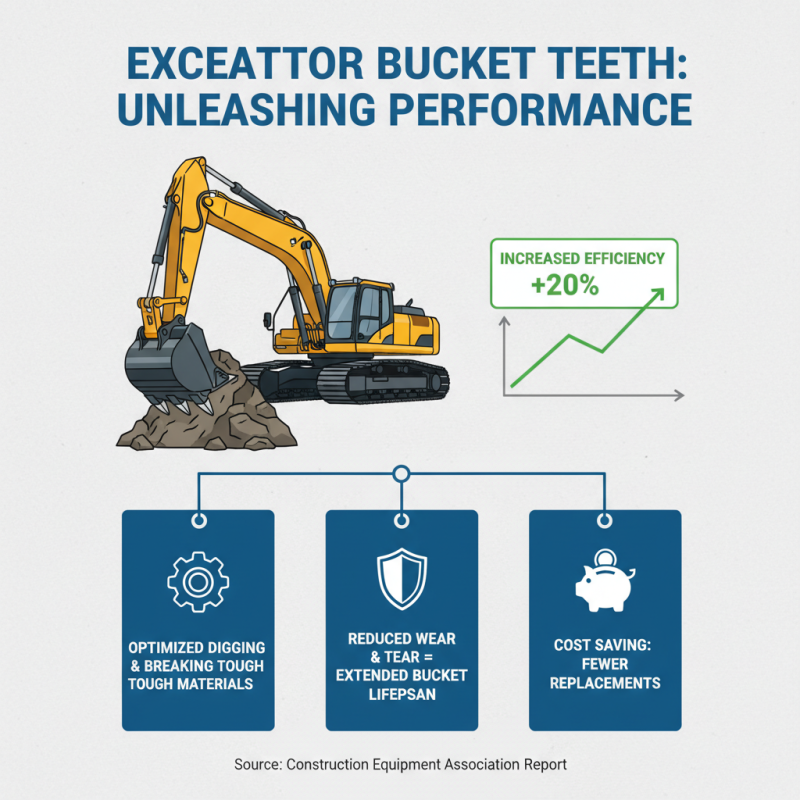
Excavator bucket teeth are essential for optimizing performance. They play a critical role in digging and breaking tough materials. According to a report by the Construction Equipment Association, using the right bucket teeth can increase excavation efficiency by up to 20%. Properly designed teeth reduce wear and tear on buckets, extending their lifespan significantly. This durability translates to cost savings in the long run, as operators face fewer replacements.
Using bucket teeth enhances the overall functionality of excavators. Teeth with a sharp edge penetrate the ground easily. They allow for effective digging in various soil types, which can be crucial in diverse construction projects. While it's important to consider the type of work, some operators overlook the significance of selecting the right teeth. A recent study indicated that 40% of excavator operators report difficulties due to improper tooth choices, affecting productivity.
In terms of maintenance, bucket teeth require careful attention. Regular inspections can identify wear patterns that might go unnoticed. Ignoring these signs can lead to performance issues and unexpected downtime. Balancing cost and efficiency can be challenging. However, investing in quality teeth might yield significant operational benefits. Operators should reflect on their experiences and strive for improvements in this area.
Choosing the Right Bucket Teeth for Specific Projects
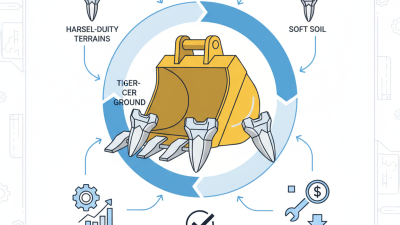
When selecting bucket teeth for excavation projects, specific needs must be prioritized. Different applications demand different tooth designs. For example, trenching requires a narrow profile, while digging in rocky terrain needs a more robust tooth. Choosing the right type can enhance efficiency significantly.
Consider the soil type and project scale. Heavy clay will wear down softer materials quickly. A hardened steel tooth might better suit this type of job. However, if working in soft dirt, a less aggressive tooth can minimize unnecessary wear on machinery. Each project presents unique challenges, prompting thoughtful selection.
Incorrect choices can lead to downtime. For instance, using standard teeth on tough rock can result in breakage. It is crucial to assess both the environment and equipment capabilities. Reflecting on past experiences can guide better decisions. This careful, informed approach ultimately leads to successful and efficient excavation work.
Comparison of Bucket Teeth Types for Excavators

 +86 18578756148
 CONTACT NUMBER
 CONTACT NUMBER
 CONTACT NUMBER
 CONTACT NUMBER