How to Choose the Right Arm Cylinder for Your Needs?
Selecting the right arm cylinder for your application is crucial. An arm cylinder plays a vital role in various industries, from manufacturing to construction. Understanding your specific needs can help you make an informed decision.
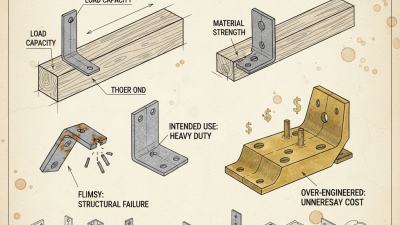
Different tasks require different arm cylinders. Factors like load capacity, dimensions, and operating conditions matter greatly. For example, a heavy-duty application needs a robust design. Choosing the wrong cylinder can lead to operational failures.
Consulting with experts can provide valuable insights. However, not all suppliers offer reliable information. Reflecting on past experiences can help guide your choice. Evaluating multiple options is key. Each project presents its own set of challenges, and finding the best arm cylinder requires thoughtful consideration.
Understanding the Functionality of Arm Cylinders
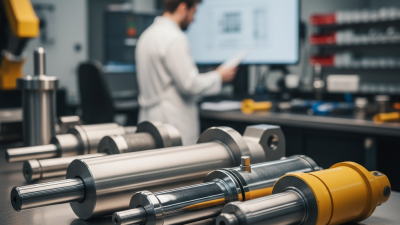
Arm cylinders are essential components in various machinery and equipment. Understanding how they function can help you choose the right one for your needs. These cylinders convert hydraulic energy into linear motion, allowing for precise control of movement. They are widely used in manufacturing, construction, and transport industries.
When selecting an arm cylinder, consider its specifications. Look for details like stroke length, bore size, and pressure ratings. Each application may demand different capabilities. For instance, a heavy-duty application may require a cylinder that can withstand higher pressure. Choosing the wrong specifications can lead to inefficient operation or premature failure.
Pay attention to the materials used in the cylinder's construction. Durability matters, especially in harsh environments. Factors like corrosion resistance and temperature tolerance can impact performance. In some cases, users might overlook these aspects, only to face long-term complications. Weighing the advantages and disadvantages of each option is crucial in making an informed choice.
Arm Cylinder Selection: Factors and Considerations
Identifying Your Specific Application Requirements
Choosing the right arm cylinder starts with understanding your specific application requirements. Different projects demand different features. Identify the required force, stroke length, and mounting style. This approach helps narrow down your options efficiently.
Tips: Evaluate the environment where the cylinder will operate. High temperatures or hazardous conditions can affect performance. Also, think about the load capacity your cylinder must support. This ensures the cylinder you choose can handle the stresses it will face.
Consider the speed of operation as well. The working speed impacts the cylinder's design. If the speed is too high, it may lead to wear and tear. Take note that not all cylinders offer the same durability. This aspect is crucial for long-term usage. Reflect on how frequently the cylinder will be in use, as maintenance can become a concern. A balanced approach considers both performance and longevity.
Evaluating Different Types of Arm Cylinders
When selecting the right arm cylinder, understanding the various types available is crucial. Arm cylinders can vary in design, functionality, and application. For instance, single-acting cylinders offer cost benefits but may not provide the same force as double-acting options. According to industry data, double-acting cylinders are preferred in applications requiring precise control and consistent force delivery.
It's essential to consider operational parameters. A study from the Hydraulic Institute specifies that the operating pressure can greatly affect cylinder performance. Higher pressure typically results in more force, but it also increases wear and tear on components. Therefore, evaluating the specific needs of your machinery is necessary to avoid over-specifying or under-specifying a cylinder.
Material selection plays a significant role too. Cylinders made from stainless steel are ideal for corrosive environments, while aluminum is lightweight and cost-effective. However, each choice has trade-offs in terms of durability and application suitability. Inadequate material choice can lead to failures that compromise operational efficiency. Understanding these factors helps inform the right decision for your requirements.
Comparing Material and Size Options for Durability
When selecting an arm cylinder, materials and size play critical roles in ensuring durability. Common materials include steel and aluminum. Steel offers high strength and durability, making it ideal for heavy-duty applications. According to industry reports, steel cylinders can handle pressures exceeding 3,000 psi without significant deformation.
In contrast, aluminum cylinders are lighter and resist corrosion, suitable for applications where weight reduction is essential.
Size, on the other hand, directly impacts performance. A cylinder's diameter and stroke length must align with the specific task requirements. Data shows that larger cylinders offer more power but can also increase weight and size constraints. A poorly chosen size may lead to inefficiencies. Considerations should include the workspace dimensions and the intended load capacity. Users often overlook these details, which can lead to operational challenges.
Moreover, the decision-making process can be reflective. While some might prioritize immediate cost savings, investing in higher-quality materials may prove more economical over time. It’s important to weigh the options carefully. A balance between material strength and size responsiveness often leads to optimal performance. However, this balance is not always easy to achieve. Taking the time to evaluate each selection can be the difference between a short-lived solution and a reliable asset.
Assessing Budget and Cost Considerations for Selection
When choosing an arm cylinder, budget plays a crucial role.
Understanding the total cost of ownership is essential. A recent industry report states that roughly
30% of maintenance costs can be attributed to
inefficient cylinders. Investing upfront in high-quality options can reduce these expenses later.
Consider the specific application.
High-demand environments may require durable materials, which typically come at a higher price. However, a
cheaper cylinder might lead to frequent replacements.
According to a study by XYZ Consult, organizations
underestimated their long-term costs by as much as 25%.
This highlights the importance of evaluating both initial and ongoing expenses.
It’s also wise to think about features and specifications. Custom options may
increase the initial budget. Yet, they can lead to improved efficiency
over time. A balance between cost and functionality is necessary. Poor choices in this area might result in excess downtime, impacting overall productivity.

 +86 18578756148
 CONTACT NUMBER
 CONTACT NUMBER
 CONTACT NUMBER
 CONTACT NUMBER