How to Choose the Right Bucket Teeth for Your Equipment?
Choosing the right Bucket Teeth for your machinery can significantly impact your equipment's performance and longevity. According to John Smith, a leading expert in heavy equipment maintenance, "The right Bucket Teeth can enhance productivity and reduce downtime." His insights reflect a critical understanding of how crucial these components are in demanding environments.
When you select Bucket Teeth, consider your specific application. Different projects require different teeth styles. The material and design affect wear resistance and digging efficiency. It is essential to balance durability with performance based on your work conditions.
Using the wrong Bucket Teeth can lead to inefficiencies. This not only leads to increased operational costs but may also cause premature damage to the equipment. Reflecting on these aspects helps ensure your selection aligns with the tasks at hand. The right choice requires careful thought and examination of all factors involved.
Understanding Different Types of Bucket Teeth and Their Applications
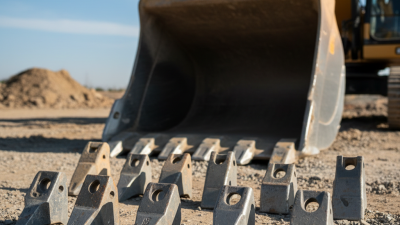
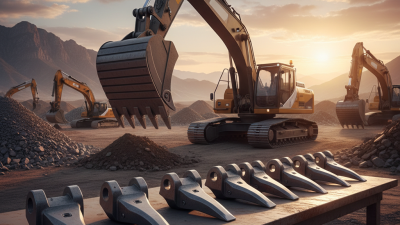
When selecting bucket teeth for your equipment, it's crucial to understand their various types and applications. Bucket teeth are engineered for specific tasks. They significantly affect the efficiency and productivity of heavy machinery in construction or mining. Common types include pointed, flat, and ripper teeth. Pointed teeth excel in penetrating tough soils, making them ideal for excavation tasks. In contrast, flat teeth perform well in grading surfaces.
Ripper teeth are designed for breaking up hard soil, making them indispensable in rocky terrains. Each type serves distinct purposes, and using the wrong one can lead to inefficiencies and wear. It's essential to assess the work environment and soil conditions before choosing.
Consider the material of the teeth as well. Some are made from tougher alloys for durability. Others may be lighter for less demanding tasks. Finding the right balance can be challenging. It means analyzing not just the equipment but the entire project scope. Seek advice from professionals. Real-world experience often reveals nuances that specifications cannot. Thus, careful consideration of your choices enhances your project’s outcome significantly.
Bucket Teeth Selection by Application
Key Factors to Consider When Selecting Bucket Teeth for Heavy Equipment
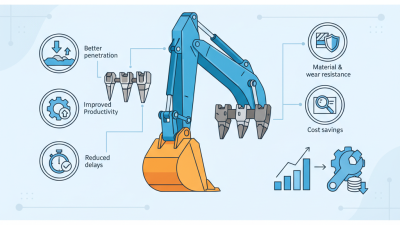
Choosing the right bucket teeth for heavy equipment requires careful consideration. Key factors include material, shape, and fit. The material impacts durability and performance. For example, high-grade steel offers superior wear resistance. Industry reports indicate that choosing the right material can extend the life of bucket teeth by up to 30%.
The shape of the bucket teeth affects digging efficiency and soil penetration. For instance, pointed teeth are optimal for hard ground, while flat teeth work better in softer conditions. A recent study revealed that equipment with appropriately shaped teeth can improve productivity by 15%. Proper fit is equally vital; ill-fitting teeth can lead to premature wear and increased maintenance costs.
Additionally, environmental factors play a significant role in selection. Operating in extreme conditions may require specialized teeth adapted for heat or abrasion resistance. Not all bucket teeth perform equally well in different scenarios. Choosing the wrong type can lead to unexpected failures. Evaluating your specific needs and usage scenarios can lead to better performance and cost savings in the long run.
Material Composition and Durability: Choosing the Right Bucket Teeth
When selecting bucket teeth, material composition is crucial. The choice between steel and other materials significantly influences durability. High-carbon steel often offers better strength and wear resistance. However, it can be prone to cracking under extreme conditions. Choosing the wrong material can lead to frequent replacements and downtime.
Durability extends beyond just the material. The manufacturing process also impacts performance. Teeth that undergo heat treatment may last longer. Some designs prioritize strength over weight, leading to a trade-off between durability and efficiency. Users must balance their specific needs against these properties.
Regular assessments of bucket teeth can save costs. Periodically inspect for wear and tear. This proactive approach helps in identifying replacement needs. Consider the working conditions as they can influence the choice. For instance, abrasive environments may require tougher materials. Not all options are perfect; understanding trade-offs is key to making informed decisions.
Analyzing Compatibility with Equipment Models and Attachment Systems
Choosing the right bucket teeth for your equipment involves understanding compatibility with your models and attachment systems. Incompatibility can lead to inefficiencies and increased wear. Ensure that the teeth match the pin-type and locking mechanisms of your bucket. Check the specifications in your equipment’s manual for correct measurements.
Different tasks may require different types of teeth. For example, heavy-duty tasks may need sharper, more robust teeth. If the teeth are too blunt, they won’t penetrate the material effectively. This can slow down operations. Yet, using overly aggressive teeth can cause rapid wear on the bucket itself. Striking a balance is crucial; finding the middle ground often requires experimentation and adjustment.
Regularly reviewing the condition of your bucket teeth is important. Wear and tear can be subtle but detrimental. If teeth show excessive wear, it may be time to replace them. Improper maintenance can lead to costly downtime. Hence, consider establishing a routine check to evaluate compatibility as equipment evolves.
Cost vs. Performance: Evaluating Bucket Teeth for Long-Term Efficiency
Selecting the right bucket teeth is crucial for optimizing equipment performance. The long-term efficiency of your machinery can heavily depend on this choice. It's a balance between cost and effectiveness. While cheaper options may seem appealing, they often wear out faster, which can lead to unexpected downtime and increased expenses.
Tips: Look for teeth made from high-quality materials. They may have a higher upfront cost but can save you money over time.
Performance matters as much as the price. Consider the type of work your equipment will perform. Different tasks may require different tooth designs. A wrong choice can hamper productivity. Not all brands offer the same quality, which makes research essential.
Another important tip: check reviews and case studies before deciding. User experiences can guide you to reliable options. Some teeth might promise durability but fail in real-world applications. Identify what works best for your specific needs and operations. The right choice not only enhances efficiency but also prolongs the lifespan of your equipment.

 +86 18578756148
 CONTACT NUMBER
 CONTACT NUMBER
 CONTACT NUMBER
 CONTACT NUMBER