Top 5 Tips for Choosing Cylinder Seal Kits for Your Needs
In the world of machinery, the reliability of Cylinder Seal Kits plays a crucial role. According to a recent industry report by MarketsandMarkets, the global seal market is projected to reach $65.24 billion by 2025. This growth highlights the increasing demand for high-quality seal solutions across various sectors. Choosing the right Cylinder Seal Kits can significantly impact the performance and longevity of your machinery.
Selecting a suitable kit involves understanding your specific needs and the compatibility of materials. For instance, elastomeric materials are often preferred for applications involving high temperatures. A study from the Society of Automotive Engineers reveals that improper sealing can lead to up to 10% energy loss in hydraulic systems. This statistic underscores the importance of making informed choices.
Often, buyers overlook critical factors such as pressure ratings and environmental conditions. It's essential to reflect on these aspects before making a purchase. Additionally, checking for certifications can ensure you are using reliable products. As the industry evolves, keeping these tips in mind will help you navigate your options effectively.
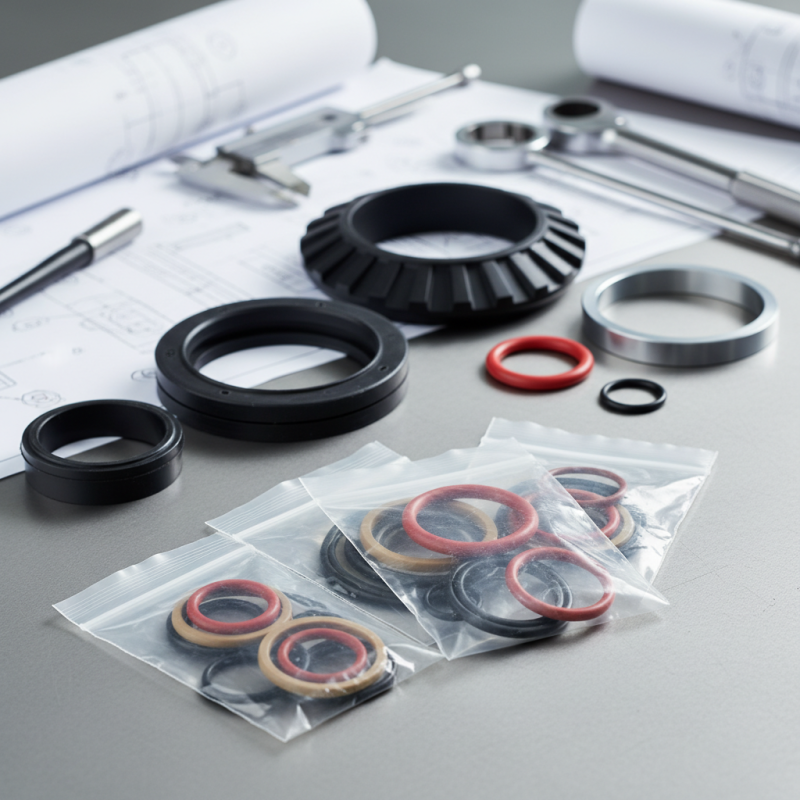
Understanding the Various Types of Cylinder Seal Kits Available
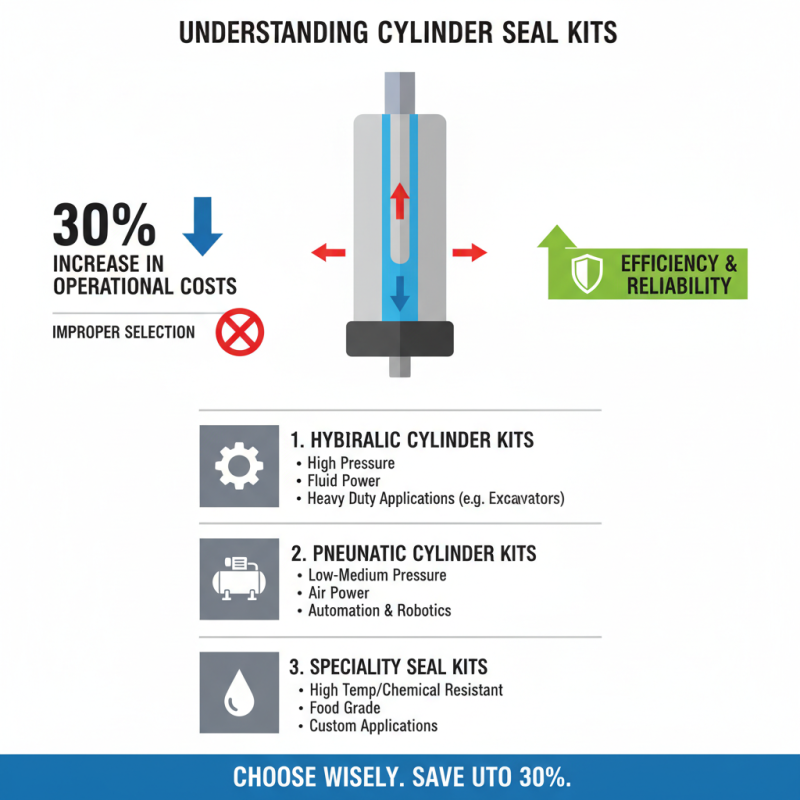
When selecting cylinder seal kits, understanding the various types available is crucial. Cylinder seal kits play a vital role in maintaining the efficiency of hydraulic and pneumatic systems. According to industry research, improper selection can lead to a staggering 30% increase in operational costs. This statistic underscores the importance of choosing the right type of seal kit for specific applications.
There are several types of cylinder seal kits, each designed for different functionalities. For instance, O-ring seal kits are commonly used for static seals. They can withstand moderate pressures and are versatile in many applications. In contrast, rod seal kits are designed to prevent fluid leakage in dynamic systems, often using specialized materials to withstand continuous movement. Data from field studies indicate that using an inappropriate seal type can lead to premature failure, potentially increasing downtime and maintenance costs by up to 25%.
It’s essential to consider not just the material but also the size and compatibility with existing systems. Many users overlook the importance of environmental factors such as temperature and chemical exposure. These factors significantly influence the longevity and effectiveness of the seals. A comprehensive evaluation of these elements is necessary, as neglecting them can result in costly repairs and inefficiencies.
Assessing Compatibility with Your Machinery and Equipment
Choosing the right cylinder seal kits is a process that demands careful consideration of compatibility with your machinery. Industry reports show that approximately 70% of mechanical failures are directly linked to improper seal selection. This staggering figure underscores the importance of matching seal components to the specific equipment in use.
Understanding the materials used in seal kits is critical. For example, nitrile rubber is suitable for hydraulic applications, while PTFE is ideal for high-temperature environments. Each material has distinct properties that influence its durability and functionality. Therefore, assessing the operational conditions of your machinery is essential before making a decision.
Moreover, dimensions matter greatly. The American National Standards Institute (ANSI) emphasizes the need for precise measurements; even small discrepancies can lead to significant leaks and performance issues. Ignoring these factors can result in costly downtime or potential damage to the machinery. A thoughtful, informed selection process can prevent these pitfalls and enhance overall equipment efficiency.
Top 5 Tips for Choosing Cylinder Seal Kits for Your Needs
| Tip |
Description |
Considerations |
| Assess Compatibility |
Ensure the seal kit is compatible with your specific machinery specifications. |
Check manufacturer specifications and dimensions. |
| Material Quality |
Choose materials that can withstand operating conditions such as temperature and pressure. |
Look for products made from high-grade rubber or other durable materials. |
| Application-Specific Needs |
Identify if you need seals for specific applications like hydraulic or pneumatic systems. |
Evaluate the operational environment and applications. |
| Supplier Reputation |
Research the reputation of the supplier or manufacturer for quality and service. |
Read reviews and check certifications. |
| Cost vs. Value |
Evaluate whether the investment in higher-quality seals will lead to better long-term results. |
Consider potential costs of failure with cheaper options. |
Evaluating Material Options for Durability and Performance
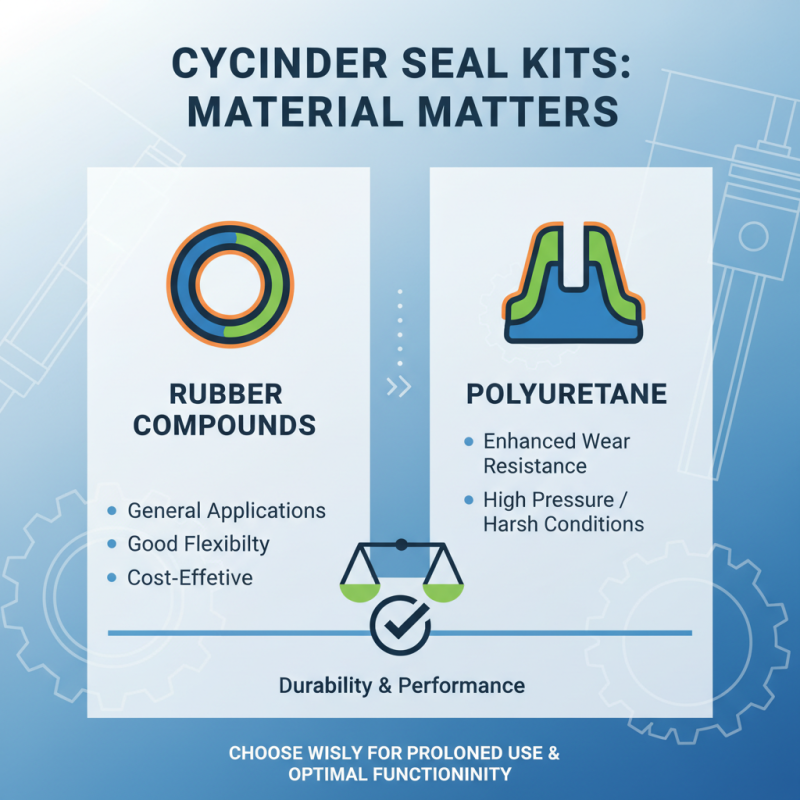
When choosing cylinder seal kits, evaluating material options is crucial for durability and performance. High-quality materials ensure prolonged use and better functionality. For instance, rubber compounds may be suitable for general applications, while polyurethane offers enhanced resilience to wear and chemicals.
Consider the environment in which the seals will operate. If seals face extreme temperatures or aggressive fluids, you need to select accordingly. Metal seals could be necessary in high-heat situations, although they may not provide the flexibility of softer materials.
Tip: Always check compatibility with your specific application. Testing materials under intended conditions can reveal surprising weaknesses. A small oversight might lead to major leaks or failures. Another tip: consult with professionals who can provide insights based on real-world experience. Not every material works as expected, and past failures should guide your choices. Always have a plan B.
Considering Environmental Factors Affecting Seal Lifespan
When selecting cylinder seal kits, environmental factors play a crucial role. Temperature, humidity, and exposure to chemicals can dramatically influence seal lifespan. High temperatures may cause rubber seals to degrade faster than expected. Humid environments can lead to the formation of mold, weakening the materials.
Understanding these conditions is vital for making an informed choice. Always examine the installation area. If it’s exposed to harsh chemicals, consider seals designed for chemical resistance. This can improve longevity significantly.
Tip: Regular maintenance can identify signs of wear early. Check seals for cracks or discoloration frequently. If the environment frequently changes, consider more robust options. Adaptability is key. Your initial choice may not be the best long-term solution. Reflect on the conditions regularly to ensure optimal performance.
Top 5 Factors Influencing Cylinder Seal Kit Lifespan
Reviewing Manufacturer Reputation and Product Reviews before Purchase
When selecting cylinder seal kits, the reputation of the manufacturer should be a key consideration. Look for manufacturers with a solid track record. A good reputation often correlates with quality products. Explore their history and check how long they have been in the industry. Longevity can indicate reliability, but don't take it at face value. Assessing claims requires independent verification through customer feedback.
Product reviews provide valuable insights. They reflect real experiences from users. Dive into both positive and negative reviews. A well-rounded view helps you understand the product's strengths and weaknesses. Pay attention to recurring themes in feedback. If multiple users mention frequent seal failures, it’s a red flag. On the flip side, consistent praise for durability is a good sign. Don't solely rely on starred ratings; read the reviews to grasp the full picture. Discerning customers often ignore hype and focus on genuine user experiences.

 +86 18578756148
 CONTACT NUMBER
 CONTACT NUMBER
 CONTACT NUMBER
 CONTACT NUMBER