7 Tips for Choosing Cylinder Seal Kits?
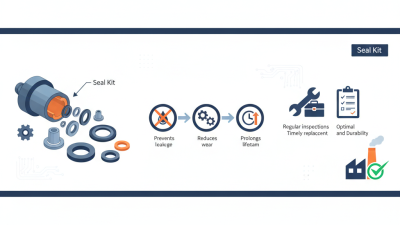
Choosing the right Cylinder Seal Kits can determine whether a hydraulic machine runs smoothly or stops under pressure. A mismatched seal may leak around the piston rod, contaminate the work area, or damage a cylinder barrel. Small details matter.
In field maintenance, technicians often begin with the cylinder model, rod diameter, bore size, and seal groove dimensions. These measurements provide a practical starting point. However, they do not tell the whole story. Operating pressure, temperature, fluid type, stroke speed, and working environment also influence seal performance. A kit designed for standard hydraulic oil may fail when exposed to water-based fluid or abrasive dust.
Reliable selection requires more than comparing prices or trusting a product photograph. Check material specifications, hardness, temperature limits, and compatibility data. Confirm whether the kit matches the original equipment design. Reputable suppliers should provide clear part numbers, technical documents, and consistent quality records. Experience also helps reveal hidden issues, such as hardened seals caused by long storage or incorrect installation tools.
Even careful buyers can miss something. I have seen measurements taken from worn components, which created an inaccurate replacement order. That mistake is avoidable, but it shows why inspection matters. Photograph the old seals, record every dimension, and review the machine’s service history before ordering. The following seven tips will help you evaluate Cylinder Seal Kits with greater confidence, reduce installation delays, and support dependable hydraulic performance. Not every kit is equal.
Understanding Cylinder Seal Kit Compatibility
7 Tips for Choosing Cylinder Seal Kits
Understanding Cylinder Seal Kit Compatibility
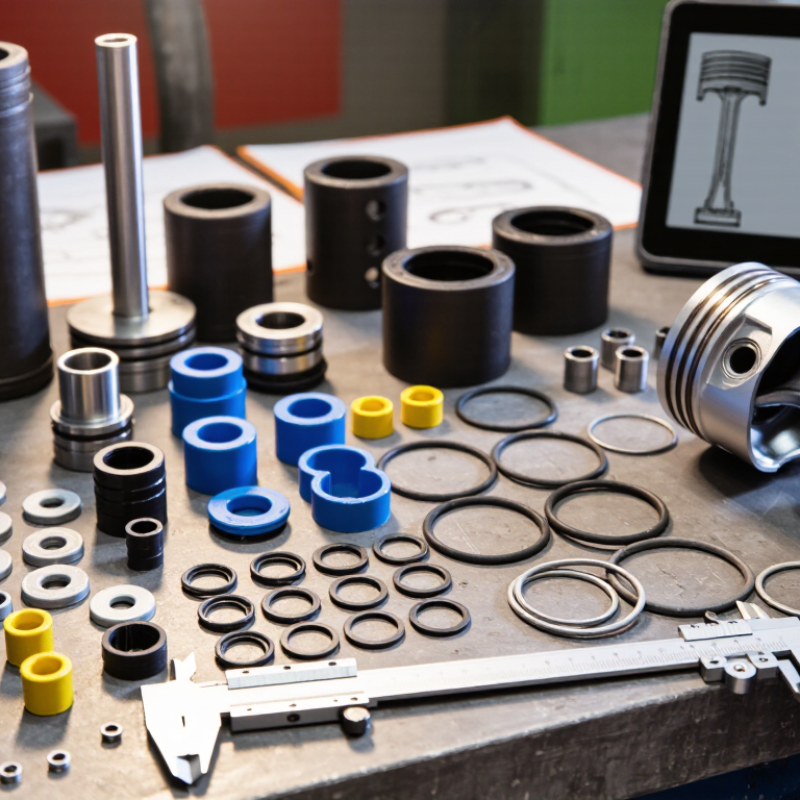
Choosing a cylinder seal kit starts with accurate identification, not appearance. Check the cylinder type, bore diameter, rod diameter, seal groove width, and groove depth. A seal that looks correct may still fail. Measure worn parts with calipers, then compare those measurements with the manufacturer’s technical drawing. Record every dimension carefully.
Confirm the working conditions before selecting materials. Check pressure, temperature, fluid type, movement speed, and exposure to dust or moisture. Hydraulic and pneumatic cylinders may require different seal profiles. Rod seals, piston seals, wipers, guide rings, and static seals must also match their positions. Material compatibility matters. A seal suited to mineral oil may perform poorly with water-based fluid. Keep this in mind.
Do not rely on kit names alone. Cross-reference the cylinder code, seal profile, and dimensional chart. If the original seal is damaged, photograph its orientation before removal. This small step can prevent incorrect installation. Clean the grooves, remove sharp edges, and lubricate seals with a compatible fluid. Never stretch a seal aggressively. I have seen careful measurements fail because the installer reversed one seal. That mistake is easy to make. A final pressure test can reveal leaks, but it cannot repair an incompatible kit. When dimensions conflict, pause and verify them with a qualified supplier or technician.
Checking Material, Size, and Pressure Requirements
7 Tips for Choosing Cylinder Seal Kits
Checking Material, Size, and Pressure Requirements
Selecting a cylinder seal kit starts with the working environment. Check the fluid, temperature range, and operating cycle before comparing prices. Polyurethane may suit abrasive movement, while other compounds handle heat or aggressive fluids better. Material compatibility matters more than appearance. A seal can look perfect and still swell after hours of exposure.
Measure the rod, bore, groove width, and seal height with clean tools. Do not rely only on an old seal. Wear can make its dimensions misleading. I once found a replacement failed because the groove depth was measured through hardened residue. That small mistake caused leakage within one shift. Confirm every measurement against the cylinder drawing when available. Check both static and dynamic sealing surfaces.
Pressure requirements need equal attention. Review normal pressure, pressure spikes, speed, and side loading. A kit rated for ordinary pressure may fail during sudden loading. Check whether backup rings are needed. Inspect clearance gaps, too. Choose a seal profile that matches the groove, not merely the diameter. Installation conditions also matter; sharp edges can cut a new seal before operation begins. Reliable suppliers should provide material data, dimensional details, pressure limits, and traceable inspection records. When uncertain, test the selected kit under controlled conditions before full production. My earlier choices were sometimes too focused on immediate cost. Total service life tells a different story.
Comparing Kit Quality, Completeness, and Supplier Reliability
7 Tips for Choosing Cylinder Seal Kits
A reliable seal kit starts with the correct cylinder model and working conditions. Check bore size, rod diameter, pressure range, temperature, and fluid type. Small measurement errors can cause early leakage. I have seen a new seal fail because the groove depth was never verified. Material quality matters too. Look for seals with clear material specifications, not vague terms such as “premium rubber.” Ask for test data when the application faces heat, pressure, or abrasive dust. Check the kit’s manufacturing date and storage guidance. Old elastomers may look perfect but lose flexibility internally.
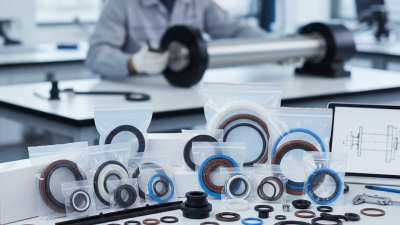
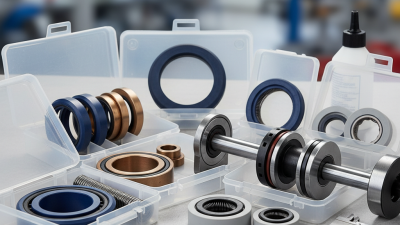
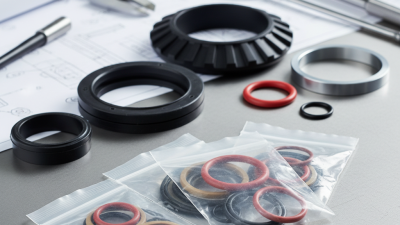
Completeness is equally important. Compare the kit list with the cylinder’s service manual, including rod seals, piston seals, wipers, backup rings, and static O-rings. Missing one small ring can stop a repair. Measure every supplied part before installation. A practical supplier should provide drawings, dimensions, material codes, and compatibility details. Packaging also reveals care. Each seal should remain clean, protected, and clearly identified. I once trusted a mixed bag of unmarked rings, and the installation took longer than planned. That was avoidable.
Supplier reliability needs evidence, not friendly promises. Check technical response time, traceable quality records, inspection reports, and a clear replacement policy. Ask how discrepancies are handled after delivery. Consistent stock can reduce equipment downtime, but cheap availability is not enough. Review previous industrial experience without relying only on testimonials. A supplier should admit limitations and suggest an alternative when the requested kit is unsuitable. I still recheck dimensions, even with experienced suppliers. Confidence helps, but verification protects the cylinder.
Verifying Installation Needs and Long-Term Maintenance Support
Choosing cylinder seal kits starts with installation reality, not catalog dimensions. Confirm bore diameter, rod diameter, groove profile, seal material, fluid, pressure, and temperature. Measure twice. A small error can cause leakage or uneven wear. Check whether technicians need special mandrels, torque tools, cleaning solvent, or alignment gauges. Review the service manual and machine history. Old drawings can mislead. Record actual dimensions from the removed assembly.
Installation conditions deserve equal attention. Inspect rod surfaces under bright light. Scratches, pitting, and sharp edges can damage a new seal immediately. Clean every groove, but avoid abrasive fibers. Lubricate with compatible fluid before fitting, and never force a seal over threads without protection. Set the correct seal orientation, backup rings, and wipers. A rushed installation may work briefly. That is not proof of quality. Test at low pressure, then increase gradually while checking drift, heat, and external seepage.
Long-term support should be verified before purchase. Ask for storage limits, replacement intervals, material data, inspection guidance, and traceable technical documents. Confirm that spare seals can be identified years later. Keep installation records, batch details, operating hours, and failure photos. This evidence helps separate poor material from poor assembly. Schedule inspections around duty cycles, not only calendar dates. Dust, side loading, and temperature swings often shorten service life. I have seen teams overlook rod alignment, then blame the kit. That mistake is expensive. Support should include practical troubleshooting, not vague assurances.

 +86 18578756148
 CONTACT NUMBER
 CONTACT NUMBER
 CONTACT NUMBER

 CONTACT NUMBER