Leave Your Message

Top 10 Boom Cylinder Manufacturers for Global Buyers

Choosing a reliable Boom Cylinder supplier can influence an excavator’s digging force, uptime, and repair costs. Global buyers need more than attractive catalog prices. They need measurable evidence.

This guide examines ten leading Boom Cylinder manufacturers serving international markets. It considers manufacturing experience, hydraulic design, material quality, testing procedures, customization, delivery capability, and after-sales support. Important details include honed tube accuracy, chrome-plated rod thickness, seal performance, weld quality, and pressure testing. A cylinder may look impressive on a product page. Its real performance appears in dusty quarries, wet construction sites, and long operating cycles.

Hydraulic engineer Janusz Ivantysyn once observed, “The performance of a hydraulic component depends on the complete system around it.” That principle remains practical. A strong cylinder cannot correct contaminated oil, poor alignment, excessive side loading, or neglected maintenance. Buyers should compare compatibility, not only brand reputation. Check mounting dimensions, stroke length, working pressure, cushioning, temperature range, and replacement-part availability. Ask for test records when possible.

There is no universal winner. A mining contractor may value thick rod coatings and impact resistance. A forestry operator may prioritize sealing against mud and water. A compact-equipment manufacturer may need flexible engineering and smaller batch production. Supplier rankings can also change as factories expand or service networks weaken. That is worth remembering. This list offers a useful starting point, not a final purchasing decision. Field trials, technical audits, and clear warranty terms still matter. Reliable sourcing requires careful questions before the first order leaves the factory.
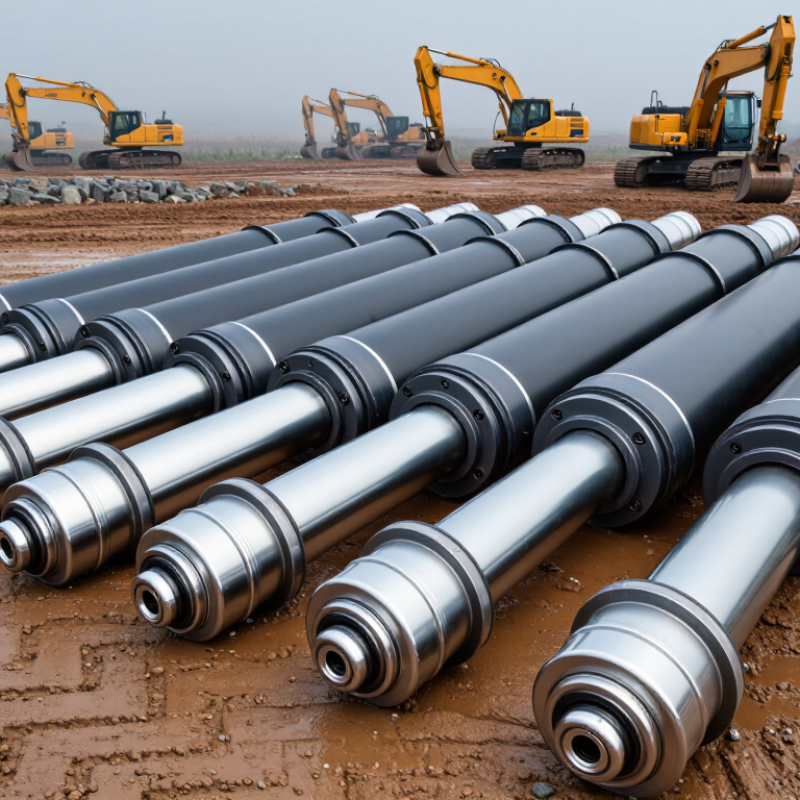
Top 10 Boom Cylinder Manufacturers for Global Buyers

Boom Cylinder Basics and Their Role in Heavy Equipment

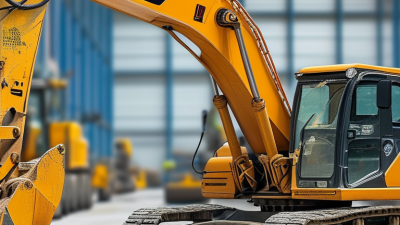
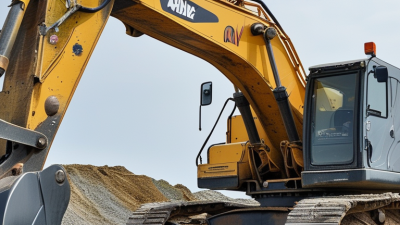
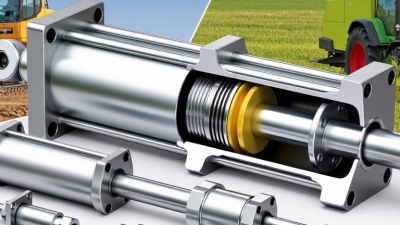
A boom cylinder is a hydraulic actuator that raises, lowers, and positions an excavator’s boom. It converts pressurized fluid into controlled linear force. Inside, a piston moves along a honed tube, while seals limit oil bypass. A chrome-plated rod transfers force to the boom linkage. Simple in appearance, it works under extreme loads.

Cylinder size affects lifting capacity, speed, and hydraulic efficiency. Bore diameter controls pushing force. Rod diameter influences stability and resistance to bending. Stroke length determines the boom’s working range. A suitable design must match operating pressure, mounting points, pin alignment, and machine weight. Small differences can create serious stress. Geometry matters greatly.

Field inspections reveal practical risks. Check for rod scratches, oil film, loose pins, and uneven movement. Small leaks matter. Contaminated oil can damage seals and score internal surfaces. In dusty quarry work, wiping the rod before retraction may prevent abrasive particles from entering. However, visual checks can mislead. A cylinder may appear sound while internal seals are failing. Our first diagnosis is not always right. Pressure testing and controlled load checks provide stronger evidence. Buyers comparing the top ten boom cylinder manufacturers should examine material quality, seal compatibility, testing records, repair support, and replacement-part availability. The lowest purchase price can become expensive after repeated downtime. A reliable cylinder should fit the equipment’s real working conditions, not only its catalog specifications.
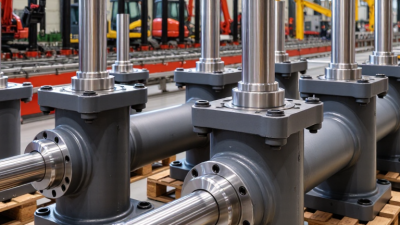
How to Evaluate Boom Cylinder Manufacturers for Global Purchasing

Global buyers should evaluate boom cylinder manufacturers beyond catalog photos and quoted prices. Ask for material certificates, machining tolerances, seal specifications, and documented pressure-test procedures. A serious supplier can explain how tube honing, rod hardening, and welding controls affect service life. Request production samples or inspection records from similar construction equipment applications. Real factory experience matters. Visit the facility remotely or in person, and observe cleanliness, traceability, and final assembly practices. However, a polished video proves little without supporting records.

Check whether drawings, load data, and mounting dimensions are reviewed by qualified engineers. The manufacturer should assess buckling risk, side loading, cycle frequency, and operating temperature. Ask how the cylinder performs under dirt, moisture, cold starts, and repeated shock loads. Field feedback is valuable, but it may be incomplete or selectively presented. Request references with permission, rather than anonymous claims. Independent dimensional and pressure inspections can expose problems before shipment.

Reliability also depends on communication. Confirm lead times, spare seal availability, warranty boundaries, packaging, and support across time zones. Clarify who pays when a cylinder arrives damaged or fails inspection. A capable manufacturer provides reports linked to serial numbers and responds with measurable corrective actions. Do not accept vague promises. Some evidence will be missing. Buyers should also examine their own specifications honestly; unclear loads and rushed drawings create avoidable failures. Low prices can become expensive after rework, freight, and downtime. The cheapest quote is often only the earliest number.

Top 10 Boom Cylinder Manufacturers and Their Core Strengths

Top 10 Boom Cylinder Manufacturers and Their Core Strengths

Global buyers often compare boom cylinder manufacturers by more than price. Field experience shows that seal quality, rod hardness, and repair support matter greatly. The strongest suppliers usually demonstrate ten distinct strengths. One focuses on high-pressure excavator cylinders. Another specializes in corrosion-resistant coatings. A third offers short production runs for unusual machine models. Some excel at forged steel components, while others provide precise CNC machining. Several maintain strict hydraulic testing before shipment. This step catches leakage that visual inspection may miss.

Other leading manufacturers stand out through fast engineering changes and reliable export packaging. One builds cylinders for cold climates. Another supports large mining equipment with oversized bore designs. A tenth supplier may offer strong aftermarket service, including piston kits and replacement seals. Clear drawings help, too. Buyers should request pressure-test records, material certificates, and dimensional reports. These documents reveal more than polished product photographs.

No supplier is perfect. Some factories have excellent machining but slow communication. Others respond quickly but provide limited customization. I have seen small sealing errors stop a machine during a muddy workday. That detail is easy to underestimate. Before placing an order, check sample-cylinder performance, warranty terms, and spare-parts availability. A realistic evaluation should include delivery consistency, technical response time, and total operating cost. Rankings can change as production systems, staff, and supplier networks change.

Top 10 Boom Cylinder Manufacturers for Global Buyers - Top 10 Boom Cylinder Manufacturers and Their Core Strengths

Rank Manufacturer Profile Core Strength Primary Boom-Cylinder Applications Typical Bore Capability Typical Working-Pressure Class Customization Capability Quality and Compliance Focus Best Fit for Global Buyers
1 Profile A High-volume production with repeatable dimensional control Crawler excavators, material handlers, wheel loaders Approximately 50–300 mm Approximately 210–350 bar Bore, rod, stroke, mounting, cushioning and port configuration ISO 9001-based quality systems, pressure testing and traceability OEM programs requiring stable supply and consistent interchangeability
2 Profile B Heavy-duty cylinders for demanding earthmoving conditions Mining equipment, large excavators and quarry machinery Approximately 100–500 mm Approximately 250–400 bar Large-diameter rods, reinforced welds, high-load mounting systems Material verification, weld inspection and proof-pressure testing Buyers prioritizing durability, fatigue resistance and long service life
3 Profile C Integrated engineering support for specialized equipment Forestry machinery, demolition equipment and telescopic booms Approximately 40–250 mm Approximately 200–350 bar Custom geometry, position sensing, cushioning and corrosion protection Design review, prototype validation and functional testing Engineering-led projects with unusual envelope or mounting requirements
4 Profile D Reliable mid-volume manufacturing and aftermarket support Construction machinery, agricultural loaders and attachments Approximately 40–220 mm Approximately 160–315 bar Replacement dimensions, seal packages and mounting alternatives Dimensional inspection, leakage testing and replacement-part control Distributors and fleet operators needing dependable replacement supply
5 Profile E Corrosion-resistant cylinder solutions for harsh environments Marine construction, port handling and coastal equipment Approximately 50–250 mm Approximately 210–350 bar Stainless or coated rods, protective finishes and specialized seals Surface-finish control, salt-spray considerations and hydraulic leakage tests Projects exposed to moisture, saltwater, dust and abrasive contaminants
6 Profile F Compact, weight-optimized designs for mobile hydraulics Compact excavators, skid-steer loaders and municipal vehicles Approximately 25–150 mm Approximately 160–315 bar Short strokes, compact ports, lightweight tubes and integrated sensors Dimensional accuracy, cycle testing and seal compatibility checks Manufacturers balancing installation space, mass and operating performance
7 Profile G Long-stroke and telescopic actuation expertise Telescopic handlers, lifting platforms and material-handling booms Approximately 50–250 mm Approximately 160–315 bar Extended strokes, synchronized stages, guide systems and position feedback Stroke verification, alignment checks and load-cycle testing Equipment requiring accurate extension, retraction and load positioning
8 Profile H Cost-effective production for standard configurations General construction, agricultural implements and utility equipment Approximately 30–180 mm Approximately 140–250 bar Standard bore, stroke, rod and port combinations with limited modifications Basic pressure testing, dimensional inspection and batch records Buyers seeking competitive pricing for repeatable standard designs
9 Profile I Rapid prototyping and low-to-medium volume flexibility Special-purpose vehicles, recycling machinery and custom attachments Approximately 35–220 mm Approximately 160–315 bar Prototype batches, special mounts, alternative seals and rapid revisions First-article inspection, design validation and functional testing Engineering teams developing new machinery or limited production models
10 Profile J Aftermarket compatibility and replacement-cylinder coverage Excavator booms, loader arms and repair-service applications Approximately 40–250 mm Approximately 160–315 bar Cross-reference dimensions, seal-kit options and replacement mounting points Fitment verification, leakage testing and replacement-part documentation Repair networks and distributors requiring broad equipment compatibility

Note: Bore sizes and pressure classes are indicative ranges commonly used in boom-cylinder applications. Final specifications should be confirmed against the equipment design, load conditions, hydraulic circuit and applicable safety requirements.

Quality, Customization, and Compliance Factors for International Buyers

Selecting the top 10 boom cylinder manufacturers requires more than comparing prices. Buyers should inspect bore accuracy, rod chrome thickness, seal compatibility, fatigue testing, and documented field experience. A cylinder may look robust, yet poor sealing can cause downtime in dusty quarry conditions. Grand View Research’s 2024 hydraulic cylinder report identifies construction, mining, and industrial equipment as major demand sectors, with continued market growth expected through 2030.

Customization must match the machine, not a catalogue image. Ask for load calculations, mounting dimensions, stroke tolerance, operating temperature, and hydraulic-fluid requirements. Request material certificates, pressure-test records, coating specifications, and serial-level traceability. The ISO Survey 2023 recorded 1,265,216 ISO 9001 certificates worldwide, but certification alone does not prove cylinder performance. Audit sample units and review corrective-action records. This step is often skipped. It should not be.

Tips: Build a compliance checklist before requesting quotations. Confirm the destination market’s technical rules, labeling, import documents, and inspection requirements. EN 10204 material documentation can support traceability, while ISO 9001 supports process control. For safety-related machinery, verify applicable regional standards with a qualified engineer. Also compare warranty limits, spare-seal availability, packaging quality, and response times. A low unit price can become expensive after ocean moisture, missing documents, or one unavailable seal delays installation. Mistakes happen. Record them early.

How to Select the Right Boom Cylinder Supplier for Your Application

How to Select the Right Boom Cylinder Supplier for Your Application

Choosing among the top boom cylinder manufacturers requires more than comparing prices. Start with your machine’s working pressure, bore diameter, stroke length, and retracted length. Confirm the pin diameter and mounting width with a drawing, not memory. A small measurement error can delay installation.

Ask each supplier for load calculations, material specifications, seal details, and pressure-test records. For abrasive sites, consider a hardened or coated rod and seals suited to dust, moisture, and temperature changes. Request fatigue testing when the boom cycles continuously. The supplier should explain its quality controls clearly, including inspection points and traceability. Vague answers are a warning.

Experience matters in unusual applications. A capable engineering team can review side loads, impact forces, and hydraulic flow restrictions before production. Check sample drawings, delivery history, and after-sales response times. A practical supplier will discuss maintenance access and replacement seal availability. Do not accept a perfect-sounding promise.

The cheapest quote can be misleading. Some proposals exclude testing, custom mounts, or protective coatings. Compare the complete operating cost instead. I would also request a pilot cylinder before approving a large order, although schedules do not always allow it. That compromise should be documented. Real performance may reveal issues that calculations miss, especially during cold starts or uneven loading.