2026 Top Frame Support Bracket Suppliers for Buyers
Frame Support Bracket procurement deserves the same scrutiny as any load-bearing component. A bracket may look simple on a drawing, yet small differences in hole spacing, steel thickness, coating, or weld quality can disrupt installation. The U.S. Census Bureau’s Value of Construction Put in Place report estimated 2024 U.S. construction spending at approximately $2.15 trillion. That figure is not a bracket-market estimate. It does, however, show the scale of construction activity where dependable support components matter. Buyers should still verify every supplier’s specifications and documentation.
Engineering historian Henry Petroski’s often-cited maxim, “Form follows failure,” offers a useful design reminder. For buyers, that means asking how a bracket performs under specified loads, repeated vibration, corrosion exposure, and real installation conditions. A polished catalogue is not proof. Request material grades, dimensional tolerances, test records, and sample parts; then check whether the paperwork matches the hardware. Some comparisons will remain imperfect, especially when suppliers use different test methods. That uncertainty should be recorded, not hidden.
This 2026 supplier guide focuses on practical evidence: product consistency, manufacturing capability, customization, lead times, quality controls, and after-sales support. It is intended to help purchasing teams compare vendors, not replace engineering approval. The right choice is rarely just the lowest unit price. A bracket that arrives late, needs rework, or fails to fit can cost more than its quoted savings. Start with the application, confirm the load path, and make suppliers show how their products meet the requirement.
What Frame Support Brackets Are and Where They Are Used
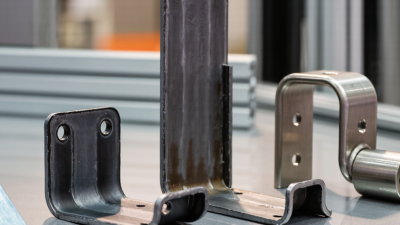
Frame support brackets are structural components that connect a frame to another part or surface. They help hold rails, panels, equipment, and enclosures in position. Depending on their shape and material, they may carry weight, resist movement, or keep components aligned. Some are simple bent plates; others include welded gussets, slots, or several mounting holes. Small details matter.
These brackets appear in machinery, where they support guards, motors, cable trays, and modular equipment frames. In buildings and storage systems, they can join struts, shelving uprights, and service frames. Vehicle bodies, agricultural equipment, and outdoor cabinets also use them, especially where vibration or weather may affect a joint. A loose fit can cause rattling, uneven loading, or premature wear. Not glamorous, but important.
For buyers, start with the expected load, mounting surface, available clearance, and exposure to moisture or chemicals. Check material thickness, hole spacing, surface finish, and whether installers need adjustment during fitting. Ask suppliers for dimensional drawings and load data that match the intended mounting direction. Ratings can change with fastener type and support spacing, so a catalog figure is not universal. I would check a sample before placing a large order; drawings may not reveal a cramped corner or awkward tool access. That check is easy to skip.
How Frame Support Brackets Are Designed and Manufactured
2026 Top Frame Support Bracket Suppliers for Buyers
How Frame Support Brackets Are Designed and Manufactured
A frame support bracket begins with its job: holding parts in position without bending, loosening, or obstructing nearby components. Designers check the expected load, mounting points, vibration, and available space. A few millimeters can change whether the bracket fits cleanly. Small details matter. Material thickness and grade are selected for the application, not appearance alone.
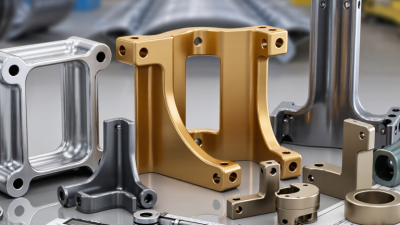
Designers typically create a CAD model, then review hole spacing, bends, clearances, and tool access. Prototypes can reveal issues that drawings miss, such as a fastener contacting a frame edge. Production may use laser cutting, stamping, punching, bending, welding, or machining, depending on the shape and quantity. Finished parts are checked for dimensions, burrs, weld quality, and coating coverage. Fit is not strength. And a neat drawing is not proof of performance; test conditions should reflect actual use. Sometimes the first design needs another look.
Tips: Ask suppliers how they verify critical dimensions and material thickness. Share load direction, mounting details, and operating conditions before requesting a quote. If the bracket will be exposed to moisture, discuss suitable corrosion protection. Keep a sample from an approved production run for comparison; this simple step is easy to overlook.
Frame Support Bracket Materials: Minimum Yield Strength
Material selection is one part of bracket design: strength, thickness, geometry, corrosion exposure, and fastening all affect performance. Values shown are specified minimum yield strengths for the listed material conditions; requirements can vary by product form and thickness.
How Supplier Capabilities, Quality, and Lead Times Differ
2026 Top Frame Support Bracket Suppliers for Buyers
A frame support bracket may look simple, but small process differences matter. Compare suppliers by material range, press capacity, forming accuracy, and tooling control. Ask for drawings, tolerance records, and sample inspection results. For coated parts, check finish thickness and corrosion-test records. A polished sample is not enough.
Deloitte’s 2024 Smart Manufacturing Survey found that 86% of manufacturers saw smart manufacturing as a key competitiveness driver over the next five years. For buyers, that points to the value of digital inspection records and traceable production data. Still, software cannot fix weak process control. There is no perfect supplier.
Lead times need the same scrutiny as quality. Separate tooling, first-article approval, and repeat-order timing; ask what changes when demand spikes. The ISM Manufacturing PMI tracks supplier deliveries as a distinct indicator, reminding buyers that delivery conditions shift over time. Compare quoted dates with recent shipment records, not promises alone. A spreadsheet can still mislead. Ask how the supplier handles a late material shipment, a failed inspection, or a sudden revision. Those answers reveal more than a confident sales estimate.
How to Select and Verify a Frame Support Bracket Supplier
2026 Top Frame Support Bracket Suppliers for Buyers
How to Select and Verify a Frame Support Bracket Supplier
Selecting a frame support bracket supplier starts with a clear specification. Share the drawing, material grade, dimensions, finish, and expected load conditions. Ask how the supplier controls critical measurements, such as hole spacing and bend angle. A bracket that looks correct may still fail to fit during assembly. Details matter.
Request a sample made with the intended process and material, not a hand-finished mock-up. Check the edges, coating coverage, weld consistency, and alignment against your drawing. Ask for inspection records and material documentation, then confirm that each document applies to the quoted part. If a supplier claims a capacity, ask what test setup and conditions support that figure. Keep the answer in writing.
A factory visit or live video walkthrough can reveal practical details: calibrated gauges, labeled material racks, and separated finished goods. Also ask how revisions are tracked and what happens when a batch misses tolerance. Compare lead times, minimum order quantities, packaging, and communication—not just unit price. A comparison sheet helps, though it can hide differences in inspection depth. I have seen a polished sample create false confidence; production consistency still needs checking. Start with a small trial order when risk or fit is uncertain.

 +86 18578756148
 CONTACT NUMBER
 CONTACT NUMBER
 CONTACT NUMBER

 CONTACT NUMBER