+86 18578756148


Global buyers need more than a metal component with pre-drilled holes. A Frame Support Bracket must transfer loads safely, resist corrosion, and fit local construction practices. Its geometry can affect wall alignment, installation time, and long-term maintenance.
The World Steel Association reported approximately 1.89 billion tonnes of global crude steel production in 2023. That scale supports broad material availability, but it also creates quality differences between suppliers. Oxford Economics projects global construction output will grow substantially through 2037, increasing demand for standardized and traceable support components. Buyers should therefore examine steel grade, coating thickness, weld quality, hole tolerance, load ratings, and test documentation. A lower price may hide expensive field adjustments. Sometimes, it does.
Omer W. Blodgett, a respected structural welding engineer, often emphasized, “The strength of a structure depends upon the strength of its connections.” His principle remains highly relevant to bracket selection. A small bracket may carry concentrated forces at a column, wall, roof, or equipment frame. Engineers should verify the complete load path, not only the bracket’s advertised capacity. AISC 360-22, EN 1993-1-8, and applicable regional standards provide useful reference points, but compliance depends on the actual design and installation conditions. This guide compares common Frame Support Bracket types for international buyers, including angle brackets, U-brackets, adjustable brackets, welded assemblies, and heavy-duty gusseted designs. It also considers packaging, corrosion protection, certification, customization, and supplier reliability. No single type suits every project. That is the practical complication.
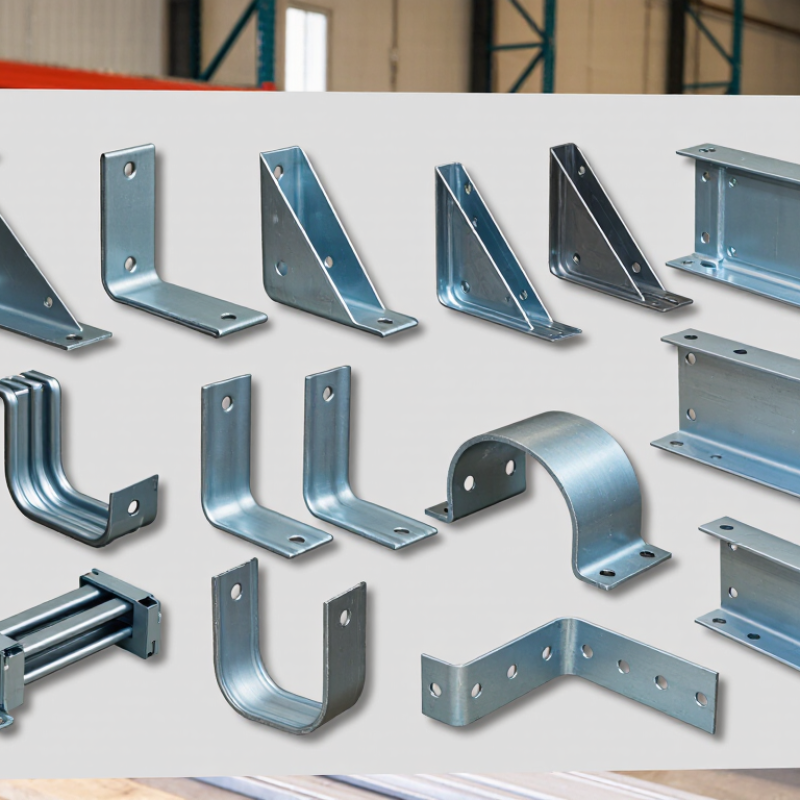
Top Frame Support Bracket Types for Global Buyers?
A top frame support bracket is a mechanical component that connects and stabilizes the upper section of a frame. It transfers weight, vibration, and movement into the main structure. In practical terms, it helps keep beams, panels, rails, or equipment properly aligned.
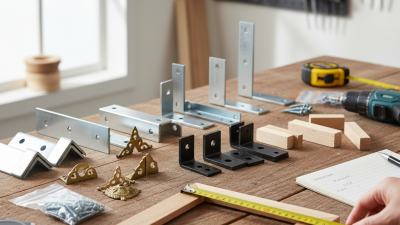
Common types include angle brackets, gusseted brackets, adjustable brackets, and welded support plates. Angle brackets suit simple right-angle connections. Gusseted designs add triangular reinforcement for higher loads.
Adjustable brackets help installers correct small alignment differences on site. Welded plates can provide strong, permanent joints, but they require accurate fabrication and suitable inspection.
Material selection matters. Carbon steel offers strength and cost efficiency. Stainless steel performs better in damp or corrosive locations. Protective coatings may extend service life, but damaged surfaces can still rust around bolt holes. That detail is easy to miss. Field inspections often find loose fasteners, uneven contact, or brackets carrying loads beyond the original design.
Global buyers should review load capacity, hole spacing, plate thickness, connection method, and installation access.
They should also confirm applicable structural and safety requirements in the destination market. A bracket may appear oversized, yet its bolts or welds may be the weaker point. Qualified engineers should check the full load path, especially where wind, vibration, or repeated movement is expected. Product drawings and material certificates improve traceability, although documents alone cannot replace a physical quality inspection.
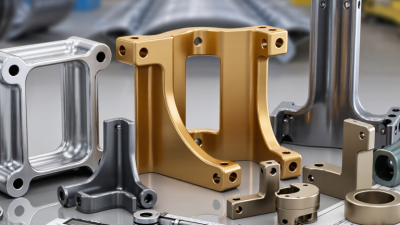
Top frame support brackets are classified by their position, load path, shape, and connection method. The main groups include corner brackets, center supports, end brackets, and adjustable frame mounts. Corner types usually resist loads from two directions. Center supports control deflection across longer spans. End brackets transfer forces into walls, posts, or equipment frames.
Material creates another useful classification. Carbon steel brackets suit heavy structural loads and controlled indoor environments. Stainless steel types perform better where moisture or cleaning chemicals are common. Aluminum brackets reduce weight but may require thicker sections or larger contact areas. Surface treatment also matters. Zinc coatings, powder finishes, and passivation offer different protection levels. Local exposure conditions should guide the choice.
Geometry separates flat plates, angle brackets, channel supports, and boxed designs. Flat plates are simple to inspect and replace. Boxed brackets provide greater stiffness but can hide corrosion or incomplete welds. Connection style includes bolted, welded, slotted, and hinged versions. Slotted holes help with alignment during installation, although they can reduce effective strength if poorly specified. Buyers should request drawings, material certificates, load-test data, and coating details. Check regional codes and installation conditions. Small details matter. In practice, classifications overlap, and a catalog label may not explain the real load behavior. A second engineering review is often worthwhile.
Top frame support brackets help connect upper frame members while controlling movement, load transfer, and alignment. Their design should match the frame profile, fastening method, and working environment. A poor fit can create stress around bolt holes and reduce long-term stability.
L-shaped brackets suit simple right-angle joints and light to medium structural loads. They are easy to inspect and install, especially where access is limited. U-shaped brackets hold two parallel members and provide better lateral restraint. Corner brackets with gusset plates add stiffness at high-stress intersections. They are useful when vibration or repeated loading is expected.
Adjustable top frame brackets allow small alignment corrections during installation. This feature helps when steel members vary slightly or floors are not perfectly level. Heavy-duty brackets use thicker plate, reinforced bends, or additional fixing points. They may support larger loads, but only when the frame and fasteners share the same capacity. Material choice matters. Powder-coated steel works well indoors, while galvanized or stainless options suit humid conditions. Check the coating after drilling.
In field inspections, installers often focus on bracket strength and overlook bolt spacing. That is a mistake. Edge distance, tightening force, and access for future maintenance also affect performance. I would not select a bracket from dimensions alone. Real conditions, including vibration, corrosion, and installation errors, deserve a second review.
Matching a support bracket to a frame starts with load, geometry, movement, and environment. For light rectangular frames, an L-bracket suits simple corner loads and quick bolting. Use U-channels when the frame needs three-sided capture or better lateral stability. Gusseted brackets resist racking, but they need clear weld access and accurate alignment. Slotted brackets tolerate installation variation. They can also loosen. Good design checks both benefits.
For heavy frames, select thickness and bolt spacing from calculated shear, tension, and bending, not appearance. Check frame wall thickness before tightening; thin tube walls can deform under concentrated pressure. The World Steel Association’s 2024 report records about 1.89 billion tonnes of crude steel production in 2023. That scale supports material availability, but it does not guarantee bracket quality. For global projects, verify metric or imperial hole patterns, thread standards, and replacement access. Corrosion deserves equal attention. UNEP’s 2023 Global Status Report links buildings to 37% of global energy-related emissions. A thin coating may still fail near salt spray or trapped water. This is where specifications become too optimistic.
Tips: Map each bracket to its load path, hole tolerance, service temperature, and ISO 12944 exposure category. Specify coating thickness, edge distance, washer size, and inspection method. Ask suppliers for material certificates and test records. A practical trial assembly can expose interference before shipment. Do not ignore maintenance access. A bracket that fits once may not remain serviceable.
Top Frame Support Bracket Types for Global Buyers?
Before ordering frame support brackets, buyers should confirm the load path, installation angle, and joining method. Common options include L-brackets, U-shaped supports, gusseted brackets, and adjustable designs. A gusseted bracket suits vibration-heavy frames. An adjustable bracket helps when site measurements may vary.
Material verification matters more than appearance. World Steel Association data shows global crude steel production reached about 1.89 billion tonnes in 2023. However, steel grade names can differ between markets. Request the exact grade, thickness tolerance, coating standard, and test report. ISO Survey data also shows more than one million ISO 9001 certificates worldwide, but certification alone does not prove every batch is consistent. Check batch traceability.
Shipping conditions deserve equal attention. UNCTAD reports that over 80% of global merchandise trade by volume moves by sea. Salt air, condensation, and long storage can damage untreated surfaces. Ask for packaging photos, corrosion protection details, carton limits, and dimensional drawings. Confirm whether holes are punched or drilled. This small difference can affect assembly time.
Tips: Measure the mating frame twice. Request a sample bracket before bulk production. Compare load ratings using the same test method. Check thread direction and fastener compatibility. Do not rely only on catalog dimensions. A perfect checklist does not exist; even experienced buyers can miss site tolerances. Record every assumption in the purchase order.
Reference minimum yield strength of commonly specified bracket materials
Material selection should match the bracket geometry, load direction, corrosion environment, connection method, and required safety factor. The values shown are reference minimum yield strengths: ASTM A36 carbon steel at 250 MPa, EN 10025-2 S355 structural steel at 355 MPa, 304 stainless steel at 205 MPa, and 6061-T6 aluminum at 240 MPa. Before ordering, global buyers should confirm the exact material standard, thickness, surface treatment, tolerances, weldability, fastener compatibility, and applicable local design requirements.