+86 18578756148


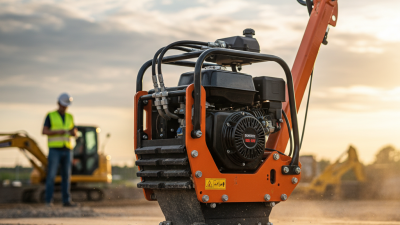
A Vibrating Compactor Rammer is a walk-behind machine that densifies soil through rapid vertical impacts. Its narrow foot reaches trenches, edges, and confined spaces where rollers cannot work. A petrol or diesel engine powers an exciter mechanism. That mechanism creates vibration and repeated blows through the tamping plate. The result is tighter soil particles, fewer voids, and a firmer working surface.
The U.S. Federal Highway Administration’s Soils and Foundations Reference Manual explains that compaction improves soil density, strength, and stability. It also stresses moisture control, because excessively dry or wet soil can resist proper densification. Data from the European Rental Association’s market reports shows continuing demand for compact construction equipment across infrastructure and building projects. However, reported market growth does not prove that every rammer suits every site. Soil type still matters more than sales momentum.
Ralph R. Proctor, whose research shaped modern soil-compaction testing, stated, “The purpose of compaction is to improve the engineering properties of a soil.” That principle remains central to operating a Vibrating Compactor Rammer. The operator must control travel speed, lift thickness, moisture, and pass count. A slow, steady rhythm often produces better results than aggressive handling. Small details matter.
This article explains what happens inside the machine, how vibration transfers energy, and why soil responds differently. It also examines practical selection, safe operation, and common performance mistakes. One uncomfortable truth deserves attention: visible vibration does not guarantee adequate compaction. A surface can look firm while hidden layers remain weak.
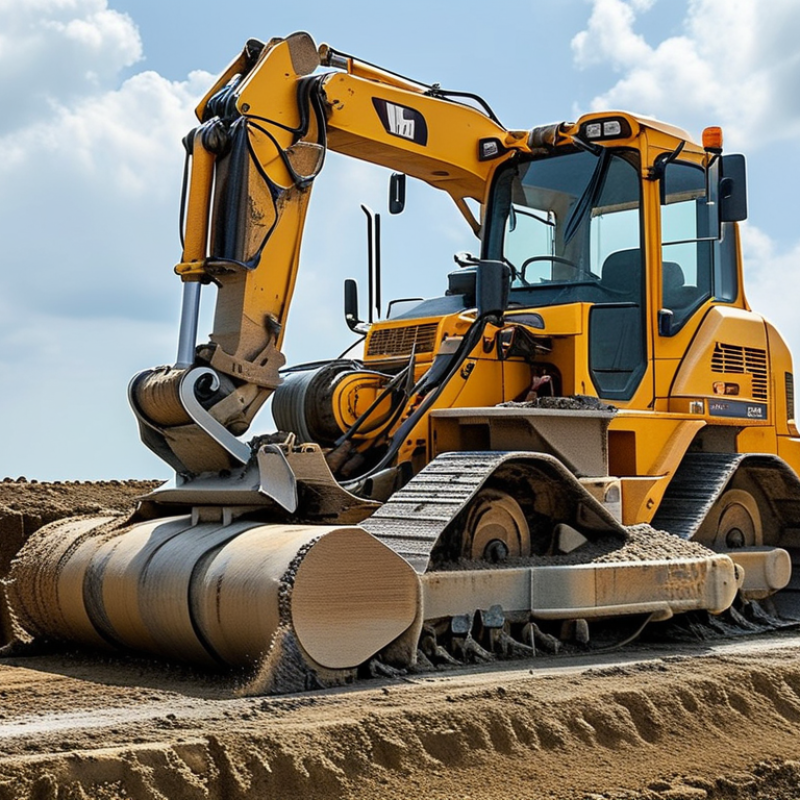
A vibrating compactor rammer is a compact, walk-behind machine for densifying soil in narrow areas. Its small steel foot moves rapidly up and down. This action delivers repeated impacts to the ground. It is especially useful in trenches, around foundations, and beside drainage pipes. Unlike a smooth drum roller, the rammer concentrates force over a small contact area. This helps compact cohesive soil, such as clay or mixed backfill, where larger equipment may struggle.
A petrol or electric motor powers an eccentric mechanism beneath the machine. The rotating weight creates vibration, while the spring assembly guides the foot’s vertical movement. The operator steers the rammer slowly across each section. Effective compaction depends on soil moisture, lift thickness, and travel speed. Dry soil may remain loose. Wet soil can deform instead of becoming firm. In field work, ignoring these details often creates a hard-looking surface with weak material underneath.
Tips: Test a small area before full operation. Spread backfill in thin layers, usually 100 to 200 millimeters, and compact each layer evenly. Keep both hands on the handle and wear hearing, eye, and foot protection. Watch for buried services and unstable edges. Do not force the machine forward. Let its vibration and weight provide the movement. It is tempting to make several fast passes, but slow, controlled passes usually produce more consistent results. Soil behavior can still vary unexpectedly.
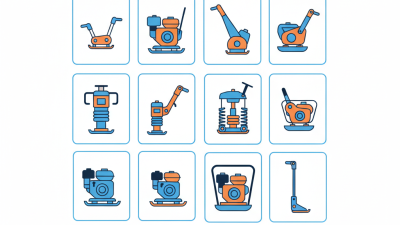
A vibrating compactor rammer, often called a jumping jack, combines impact and vibration to compact soil in narrow spaces. Its power unit drives an exciter, while a spring-mounted rammer mechanism transfers repeated force to the base plate. The engine or motor supplies rotation. The exciter converts it into rapid vertical movement. A sturdy shoe, usually steel, contacts the ground and presses loose particles together. The handle, controls, and protective frame help the operator guide the machine safely. It is compact, but not light in use.
The clutch and drive system regulate how power reaches the exciter. Coil springs absorb shock between the moving assembly and the handle, reducing vibration at the operator’s hands. Rubber mounts may support the engine and limit unwanted movement. A throttle or speed control changes operating response, although maximum speed is not always best. During field work, I watch the shoe’s contact pattern and listen for uneven knocking. These details can reveal loose fasteners, worn springs, or poor lubrication. I have learned that a clean air filter matters more than many users expect.
Tips: Inspect bolts, springs, guards, and the base plate before starting. Keep the machine upright during transport. Compact in thin layers, not deep piles. Moist soil usually compacts better than dusty, dry soil, but saturated ground may deform. Wear hearing, eye, foot, and hand protection. Stop if controls feel abnormal. A short test pass often exposes problems early. The process is simple, yet small maintenance mistakes can reduce compaction quality.
A vibrating compactor rammer uses a small engine to move a heavy baseplate rapidly against the ground. The engine drives a rotating shaft fitted with an eccentric weight. As this weight spins, its uneven mass creates centrifugal force. That force travels through the frame and pushes the plate downward and forward.
The basic principle is F = m × r × ω². A heavier eccentric weight, a larger offset, or faster rotation can increase the generated force.
The plate delivers repeated impacts, while vibration helps soil particles move closer together. Air gaps shrink, contact improves, and the ground becomes denser. The narrow foot also works well in trenches and around foundations.
Moisture matters. Dry soil may resist movement, while overly wet soil can behave like paste. Operators usually control results through suitable moisture, steady walking speed, and overlapping passes. Too much speed can leave soft pockets beneath a seemingly firm surface. That is easy to miss. The machine can also bounce on hard ground, reducing useful contact. A practical check combines surface feel, visual inspection, and approved density testing rather than relying on vibration alone. The process is not perfectly uniform, especially near edges, pipes, or loose backfill. Careful setup still makes the force more predictable.
A vibrating compactor rammer uses a narrow shoe to compact soil in confined areas. Its engine drives a spring-loaded mechanism, creating rapid vertical impacts. The shoe strikes the ground repeatedly, pushing soil particles closer together. This action reduces air voids and improves load-bearing performance. FHWA guidance identifies moisture control, lift thickness, and compaction energy as critical factors. A rammer cannot correct every soil problem.
The process begins with a thin soil lift, often around 100–200 millimeters, depending on the material and equipment. The operator guides the shoe across the surface at a steady walking speed. Each impact rearranges particles and expels trapped air. Slightly damp soil usually compacts better than dry soil. Excess water, however, can make the ground pump under the shoe. ASTM D698 and D1557 Proctor tests determine laboratory moisture and density targets. Many earthwork specifications require about 95% of maximum dry density, though project requirements vary. One pass may look finished. It may not be.
Tips: Keep the rammer moving steadily. Avoid forcing it into hard surfaces. Check density with field testing, not appearance alone. Inspect the shoe, springs, and engine before use. Uneven vibration often signals wear. A practical mistake is using more passes instead of correcting moisture or lift thickness. That wastes time and may still leave weak soil.
A vibrating compactor rammer is a walk-behind machine for compacting soil in narrow spaces. Its engine drives an exciter, creating rapid vertical movement through the foot. This repeated impact presses loose particles together and reduces air gaps. The result is a firmer surface for trenches, foundations, patches, and utility backfill.
Common applications include compacting clay, silt, and mixed granular soil around confined work areas. Rammers are useful beside walls, in trenches, and near small foundations where larger rollers cannot maneuver. Performance depends on moisture. Soil that is too dry may resist bonding, while saturated soil can deform under the foot. Lift thickness also matters. Deep layers may appear firm on top but remain weak underneath. Operators should follow the equipment manual, inspect the shoe, and watch for unusual vibration or unstable handles. It is easy to assume more passes always improve density. They do not.
Tips: Test a small area first. Use thin, even lifts. Keep both hands on the handle. Wear hearing, eye, foot, and hand protection. Avoid compacting near unsupported trench edges. Mark hidden services before work begins. Move slowly and keep the rammer balanced. Short pauses help prevent overheating, although stopping too often can reduce productivity. A basic field check can reveal soft spots, but proper density testing gives more reliable results.